8 Disturbing Details About the Omaha Sinkhole That Swallowed Two Cars
One moment, it was just another Tuesday afternoon in Omaha. Cars waited at a red light. Drivers sat in traffic. The street looked ordinary enough, the kind of road people cross every day without giving the pavement a second thought. Then the ground gave up.
A pickup and an SUV dropped into a sudden hole in the road, turning a normal intersection into the kind of scene Americans expect from disaster movies, not a weekday drive near campus, restaurants, shops, and traffic lights.
That is why the story grabbed so much attention. It had everything Americans find hard to ignore: a normal street, a sudden collapse, viral footage, lucky escapes, confused drivers, and the uncomfortable reminder that the ground under a busy road can fail without warning.
The collapse happened near 67th and Pacific Streets, where officials said two vehicles fell into the sinkhole while stopped at an intersection.
The cars were sitting at a red light.
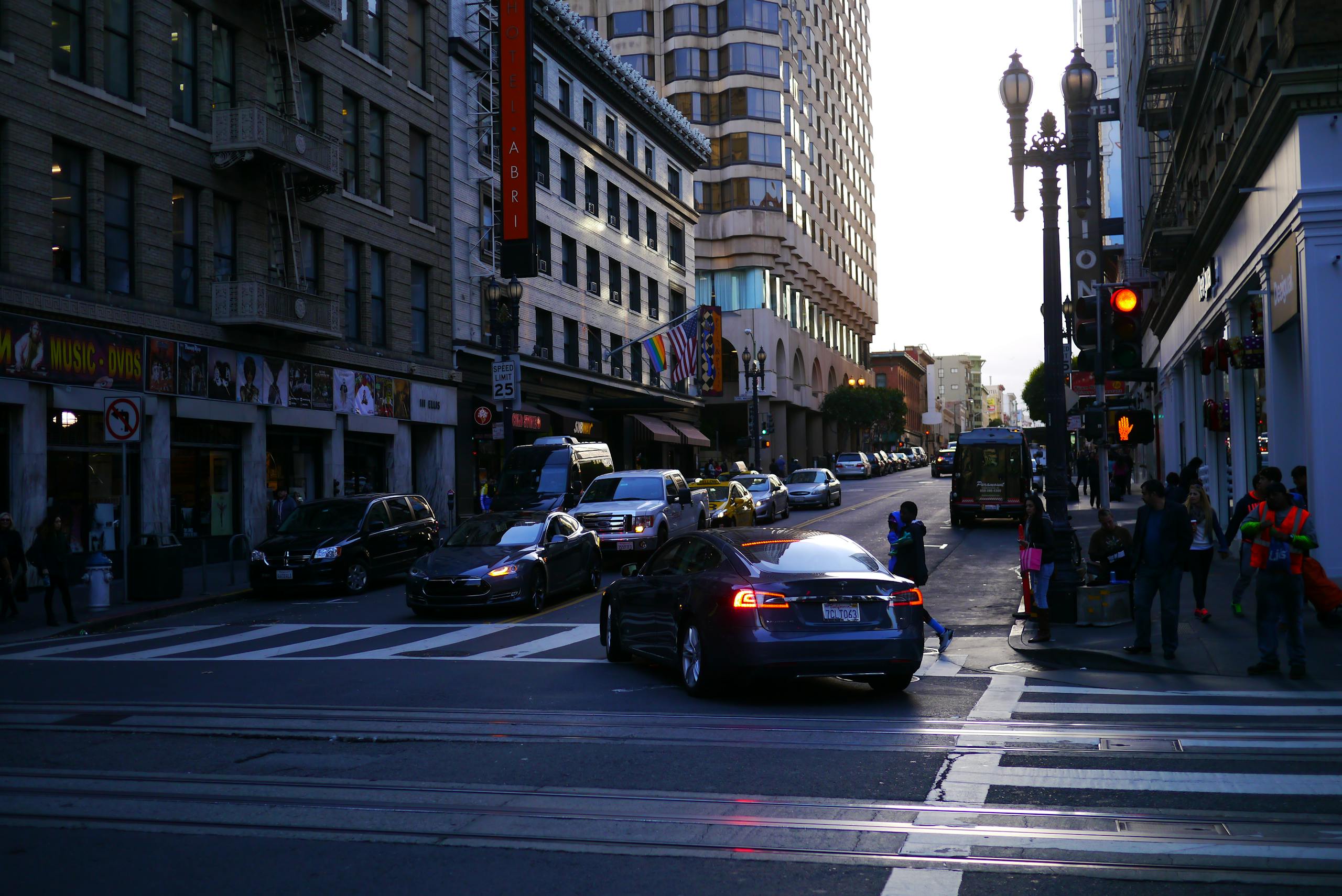
The scariest part of the Omaha sinkhole was how normal everything looked before the road failed.
The drivers were not speeding through floodwater. They were not ignoring warning signs. They were not driving through a closed construction zone or trying to beat a barricade. They were waiting at a red light, doing one of the most ordinary things drivers do every single day.
That is what made the video so unsettling.
A red light is supposed to be boring. It is where drivers check the clock, adjust the radio, think about dinner, or wonder why traffic always moves more slowly when they are already late. Nobody expects the pavement under the vehicle to suddenly disappear.
Reports described the moment when an SUV and a pickup truck were waiting at a traffic light before the pavement beneath them collapsed. That detail is what made the story feel so personal. Any driver can imagine sitting there, annoyed by the light, never once thinking the street itself might become the danger.
Nobody was injured, which feels almost impossible.
When a city street opens under two vehicles, the outcome can easily become tragic.
The vehicles dropped into broken pavement. The road collapsed around them. Emergency crews were called. Bystanders rushed toward a scene that looked unreal. Yet both drivers escaped without serious physical harm.
That fact almost sounds too lucky.
Officials said neither driver was injured, even though the vehicles fell into a hole that could have created a much worse scene with a slightly different angle, deeper drop, or heavier traffic.
The lack of injuries does not make the collapse harmless. It makes it fortunate.
Most Americans trust streets because they have no choice. Nobody gets out of the car to inspect the asphalt before stopping at every intersection. That is why sinkhole stories feel so creepy. They expose how much daily life depends on hidden systems staying stable.
In Omaha, the drivers got lucky. The image of two cars trapped in the street still made people look twice at the next cracked patch of road.
Bystanders helped turn chaos into a rescue.
The collapse could have become pure panic. Instead, the aftermath revealed one of the most human parts of the story. The pickup driver reportedly climbed out, and other people nearby helped the SUV driver escape. In a few terrifying seconds, strangers had to decide whether to watch or act.
They acted. Reports said bystanders helped the SUV driver after the vehicle dropped into the sinkhole. That detail matters because it shows how quickly ordinary people can become the first layer of emergency response.
Nobody plans to become part of a rescue while going through an intersection. Someone calls 911. Someone warns traffic. Someone reaches toward the person still inside the vehicle. Someone steps into a moment that will follow them for years.
The ground failed. People did not. That is part of why the story stuck. It was frightening, strange, and almost cinematic, yet it also had a moment of real human instinct amid the mess.
The hole shut down a busy stretch of road.
This was not a tiny pothole that got a dramatic nickname. The collapse caused a serious road closure in a busy area of Omaha. Traffic had to be rerouted, drivers had to avoid the area, and officials warned that the problem could affect the street for days. A sudden hole in the road became everyone’s problem almost immediately.
That is how infrastructure failures work. They do not stay neatly contained. One collapse can affect commuters, nearby businesses, public workers, police, emergency responders, tow crews, utility crews, students, residents, and anyone who normally uses that route without a second thought.
Local reporting said Pacific Street was closed near the sinkhole, with impacted roads remaining closed while crews responded and assessed the danger.
That disruption is part of the story. A viral video lasts seconds. A repair zone lasts much longer. For the people who actually live, work, study, or drive near that intersection, the sinkhole was not just shocking footage; it was a real threat. It was a real-life detour.
Officials connected the collapse to a water main problem.
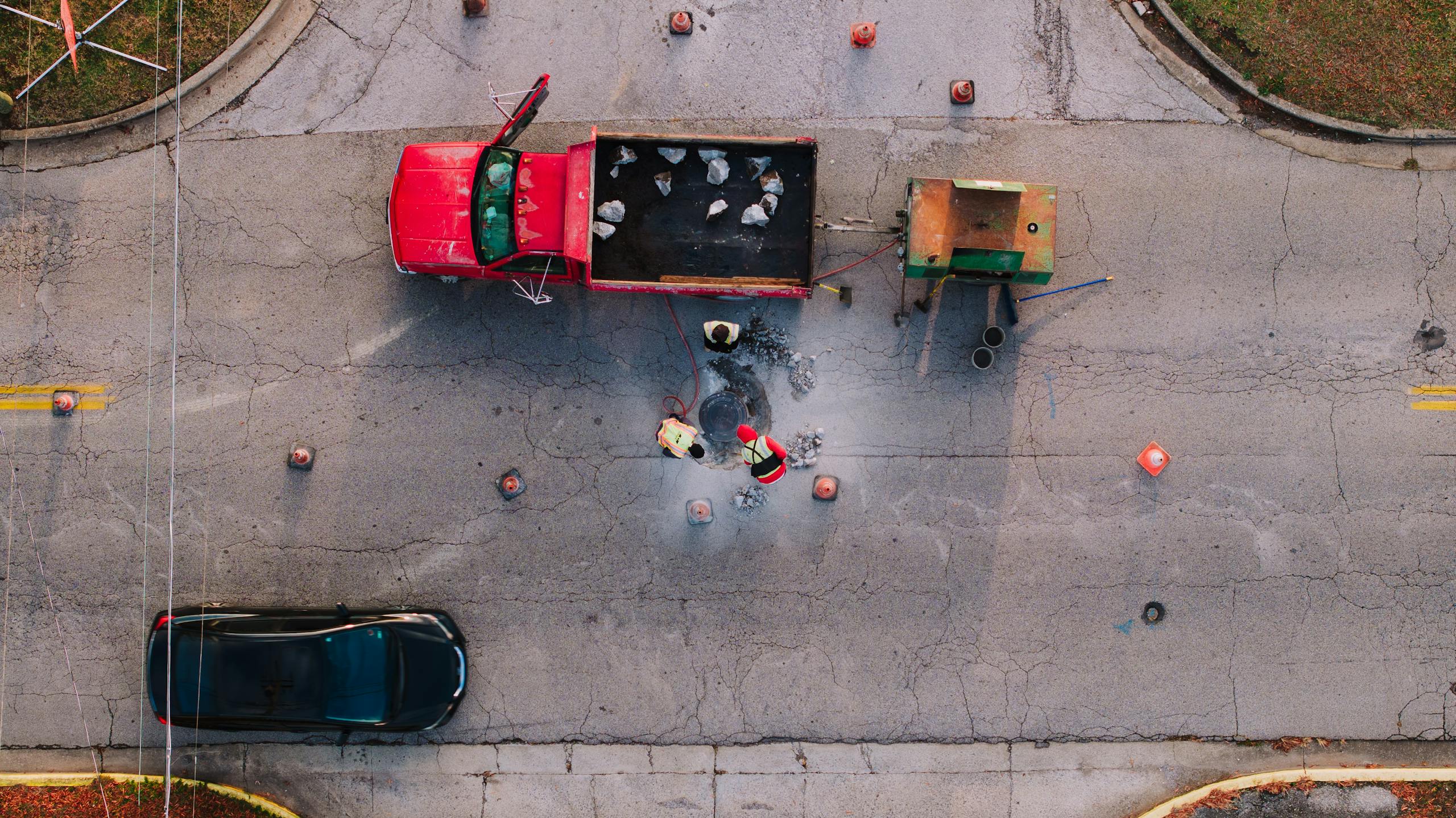
Sinkholes often look sudden, but the danger can start quietly underground. In Omaha, officials connected the collapse to a water main issue. That makes the story even more disturbing because it suggests the road may have looked normal while the support beneath it was already being weakened by hidden water movement.
That is how a normal street becomes deceptive. Drivers see pavement. Beneath it, water may be moving soil, damaging support, or creating a void that nobody can see from the surface. By the time the asphalt gives way, the hidden problem has already become a public emergency.
Local reporting said officials were investigating a water main break connected to the sinkhole near 67th and Pacific Streets.
That detail is a reminder that roads are not just roads. They are layered over pipes, sewers, soil, drainage systems, repairs, utility lines, and old infrastructure. When something underground fails, the surface can betray everyone above it.
Crews needed heavy equipment to pull the vehicles out.
Once the shock faded, Omaha still had a practical problem. Two vehicles were stuck inside a hole in the middle of the street.
That is not the kind of situation a regular tow truck handles like a flat tire in a parking lot. Crews had to consider the broken pavement, the unstable ground, the weight of the vehicles, the safety of workers, and the possibility that the sinkhole could shift or expand.
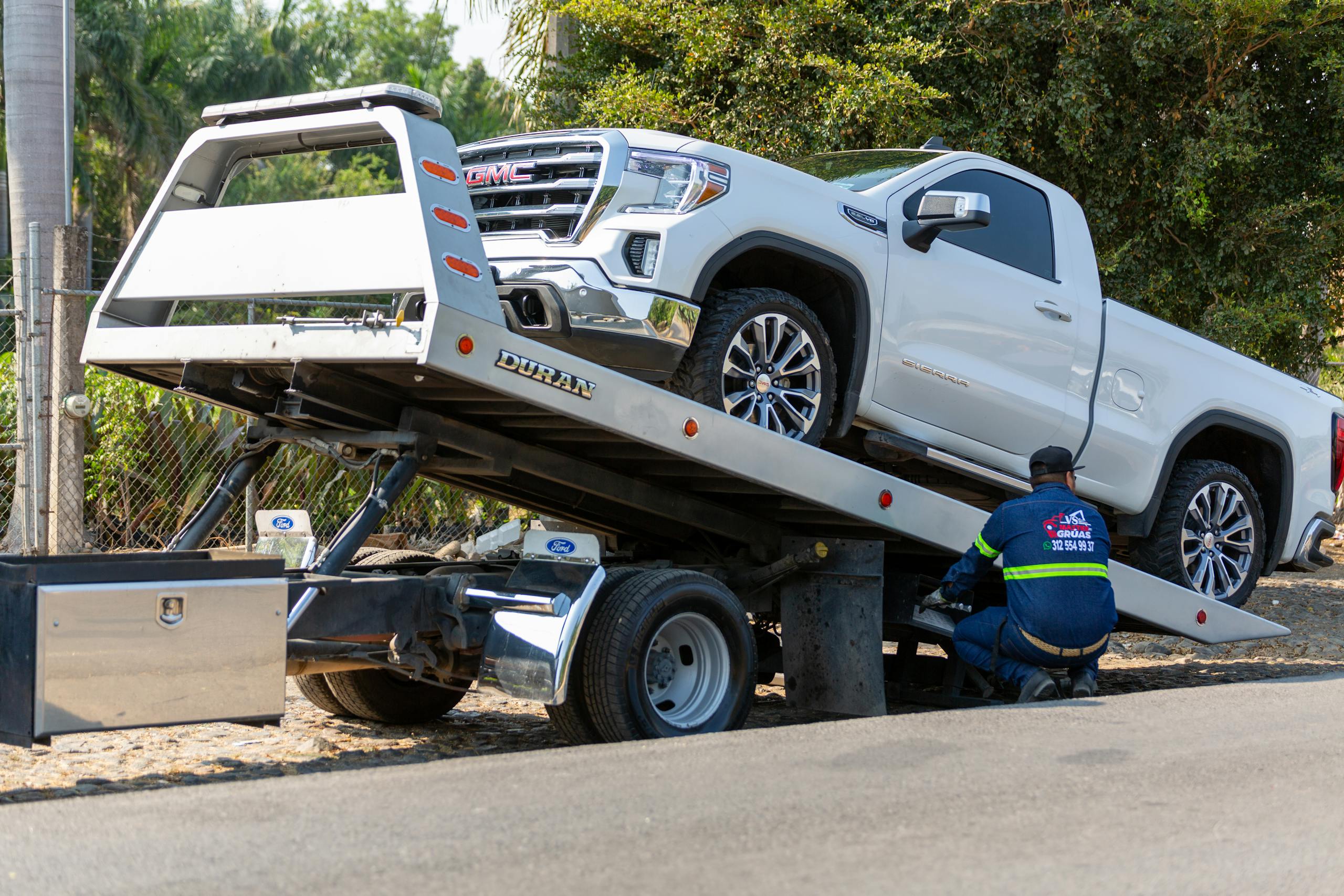
Reports said a heavy-duty tow truck with a crane setup was brought in to remove the vehicles from the sinkhole. That image makes the collapse feel even bigger.
Americans are used to seeing tow trucks after fender benders, bad parking, dead batteries, and highway breakdowns. Watching vehicles get lifted from a city street collapse is different. It says the pavement did not just crack. It failed badly enough that the whole scene became part rescue, part engineering problem, and part warning sign.
Repairs took longer than the viral clip.
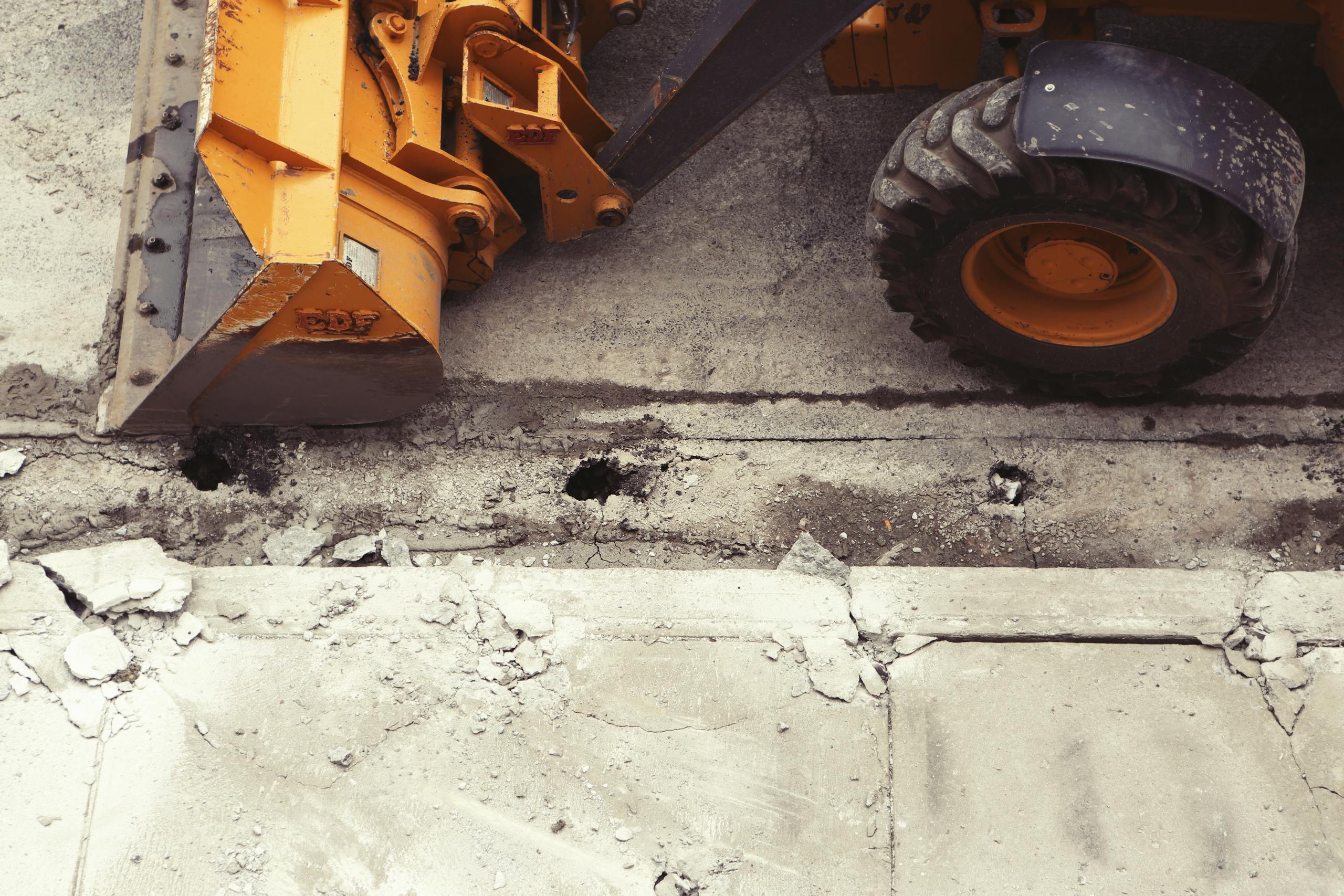
The internet moves fast. Road repairs do not. After the video spread, the people near the collapse still had to deal with closed lanes, detours, crews, repair work, and the uneasy feeling of driving near a place that had just swallowed two vehicles. The dramatic moment may have lasted seconds, but restoring the street took far longer.
That is the part viral stories often hide. People watch the clip, gasp, share it, and move on. Local residents are left with the inconvenience, the repair timeline, the traffic reroutes, and the questions about what happened under the street.
The road eventually reopened after repairs, with local reporting saying Pacific Street reopened after being closed for more than a week.
That matters because it shows the difference between online shock and real-world recovery. A sinkhole is not just a weird event. It is a public works problem, a safety concern, a traffic issue, and a reminder that infrastructure repair is rarely instant.
The viral sinkhole exposed a much bigger problem.
The Omaha sinkhole was bizarre, but the larger fear is what it revealed. If one street can suddenly collapse under two vehicles, people naturally wonder what else is happening under roads they drive every day.
Aging pipes, storm sewers, leaking water systems, soil erosion, repair history, and heavy traffic can all put stress on what lies beneath the surface.
That is the uncomfortable part. The street looked normal until it did not. Most drivers never think about what sits under the pavement unless a pothole rattles the car or a construction sign blocks the lane. Sinkholes force people to think about the hidden layers of city life.
Later reporting noted that Omaha had recorded more than 2,100 cave-ins over five years, though most were far less dramatic than the Pacific Street collapse.
That is what makes the viral moment more than a freak accident. It became a visible symbol of problems that usually stay buried, unnoticed, or too boring to trend until the road opens up.
Conclusion

The Omaha sinkhole that swallowed two cars was disturbing because it made an ordinary street feel suddenly unsafe.
The drivers were waiting at a red light, not speeding, swerving, or ignoring warnings. Then the pavement gave way, two vehicles dropped into the road, and a normal afternoon turned into a scene that looked almost impossible.
What made the story so unsettling was not only the size of the hole. It was the reminder that American cities depend on systems most people never see. Water mains, storm sewers, old pipes, soil, pavement, and traffic all work together quietly beneath daily life. When one hidden part fails, the surface can collapse without much warning.
The lucky part is that nobody was injured. The troubling part is that the road looked normal until it did not. That is why the Omaha sinkhole stayed with people. It was not just a bizarre viral moment. It was a warning about aging infrastructure, hidden water problems, and the fragile systems underneath the streets Americans drive over every day.
Most drivers will still stop at red lights without thinking about what is beneath them. But after Omaha, a cracked intersection, a strange dip in the road, or a patch of sinking pavement may feel a little harder to ignore.