8 Disturbing Things Your Body Does While You Sleep
You climb into bed thinking your body is finally off duty. The lights are out, the room is quiet, and the phone is face down like a tiny temptation you are pretending not to hear. You expect peace. You expect rest. You expect your body to behave like a well-trained machine that knows when the day is over.
Then your body starts acting like it has a secret night shift. Your leg kicks for no reason. Your jaw clenches like you are arguing with a cable company in your dreams. Your eyes race behind closed lids. Your breathing changes. Your heart rate shifts. Your temperature drops, and then, somehow, you wake up sweating, like the blanket betrayed you.
That is why the disturbing things your body does while you sleep are so fascinating. Sleep looks peaceful from the outside, but underneath the blanket, the body is busy repairing, sorting memories, regulating hormones, calming some muscles, activating others, and running systems you do not consciously control.
Adults generally need 7 or more hours of sleep each night, but those hours are not empty. They are some of the strangest things your body does all day.
Your body jerks as if you are falling.

Almost everyone knows this little bedtime betrayal. You are finally drifting off, the room feels soft, and your brain is halfway into dreamland. Then your whole body jumps as if you just missed a step on a staircase that doesn’t exist.
Your heart bumps, your eyes open, and for a second, you feel attacked by your own nervous system.
That sudden jolt is often called a hypnic jerk. It tends to happen as your body transitions from wakefulness into sleep, when your muscles relax, and your brain shifts into a different state. For some people, it feels like falling.
For others, it feels like being startled awake by an invisible alarm. It can be more noticeable when you are stressed, overtired, wired on caffeine, or trying to sleep after a long day of overstimulation.
The creepy part is that it can feel dramatic even when it is usually harmless. These jolts are described as involuntary muscle twitches, which is a polite way of saying your body sometimes hits the panic button during the boarding process into sleep.
Most people do not need to worry if it happens once in a while. Still, it is hard not to feel personally offended when your body wakes you up right after you finally got comfortable.
Your muscles shut down, so dreams do not turn into action scenes.
One of the strangest things your body does at night is also one of the most protective. During dream-heavy sleep, your body limits many muscle movements so you do not physically act out every wild scene your brain creates.
That matters because dreams can be dramatic. You may be running from danger, arguing with someone, dancing at a wedding, falling off a roof, or fighting a raccoon in a grocery store for reasons your waking mind will never understand.
This built-in stillness helps keep dreams mostly inside the brain. Sleep cycles repeat, including REM and non-REM sleep, which usually restart every 80 to 100 minutes.
Across the night, your body keeps shifting between stages, adjusting movement, breathing, heart rate, and brain activity as it goes. From the outside, you may look still. Inside, your nervous system is changing gears over and over.
When that muscle-control system does not work properly, things can become more serious. Some people act out their dreams physically by shouting, kicking, punching, grabbing, or jumping out of bed. This can frighten a partner or cause injuries.
Repeated dream-enactment behavior is not something to laugh off forever, especially because it may involve people who physically act out dreams during REM sleep. A rare dramatic episode may be one thing. A pattern deserves medical attention.
Your jaw grinds like it has unpaid bills.

You may fall asleep thinking your face is relaxed, but your jaw may have other plans. Some people clench, grind, or press their teeth together while they sleep. They may not notice until morning, when they wake up with jaw pain, headaches, tooth sensitivity, or a strange soreness near the temples.
A bed partner may notice first, because nighttime grinding can sound like someone quietly crushing a handful of gravel.
This condition is called bruxism. It can happen while awake or asleep, but sleep bruxism is especially sneaky because you are not conscious enough to stop it. Stress, anxiety, certain medications, alcohol, caffeine, sleep disorders, and dental issues can all play a role for different people.
The frustrating part is that the damage can build quietly. Teeth may wear down, dental work can suffer, and jaw muscles can become painfully overworked.
Nighttime grinding is more than a weird habit. It is characterized by clenching or grinding the teeth and, in some cases, can become frequent enough to cause jaw pain, headaches, and tooth damage.
That does not mean every sore jaw is a crisis. It does mean that waking up with repeated jaw pain, morning headaches, or chipped teeth warrants a serious conversation with a dentist. Your sleeping self should not be allowed to run up a dental bill without supervision.
You can wake up trapped inside your own body.
Few sleep experiences feel more terrifying than opening your eyes and realizing you cannot move. You know you are awake. You can sense the room. You may hear the house, see shadows, or feel pressure on your chest. But your arms will not move, your legs will not respond, and your voice seems to disappear right when you need it most.
That experience is called sleep paralysis. It can happen while falling asleep or waking up, when the mind and body are not perfectly aligned during the transition between sleep and awareness. For some people, it comes with fear, chest pressure, or hallucination-like sensations that make the room feel threatening.
That is why so many cultures have frightening stories about nighttime visitors, demons, ghosts, or invisible forces sitting on the chest.
The medical explanation is less supernatural but still unsettling. Sleep paralysis can involve the inability to move or speak while remaining aware. The episode usually passes, but it can feel endless while it is happening.
Poor sleep, irregular schedules, stress, and certain sleep conditions may increase the likelihood. It is usually not dangerous by itself, but frequent episodes can make bedtime feel like a haunted house built by your own brain.
Your breathing can become a warning sign.

Snoring is often treated like a joke in American homes. It is the thing spouses complain about, kids imitate, and sitcoms use to prove someone is deeply asleep. But breathing during sleep can tell a more serious story.
When throat muscles relax, the airway can narrow, tissues can vibrate, and snoring begins. For some people, breathing may pause, restart, or become uneven, affecting oxygen levels and sleep quality.
That is where the concern begins. Loud snoring, gasping, choking sounds, morning headaches, dry mouth, and daytime exhaustion can point to a sleep-related breathing problem. Sleep apnea is one of the better-known conditions and can leave people feeling tired even after enough hours in bed.
The body may appear to be resting, but if breathing keeps getting interrupted, the night becomes less restorative than it should be.
Not every snore means something dangerous. Plenty of people snore occasionally because of congestion, sleep position, alcohol, or simple anatomy. Still, breathing trouble during sleep should not be ignored, especially because many people experience sleep disorders each year.
If a partner notices pauses in breathing or repeated gasping, that is not just annoying bedroom noise. It may be the body waving a red flag from the pillow.
Your temperature drops, then sometimes turns against you.
Your body does not maintain the same temperature rhythm throughout the night. As sleep deepens, temperature regulation changes, muscles relax, and other systems slow into a more restorative mode. This is one reason a cooler bedroom can improve sleep.
Your body often likes a gentle drop in temperature as it settles into rest, which sounds peaceful until you wake up either sweating through the sheets or shivering under three blankets.
Night temperature shifts can feel strange because you are not consciously controlling them. A warm room, heavy bedding, alcohol, stress, illness, hormones, medication, and even late meals can make the night feel hotter than expected.
On the other hand, some people wake up cold because body temperature patterns shift as sleep stages change. Your body is trying to regulate itself, but it does not always do so elegantly.
During deeper sleep stages, bodily functions slow, body temperature drops, and heart rate and breathing change. A random sweaty night may not mean much.
Repeated drenching night sweats, fever, unexplained weight loss, chest symptoms, or ongoing sleep disruption deserve attention. Your blanket may be guilty sometimes, but your body may also be trying to tell you something.
Your eyes move like they are watching a secret movie.
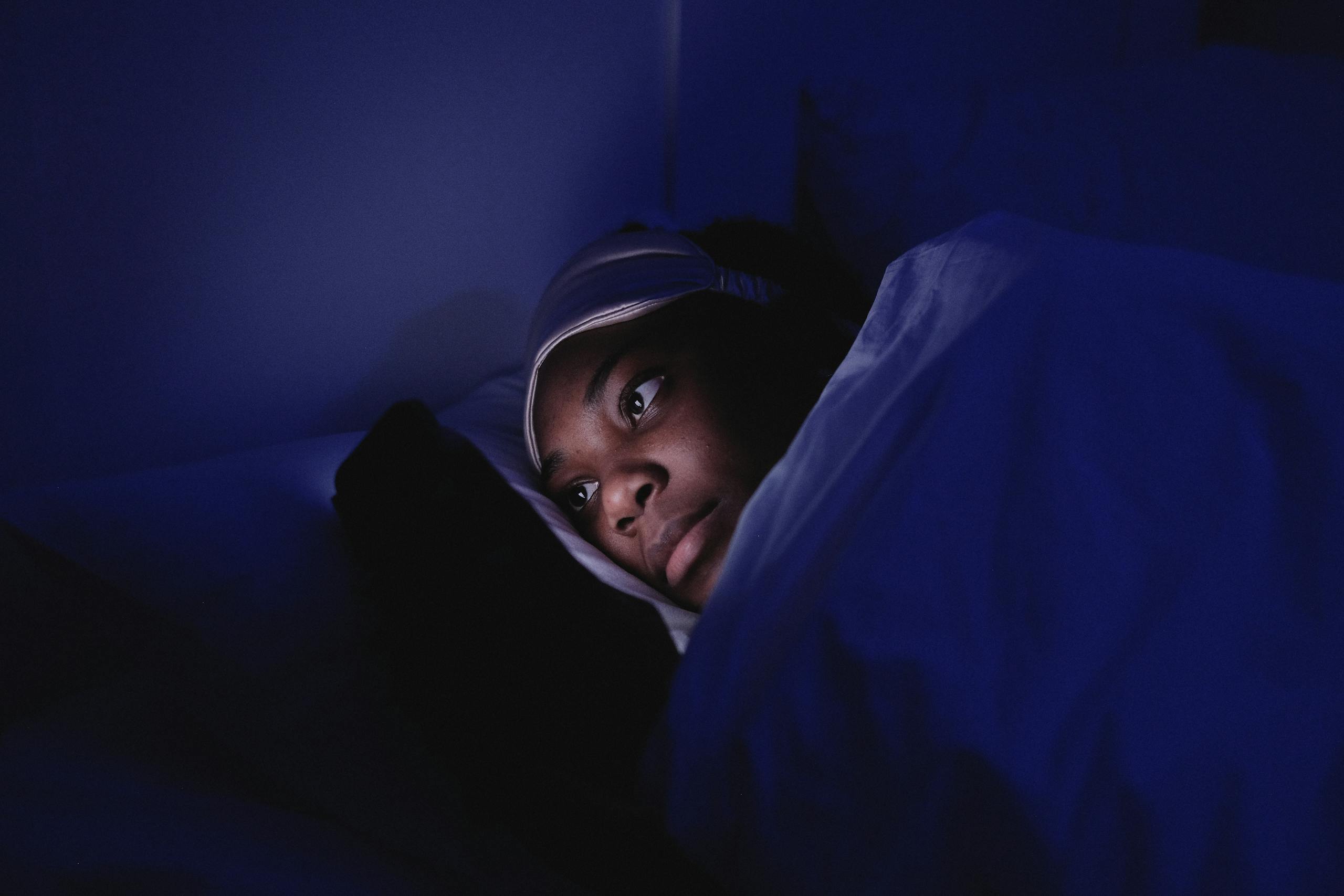
Your eyes do not simply rest behind closed lids all night. During REM sleep, they move rapidly, as if following scenes on an invisible screen. From the outside, it can look eerie. The sleeper appears still, but the eyes move under the eyelids while the brain becomes highly active.
This is the stage most strongly associated with vivid dreaming, emotional processing, and memory activity.
REM sleep is part of a larger pattern. You cycle through different stages across the night, with brain activity, muscle tone, breathing, and heart rate changing along the way. This is why sleep is much more active than it looks.
Your body may be tucked under the blanket, but your brain is sorting, replaying, strengthening, and filing pieces of the day. Some dreams are meaningful. Some are nonsense. Some are the mental equivalent of dumping every junk drawer onto the floor.
Sleep is described as a complex dynamic process, which explains why the brain does not simply shut down. It changes states. It processes information. It helps regulate memory and emotion. You may forget your dream by breakfast, but your brain still did the overnight paperwork.
Your brain uses the night for cleanup and repair.
The most important thing your body does while you sleep may also be the least visible. While you are unconscious, your body is working on repair, immune activity, metabolism, hormone regulation, memory processing, and emotional balance.
Sleep is not wasted time. It is maintenance time. The problem is that people often treat it like the first thing to cut when life gets busy.
Poor sleep can affect far more than mood. It can change concentration, reaction time, decision-making, appetite, stress response, and long-term health. That is why bad sleep can make a person feel like their whole body is running on cheap batteries.
You may be awake, but everything feels slower, heavier, and more irritating than it should. The body uses sleep to reset systems that daily life keeps straining.
Sleep deficiency has been linked with many chronic health problems, which is why sleep should not be treated like a luxury or a weakness. The strange behaviors of sleep may seem creepy, but many of them are part of a larger system that helps keep you alive and functional. Your body is not doing nothing in the dark. It is quietly trying to repair the damage of being awake.
When strange sleep becomes a reason to pay attention
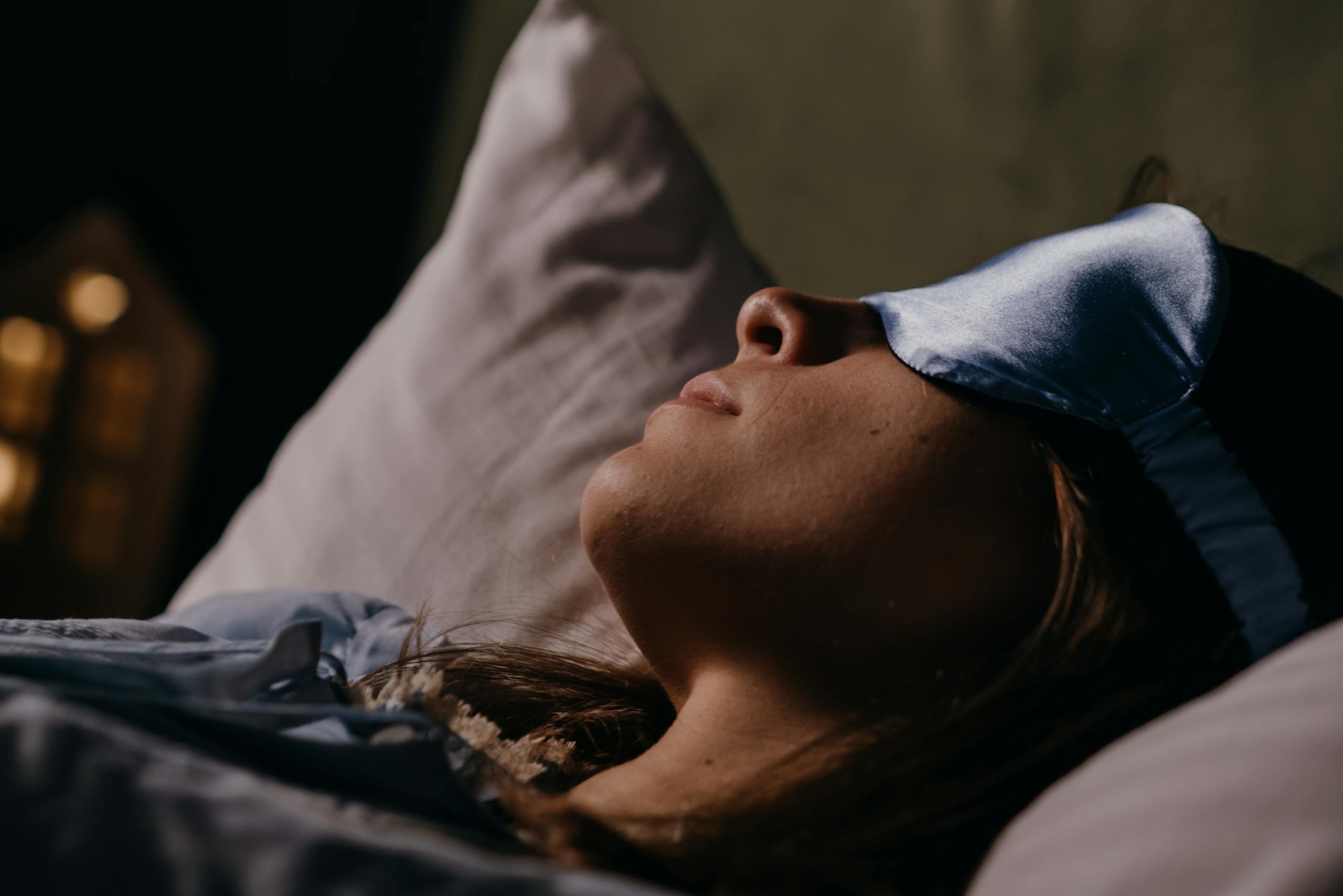
Most weird sleep experiences are harmless when they happen occasionally. A random twitch, a strange dream, a little drool, a sweaty night, or one dramatic jolt before sleep can happen to healthy people. The body is not a perfectly silent machine. It makes adjustments, sends signals, changes stages, and sometimes acts like a roommate with terrible timing.
Still, patterns matter. Frequent choking or gasping, violent dream movements, regular sleep paralysis, severe teeth grinding, repeated night sweats, chest pain, fainting, extreme daytime sleepiness, or waking up exhausted after enough hours in bed should not be brushed aside.
Sleep is supposed to restore you. If it keeps leaving you scared, sore, breathless, or drained, it may be time to get help.
The goal is not to panic over every odd night. It is to know the difference between normal weirdness and a signal that deserves attention. Your body can be strange and still healthy. But when the strange thing becomes frequent, painful, dangerous, or disruptive, it should not be treated like a funny bedtime story forever.
Key takeaway
The disturbing things your body does while you sleep are often signs that your body is working, protecting, adjusting, or processing. Muscle jerks can happen as you drift off. Dreams can stir your nervous system.
Your jaw can grind without permission. Your breathing can become noisy. Your temperature can shift. Your eyes can race behind closed lids. Your brain can clean up emotional and mental leftovers from the day.
Most of it is normal. Some of it is useful. A few signs can be warnings. That is what makes sleep so fascinating. You are not simply lying there doing nothing. You are trusting your body to manage a complicated overnight operation without your supervision.
The next time you wake up startled, sweaty, sore, or confused, remember that sleep is not empty space. It is one of the busiest biological performances your body gives, and you are barely conscious of any of it.