Americans Are Walking Away From Car Leases as Higher Costs Change How Drivers Buy Vehicles
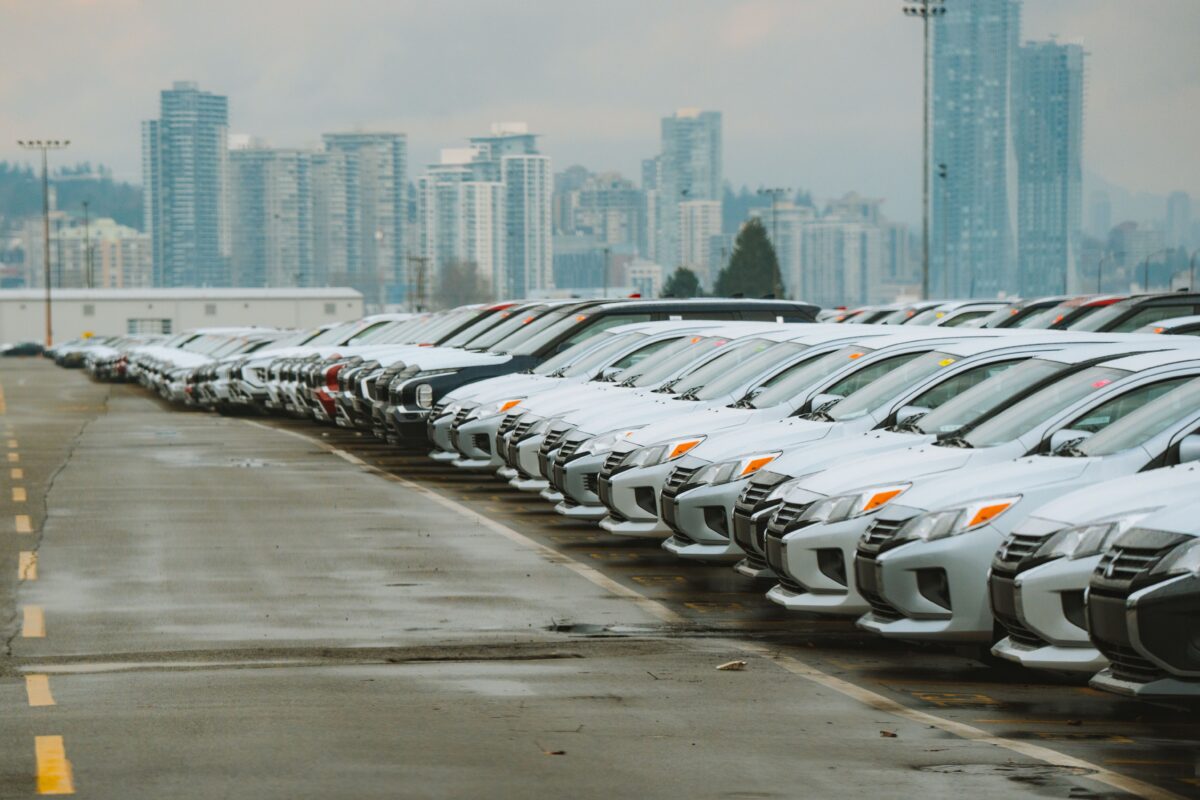
For years, leasing a new car was an easy way for drivers to get behind the wheel of a newer model without taking on long-term ownership costs. Lower monthly payments, frequent access to newer technology, and the ability to switch vehicles every few years made leasing attractive for many consumers.
Now, that equation is changing.
Fewer Americans are choosing to lease vehicles, creating a shift in one of the auto industry’s most familiar financing options. According to Reuters, leasing has declined as consumers face a different car market shaped by higher prices, changing incentives, and a renewed focus on long-term ownership.
The change reflects a broader question facing millions of drivers: Is it still worth paying for temporary access to a vehicle when owning one may provide more value over time?
For many households balancing housing costs, insurance bills, and everyday expenses, the decision between leasing and buying has become less about convenience and more about financial survival.
The Monthly Payment That Once Made Leasing Attractive Is Losing Its Appeal
Leasing traditionally appealed to drivers who wanted predictable payments and the chance to upgrade regularly. Instead of purchasing a vehicle outright, customers signed agreements allowing them to use a car for a set period, usually returning it at the end of the lease term.
The arrangement often worked well for people who valued driving newer vehicles without worrying about long-term maintenance.
But the auto market has changed significantly since the years when leasing reached peak popularity. Vehicle prices remain much higher than they were before the pandemic, and financing costs have increased as interest rates have moved higher.
For many consumers, the gap between leasing and buying has become less obvious.
Some drivers who once preferred leasing are now choosing to keep vehicles longer. Holding onto an existing car can help avoid the higher costs associated with replacing a vehicle in today’s market.
Car Buyers Are Becoming More Focused on Long-Term Value

The decline in leasing reflects a change in consumer behavior.
Many Americans who previously returned vehicles every few years are now looking at cars differently. Instead of viewing a vehicle as something they regularly replace, more drivers are treating it as a long-term investment.
Affordability concerns have influenced that shift.
New vehicles have become increasingly expensive, and monthly payments have grown larger for many buyers. For households already dealing with rising costs in areas such as insurance, groceries, and housing, adding a new vehicle payment can require careful planning.
Keeping a paid-off vehicle for several more years has become an appealing option for some drivers because it removes one major monthly expense.
Automakers Are Feeling the Impact of Changing Leasing Habits
The decline in leasing does not affect consumers only. It also creates challenges for automakers and dealerships that have historically relied on lease returns to maintain a steady supply of used vehicles.
Leased vehicles often return to dealerships after a few years, creating a pipeline of newer used cars that can be resold.
When fewer people lease, fewer vehicles come back into the used-car market through that channel.
That can influence dealership inventory strategies and how manufacturers approach incentives designed to attract buyers.
Automakers have increasingly adjusted their strategies as the market changes, focusing on different financing offers and customer incentives to encourage sales.
Electric Vehicles Changed the Leasing Conversation
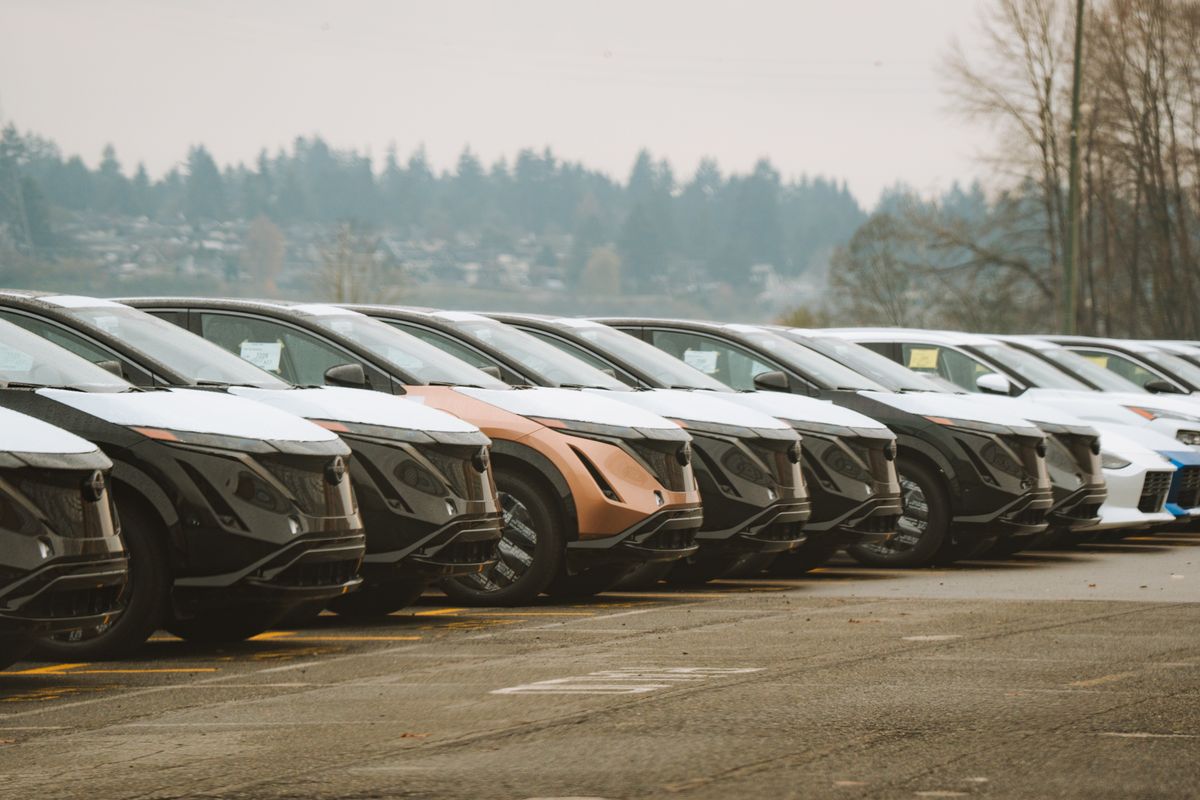
The leasing market has also been affected by the rise of electric vehicles.
Electric vehicles have experienced rapid changes in technology, pricing, and battery development as the market continues to evolve. For some consumers, leasing can reduce concerns about owning an older electric model as newer technology arrives.
However, EV leasing decisions have also been affected by changing incentives, vehicle prices, and uncertainty about future resale values.
Some drivers may prefer leasing because they want flexibility as the electric vehicle market continues developing. Others may avoid leasing because they want to maximize the value of their purchase over many years.
The result is a more complicated market where consumers are weighing technology, cost, and personal driving habits.
Dealerships Are Adapting to a New Type of Customer
Car dealerships have had to adjust as buyers become more cautious.
In previous years, some customers entered showrooms focused mainly on getting the newest vehicle with the lowest possible monthly payment. Today, many shoppers arrive with a different priority: understanding the total cost of ownership.
That includes looking at insurance, repairs, fuel costs, depreciation, and financing terms.
The modern car buyer is often more research-driven, comparing options before making a decision.
Dealerships are responding by changing how they present financing options and how they communicate value to customers who may be less interested in switching vehicles frequently.
The Used-Car Market Could Feel the Effects
The decline in leasing reflects changing consumer preferences and market conditions.
Lease returns have historically contributed to used-car supplies because vehicles typically come back after two or three years. Those vehicles often become options for buyers looking for newer cars at lower prices.
If fewer vehicles enter the used market through leases, dealerships may need to find other ways to maintain inventory.
That could influence used-car prices and availability in the future.
However, the overall impact depends on several factors, including vehicle production levels, consumer demand, and broader economic conditions.
What Drivers Should Consider Before Choosing Their Next Vehicle
The decline in leasing does not mean leasing is disappearing.
For some drivers, leasing still makes financial sense. People who prefer newer vehicles, drive predictable mileage, or want to avoid long-term maintenance responsibilities may still find value in lease agreements.
Buying may work better for drivers who plan to keep a vehicle for many years and want to build ownership value over time.
The right choice depends on personal circumstances, including budget, driving habits, and long-term plans.
Experts often recommend comparing the full cost of each option rather than focusing only on the monthly payment.
A lower payment does not always mean a lower overall cost.
A Changing Auto Market Reflects Changing American Priorities
The decline in car leasing represents more than a shift in financing choices. It reflects how Americans are adapting to a more expensive and uncertain economic environment.
A vehicle has always represented freedom and independence, but the way people pay for that freedom is changing.
For some drivers, leasing once offered the easiest path to a newer car. Today, many are asking a different question: How can they make their vehicle choice stretch further?
That question is reshaping the relationship between drivers, dealerships, and automakers. As the auto industry continues to evolve, the traditional idea of regularly upgrading to a new vehicle may become less common for many Americans.