Iran-Linked Video Targeting Melania and Barron Trump Raises Security Concerns Amid Rising US Tensions
A video reportedly released by an Iran-linked media outlet has sparked fresh security concerns after appearing to target First Lady Melania Trump and her son Barron Trump. The clip, which reportedly included references to Melania Trump’s movements, public appearances and security arrangements, surfaced during a period of already heightened tensions between Washington and Tehran.
The incident has drawn attention not only because of the individuals mentioned, but also because it highlights a growing challenge facing governments around the world: the use of digital propaganda as a tool for intimidation. U.S. security officials are now monitoring the situation as authorities evaluate whether the material represents political messaging, psychological warfare or a more serious threat.
Iran Linked Outlet Releases Controversial Video Targeting Trump Family
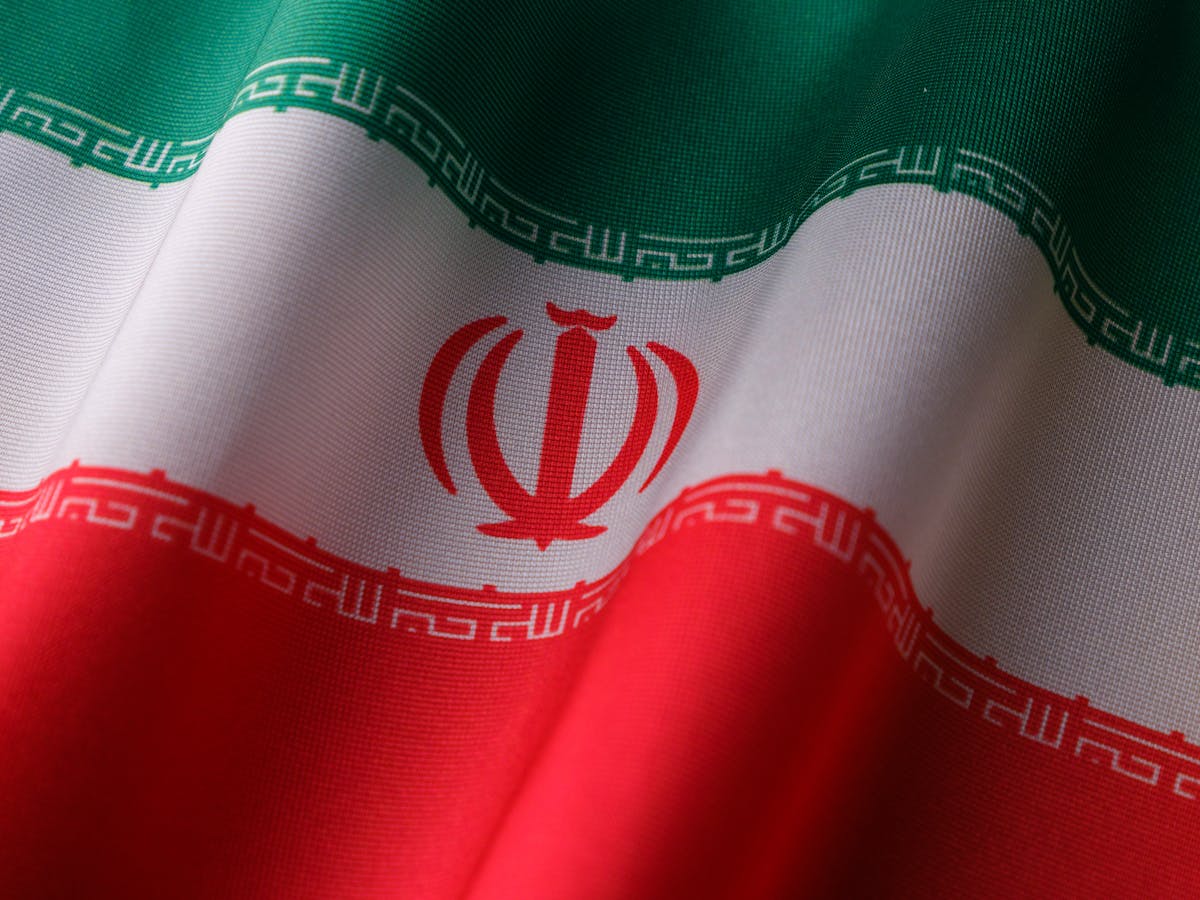
The reported video was published by Tasnim News Agency, an outlet that has been described by multiple reports as closely connected to Iran’s Islamic Revolutionary Guard Corps. The clip reportedly focused on First Lady Melania Trump and included the title “How to Kill Melania Trump,” while showing images and information related to her public movements.
The release immediately attracted attention because it involved members of the Trump family during a period of increased hostility between the United States and Iran. The video reportedly followed a similar pattern to previous propaganda material directed at President Donald Trump, using personal details and imagery to send a threatening political message.
Security Officials Must Separate Propaganda From Real Threats
One of the biggest challenges for security agencies is determining whether threatening content is designed primarily for intimidation or whether it indicates a genuine operational risk. A disturbing video alone does not automatically confirm that an attack is planned, but officials examine several factors, including the source, the details included, and the timing of the message.
The Secret Service routinely evaluates threats against protected individuals by looking for warning signs that go beyond online statements. Security professionals consider whether information could be used to identify vulnerabilities, whether the material encourages violence, and whether additional intelligence suggests a possible danger.
Why Threats Against Presidential Families Receive Immediate Attention
Although presidential family members are not always involved in government decisions, they often remain targets because they are closely associated with the political figure an adversary wants to influence. Security agencies protect immediate family members because attackers may attempt to use relatives as symbolic targets during political conflicts.
Melania Trump and Barron Trump have maintained a more private public presence compared with other members of the Trump family, but their connection to the presidency places them within a broader security environment. Threats against family members can create challenges because protection teams must balance public appearances, privacy, and safety.
Iran Has Used Digital Propaganda as a Tool of Political Messaging
The reported video fits into a broader pattern of governments using online platforms to project power and influence public perception. Digital propaganda allows states and state-linked organizations to send messages globally without relying on traditional military actions.
Iran has previously used media outlets and online campaigns to criticize American leaders and promote its political messaging. During periods of conflict, these campaigns often become more aggressive as governments attempt to influence audiences, intimidate opponents, and shape international narratives.
The Timing of the Video Adds to US-Iran Tensions
The video emerged during a period when relations between Washington and Tehran were already strained by military confrontations and political disputes. The timing has increased scrutiny because propaganda campaigns often become more visible during moments of international tension.
When countries are engaged in conflict, even symbolic actions can carry strategic meaning. A threatening video can serve multiple purposes, including attempting to create fear, send a warning to opponents, or demonstrate strength to domestic audiences.
Public Information Creates New Security Challenges for High-Profile Figures
Modern security threats are increasingly connected to information that is already available online. Public appearances, travel schedules, photographs, and social media posts can provide details that security teams must carefully monitor.
For political leaders and their families, maintaining visibility while protecting personal safety has become more complicated. Security agencies must constantly assess how publicly available information could potentially be misused by individuals or foreign actors.
The Role of Tasnim News Agency Draws Additional Scrutiny
Tasnim News Agency has attracted attention because of its reported relationship with Iran’s Revolutionary Guard, a powerful military and political organization in Iran. Content published by outlets connected to influential political groups can sometimes reflect broader government messaging strategies.
The reported connection has increased interest in whether the video was simply media content or part of a larger influence campaign. Analysts often examine state-affiliated media activity as part of understanding how governments communicate during periods of conflict.
Social Media Turned the Video Into an International Security Story
The spread of the video demonstrates how quickly digital content can move across borders. Material released in one country can reach millions of people within hours through social media platforms, news coverage and online discussion.
Even when platforms remove content, copies, screenshots and archived versions can continue circulating. This creates challenges for governments and technology companies attempting to limit the spread of threatening or harmful material.
Foreign Influence Campaigns Are Becoming a Growing Security Concern
The incident reflects a broader shift in global conflicts where information campaigns increasingly operate alongside traditional military strategies. Countries now compete not only through weapons and diplomacy but also through online messaging, propaganda and influence operations.
U.S. officials have repeatedly warned that foreign actors may attempt to influence American audiences through digital platforms. Threatening content aimed at political figures represents one part of a larger challenge involving cybersecurity, misinformation and national security.
Trump Family Threats Highlight Broader Risks Facing Political Figures
Donald Trump has faced numerous security threats throughout his political career, including incidents during his campaigns and time in office. As a former and current political figure, his family remains among the most visible targets in American public life.
Threats against political leaders have increased in recent years as polarization and online communication have changed the way individuals and groups express hostility. Security agencies now monitor a wider range of potential risks, from physical threats to digital campaigns.
What Happens Next After the Reported Threat Video
The focus now turns to continued monitoring by U.S. security agencies and whether additional information emerges about the source and purpose of the video. Officials will likely continue assessing whether the material was intended as propaganda, intimidation, or something requiring further action.
The incident shows how modern conflicts extend beyond battlefields. As tensions between the United States and Iran continue, digital threats, online influence campaigns and political messaging are becoming increasingly important parts of international security challenges.
A Digital Warning Sign in a Larger US-Iran Conflict
The reported video targeting Melania and Barron Trump represents more than a single online controversy. It highlights how foreign governments and affiliated organizations can use digital platforms to create pressure, spread messages and attempt to influence public perception.
While officials continue evaluating the seriousness of the threat, the episode demonstrates the changing nature of modern security. Conflicts today are fought not only with military power but also through information, technology and psychological pressure.