10 Things Older Generations Did Better Than Us
Every generation likes to believe it is smarter than the one before it. We have faster phones, sharper tools, better medicine, and access to more information than any human beings in history. Yet, somewhere in the glow of our screens and the noise of modern life, we lost a few valuable habits that older generations practiced almost naturally.
They did not have everything easy. Many lived through wars, recessions, strict social rules, limited choices, and fewer comforts. Still, they built families, homes, communities, and character with a kind of grit many people today quietly admire. Their lives were not perfect, but some of their habits were powerful. Here are 10 things older generations did better than we did.
They Knew How to Wait

Older generations understood patience because life demanded it. They waited for letters, saved money before buying big things, stood in lines without scrolling, and accepted that good results took time. Today, many people want instant replies, instant success, instant romance, instant delivery, and instant happiness. That speed has made life easier, but it has also made frustration grow faster.
Waiting taught them emotional strength. It helped them think before reacting, plan before spending, and value things more deeply once they finally arrived. We live in a world that rewards quick movement, but patience still builds better judgment. Older generations knew that some of life’s best rewards do not come rushing through the door.
They Fixed Things Instead of Replacing Them
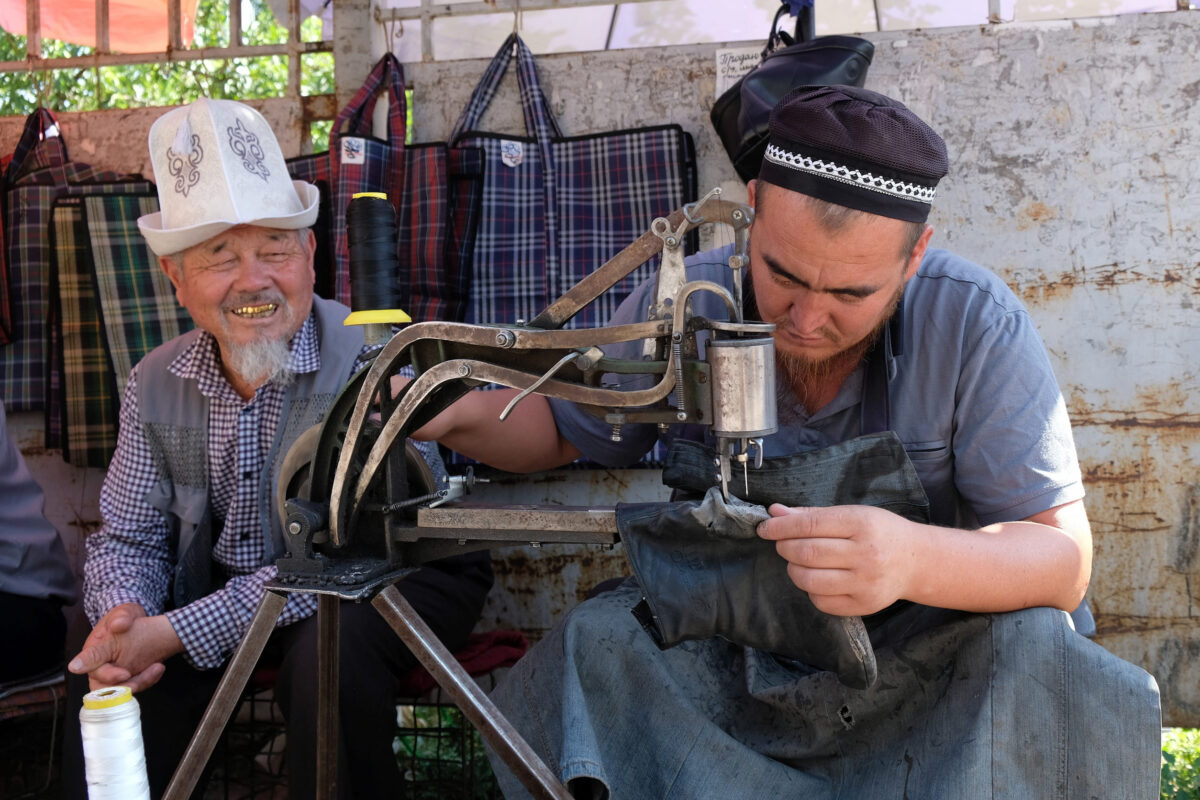
Older generations did not throw something away just because it had a scratch, tear, or missing part. They repaired shoes, patched clothes, fixed radios, sharpened tools, and kept furniture for decades. Today, many people replace items too quickly because buying new often feels easier than repairing old. Convenience has made us less attached to the things we own.
That repair mindset taught creativity and respect. A broken chair was not useless. A worn coat was not worthless. A cracked handle was not the end of the story. Older generations understood that care could extend the life of almost anything, including relationships, homes, and personal dreams.
They Built Stronger Neighborhood Bonds
There was a time when neighbors knew each other beyond a quick wave. People borrowed sugar, watched each other’s children, shared meals, checked on the elderly, and noticed when someone had not been seen for days. Today, many people live beside others for years without knowing their names. Modern privacy has protected personal space, but it has also created quiet isolation.
Older generations treated the community like a safety net. They understood that life becomes easier when people look out for one another. A strong neighborhood could comfort a grieving family, help during illness, and celebrate small wins together. We may have thousands of online followers now, but many people still miss the feeling of being truly known nearby.
They Took Pride in Hard Work

Older generations often saw work as more than a paycheck. Work was tied to dignity, identity, survival, and responsibility. They did not always love their jobs, but many took pride in doing them well. Today, people are more open about burnout and unfair workplaces, which is important, but some have also lost respect for steady effort.
Hard work gave older generations a deep sense of discipline. They understood that dreams were easier to talk about than to build. They showed up, learned skills, made sacrifices, and kept going even when nobody praised them. Their quiet consistency is something modern ambition could learn from.
They Had Better Face-to-Face Conversations
Older generations knew how to sit across from someone and talk without checking a screen every few minutes. They listened to stories, argued at dinner tables, gave advice on porches, and allowed conversations to breathe. Today, many people communicate quickly but not always deeply. Messages are shorter, attention is thinner, and silence often feels uncomfortable.
Face-to-face conversation helped them read emotion better. They noticed tone, facial expression, hesitation, and body language. They did not need emojis to understand when someone was hurt, proud, angry, or afraid. Modern communication is fast, but older conversations often carried more warmth.
They Saved Before They Spent
Older generations were often more careful with money because they had fewer safety cushions. Many saved for furniture, appliances, weddings, homes, and emergencies before spending heavily. Today, easy credit, payment plans, and online shopping make it tempting to buy first and worry later. Modern life is expensive, but impulsive spending has made financial stress even heavier.
Their saving habits were not glamorous, but they were wise. They understood that money should serve the household, not control it. A little restraint gave them peace, options, and confidence during hard times. We may have more financial tools now, but many older people had stronger financial discipline.
They Respected Privacy More
Older generations did not broadcast every argument, meal, holiday, heartbreak, and achievement to the world. They kept family matters inside the family, protected personal struggles, and understood that not every moment needed an audience. Today, people often share pain before they have processed it and success before they have secured it. Public attention can feel exciting, but it can also make life emotionally noisy.
Privacy gave older generations room to grow quietly. They could make mistakes without being judged by strangers. They could heal without turning pain into content. They could enjoy love, friendship, and family without performing it for approval. Some parts of life become more meaningful when they are not posted for everyone to see.
They Raised Children With More Boundaries
Older generations were often stricter, sometimes too strict, but they understood the value of boundaries. Children were expected to greet adults, help with chores, respect time, and learn responsibility early. Today, many parents are more emotionally aware, which is a good thing, but some struggle to set limits without feeling guilty. The result is often confusion for both children and adults.
Boundaries taught older children that life did not revolve around their every mood. They learned patience, manners, contribution, and consequences. A loving home still needs rules. Older generations may not have always explained feelings well, but they often understood that discipline and love should live in the same house.
They Valued Simple Pleasures
Older generations found joy in things that did not require constant upgrades. A family meal, a clean home, Sunday clothes, radio music, a garden, a long walk, or a visit from relatives could feel special. Today, many people are surrounded by entertainment yet still feel bored. We have more options, but sometimes less satisfaction.
Simple pleasures made life feel grounded. Older generations did not need every moment to be dramatic, expensive, or picture perfect. They knew how to enjoy ordinary days without turning them into competitions. Their happiness often came from presence, not performance.
They Stayed Tough During Hard Times

Older generations faced hardship with fewer tools, fewer conversations about mental health, and fewer public support systems. That does not mean they were never afraid or broken. It means many learned to keep moving because life gave them little choice. Today, people are better at naming pain, but sometimes weaker at enduring discomfort.
Their toughness came from practice. They survived loss, uncertainty, financial trouble, family pressure, and social change. They did not expect life to be easy, so they were less shocked when it became difficult. Modern people do not need to copy their silence, but we can learn from their endurance.