10 Most Dangerous Men to Ever Walk the Earth
Some men become dangerous because they carry weapons. Others become far more terrifying because they control armies, governments, borders, prisons, propaganda, and fear itself. History’s most dangerous men were not always the loudest in the room, but they knew how to bend entire nations toward cruelty.
This list is not about admiring power. It is about understanding how one man’s ambition, paranoia, hatred, or hunger for control can leave millions of people buried under the weight of his choices. These men turned politics into punishment, war into identity, and human life into something cheap.
Adolf Hitler
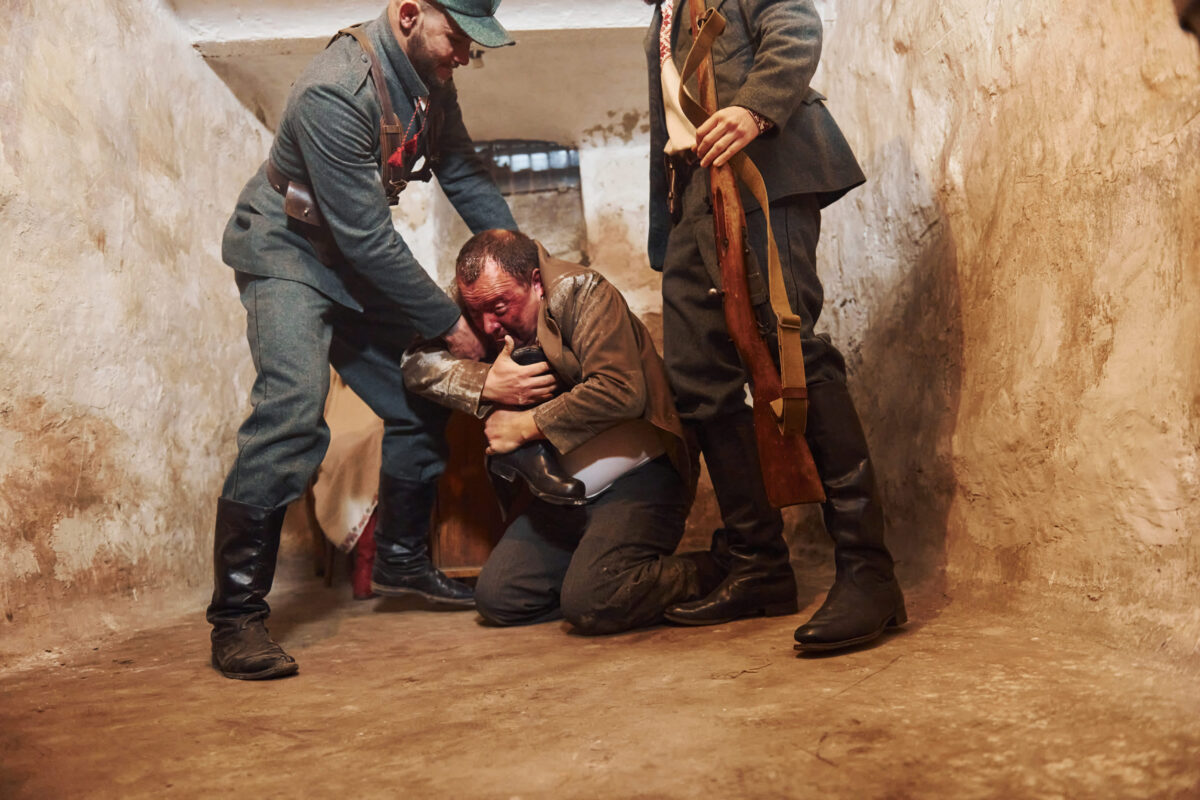
Adolf Hitler remains one of history’s clearest warnings about what happens when hatred gains a flag, a uniform, and a microphone. As the leader of Nazi Germany, he built a regime around racism, conquest, and extermination, dragging Europe into the Second World War and turning state machinery into an engine of mass murder.
His danger came from more than military aggression. Hitler understood emotion, grievance, and propaganda, and he used them to convince ordinary people that cruelty was patriotic. The Holocaust, the war in Europe, and the destruction left behind by Nazism made his name a permanent symbol of organized evil.
Joseph Stalin

Joseph Stalin ruled the Soviet Union with a coldness that made fear part of daily life. His power did not depend only on armies. It depended on suspicion, informants, prison camps, forced labor, purges, and the constant threat that anyone could be named an enemy of the state.
Under Stalin, millions suffered through famine, executions, deportations, and the Gulag system. He created a world where loyalty was never enough, innocence was no protection, and silence could still be dangerous. His rule proved that terror can become a government policy when one man treats human beings as disposable tools.
Mao Zedong
Mao Zedong reshaped China, but the human cost of his rule was staggering. His campaigns promised national strength, equality, and revolutionary renewal, yet many of them produced hunger, persecution, violence, and social chaos on a devastating scale.
The Great Leap Forward became one of the deadliest policy disasters in modern history, with famine spreading through communities already trapped by political pressure and impossible production demands. Later, the Cultural Revolution turned students, workers, families, and officials against one another. Mao’s danger came from the power to turn ideology into a storm that ordinary people could not escape.
Pol Pot
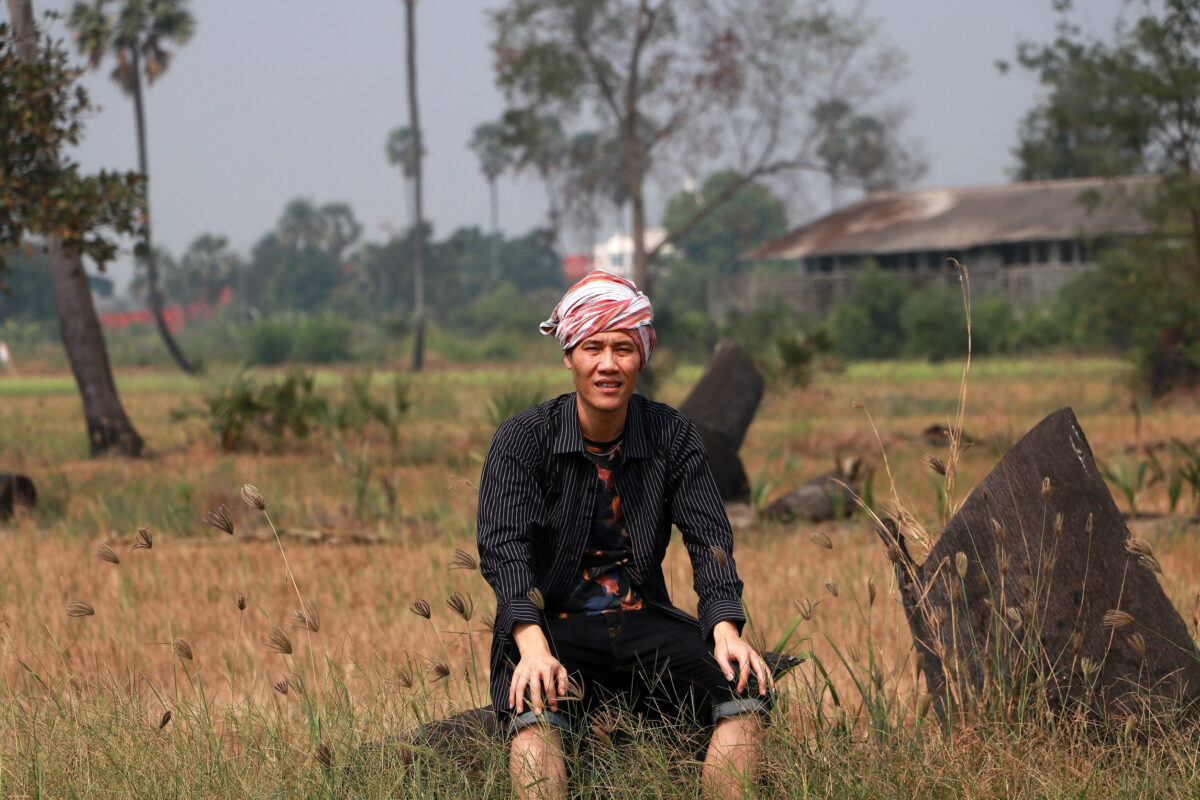
Pol Pot did not rule a superpower, but his cruelty was so extreme that Cambodia became one of the darkest chapters of the twentieth century. As leader of the Khmer Rouge, he tried to remake society by force, emptying cities, destroying families, targeting educated people, and turning the country into a brutal labor camp.
His vision was simple and horrifying. Anyone who did not fit the revolution could be starved, beaten, imprisoned, or killed. In only a few years, Cambodia lost a huge portion of its population. Pol Pot showed that danger does not need a large empire. It only needs total control and a murderous dream.
Genghis Khan
Genghis Khan was one of history’s most successful conquerors, but his rise came with enormous destruction. He united Mongol tribes and built an empire that stretched across vast parts of Asia and beyond, using speed, strategy, discipline, and terror as weapons.
His armies could be brilliant, organized, and ruthless at the same time. Cities that resisted Mongol conquest often faced horrifying consequences, and entire regions were shaken by his campaigns. Genghis Khan’s danger came from his ability to turn mobile warfare into a force that could crush kingdoms before they understood what had arrived.
King Leopold II
King Leopold II of Belgium is dangerous in a different way because he hid mass suffering behind the language of civilization and business. His personal control of the Congo Free State became a nightmare of forced labor, violence, mutilation, and extraction.
The pursuit of rubber and wealth turned millions of Congolese lives into fuel for European profit. Leopold did not need to stand on every battlefield to be deadly. He built a system where cruelty was rewarded, bodies were counted as production costs, and distant suffering was hidden behind polished royal image-making.
Timur
Timur, also known as Tamerlane, carved his name across Central Asia, Persia, India, and the Middle East through relentless military campaigns. He was a conqueror who understood the psychology of fear and used spectacle to make resistance feel hopeless.
His armies destroyed cities, crushed rivals, and left behind stories of massacres that traveled faster than soldiers. Timur’s danger rested in his ability to mix military genius with theatrical brutality. He did not simply want to defeat enemies. He wanted survivors to remember what defiance cost, which made his empire feel like it was built on both steel and terror.
Hideki Tojo

Hideki Tojo was one of the central figures behind Japan’s militarist expansion during the Second World War. As prime minister during much of the Pacific War, he helped drive a system that treated conquest as destiny and sacrifice as proof of loyalty.
Japan’s wartime campaigns brought immense suffering across Asia and the Pacific, including civilian massacres, prisoner abuse, forced labor, and harsh occupation policies. Tojo’s danger came from his role in turning military ambition into national direction. Under leaders like him, war became more than a strategy. It became a total demand placed on soldiers, civilians, and conquered populations.
Saddam Hussein
Saddam Hussein ruled Iraq through fear, surveillance, violence, and personality cult politics. His regime punished dissent brutally and drew the country into devastating conflicts, including war with Iran and the invasion of Kuwait.
Inside Iraq, his government was linked to mass repression, chemical attacks, disappearances, torture, and campaigns against Kurdish communities. Saddam’s danger came from the way he fused personal survival with national power. He treated the state as his fortress, the army as his shield, and citizens as subjects who could be crushed if they threatened his rule.
Osama bin Laden
Osama bin Laden never ruled a country, yet his danger spread across borders. As the founder of al Qaeda, he helped shape a form of modern terrorism designed to create fear far beyond the immediate victims of an attack.
The September 11 attacks made his name infamous around the world and changed global politics, security, war, surveillance, and foreign policy for decades. Bin Laden’s danger came from his ability to inspire networks, recruit followers, and turn extremist ideology into violence aimed at civilians. He showed how one man with a deadly vision could reshape the fears of an entire generation.