13 Airbnb Cleanliness Mistakes That Make Guests Think Your Rental Is Dirty
A guest does not need to find a major disaster to conclude that an Airbnb is unclean. A single strand of hair on the shower floor, fingerprints on mirrors, a greasy stovetop, dusty shelves, or a stale smell lingering at the door can create a lasting negative impression. Cleanliness is experienced emotionally before it is judged logically, and guests form opinions within minutes of entering. Their perception of cleanliness often colours every other aspect of the stay, from comfort and safety to their willingness to leave a glowing review.
Because of this, Airbnb cleanliness is far more than wiping counters and changing sheets. It is about creating trust, evoking comfort, maintaining odour control, maximising light and visibility, attending to order and maintenance, and perfecting the subtle details weary travellers notice. Hosts who consistently achieve higher guest satisfaction understand that a clean home is a combination of visible hygiene, functional amenities, and the intangible sense of care that signals the property is ready for their arrival.
The Bathroom Looks Used Instead of Reset

Bathrooms are the quickest space for guests to lose confidence. A shower with lingering hair, toothpaste marks on the sink, a cloudy glass door, damp towels, soap scum, or even a faint toilet odour can immediately suggest neglect. Guests read the bathroom as a barometer for the rest of the property; if the bathroom is perceived as dirty, other areas are judged more harshly.
Hosts should treat bathrooms as high-stakes presentation zones. Scrubbing toilet bases, polishing taps, removing hard-water marks, cleaning behind doors, and emptying bins are essential. Mirrors must be streak-free, towels neatly folded and untouched, and toiletries replenished with care. Every guest enters the bathroom expecting a reset experience, and anything less risks leaving a negative impression before the stay even begins.
Bedding Does Not Smell Fresh
Bedding communicates comfort and safety more powerfully than any other part of a rental. Guests are quick to notice sheets with body odour, dampness, or subtle staining. Even freshly laundered sheets can feel off if they appear wrinkled, worn, mismatched, or overused. Bedding issues are consistently cited as a primary reason for negative reviews across short-term rental platforms.
Hosts must treat linens as high-value assets. Wash them at appropriate temperatures, dry fully, and store them in clean, odour-free spaces. Mattress protectors, pillow protectors, duvets, and blankets should be routinely inspected for wear, stains, or lingering odours. Replacement is always preferable to masking a bedding issue; the tactile and olfactory first impression is critical to establishing guest trust and perceived cleanliness.
The Kitchen Feels Greasy

Kitchens are scrutinised more than any other room because guests associate them with food safety. Even if floors are spotless, grease on cupboard handles, crumbs in drawers, fingerprints on appliances, and food residue in the fridge or microwave can make a kitchen feel unkempt. This not only impacts the kitchen experience but also casts doubt on the cleanliness of the entire property.
Hosts should adopt a layered cleaning approach. Start by removing visible mess from countertops and sinks, then clean touchpoints like appliance buttons, drawer interiors, cupboard handles, splashbacks, and bins. Even minor oversights, such as an unemptied trash can or a dusty kettle, communicate neglect. A truly clean kitchen sends a strong signal that the home is well-maintained and ready for responsible use by guests.
Dust Shows Up in the Wrong Places
Dust is an invisible cleanliness killer. It collects in corners, on lampshades, skirting boards, ceiling fans, window sills, headboards, shelves, artwork frames, vents, and electronics. Guests often subconsciously detect dust; its presence can dramatically undermine the perception of a thoroughly cleaned property.
Hosts must incorporate dusting into every turnover. High and low surfaces, hidden corners, and less obvious areas should be addressed systematically. Microfiber cloths, extendable dusters, and a meticulous final sweep ensure that the guest experience aligns with expectations. Even small dust accumulations can erode guest confidence in an otherwise tidy rental.
Floors Feel Sticky, Gritty, or Unfinished
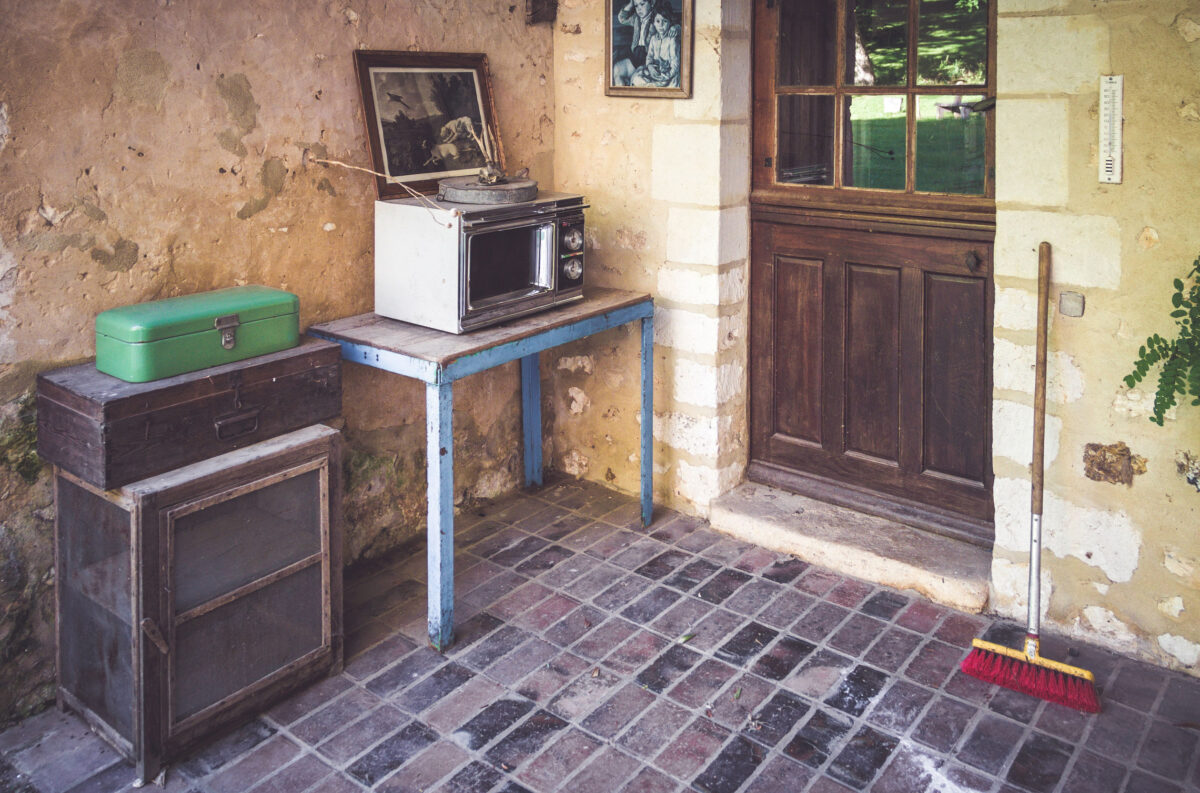
Guests assess floors both visually and physically. Crumbs underfoot, sand by entrances, sticky kitchen tiles, pet hair on rugs, and dirty high-traffic zones immediately suggest inadequate cleaning. Dirty floors create discomfort and highlight other overlooked areas, shaping the overall perception of neglect.
Effective cleaning starts with a strategic vacuum before mopping. Corners, under beds, behind doors, and under chairs should be prioritised. Rugs and carpets require regular deep cleaning and spot treatments to maintain freshness, while hard floors should feel smooth and residue-free. Consistently maintained floors reinforce the impression of a property that is cared for in every detail.
The Property Smells Stale at the Door
Smell influences the guest experience more immediately than sight. Stale air, lingering cooking odours, dampness, pet smells, traces of cigarette smoke, or blocked drains can cause discomfort. Guests read smell as an indicator of overall hygiene, and even a visually clean home can be compromised by poor odour management.
Hosts should aim for neutral freshness. Air out the property between stays, remove trash promptly, clean drains, and ensure soft furnishings are odour-free. Artificial fragrances should be used sparingly, as guests often interpret heavy scents as attempts to mask underlying problems. Addressing sources of odour rather than masking them fosters a sense of trust and comfort from the moment a guest steps inside.
Windows and Mirrors Look Smudged

Glass surfaces expose shortcuts instantly. Fingerprints on mirrors, streaked shower doors, dusty window ledges, and smudged balcony doors can make a home look dirty, despite other cleaning efforts. Natural light is a powerful ally in showcasing a rental, and dirty glass negates its benefits.
Hosts should polish all mirrors, shower screens, internal glass, balcony doors, and windows during each turnover. Clean windows not only enhance aesthetics but also improve the perceived accuracy of listing photos compared to the actual space. Guests notice streaks and smudges more than most hosts anticipate, and neglect here can be costly for reviews.
High-Touch Areas Are Forgotten
Light switches, remote controls, door handles, cupboard pulls, thermostat buttons, stair rails, keys, lockboxes, and hairdryers are touched repeatedly. These surfaces are quick to accumulate fingerprints, germs, and residue, yet they are frequently overlooked. Missing these areas signals rushed cleaning and raises doubts about overall hygiene.
Hosts should maintain a high-touch checklist and address every point systematically. Wiping these areas prevents negative guest impressions and helps maintain higher cleanliness ratings. These small touches convey diligence and attentiveness, reinforcing confidence throughout the stay.
Hidden Areas Betray the Whole Cleaning Standard
Guests often explore drawers, cupboards, wardrobes, bedside tables, and kitchen cabinets. Crumbs, dust, hair, forgotten items, or clutter in these spaces undermine trust. Even clean main areas cannot compensate for hidden messes that guests inevitably discover.
Hosts must incorporate storage areas into routine cleaning. Drawers and cupboards should be empty or clearly organised, ensuring nothing appears forgotten or dirty. Each hidden corner represents an opportunity to impress or disappoint; consistent attention here elevates the perception of overall cleanliness.
The Exterior Creates a Dirty First Impression

The exterior sets expectations before guests enter. Cobwebs, dusty outdoor furniture, overflowing bins, dead plants, dirty doormats, stained walls, and messy pathways all suggest neglect. A poor first impression predisposes guests to notice minor imperfections indoors.
Hosts should maintain curb appeal with the same rigour applied inside. Sweep entrances, tidy outdoor seating, remove cobwebs, prune plants, and inspect lighting. An attractive and well-maintained exterior primes guests to perceive the interior as clean, organised, and inviting.
Maintenance Problems Look Like Cleanliness Problems
Guests often equate broken or poorly maintained items with dirt. Loose taps, cracked tiles, peeling paint, slow drains, broken blinds, flickering lights, or rusty outdoor furniture signal negligence. Cleanliness and maintenance are intertwined in guest perception.
Hosts should perform routine inspections and promptly repair minor issues. Updating sealant, ensuring furniture stability, and maintaining appliances enhances the overall impression. A property that is both functional and spotless signals care and professionalism.
Old Soft Furnishings Hold Odours and Doubt
Sofas, cushions, curtains, throws, rugs, mattresses, and fabric chairs trap odours and accumulate dust. Even if surfaces are visually clean, lingering smells or heavy fabrics create an impression of neglect. Soft furnishings are critical in homes designed for pets, families, or high turnover.
Hosts should vacuum upholstery, wash cushion covers, rotate throws, steam fabrics, and schedule deep cleaning for rugs and sofas. Decorative items must appear intentional and clean, not merely placed to photograph well. Neglecting soft furnishings compromises the guest’s sensory perception of the property.
The Cleaning Fee Raises Guest Expectations
A visible cleaning fee sets higher expectations. Guests anticipate a professional standard and are less forgiving of crumbs, dust, odours, or missing supplies. Cleaning fees shift the perception of responsibility: guests expect a fully reset home upon arrival.
Hosts should provide realistic, guest-friendly instructions that respect the purpose of the cleaning fee. Turnover cleaning should restore the home entirely, while guest tasks remain minimal. Aligning expectations prevents dissatisfaction and encourages positive reviews.