Death Penalty Under Fire: Why the World Is Moving Away From Capital Punishment
The death penalty remains one of the most controversial punishments in modern justice systems. While some governments still defend it as a tool for deterrence and justice, a growing global movement argues it is outdated, irreversible, and fundamentally incompatible with human rights.
Across continents, the trend is shifting. More countries are abolishing executions, courts are tightening restrictions, and international pressure is increasing. Yet in several nations, capital punishment is still actively used, often in ways critics say raise serious concerns about fairness, discrimination, and state power.
Here’s a clear look at why the death penalty is increasingly being challenged worldwide.
What the Death Penalty Really Means Today

At its core, the death penalty is the legal execution of a person convicted of a crime by the state. Methods vary widely depending on the country and legal system, and include lethal injection, hanging, shooting, beheading, nitrogen gas asphyxiation, and, in some jurisdictions, electrocution.
While supporters often describe these as formal legal procedures, human rights organizations argue that no method can remove the fundamental reality: the state is intentionally ending a human life. What makes capital punishment uniquely controversial is its finality. Once carried out, it cannot be reversed, even if new evidence later proves innocence.
The Biggest Concern: Irreversible Mistakes
One of the strongest arguments against the death penalty is simple but powerful: justice systems are not perfect. Wrongful convictions can and do happen due to false confessions under pressure, flawed forensic evidence, mistaken eyewitness testimony, misconduct by authorities, ineffective legal defense, or political pressure during trials.
In any other sentence, courts can correct mistakes over time. But in death penalty cases, an error becomes permanent. That risk alone is central to why critics argue capital punishment should never exist in any legal system.
Does It Really Prevent Crime?
Governments that retain the death penalty often argue it deters serious crime. But research and global comparisons have repeatedly failed to prove a clear link between executions and lower crime rates.
Violent crime is usually driven by emotional distress, mental health conditions, poverty, inequality, substance abuse, organized crime dynamics, and social instability. In these situations, the possibility of future execution is rarely a meaningful deterrent.
Instead, crime prevention depends more on strong policing and investigation, education and social programs, mental health support, economic opportunity, and effective justice systems. Critics argue that the death penalty focuses on punishment after the fact rather than preventing crime in the first place.
A System That Can Be Unequal

Another major concern is inequality in how the death penalty is applied. Studies and legal reviews in multiple countries show that capital punishment often disproportionately affects people from low-income backgrounds, ethnic and racial minorities, migrants, and individuals without strong legal representation.
The reason is straightforward: death penalty cases require expensive and complex legal defense. Those without resources are more vulnerable to harsh sentencing and weaker legal outcomes. This creates what critics describe as justice shaped by income, where the outcome of a capital trial can depend as much on financial capacity as on the facts of the case.
Death Penalty as a Tool of Power
In some countries, the death penalty is not just a criminal punishment but also a political instrument. Human rights groups have documented cases where capital punishment has been used in contexts involving political dissent, national security charges, public protests, and broad anti-terror laws.
Critics argue that in such environments, the death penalty can create a chilling effect that discourages people from speaking out or challenging authority. When combined with secret trials or limited legal transparency, this raises serious concerns about accountability and abuse of power.
The Global Shift Away From Executions
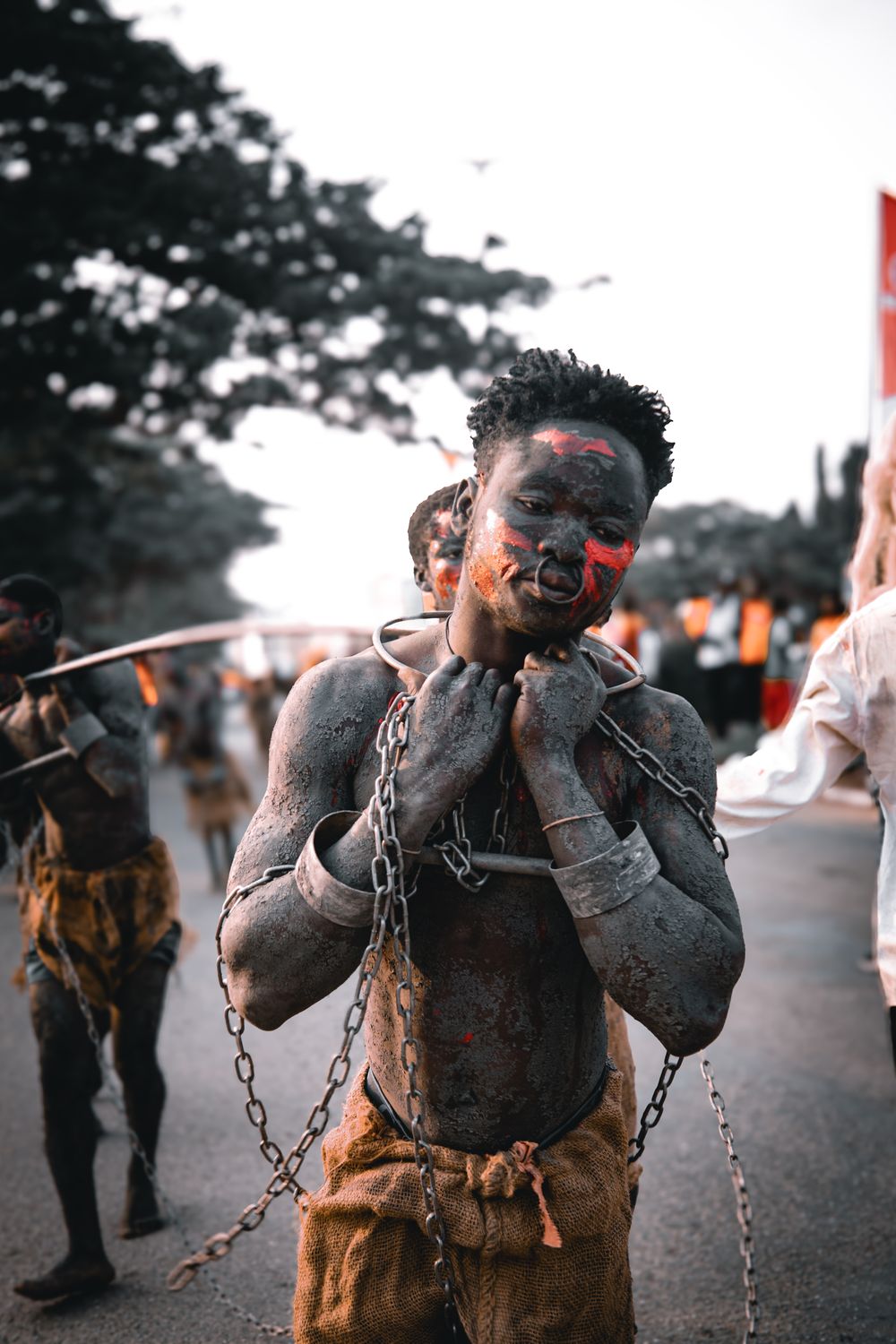
Despite ongoing use in some regions, global momentum is clearly moving away from capital punishment. In the past, only a small number of countries had abolished it, but today more than half of the world’s nations have fully removed the death penalty from their laws, and many others have stopped using it in practice.
International organizations report that execution numbers are concentrated in a small group of states, while most of the world has moved toward restriction, moratoriums, or full abolition. This shift reflects a broader evolution toward human rights-based justice systems and away from irreversible punishment.
Where the Death Penalty Is Still Used
While many countries have moved away from executions, some still actively apply them. Recent global reporting shows high execution activity in a limited number of countries, including China, Iran, Saudi Arabia, Iraq, Yemen, and parts of the United States.
In many of these countries, executions are linked not only to murder cases but also to drug offenses, terrorism charges, or national security-related crimes. This broad application is one of the reasons the death penalty remains controversial internationally, especially where it extends beyond crimes involving intentional killing.
Execution for Non-Violent Crimes
One of the most debated aspects of capital punishment today is its use for non-lethal offenses. In some jurisdictions, the death penalty can be imposed for drug trafficking, economic crimes, political offenses, or religious and moral violations.
Critics argue this goes far beyond the internationally recognized standard that capital punishment should be limited to the “most serious crimes.” Drug-related executions are particularly controversial because they often involve low-level participants rather than major criminal organizers, raising concerns about fairness and proportionality.
Juveniles and Vulnerable Groups
International laws prohibit executing individuals for crimes committed under the age of 18, yet reports have documented rare but serious violations in a small number of countries in recent years.
Concerns also extend to people with intellectual disabilities, individuals with severe mental illness, and defendants who lacked adequate legal representation. These cases highlight the risks of applying irreversible punishment in systems that may not fully account for vulnerability, development, or fairness.
Are Execution Methods Ever “Humane”?
Supporters of capital punishment sometimes argue about making execution methods more humane, but critics say this misses the core issue entirely. Lethal injection, hanging, shooting, gas methods, electrocution, and beheading all raise concerns about suffering, botched procedures, or psychological distress.
Human rights experts argue that no method can remove the ethical problem at the center of the issue, which is the intentional and irreversible act of state killing.
Victims’ Families: A Divided Debate
One of the most emotionally complex aspects of the death penalty is its impact on victims’ families. Some support executions, believing they bring closure or justice, while others oppose them, saying they prolong legal battles and deepen emotional pain.
Many victim advocacy groups now emphasize counseling, long-term support, financial assistance, faster case resolution, and restorative justice approaches. This reflects a growing recognition that justice for victims does not have to depend on execution.
The Alternatives: What Justice Looks Like Without Execution
Countries that have abolished the death penalty typically rely on life imprisonment without parole for the most serious crimes, long-term incarceration, rehabilitation programs where appropriate, restorative justice systems, and stronger prevention strategies.
These approaches aim to maintain accountability while preserving the possibility of correcting legal errors. Unlike capital punishment, they allow justice systems to remain flexible, reviewable, and reversible.
The Bigger Picture: Where the World Is Headed
The global direction is increasingly clear. Fewer countries are using the death penalty, and more are moving toward full abolition. International law, human rights institutions, and public opinion trends all continue to push in that direction.
While the death penalty has not disappeared, its legitimacy is steadily weakening. The central question remains whether any justice system can guarantee perfection when the punishment is irreversible. For an increasing number of countries, the answer is no.