New U.S. Fireworks Rules Ahead of July 4 Bring Fines, Bans, and Possible Arrests
As July 4 celebrations approach, a growing number of US cities and counties are tightening fireworks regulations, turning what is traditionally a night of loud celebration into a more closely monitored public safety issue. Across multiple states, officials are warning that illegal fireworks use could now lead to serious consequences, including fines, confiscation of fireworks, and, in some cases, arrest.
The shift reflects rising concerns about wildfire risk, injury rates, and the strain on emergency services during Independence Day festivities. What was once largely treated as a minor holiday violation is increasingly being enforced as a serious offense.
Crackdown on Fireworks Use Expands Across Multiple States
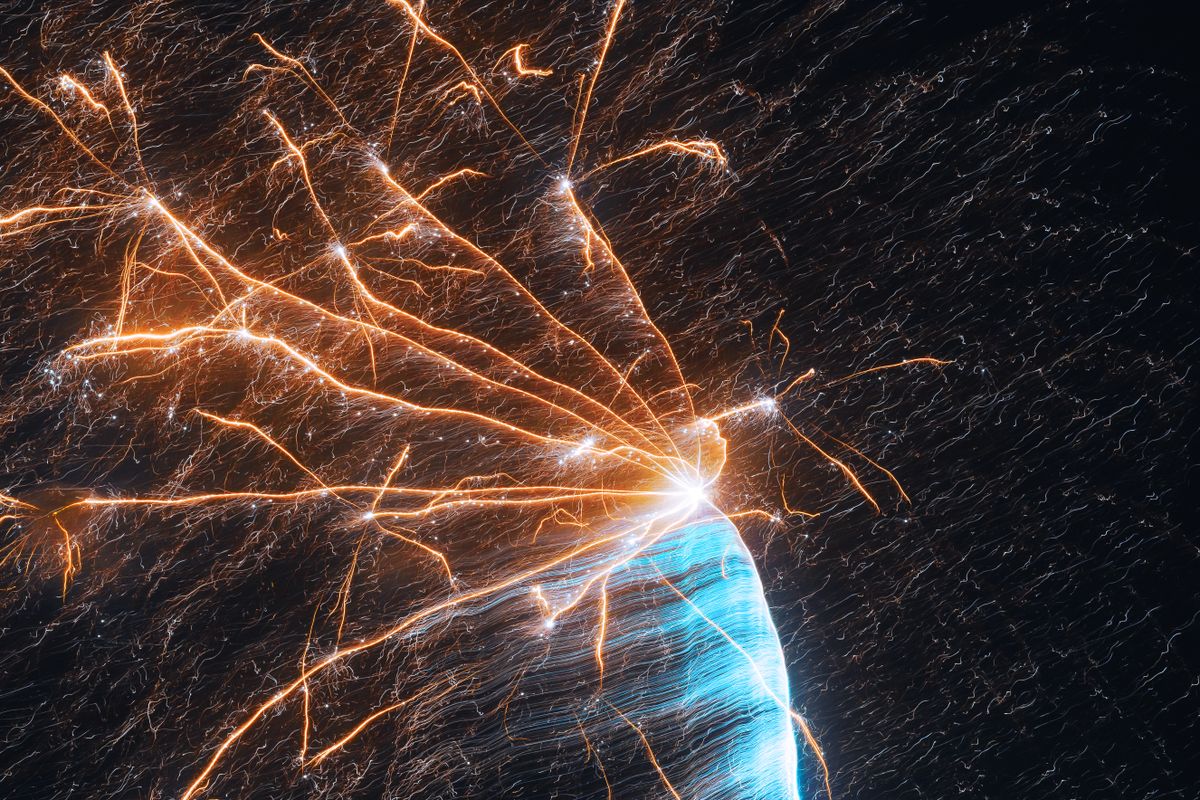
Local governments across the country are introducing stricter controls on fireworks sales and use, especially in areas experiencing dry weather and elevated fire risks. Some communities have implemented temporary bans entirely, while others have increased penalties for illegal use.
In regions of Nebraska’s Panhandle, for example, officials have enforced restrictions due to drought conditions that significantly increase the risk of fast-spreading fires. Authorities have warned residents that violating fireworks bans may result in fines of up to $1,000, confiscation of illegal devices, and legal action in more severe cases.
Other states are reinforcing similar rules through existing public safety laws. In places like California, illegal fireworks use can be treated as a misdemeanor offense, which may carry fines, court appearances, and even jail time depending on the severity of the incident.
Safety Concerns and Wildfire Risks Driving the New Rules
The main driver of tighter enforcement is the increasing risk of wildfires during the summer months. Fire officials in several states have pointed out that dry vegetation, high temperatures, and unpredictable winds can turn a small spark into a large and fast-moving blaze.
Fireworks are repeatedly identified as one of the leading causes of preventable holiday fires. As a result, local authorities are prioritizing prevention over response, aiming to reduce incidents before they occur rather than managing emergencies after they occur.
Emergency services also face added pressure during the July 4 period, when calls for injuries, fires, and disturbances typically spike within a short timeframe. Officials say stricter rules help reduce the burden on firefighters, police, and medical teams during one of the busiest times of the year.
From Warnings to Enforcement: Tougher Penalties in Place

What makes the current wave of regulations notable is the shift from warnings and public reminders to active enforcement. Many jurisdictions are now issuing on-the-spot citations and have expanded police authority to confiscate illegal fireworks during holiday enforcement periods.
In some areas, penalties escalate depending on the severity or repetition of the offense. First-time violations may result in fines, while repeated or dangerous use can lead to more serious legal consequences, including arrest.
Authorities argue that stronger enforcement is necessary to deter risky behavior, especially in communities where fireworks-related accidents have caused property damage or injuries in past years.
A Holiday Tradition Under Pressure
Fireworks have long been a defining feature of Independence Day celebrations, symbolizing national pride and community gatherings. However, that tradition is increasingly being weighed against modern safety concerns.
Supporters of stricter laws argue that public safety must take priority, particularly in regions prone to wildfires or where emergency services are already stretched thin. They say limiting fireworks use reduces preventable harm and protects both property and lives.
Critics, however, argue that broad restrictions can feel excessive and take away from a long-standing cultural tradition. Some residents question why private fireworks use is restricted while professional displays are still permitted in many areas.
This tension between tradition and safety continues to shape how communities approach the holiday.
Growing Consequences for Breaking Fireworks Laws

Across the country, penalties for illegal fireworks use are becoming more visible and more strictly enforced. Depending on the location, consequences may include fines, confiscation of fireworks, mandatory court appearances, and, in some cases, criminal charges.
Authorities emphasize that these measures are not intended to discourage celebration but to prevent emergencies that can escalate quickly during dry summer conditions. Fire departments in particular have warned that even a single illegal firework can trigger a chain of events requiring large-scale emergency response.
As enforcement increases, officials are also urging residents to attend licensed public fireworks displays rather than use personal fireworks at home.
A More Regulated Independence Day Landscape
The growing patchwork of fireworks rules across the United States reflects a broader shift in how Independence Day is being managed at the local level. Instead of a uniform national approach, regulations now vary widely depending on environmental conditions and regional risk factors.
For many Americans, this means July 4 celebrations will depend not just on tradition, but on local laws that are becoming stricter each year. What remains unchanged is the goal shared by most communities: celebrating safely while preventing avoidable harm during one of the country’s most widely observed holidays.