10 Simple Tips for Making Better Banana Bread Every Time
The smell of banana bread baking is comforting. That golden crust, soft center, and sweet banana flavor can turn a few overripe bananas into something worth looking forward to. But even a simple recipe can go wrong, leaving you with a dry loaf, a sunken middle, or a dense texture.
The good news is that better banana bread doesn’t require expensive equipment or professional baking skills. Small changes in how you choose ingredients, measure flour, and handle the batter can make a noticeable difference. Here are 10 practical tips to help you get better results.
Use Really Ripe Bananas
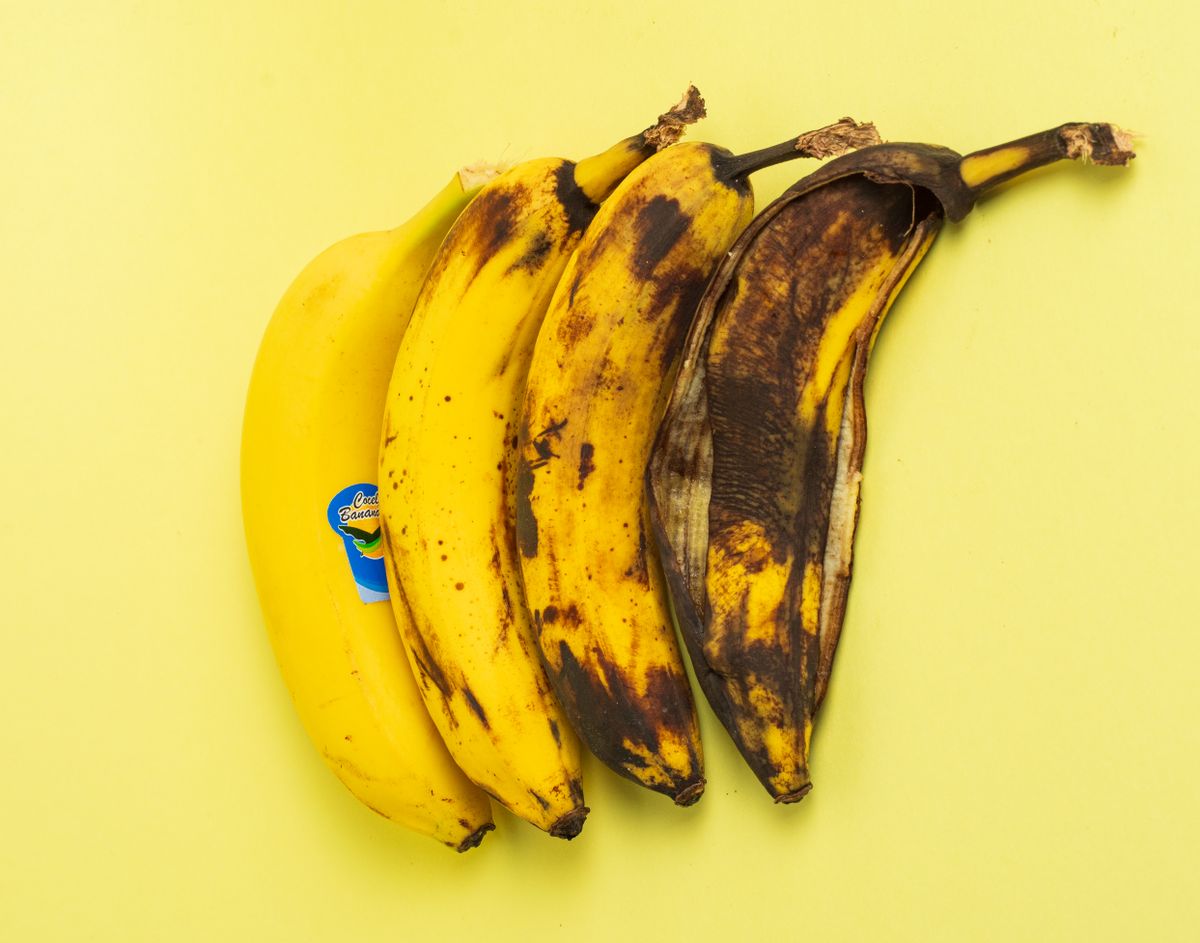
Those brown, spotted bananas sitting on your kitchen counter are exactly what you need. As bananas ripen, their starches convert into sugars, making them sweeter and easier to mash. According to King Arthur Baking’s banana ripeness guide, bananas with heavily browned or nearly black peels can produce particularly flavorful banana bread.
When possible, avoid using firm, green bananas. If yours aren’t ripe enough, leave them on the counter or place them in a paper bag to encourage ripening. You can also freeze ripe bananas for another baking day.
Bring Ingredients to the Right Temperature
Ingredient temperature matters more than many home bakers realize. When a recipe calls for room-temperature eggs, butter, or other ingredients, follow those instructions to help everything combine as intended. Cold ingredients can make certain batters harder to mix smoothly.
King Arthur Baking generally defines room temperature as 68 to 75 degrees Fahrenheit. If your recipe calls for melted butter, let it cool before adding it to the eggs. Always follow the temperature instructions in your chosen recipe rather than assuming everything must be warm.
Choose Fats That Improve Flavor and Texture
Butter brings a rich flavor to banana bread, while oil can help create a tender texture. Some recipes also add sour cream or yogurt for extra moisture and a slightly tangy flavor. The best combination depends on the recipe you’re following.
You don’t necessarily need several different fats to make excellent banana bread. A well-tested recipe using only butter or oil can work beautifully. If you want to experiment with sour cream or another addition, start with a recipe designed for it.
Measure Your Flour Carefully
Too much flour is one of the easiest ways to end up with dry banana bread. Scooping directly from a flour bag can pack extra flour into the measuring cup without you realizing it. Even a modest difference can change the finished texture.
King Arthur Baking recommends weighing flour with a kitchen scale for greater accuracy. If you’re using measuring cups, fluff the flour, spoon it into the cup, and level it without packing it down. This small habit can improve consistency from one loaf to the next.
Don’t Leave Out the Salt
Salt might seem unnecessary in something as sweet as banana bread. However, a little salt helps balance sweetness and brings out the flavor of the other ingredients. Without it, the finished loaf may taste less interesting.
Use the amount specified in your recipe instead of guessing and adding extra. Different salts can have different grain sizes, which affects volume measurements. Measuring carefully keeps the flavor balanced without making the bread noticeably salty.
Related: 8-foods-you-should-never-cook-in-glass-dishes-2/
Stop Mixing Before the Batter Becomes Too Smooth
A few lumps in banana bread batter are nothing to worry about. Once you add flour, overmixing can encourage gluten development and produce a tougher finished loaf. That means mixing longer isn’t necessarily mixing better.
Stir gently until the dry ingredients are incorporated, and no substantial pockets of flour remain. Small lumps of mashed banana are perfectly acceptable. A spatula works well because it lets you fold the mixture together without beating it aggressively.
Be Selective With Your Mix-Ins
Chocolate chips and chopped walnuts can make an ordinary banana loaf more interesting. They add different flavors and textures without requiring complicated preparation. Pecans are another familiar option for bakers who enjoy a little crunch.
Other additions require more care. Fresh fruit can add extra moisture, while ingredients like cocoa powder change the balance of dry ingredients. For reliable results, choose a tested recipe that already includes your additions.
Avoid Guessing When Substituting Ingredients
Running out of an ingredient halfway through baking is frustrating. However, swapping regular flour for almond flour or replacing butter with another ingredient doesn’t always produce the same result. Different ingredients behave differently when you mix and bake them.
Sugar does more than add sweetness, so reducing it can change the loaf’s texture and appearance. If you want gluten-free, dairy-free, or reduced-sugar banana bread, choose a recipe developed for that purpose. This approach offers a more reliable starting point than making several substitutions at once.
Watch Your Oven and Baking Pan
Your oven temperature and pan choice can affect how evenly banana bread bakes. Glass pans retain heat differently than metal pans, while dark-colored pans can brown the crust more quickly. Always check the recommended pan size and fully preheat the oven.
For doneness, King Arthur Baking recommends checking the center with a digital thermometer; most conventional quick breads reach about 200 to 205 degrees Fahrenheit. A thin knife inserted into the center should come out clean. If the outside browns too quickly, loosely cover the loaf with foil.
Let the Bread Cool Before Slicing
Fresh banana bread smells wonderful, making it tempting to cut into it right away. But allowing it to cool helps the crumb settle and makes slicing easier. Cutting too soon can squish pieces or leave slices uneven.
Follow your recipe’s cooling instructions, usually starting with a short rest in the pan before transferring the loaf to a wire rack. Once cooled, use a serrated bread knife and saw gently. Keep any remaining bread well wrapped to preserve its moisture.
The Bottom Line
Great banana bread comes from getting the little things right. Ripe bananas, accurate measurements, gentle mixing, and careful baking can turn an ordinary recipe into a loaf you’ll want to make again. Before trying another complicated baking trick, start with these simple habits and let the bananas do the talking.
Other articles you may like:
– 9-things-polite-people-never-do-at-the-dinner-table/
– things-you-didnt-know-you-could-get-for-free-at-grocery-stores/