10 Painful Ways Your Vacation Can Go Wrong When You Get Sick
Vacations are meant to be fun, relaxing escapes. But getting sick can turn your dream trip into a nightmare. From jet lag to contaminated food, illness doesn’t send a warning before ruining your plans. Knowing the risks, preparing the right supplies, and understanding what to do when you fall ill can save your sanity and wallet. Here’s a hard-hitting list of ways sickness can derail your getaway, and how to navigate each disaster.
Ignoring Local Viruses Can Backfire
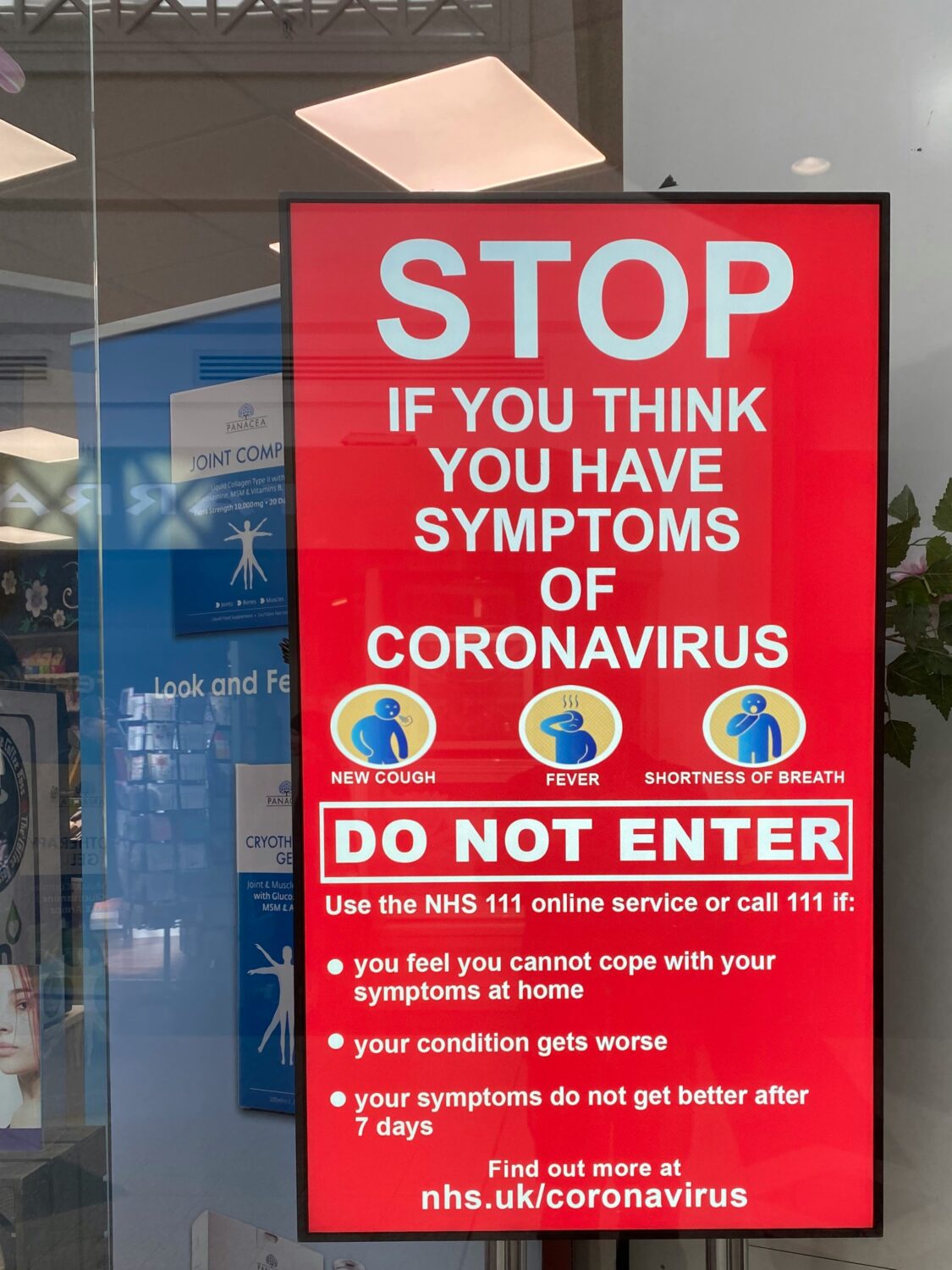
Traveling without checking local outbreaks is a common mistake. COVID‑19, RSV, norovirus, polio, and Strep A are still circulating worldwide, and exposure can happen anywhere, from crowded airports to restaurants. Without updated vaccines or precautions, your body’s defense may falter, leaving you bedridden while everyone else enjoys the beach or city sights. Awareness before departure is your first line of defense.
Jet Lag Weakens Your Defenses
Shifting time zones disrupts sleep cycles, suppressing immunity. Travelers often underestimate how fatigue opens the door for colds and flu. Even minor misalignment of sleep patterns can make your body more vulnerable to common germs. Ignoring rest and pushing through long days of sightseeing can quickly turn minor sniffles into a full-blown illness that ruins your schedule.
Contaminated Food and Water
Eating unfamiliar or improperly prepared food can quickly trigger digestive issues. Traveler’s diarrhea, E. coli, and Hepatitis A are not just inconveniences; they can require medical care abroad. Street food, unfiltered water, and careless hygiene all increase risk. Without proper precautions like bottled water and hand hygiene, a culinary adventure can swiftly become a medical emergency.
Unprepared Medical Coverage Costs You
Marek Studzinski/ Unsplash
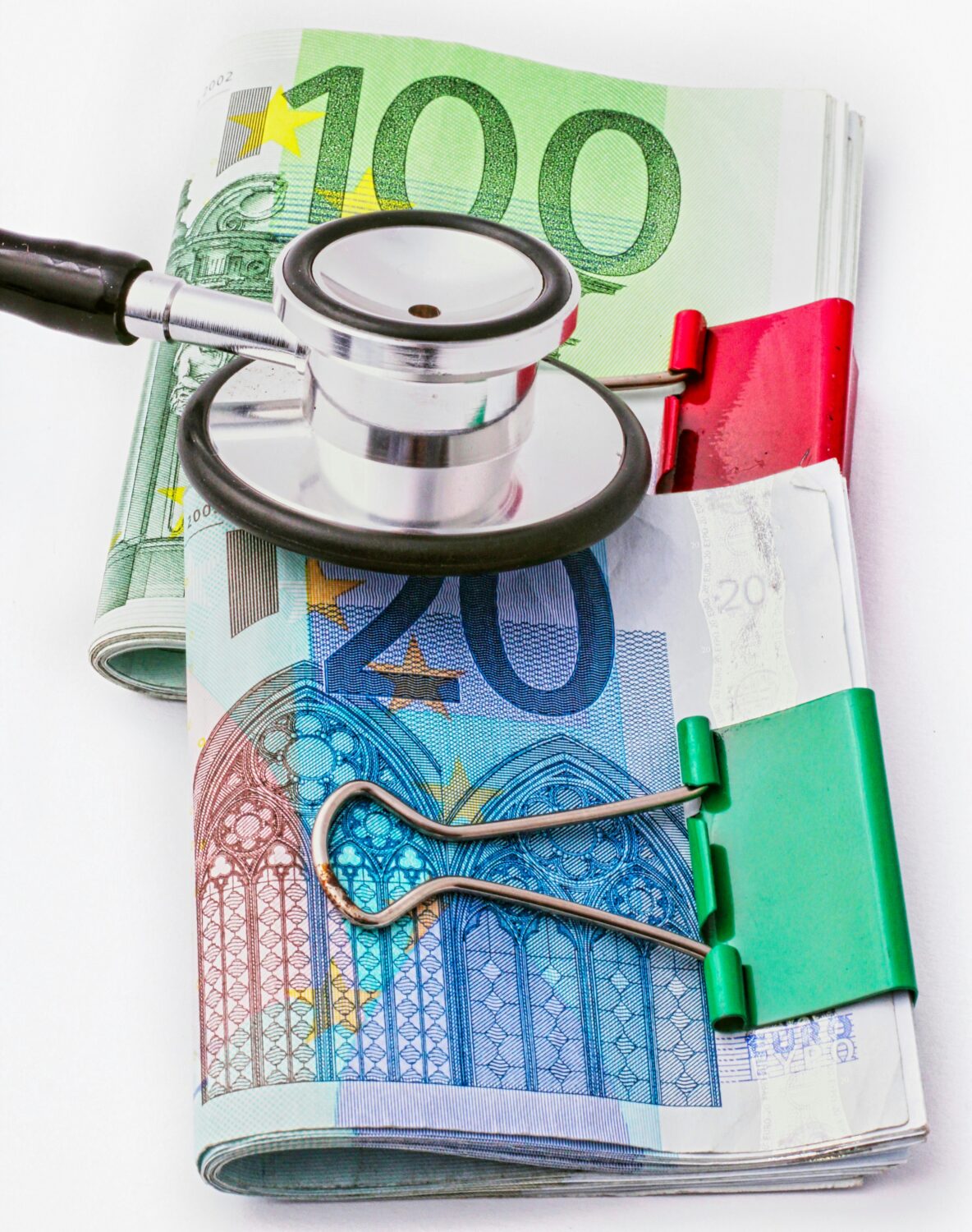
Heading overseas without checking your health insurance coverage is a costly gamble. Emergency visits, hospital stays, or medication abroad can cause expenses to spiral. Traveler’s insurance or credit card benefits can cover these costs, but failing to secure them leaves you exposed. Illness can strike unexpectedly, and being underinsured can turn a minor illness into a financial headache.
Forgotten Medications Make Recovery Hard
Leaving prescription meds at home or in checked luggage is a common disaster. Carry-on storage is essential to ensure you have enough throughout your trip. Over-the-counter essentials such as painkillers, cold medicine, and antacids can also help reduce discomfort. Without them, even manageable symptoms can ruin daily plans and force extra hospital visits.
Not Knowing Local Medical Options
Traveling without researching nearby clinics or hospitals is risky. Language barriers, unfamiliar healthcare systems, and confusion about location can delay treatment. Knowing where to turn for care and having embassy or local contacts ensures quick access to help. Without this information, minor illnesses can escalate and complicate recovery.
Exposure Through Activities or Accidents
Vacations often involve physical activity, unfamiliar surroundings, and new sports. Without caution, the risk of injuries rises, from slips to minor traumas. Such accidents add stress, medical visits, and disrupt schedules. Combining illness and injury amplifies the challenge, leaving you sidelined and missing experiences you planned for months.
Neglecting Rest Amplifies Illness

Ignoring symptoms and continuing a jam-packed itinerary worsens recovery. Rest, hydration, and self-care are essential. Many travelers push through sickness to see every landmark, but fatigue can prolong illness and reduce enjoyment. Understanding your limits helps prevent minor symptoms from becoming trip-ending setbacks.
Poor Hygiene Spreads Germs Quickly
Sharing space, touching surfaces, or skipping handwashing spreads viruses among travel companions. Hotels, cruise ships, and public transit harbor germs that can quickly infect groups. Failing to carry sanitizer, wipes, or masks increases risk. Protecting yourself also protects fellow travelers and reduces the chance that your illness ruins everyone’s vacation.
Lack of Emergency Planning Creates Chaos

Without a travel plan in case of sudden illness, decisions become stressful and confusing. Emergency contacts, medical history, and financial preparation ease recovery and logistics. Lacking this information delays treatment, increases stress, and forces last-minute changes. Planning ahead ensures that even an unexpected illness can be handled smoothly.
Conclusion
Getting sick on vacation isn’t just inconvenient; it can ruin the entire trip. Awareness, preparation, and smart choices are your best defense. Packing the right meds, checking local health alerts, and securing insurance can prevent nightmares. The next time you plan a getaway, remember: a healthy traveler is a happy traveler.