How Hawaiian Shave Ice Became a Colorful Island Favorite With Roots Beyond Hawaii
A rainbow-colored mound of shave ice makes a convincing case for ordering dessert before lunch. There is the fluffy ice, the bright syrup and, depending on your order, a drizzle of condensed milk or a scoop of ice cream hiding underneath. But this island favorite has a history that reaches well beyond Hawaii. Its roots lie in Japan, and its journey into local life runs through plantation communities, neighborhood grocery stores and generations of family businesses.
That history helps explain why shave ice is more than a vacation photo opportunity. Japanese immigrants brought the tradition of kakigori, or sweetened shaved ice, to Hawaii, where it developed its own flavors, customs and following. Local families helped turn it into an everyday pleasure, while visitors carried its reputation farther afield. The result is a dessert with an international family tree and a distinctly local identity, right down to the missing “d” in shave ice.
Before the Rainbow Syrup, There Was Japanese Kakigori
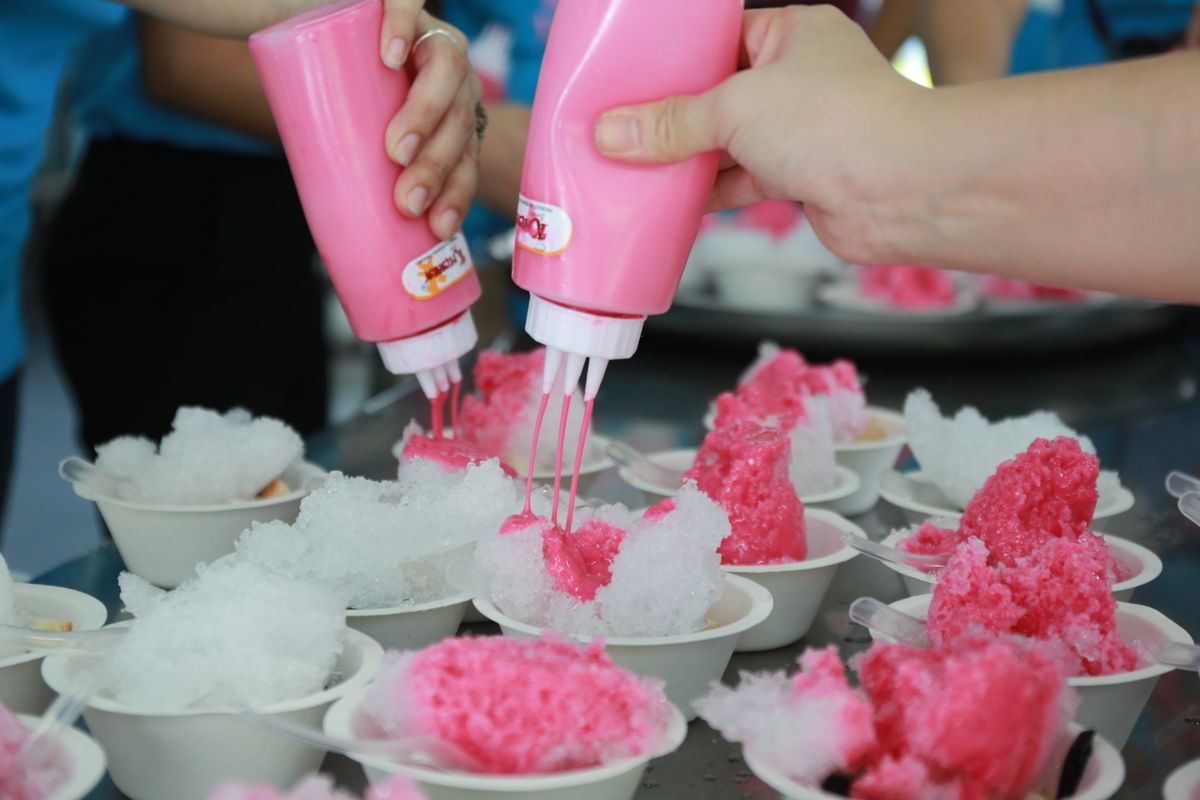
Long before electric ice shavers and takeout bowls, sweetened ice was a luxury in Japan. According to the Japanese government’s publicationHighlighting Japan, the oldest surviving reference to kakigori appears in “The Pillow Book,” the observations of court writer Sei Shonagon during the Heian period. She described shaved ice served in a new metal bowl with a sweetener made from the amazura vine. Summer ice was precious enough that this was an indulgence for the privileged, not an ordinary afternoon snack.
Keeping that ice available required serious effort. Winter ice was stored in insulated spaces called himuro, including caves and holes in the ground, then transported for use during warmer months. Kakigori became accessible to ordinary people during the Meiji period, from 1868 to 1912, as ice-making and ice-shaving machines spread. That change matters to the Hawaiian story: a treat once associated with courtly privilege became something that could travel with people and become part of everyday community life.
In Hawaii, that next chapter unfolded during the plantation era. The Honolulu Star-Advertiser traces the tradition to laborers from Okinawa and other parts of Japan, with Japanese immigrants selling kakigori to plantation workers through small stores in the early 1900s. Hawaiian Airlines’ history describes workers shaving flakes from large ice blocks and adding sugar or fruit juice. The familiar name, “shave ice” rather than “shaved ice,” reflects local Pidgin usage, a small linguistic detail that signals how thoroughly the dessert became part of Hawaii.
A Grocery Store Helped Turn a Local Treat Into a Destination
One of the best-known chapters belongs to Matsumoto Shave Ice in Haleiwa, on Oahu’s North Shore. Mamoru and Helen Matsumoto opened their grocery store in 1951, but shave ice came later, in 1956. That distinction can disappear when the business’s history gets shortened to a founding date. Their son Stanley Matsumoto explained the quieter beginning to HAWAIʻI Magazine in 2014: “When my parents started the business it was actually more of a grocery store. Back then, in the ’50s, the town was kind of quiet.”
The move into shave ice was practical, not a grand plan to build a tourist landmark. Stanley recalled that a family friend suggested adding it because business was slow. The family obtained a hand-cranked machine from Japan, had a motor installed and learned to make syrups and prepare sweetened azuki beans. Early flavors included pineapple, coconut, strawberry, lime, root beer and vanilla. The combination of familiar treats and family-made additions gave customers reasons to return long before the shop became internationally recognizable.
According to Stanley’s account, sales accelerated with the arrival of California surfers in the 1960s, while residents introduced visiting relatives to the shop. “They would go back to the Mainland and mention the store and the shave ice,” he told HAWAIʻI Magazine. “It was continuous word of mouth.” International visitors, particularly from Japan, added to the following in later decades. As shave ice became the main attraction, the groceries were largely phased out, a neighborhood store gradually becoming a destination without leaving its signature treat behind.
Related: If You Have Single Friends, Think Twice Before Saying These 10 Things
The Texture and Toppings Tell the Rest of the Story
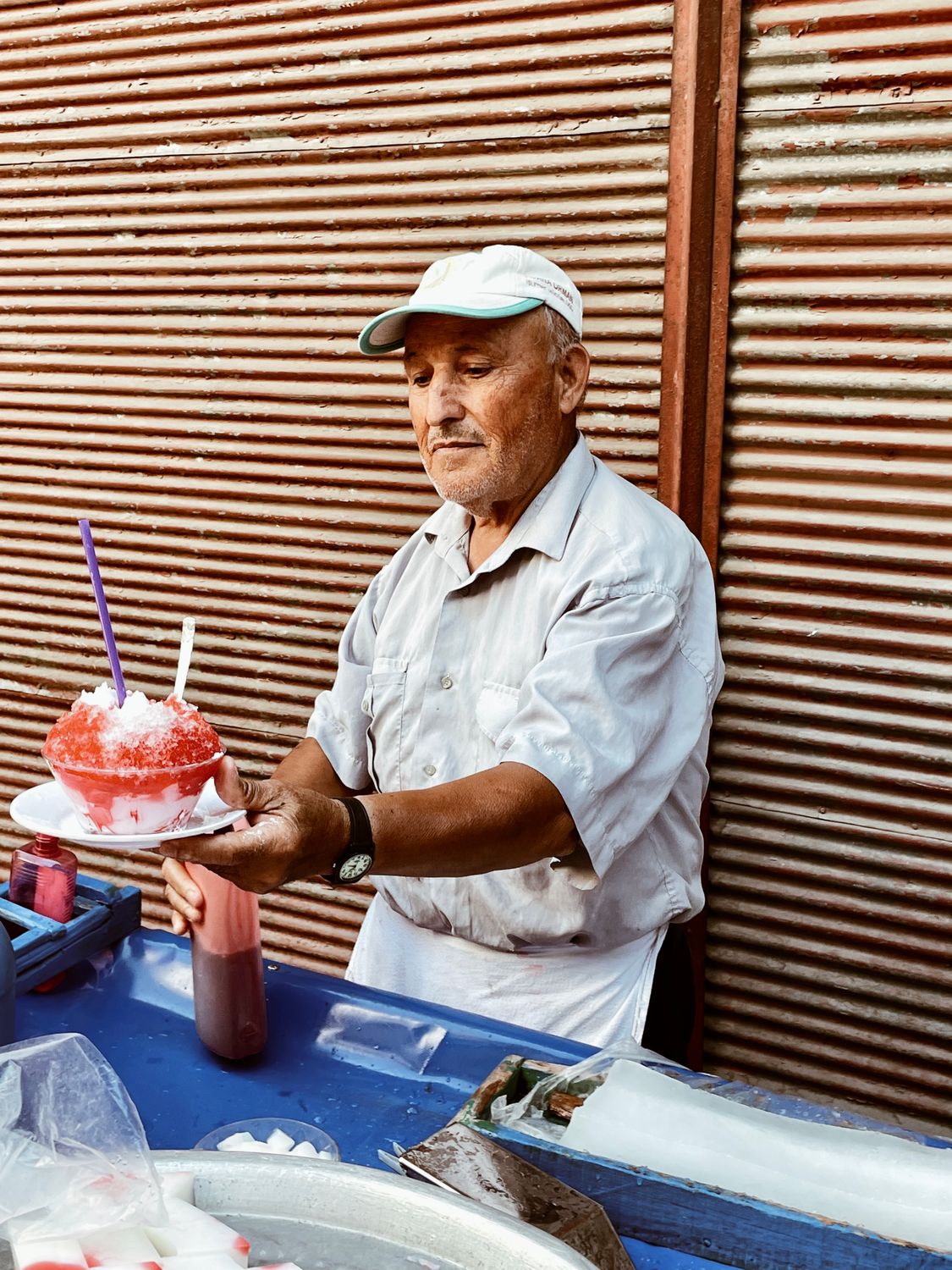
For anyone wondering whether shave ice is simply a snow cone with better scenery, texture is the important distinction. HAWAIʻI Magazine describes the island version as typically made with superfine ice that creates a fluffy consistency. Syrup flavors can range far beyond the familiar rainbow palette, with shops offering options such as coconut, Kona coffee, mango and matcha. The colorful finish gets attention, but the finely shaved ice is what gives the dessert its characteristic eating experience.
Then come the extras, which can turn a simple mound of ice into a layered dessert. Sweetened azuki beans were an early favorite at Matsumoto’s, while other popular additions include vanilla ice cream, soft mochi balls and sweetened condensed milk. That last topping is often called a “snow cap,” a fitting name for the pale coating over the colorful dome. Ice cream beneath the ice changes the final spoonfuls, too, as the melting syrup and ice mingle with the creamy base.
Those combinations also show that the story did not stop with the arrival of Japanese kakigori.PBS Hawaiʻi’s 2025 “ONO! Hawaiʻi’s Food Culture” episode explores how shave ice families continue to draw on different cultural traditions, including Japanese and Taiwanese red-bean desserts. It also returns to the local customers who helped sustain these businesses across generations. For all its bright colors and visitor appeal, shave ice remains rooted in something less flashy: families making a familiar treat, and other families coming back for it.
Other Post You Might Also Like