Before Baked Beans Became a Cookout Staple, New England Had a Very Practical Reason to Love Them
Baked beans rarely get the glamour assignment at a cookout. They sit beside the burgers and hot dogs, looking dependable while something on the grill gets all the attention. But New England’s attachment to this dish reaches far beyond the picnic table. Long before beans became a familiar accompaniment to franks, they answered several everyday needs at once: feeding a family, making good use of a hot oven and providing a meal when religious observance restricted cooking.
That combination helps explain why the dish became a weekend institution rather than simply another way to prepare beans. Saturday baking routines established the schedule, Sunday meals gave leftovers a purpose, and community suppers brought the tradition into public life. Molasses helped define the Boston version, while canned beans eventually made the dish easier to serve. The story is less about one brilliant invention than a practical meal repeatedly finding new places to belong.
Saturday’s Oven Helped Solve Sunday’s Dinner Problem
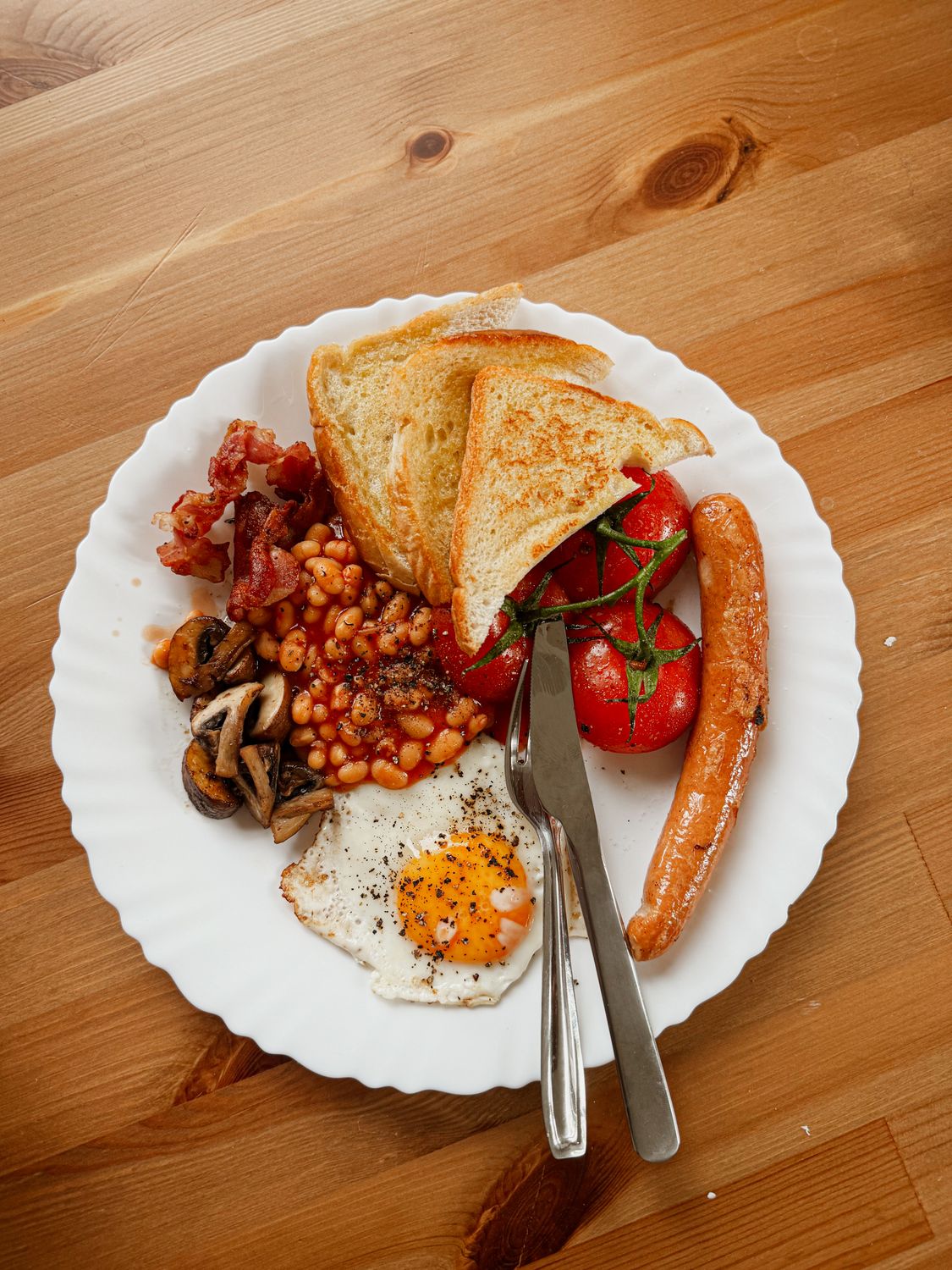
The clearest explanation for the weekend connection involves timing. As Saveur explains, Saturday was traditionally a baking day, and beans could cook slowly in the oven’s remaining heat after bread was finished. For Puritan households observing restrictions on Sunday labor, preparing food beforehand also served a religious purpose. Beans could be ready for Saturday supper and eaten again the following day, connecting two meals without requiring a fresh round of Sunday cooking.
The National Park Service describes the same practical advantage: beans could remain warm overnight in an oven, allowing families to have a hot Sunday meal while observing Sabbath prohibitions. That is a historical account, not a modern instruction for storing leftovers. What matters to the tradition is how well slow-cooked beans suited the household schedule. Their long cooking time, which might seem inconvenient today, worked with the rhythm of an oven already being used for other food.
Rose Kennedy offered a particularly vivid memory of that routine in a 1967 National Park Service interview. “We had the beanpot because we used to have beans every Saturday night as all good Bostonians did,” she recalled. The family ate them again on Sunday morning, and she remembered them as “at their best, warmed over in the gravy.” Her account shows how a practical arrangement could become a cherished expectation: Saturday meant beans, and Sunday meant another helping.
The dish’s deeper origins are more complicated than a single colonial-kitchen story suggests. The National Park Service emphasizes Native American influence on Plymouth colonists, while the Paul Revere House traces an important ancestor to English bean-and-bacon pottage. Saveur, drawing on food historian Sandra Oliver, describes settlers adapting an English pea-based dish using beans indigenous to North America. These accounts emphasize different strands, so it is more accurate to acknowledge those influences than assign the entire tradition to one inventor.
Related; 7 Easy Fall Dinners You Can Make With Canned Beans
Molasses Gave Boston’s Beans Their Signature And a Complicated History
Today, the Boston version is closely associated with molasses, mustard and salt pork. But sweetness was not necessarily the starting point. Saveur notes that Lydia Maria Child’s 1829 recipe in “The American Frugal Housewife” called for beans, salt pork and black pepper, without molasses. That detail matters because it challenges the idea that the dish arrived fully formed with the sweet, dark sauce people now expect. The familiar flavor developed over time rather than appearing as an unchanging colonial formula.
Historical accounts differ on precisely when molasses entered the pot. Alexandra Powell, writing for the Paul Revere House, places its probable introduction in the mid-18th century, while Saveur describes home cooks adding it in the mid-19th century. Both accounts connect molasses with the dish’s evolution, but they do not establish one uncontested starting date. By the late 19th century, Powell explains, Fannie Farmer’s cookbook treated molasses, ground mustard and salt pork as established components of Boston baked beans.
The sweetener’s availability also carries a history that should not disappear beneath the comfort-food label. As Powell explains, molasses came to Boston from Caribbean plantations dependent on enslaved labor and was used to make rum. That commercial connection helped shape the city’s food as well as its economy. Recognizing it does not erase the family memories attached to baked beans; it makes the account more complete by acknowledging the exploitation behind an ingredient that became a regional signature.
Nor does “New England baked beans” mean every pot contains exactly the same bean. Saveur identifies navy beans, yellow eye beans, soldier beans and Jacob’s Cattle among varieties favored in the region. Different cooks also vary the seasonings and equipment. The tradition has recognizable features, but room for household preferences, and, inevitably, strong opinions about whose version deserves another spoonful. That flexibility helps explain how the dish could remain familiar without requiring every family to cook it identically.
Community Suppers, and Convenient Cans, Helped Beans Reach the Cookout
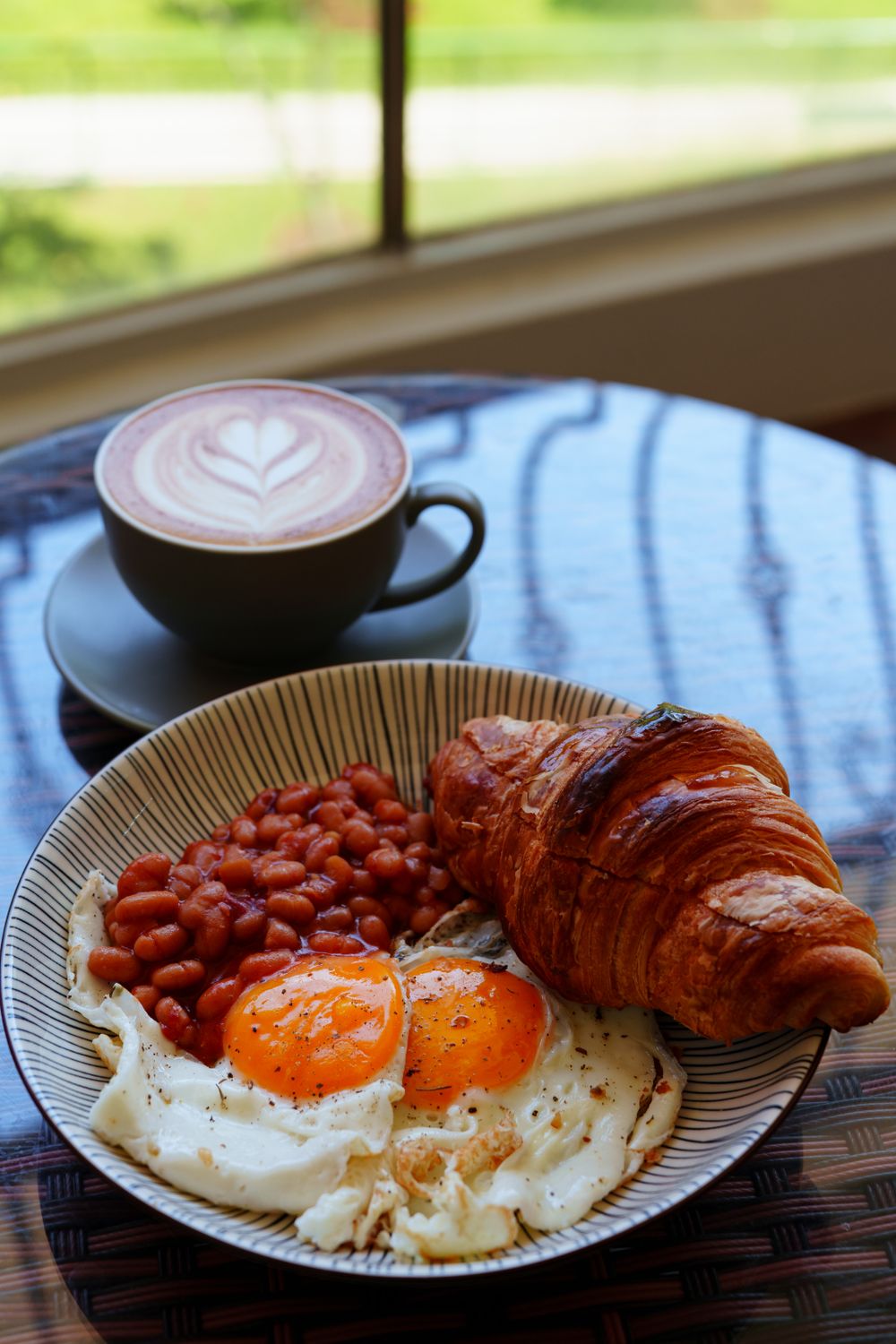
Baked beans were well suited to feeding people beyond a single household. Saveur traces New England’s communal bean-supper tradition to the late 1800s, with meals held in churches, firehouses and grange halls. Reporting from a Maine church supper in 2012, the magazine described beans served alongside ham, frankfurters, coleslaw, brown bread, rolls and pie. That menu makes the connection to today’s cookout plate easy to recognize, even though the gathering itself took place indoors.
Volunteer Margaret Logan, who had helped with those suppers for almost 40 years at the time of the report, summed up their local presence: “There’s a bean suppah every week somewhere.” The value was not only in the recipe, but also in the recurring occasion built around it. A large batch could anchor a shared meal, raise money and bring neighbors together. Beans became part of the gathering’s identity, rather than an interchangeable side dish.
Canning helped carry that familiarity into more convenient meals. Saveur credits canned baked beans with much of the dish’s longevity and wider reach,while Yankee documents the enduring New England pairing of franks and beans on Saturday nights. There is no need to invent a single moment when beans “became” a cookout staple. Their path is more persuasive than that: a filling weekend meal became a community favorite, then an easy companion to familiar foods without losing its place at the family table.