10 Reasons Unsafe Abortions Are Becoming a Bigger Crisis in America
America did not suddenly stop having abortions after Roe v. Wade fell. What changed was the road people had to take to get one. For some, the path still leads to licensed clinics, telehealth appointments, medical support, and safe follow-up care. For others, it has become a maze of fear, long drives, confusing laws, money problems, secrecy, and desperate decisions made under pressure.
That is where the danger begins. Unsafe abortion does not mean every self-managed abortion is unsafe, because accurate information, quality medication, and medical support can make early abortion care safe. The danger rises when people are pushed away from reliable care and into panic, silence, misinformation, or unverified help. These are the 10 major reasons unsafe abortion risks are growing across America.
State Bans Have Pushed Care Into the Shadows

The biggest reason is the legal earthquake that followed the Supreme Court’s Dobbs decision. States now control abortion access, which means a person’s ZIP code can decide whether care is nearby, delayed, or practically impossible. In states with total bans or tight early limits, people may feel trapped before they even understand their options.
That kind of pressure does not erase abortion. It often pushes it underground. When someone fears prosecution, judgment, or being reported, they may avoid doctors, delay care, or search privately for answers online. The more the system frightens people away from regulated care, the more unsafe choices can grow in the dark.
Long Travel Distances Turn Care Into a Race
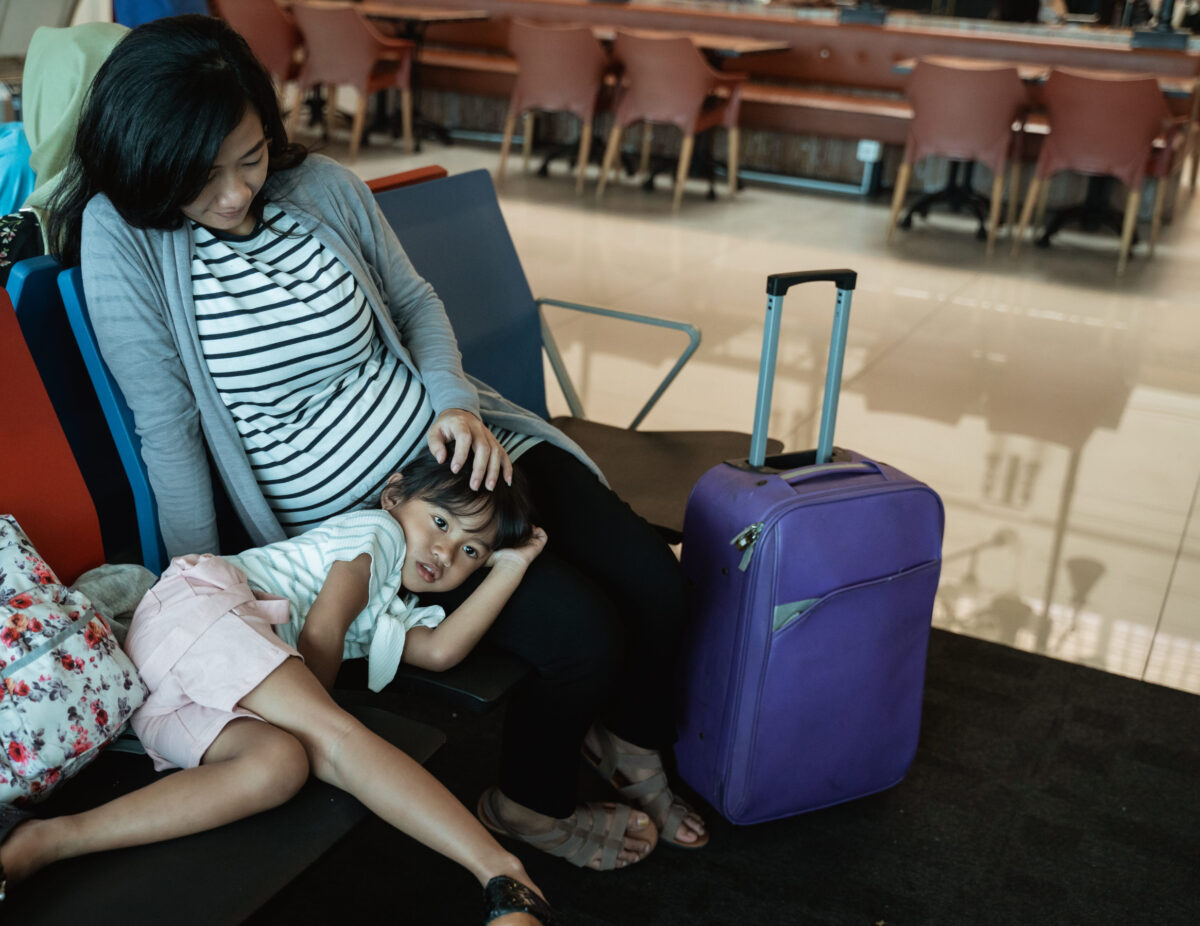
Abortion access now often depends on whether someone can travel. For people in states with bans, getting safe care may require crossing state lines, booking transportation, finding child care, taking time off work, and staying overnight. That is no longer a simple medical appointment. It becomes a race against time, money, and the progression of pregnancy.
The danger grows when delays pile up. A person who could have received early, simple care may be pushed later into pregnancy because the nearest provider is hundreds of miles away. Later care can still be safe when provided by trained clinicians, but it is often harder to schedule, more expensive, and more emotionally stressful.
High Costs Punish the Poorest Patients First
Money decides too much in American health care, and abortion is no exception. Travel, hotel rooms, gas, flights, clinic fees, unpaid leave, child care, and follow-up visits can turn abortion access into a financial mountain. Wealthier patients may climb it. Poorer patients may get stuck at the bottom.
That is where unsafe risk enters. A person who cannot afford safe care may try to delay, borrow, hide, or look for cheaper, unverified options. Low-income women, young people, undocumented people, and people without supportive families face the hardest choices. When safe abortion becomes a luxury trip, unsafe alternatives become more tempting for those with no money left.
Confusing Laws Make Doctors Afraid to Act
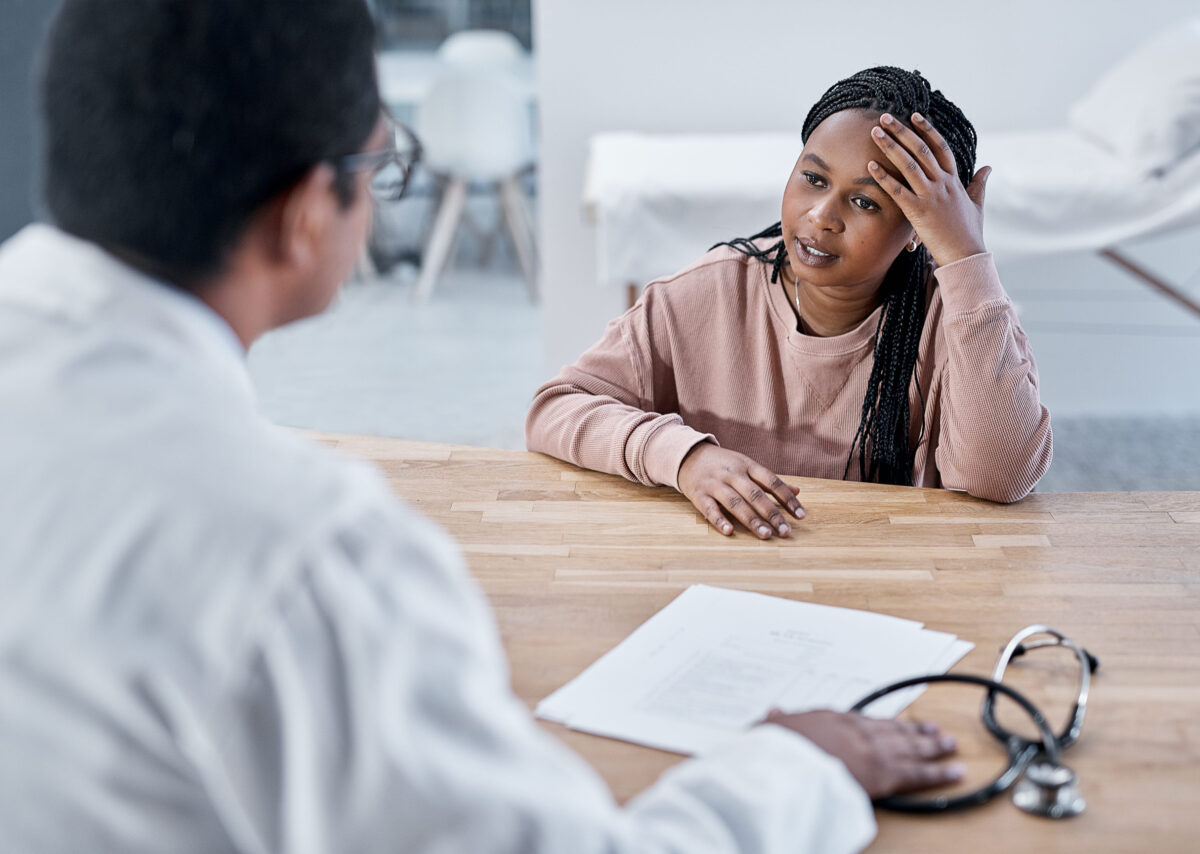
Many abortion bans include exceptions for emergencies, but those exceptions often sound clearer on paper than they do in a hospital. Doctors may worry that providing care too early could expose them to criminal penalties, lawsuits, license loss, or political backlash. That fear can slow down medical judgment.
Patients pay the price for that hesitation. In some cases, people experiencing miscarriage complications or dangerous pregnancies may be forced to wait until their condition worsens. A system that makes doctors call lawyers before treating patients creates dangerous delays. Safe care depends on medical clarity, not legal panic.
Waiting Periods Create Dangerous Delays
Some states require waiting periods, multiple appointments, counseling rules, or paperwork before abortion care can happen. Supporters describe these rules as safeguards, but for many patients, they become obstacles. A 24-hour or 72-hour delay may sound small to lawmakers, but it can be huge for someone traveling from another state or trying to hide from an abusive partner.
Every delay can make care harder to obtain. Appointments fill up. Work schedules collapse. Money runs out. Gestational limits approach fast. When people feel the clock closing in, they may act quickly without proper guidance. Delays do not always create reflection. Sometimes they create fear.
Clinic Closures Remove Safe Entry Points

Abortion clinics often provide more than abortion. Many offer contraception, STI testing, cancer screenings, pregnancy counseling, referrals, and basic reproductive health services. When clinics close due to bans or legal pressure, communities lose trusted entry points to the health care system.
That loss matters. A person who once could speak privately with trained staff may now have nowhere nearby to ask questions. Rural areas and smaller towns feel this most sharply. When clinics disappear, misinformation often moves in. The fewer safe doors people can walk through, the more likely they are to knock on unsafe ones.
Online Misinformation Fills the Gap
When legal access becomes confusing, people turn to the internet. Some find reliable medical information. Others find panic forums, fake clinics, anti-abortion propaganda, scam websites, or dangerous advice. The internet can be a lifeline, but it can also become a trap when someone is scared and searching at 2 a.m.
This is one of the quietest drivers of unsafe abortion risk. People may not know which sources are medical, which are political, and which are selling fear. Bad information can lead to delays, wrong assumptions, missed warning signs, or unsafe attempts. In a restricted environment, information itself becomes part of the health crisis.
Fear Of Criminalization Keeps People Silent
Fear is powerful. Even when laws target providers more than patients, many people do not understand the legal details. They may worry that a doctor, emergency room worker, partner, parent, employer, or police officer could get involved. That fear can make them hide symptoms or avoid care after something goes wrong.
Silence can turn a manageable complication into a serious emergency. People need to feel safe asking for help, especially after taking any action outside a clinic. When the law creates fear around pregnancy outcomes, people may choose secrecy over treatment. That is one of the most dangerous outcomes of criminalization.
Rural Health Deserts Make Help Harder
Rural America already struggles with hospital closures, maternity care shortages, fewer specialists, and longer emergency response times. Add abortion restrictions to that picture, and the problem becomes even harsher. A rural patient may face long drives just to reach basic reproductive care, let alone abortion services.
The risk is not only about abortion. It is about the whole health system around pregnancy. If someone has heavy bleeding, severe pain, infection symptoms, or complications, fast medical help matters. In communities where care is already thin, unsafe abortion risks become more dangerous because backup care is farther away.
Unequal Contraceptive Access Fuels the Crisis
Unsafe abortion risk also starts before pregnancy. When people cannot afford birth control, cannot get appointments, lack insurance, live far from clinics, or face partner control, unintended pregnancy becomes more likely. That increases the number of people who may need abortion care in the first place.
Contraception is one of the most practical ways to reduce abortion demand, but access remains uneven. Cost, misinformation, pharmacy barriers, insurance problems, and provider shortages still affect many women. A country cannot restrict abortion and neglect contraception without creating a predictable crisis. The pressure simply moves from prevention to desperation.
Stigma Makes Safe Care Feel Shameful
Stigma is the invisible wall around abortion. It tells people they are bad, careless, sinful, selfish, or alone. That shame can stop someone from talking to a doctor, calling a clinic, asking a friend for a ride, or seeking help when they need it most. Silence becomes part of the danger.
Unsafe abortion grows where shame is stronger than support. People make better health decisions when they have honest information, privacy, and respectful care. When society turns abortion into a public spectacle of judgment, some people will do anything to keep it hidden. That secrecy can be more dangerous than the procedure itself.