6 American Habits Trashing the Planet
Some environmental damage does not look dramatic at first. It looks like a plastic cup in a car holder, a half-eaten takeout meal in the trash, a package on the porch, or a closet packed with clothes that still have tags.
The planet is not being worn down only by smokestacks and oil spills. It is also being strained by everyday buying habits that feel normal until we zoom out. American consumer culture runs on speed, convenience, comfort, and replacement. Buy it fast. Use it once. Toss it. Order another.
That cycle may feel harmless in a single household, but across millions of homes, it becomes a mountain of waste, emissions, plastic, and wasted resources. EPA data shows the U.S. generated 292.4 million tons of municipal solid waste in 2018, equal to 4.9 pounds per person per day.
The Single-Use Plastic Habit

Plastic convenience has quietly become part of daily life. It wraps snacks, holds drinks, carries groceries, seals deliveries, and follows Americans from the coffee shop to the kitchen counter. The problem is that many of these items are used for only a few minutes but can remain in the environment for far longer than the moment when they were useful.
The scale is ugly. EPA data shows that the U.S. generated 35.7 million tons of plastic waste in 2018, accounting for 12.2 percent of municipal solid waste. That means every disposable fork, flimsy takeout lid, grocery bag, and plastic bottle belongs to a much bigger story. The habit feels small at checkout, but it becomes massive when repeated across the country every day.
The Throwaway Packaging Habit
Online shopping has made life easier, but it has also turned front porches into cardboard graveyards. A small item can arrive in a box inside another box, wrapped in plastic, cushioned with paper, and sealed with tape that will be trash by dinner. The purchase may feel efficient, but the packaging often outlives the excitement of opening it.
Packaging is one of the biggest waste problems hiding in plain sight. EPA data show that containers and packaging accounted for 82.2 million tons of municipal solid waste in 2018, representing 28.1 percent of total municipal solid waste generation. That is the cost of convenience. Americans are not just buying products anymore. They are buying layers of waste that get ripped open, flattened, tossed, and forgotten.
The Food Waste Habit

Food waste feels especially painful because it starts as abundance and ends as garbage. Groceries spoil in the fridge. Restaurant leftovers get ignored. Takeout portions sit half-eaten. Produce bought with good intentions slowly becomes a science project in the back drawer.
This habit damages more than the grocery budget. The U.S. wastes about 30 to 40 percent of its food supply, and food waste is the single most common material sent to landfills and incinerators. Every wasted meal also wastes the water, land, labor, fuel, packaging, and transportation used to bring that food to the table. When food rots in landfills, it also produces methane, a powerful greenhouse gas.
The Fast Fashion Habit
Fast fashion sells the thrill of looking new without the patience of buying thoughtfully. A cheap dress for one weekend, a trendy shirt for one photo, a pair of shoes that barely survive a season. The price tag looks friendly, but the environmental bill is often pushed to the side.
Textile waste has become a major part of America’s throwaway culture. EPA data shows the U.S. generated 17 million tons of textiles in 2018, representing 5.8 percent of total municipal solid waste. The habit is not just buying clothes. It is buying disposability disguised as style. When closets become temporary storage for items headed to the trash, fashion stops being fun and starts looking wasteful.
The Car First Habit
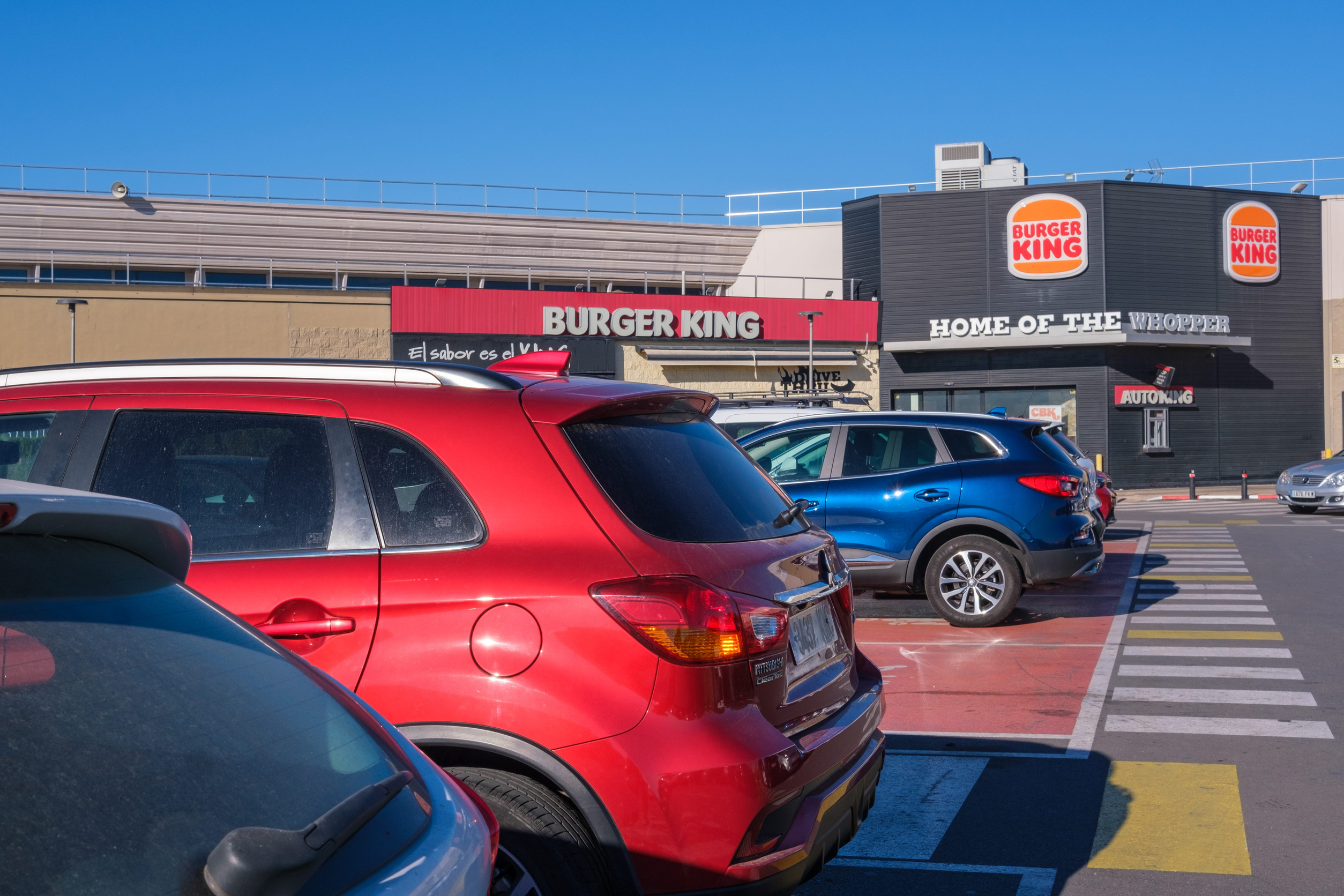
For many Americans, driving is not a luxury. It is how they get to work, school, the grocery store, church, daycare, and almost everywhere else. The problem is that car dependency has become so normal that even minor errands often turn into automatic drives. A five-minute trip turns into another burst of fuel, traffic, and emissions.
Transportation remains one of the country’s biggest climate problems. EPA data shows transportation accounted for the largest share of U.S. greenhouse gas emissions in 2022 at 28 percent. Cars and trucks help keep life moving, but the habit of driving everywhere makes daily convenience expensive for the atmosphere. The damage does not come from one commute. It comes from millions of repeated trips that feel too ordinary to question.
The Upgrade Everything Habit
American marketing has mastered the art of making last year’s item feel embarrassing. Phones, kitchen gadgets, tablets, TVs, sneakers, appliances, and home decor are constantly pushed as things to replace before they truly fail. The message is simple. Newer is better, and enough is never enough.
That mindset breeds waste because products are treated as temporary accessories rather than long-term tools. Electronics are especially troubling because they can contain valuable materials and hazardous substances that require careful handling. The EPA encourages electronics stewardship because better design, reuse, repair, and responsible recycling can reduce environmental harm from discarded devices. The greenest purchase is often the one you delay because the old one still works.
Conclusion
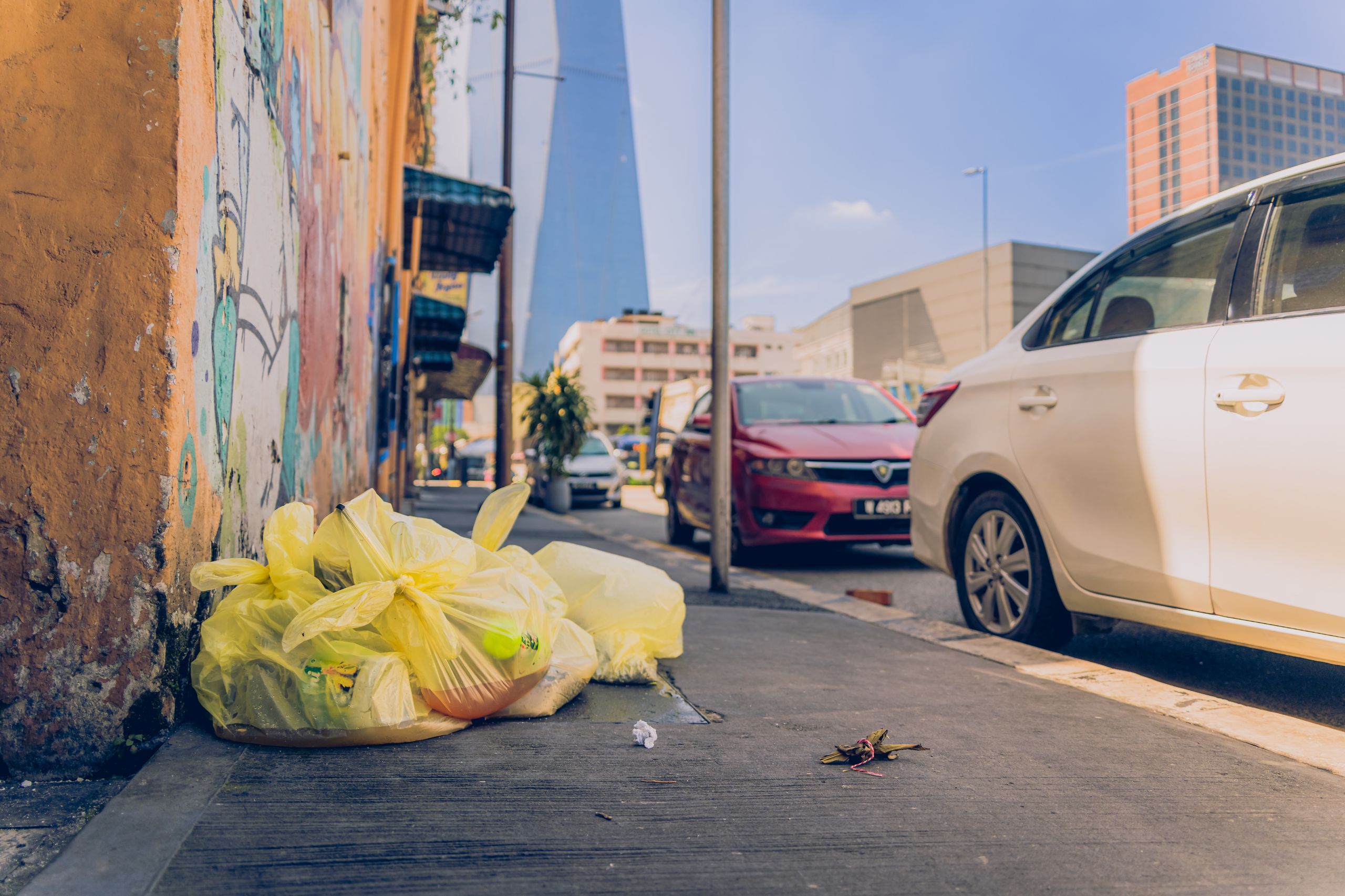
The habits hurting the environment are not always extreme. They are familiar, convenient, and easy to defend. Plastic feels practical. Packaging feels normal. Driving feels necessary. Fast fashion feels affordable. Upgrades feel exciting. Food waste feels accidental. Yet together, these habits create an environmental mess too large to ignore.
The answer does not require Americans to live perfectly or give up comfort overnight. It starts with buying less, wasting less, repairing more, reusing what already exists, choosing durable products, planning meals better, and questioning purchases that solve boredom more than need. The planet is not asking for flawless people. It is asking for fewer careless habits repeated millions of times.