The 5 Impact of Poor Detoxification on the Body
The human body is a remarkably complex system that works tirelessly to maintain homeostasis. Among its many processes, detoxification plays a crucial role in maintaining our health and functioning optimally. Detoxification refers to the body’s natural ability to eliminate toxins,substances that can harm the body.
These toxins can enter the body through various means, including the air we breathe, the food we eat, and even the products we use. However, when the detoxification system becomes overwhelmed or impaired, it can lead to a cascade of health issues that affect both physical and mental well-being. In this article, we will explore the impact of poor detoxification on the body and highlight why maintaining a healthy detoxification system is vital.
Understanding Detoxification

Detoxification involves a series of complex biochemical processes that take place in the liver, kidneys, lungs, skin, and digestive system. The liver is the primary detoxifying organ, breaking down and neutralizing toxins, which are then excreted through bile, urine, or sweat. The kidneys filter the blood to remove waste products, while the lungs expel carbon dioxide, a byproduct of metabolism. The digestive system helps eliminate toxins through the bowel, and the skin rids the body of impurities via sweat. When these systems work in harmony, they help to prevent toxins from accumulating in the body and causing harm.
However, in today’s world, our bodies are constantly bombarded with unprecedented levels of toxins. From environmental pollutants and processed foods to chemicals in cleaning products and even stress, our detoxification organs can become overburdened, leading to what is often referred to as a “toxic overload.” This can result in a range of symptoms and health issues, indicating that the body’s detoxification process is no longer functioning optimally.
Symptoms of Poor Detoxification
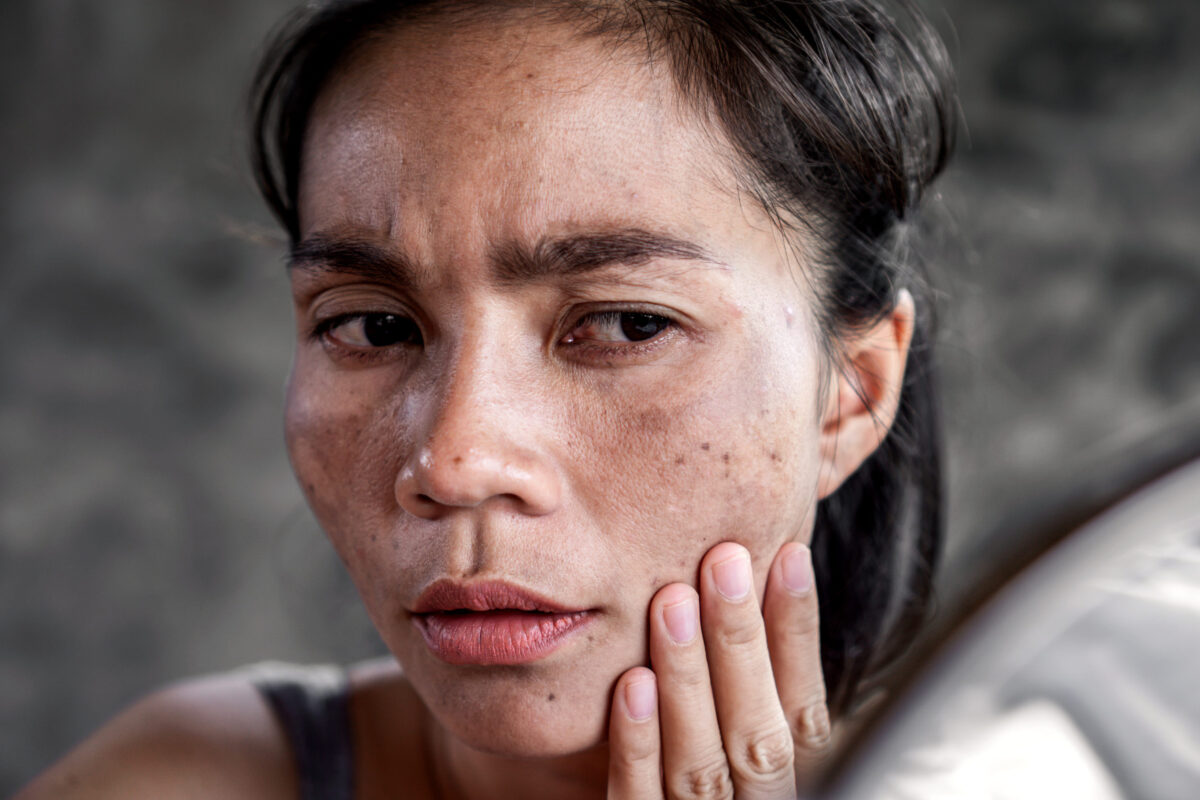
When detoxification is impaired, the body can show a variety of signs that indicate it is struggling to eliminate toxins. These symptoms can vary from person to person, but common ones include:
Fatigue , one of the most noticeable signs of poor detoxification, is persistent tiredness. Toxins that accumulate in the body can interfere with energy production, making it difficult to feel alert and refreshed, even after a good night’s sleep.
Skin Issues ,Toxins often reach the skin, the body’s largest detoxifying organ. Acne, eczema, and rashes can be signs that your body is trying to eliminate waste through the skin because other detox organs are not functioning properly.
Digestive Problems: When the liver and gut are overwhelmed with toxins, digestion can suffer. Bloating, constipation, diarrhea, and poor nutrient absorption are common digestive symptoms of poor detoxification.
Brain Fog ,Toxins can affect the brain’s ability to function properly, leading to memory problems, difficulty concentrating, and an overall sense of mental sluggishness, often referred to as “brain fog.”
Mood Swings and Irritability , Toxins can disrupt the body’s hormonal balance, affecting neurotransmitters in the brain and leading to feelings of anxiety, depression, and irritability.
Weight Gain: When detoxification is impaired, fat cells may retain toxins as they attempt to store them away from the vital organs. This can lead to increased body fat, especially around the abdomen.
Weakened Immune System ,An overburdened detox system can leave the immune system vulnerable, making it easier to get sick or develop chronic infections.
Causes of Poor Detoxification

Several factors can contribute to poor detoxification in the body. Understanding these causes is the first step toward improving detoxification processes.
Unhealthy Diet ,A diet high in processed foods, sugar, trans fats, and chemicals (like pesticides) can overwhelm the liver and kidneys. These foods contain substances that the body struggles to process and eliminate. A lack of fiber in the diet can also impede the digestive system’s ability to flush out toxins effectively.
Environmental Toxins , Pollutants from the air, water, and soil can accumulate in the body over time. Exposure to heavy metals like mercury and lead, as well as industrial chemicals, can disrupt detoxification processes. These pollutants often enter the body through inhalation or skin absorption, putting added stress on detox organs.
Chronic Stress: Stress can wreak havoc on the body’s detoxification systems. When stressed, the body releases cortisol, which can impair the liver’s detoxification capacity. Additionally, stress can affect digestion and lead to poor gut health, further hindering the body’s natural cleansing process.
Lack of Sleep. Sleep is when the body repairs itself and detoxifies. Insufficient sleep can lead to the buildup of toxins, particularly in the brain. A lack of sleep also affects hormone regulation, making it harder for the body to eliminate waste products.
Dehydration , Water is essential for the kidneys, liver, and digestive system to perform their detoxification duties. Dehydration can slow down the body’s ability to flush out toxins through urine and sweat, leading to a toxic buildup.
Excessive Alcohol Consumption: Alcohol is a significant burden on the liver, and excessive drinking can overwhelm the liver’s detoxification process. Over time, this can lead to liver damage, affecting its ability to filter toxins from the body.
The Health Implications of Poor Detoxification

When detoxification systems are compromised, toxins can accumulate in various organs, tissues, and the bloodstream, leading to chronic health issues. Here are some of the potential long-term effects of poor detoxification:
Liver Damage: The liver is the primary detox organ, and if it is continually burdened by toxins, it can become inflamed or even damaged. This can lead to conditions such as fatty liver disease or cirrhosis, both of which impair the liver’s ability to detoxify the body.
Hormonal Imbalances , Toxins can interfere with the endocrine system, leading to hormonal imbalances. This can manifest as weight gain, skin problems, mood swings, and even infertility in some cases.
Chronic Inflammation: An accumulation of toxins can cause inflammation in the body, which is linked to many chronic conditions, including heart disease, diabetes, and autoimmune disorders.
Increased Risk of Chronic Diseases. Over time, poor detoxification can contribute to the development of chronic diseases such as cardiovascular disease, diabetes, and cancer. Toxins like heavy metals, pesticides, and industrial chemicals have been linked to these conditions.
Mental Health Disorders , The buildup of toxins, particularly in the brain, can contribute to the development of mental health issues, including depression, anxiety, and cognitive decline. The brain is highly sensitive to environmental pollutants, and prolonged exposure can interfere with neurotransmitter function.
How to Support Detoxification in the Body
Fortunately, there are many ways to support the body’s natural detoxification process. By adopting a healthier lifestyle, you can give your body the tools it needs to cleanse itself effectively:
Eat a Clean, Whole Food Diet: Focus on whole, unprocessed foods rich in fiber, antioxidants, and essential nutrients. Leafy greens, cruciferous vegetables, and fruits, such as berries, are particularly beneficial for detoxification.
Stay Hydrated , drink plenty of water throughout the day to support kidney and liver function. Herbal teas, such as dandelion root or milk thistle, are also great for detoxification.
Manage Stress , Practice stress, management techniques such as meditation, yoga, deep breathing, or spending time in nature. Reducing stress supports detox organs and helps prevent the negative effects of chronic stress.
Get Enough Sleep: Aim for 7-9 hours of quality sleep each night. Sleep is essential for the brain to detoxify, particularly during the REM phase.
Exercise Regularly. Physical activity helps promote sweating, which is one of the body’s natural detoxification methods. Regular exercise also supports circulation, which helps remove toxins from the body.
Limit Toxin Exposure: Reduce exposure to environmental toxins by choosing organic foods, using natural cleaning products, and avoiding chemical exposure when possible. Reducing alcohol and tobacco consumption is also crucial for liver health.
Conclusion
The impact of poor detoxification on the body is far reaching, affecting everything from energy levels to mental clarity and chronic disease development. With the modern world bombarding us with toxins from all directions, it is crucial to support our body’s natural detoxification processes.
By maintaining a healthy diet, staying hydrated, managing stress, and exercising regularly, we can help ensure that our detox systems function optimally. Taking proactive steps to support detoxification not only helps prevent the accumulation of toxins but also promotes overall health and well-being.