7 Reasons Republicans Share the Blame for Trump’s Foreign Policy Blunders
Trump owns Trump’s foreign policy. That part is not complicated. He is the president, he makes the final call, and his name sits on the decisions that shake alliances, rattle markets, and send diplomats running with fire extinguishers.
But politics is rarely a one-person show, especially in Washington, where silence can be just as powerful as a speech.
So, are Republicans to blame for Trump’s foreign policy blunders? The honest answer is yes, but not alone. Republicans did not create every decision, draft every threat, or design every chaotic move.
What they did was build the political safety net that allowed Trump to act boldly, ignore warnings, and face fewer consequences than almost any modern president would under normal party discipline.
Republicans permitted Trump to Govern by Instinct.
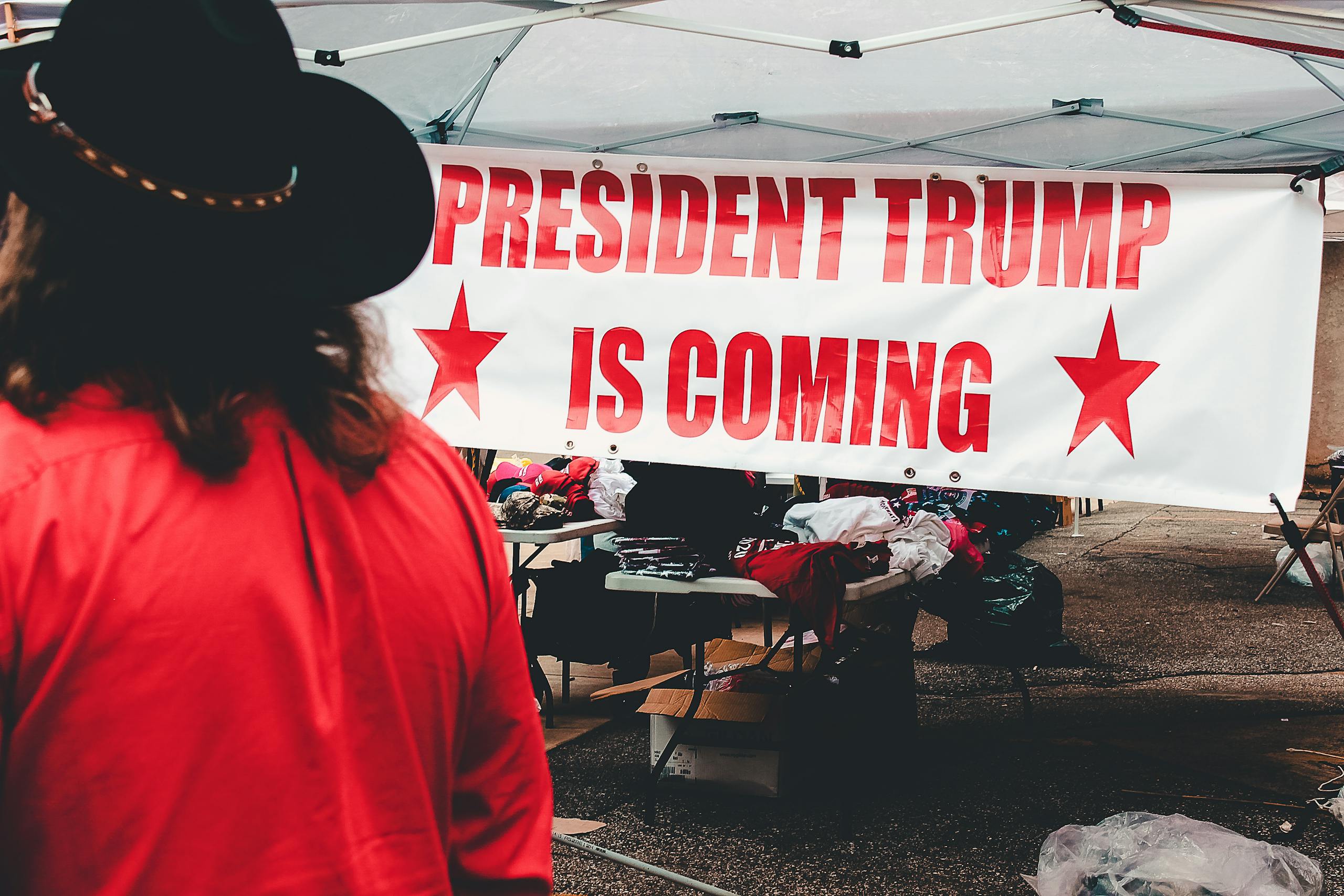
Trump’s foreign policy style has always been personal, dramatic, and transactional. He likes pressure more than process, spectacle more than quiet diplomacy, and loyalty more than institutional caution.
That approach can produce sudden wins, but it can also create confusion when allies do not know if America’s word is a treaty, a threat, or a bargaining chip.
Republicans share blame because many treated this unpredictability as a strength until the costs became hard to hide. The clearest pattern is not that every Republican agreed with every move.
The pattern is that the party repeatedly gave Trump room to bend foreign policy around his instincts, then acted shocked when those instincts produced diplomatic fires. That is not oversight. That is permission dressed up as patience.
They Blocked Serious Efforts to Rein Him In
Congress has a constitutional role in war, but during Trump’s second term, Republicans have often protected his freedom of action instead of demanding stronger limits.
In April 2026, Senate Republicans blocked a Democratic led effort to stop Trump’s military campaign against Iran unless Congress authorized hostilities.
Reuters reported that the Senate voted 52 to 47 against advancing the war powers resolution, showing continued Republican support for Trump’s Iran policy more than six weeks after U.S. and Israeli strikes began.
That vote matters because foreign policy blunders do not become major disasters in a vacuum. They grow when presidents discover that Congress will complain in private but shield them in public.
If Republicans truly feared an open-ended conflict, they had a tool in their hands. Most chose not to use it.
The Iran Crisis Shows the Cost of Party Loyalty
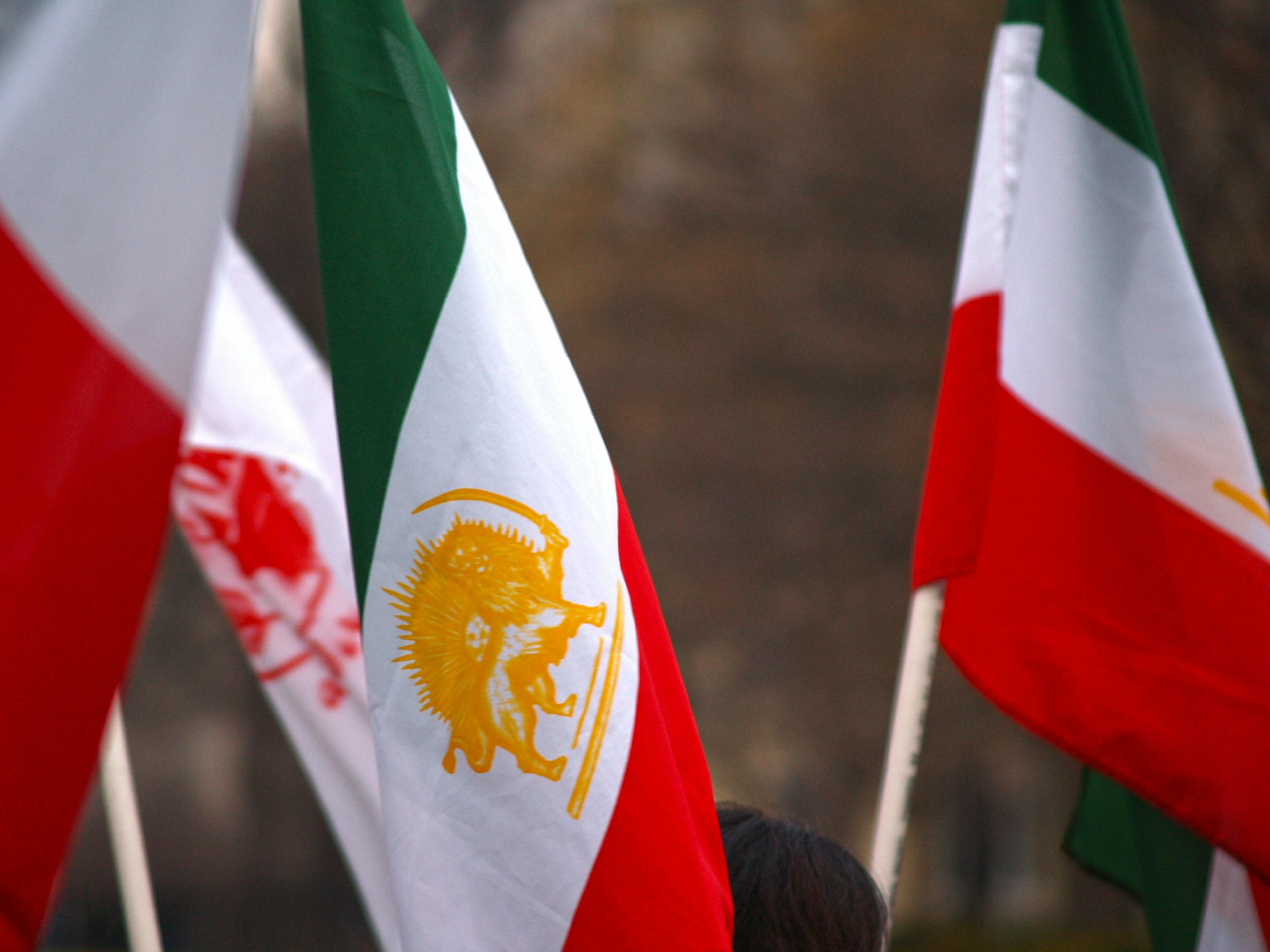
The Iran crisis is where Republican responsibility becomes especially hard to deny. By early May 2026, tensions remained high around the Strait of Hormuz, with U.S. forces helping guide commercial vessels through the area during a fragile ceasefire.
AP reported that U.S. officials said the ceasefire was still in place, even as Iran used drones, missiles, and small boats in attacks that remained below the threshold of major combat.
That is exactly the kind of murky crisis where Congress should demand clarity. What is the objective? What is the exit plan? What price are Americans expected to pay if oil prices rise or U.S. forces are dragged deeper into conflict?
Republicans may argue that they are backing a commander in chief during a dangerous moment, but blind unity is not a strategy. It is political cover.
Some Republicans Objected, But Usually Too Late
Not every Republican acted like a rubber stamp. Some have criticized specific Trump moves, especially those involving NATO, Ukraine, or troop deployments in Europe.
Reuters reported in May 2026 that two top Republican lawmakers expressed concern about the Pentagon’s plan to withdraw 5,000 U.S. troops from Germany, warning that it could signal to Russia and undermine deterrence.
The problem is that selective criticism is not the same as sustained accountability. Republicans often object after the decision is already public, after allies are already worried, and after the damage is already underway.
That makes the party look less like a governing check and more like a passenger grabbing the dashboard after the car has already jumped the curb.
Ukraine Exposed the Party’s Foreign Policy Split
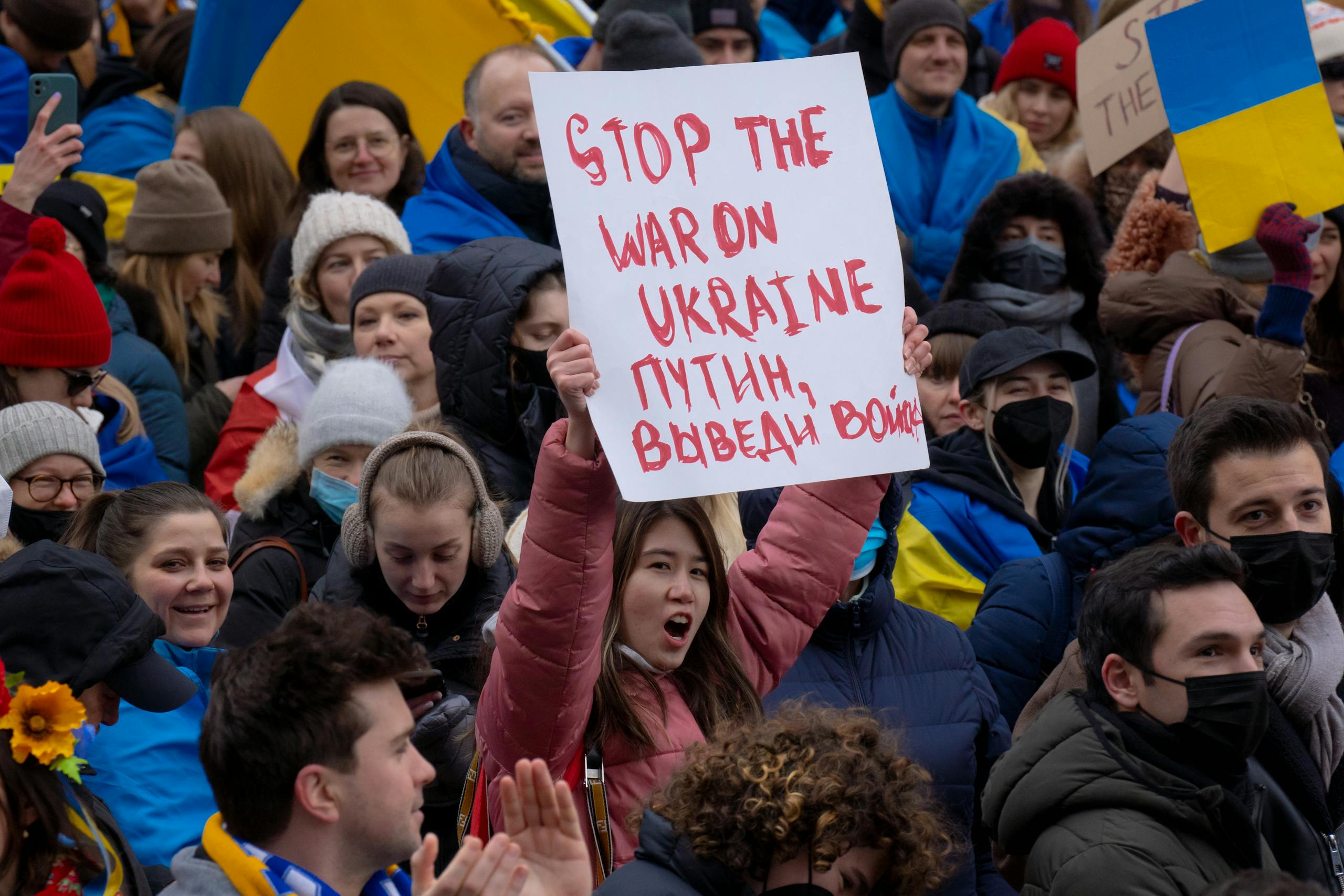
Trump’s approach to Ukraine has also revealed how fractured Republican foreign policy has become. In late 2025, Reuters reported that Trump’s Ukraine peace plan drew unusually harsh criticism from Republican lawmakers, prompting concerns at home and abroad.
The plan reportedly worried critics because it leaned toward terms that many saw as too favorable to Moscow and too painful for Kyiv.
That backlash showed that some Republicans still believe in traditional deterrence, alliance strength, and standing firmly against Russian aggression. But it also exposed the deeper failure.
The party spent years allowing Trump’s foreign-policy worldview to dominate, then struggled to contain it when it collided with older Republican instincts. A party cannot hand the microphone to a strongman-style president, then act surprised when he sings a different anthem.
They Helped Normalize Attacks on Allies
One of Trump’s biggest foreign policy weaknesses is that he often treats allies like delinquent customers rather than as long-term strategic partners. That might thrill voters who like tough talk, but alliances are not cable bills.
NATO, Europe, Japan, South Korea, and Gulf partners all make decisions based on whether America looks reliable.
This is where Republican blame extends beyond a single vote or a single crisis. For years, many Republicans defended Trump’s pressure tactics as smart bargaining. But when allies start wondering if U.S. commitments depend on one man’s mood, America’s leverage shrinks.
A superpower can survive criticism. It struggles when partners begin planning around its unreliability.
They Mistook Toughness for Strategy
Trump’s supporters often describe his foreign policy as tough. The better question is whether it is disciplined. Toughness without strategy can become noise. A threat without a plan can become a trap.
A military action without a clear political endpoint can become exactly the kind of foreign entanglement Republicans once claimed to oppose.
The Iran standoff is a perfect example. Reuters reported that the unresolved conflict could keep global economic pressure alive, including high U.S. gasoline prices, and could darken Republican prospects ahead of the November 2026 midterm elections.
That is the political danger for Republicans. They backed the strongman posture, but voters often judge foreign policy through everyday costs. If gas prices jump, shipping lanes shake, or military commitments expand, slogans will not protect the party from blame.
They Let Trump Turn Foreign Policy Into Political Theater
Foreign policy works best when enemies understand America’s limits and allies understand America’s promises. Trump often flips that order. He makes enemies guess, but he also makes allies guess.
That creates drama, and drama is useful in campaign season. It is far less useful when ships are navigating dangerous waters or when European capitals are trying to read Washington’s next move.
Republicans share blame because too many accepted the theater as long as it energized the base. They praised the performance, ignored the warning signs, and attacked critics as weak.
Then, when a policy became messy, they tried to separate themselves from the consequences. That separation is not convincing anymore.
Conclusion
Trump is the main author of Trump’s foreign policy blunders. But Republicans helped publish the book. They defended the style, blocked restraints, softened criticism, and often treated loyalty as a national security doctrine.
So yes, Republicans are partly to blame. Not because every Republican agreed with every decision, and not because Trump lacks personal responsibility.
They are to blame because a ruling party has a duty to check its own president when the stakes are war, alliances, trade, troops, and global stability. When that party chooses silence, delay, or convenient outrage, it becomes part of the problem.