10 Reasons Voters Are Losing Patience With Both Parties in 2026
America feels tired, and voters are no longer hiding it. At kitchen tables, in grocery aisles, at gas stations, inside hospital waiting rooms, and across social media, the same frustration keeps coming back.
People are working hard, paying more, trusting less, and watching politicians argue as if the country were a game show. For many Americans, the problem is no longer just Democrats or Republicans. The problem is that both parties seem better at winning arguments than fixing lives.
The 2026 political mood feels different because the patience is thinner. Voters have heard the speeches. They have watched the campaign ads. They have seen leaders point fingers across the aisle while ordinary families continue to carry heavier bills, weaker trust, and deeper anxiety.
Many Americans are not asking for miracles. They are asking for a government that can do the basics without turning every issue into a political knife fight.
Prices Are Still Punishing Ordinary Families
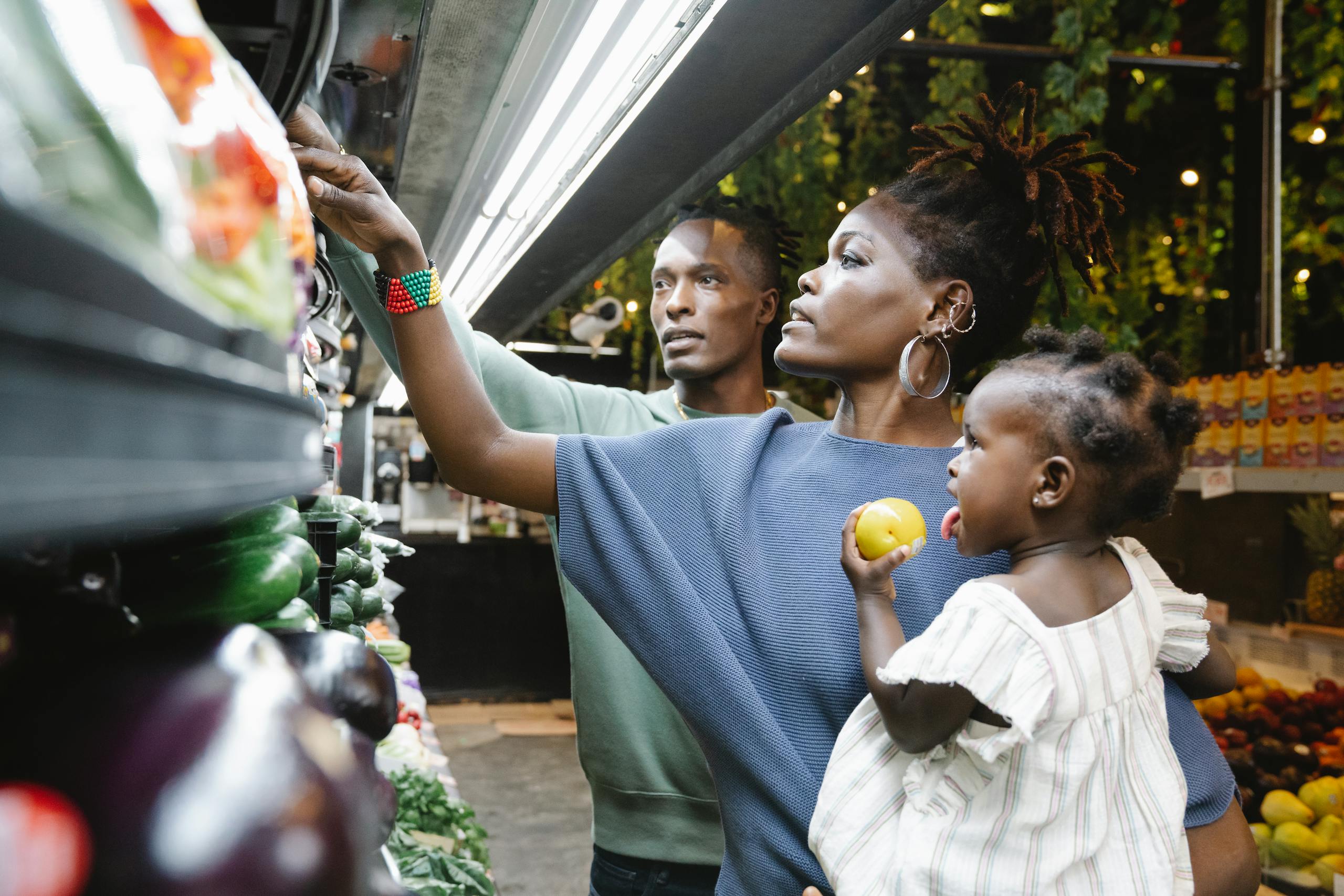
For most voters, the economy is not a chart on cable news. It is the price of eggs, rent, car insurance, gas, medicine, and school supplies. Every trip to the store feels like a small reminder that money doesn’t stretch as far as it used to.
Democrats often talk about protecting working families, but many voters still feel like relief comes too slowly or gets buried in programs they never see directly.
Republicans often promise lower taxes and smaller government, but many families do not feel richer when wages lag behind everyday costs.
The result is a bitter kind of exhaustion. People hear both parties talk about the economy, then look at their receipts and wonder who is actually listening.
Washington Looks Addicted to Fighting
Voters are tired of watching elected officials behave like professional enemies. Every issue becomes a battlefield. Every hearing turns into a performance. Every crisis becomes another chance to score points, raise money, and blame the other side.
This constant fighting makes the government look loud but weak. Americans can argue at the dinner table for free. They do not want to pay politicians to do the same thing forever.
Many voters want compromise, competence, and visible progress. Instead, they get shutdown threats, viral clips, angry speeches, and another reminder that Washington often rewards noise more than results.
Culture War Politics Feels Overused
Cultural issues matter deeply to millions of Americans. Abortion, gender, race, education, religion, and free speech are real concerns, not sideshow topics. The problem is that both parties often use these issues like gasoline.
Republicans lean into cultural anger because it fires up their base. Democrats lean into moral urgency because it fires up theirs. Meanwhile, many voters feel trapped in a political storm that never reaches their rent, wages, health bills, or local safety concerns.
People are not asking leaders to ignore values. They are asking them to stop using values as a substitute for governing.
Trust in Elections Keeps Taking Hits

A democracy cannot stay healthy when people lose faith in the system that chooses its leaders. Many voters now believe that district maps are rigged, that campaign money has too much power, and that election rules are written to help politicians before citizens.
Republicans have spent years raising doubts about election integrity, sometimes in ways that deepen suspicion instead of solving real problems.
Democrats often warn about voter suppression and gerrymandering, but many voters feel they have failed to create lasting reforms when they had chances to act.
The result is dangerous. When people feel the system is unfair, they stop seeing politics as public service and start seeing it as a locked room.
Health Care Still Feels Like a Trap
Health care remains one of the clearest reasons voters are angry with both parties. Americans can have insurance and still fear the bill. They can work full-time and still avoid the doctor. They can do everything right and still be one diagnosis away from financial panic.
Democrats promised a more humane system, but many families still face high premiums, painful deductibles, and confusing coverage. Republicans have spent years attacking the Affordable Care Act without offering a replacement that feels realistic to most people.
Voters are tired of health care being treated like a campaign weapon. They want care that is affordable, simple, and available before life turns into an emergency.
Many Americans Believe Politicians Serve Donors First
Nothing poisons public trust faster than the feeling that politicians are living by different rules. Voters see lobbyists move through Washington with ease.
They see campaign money flood elections. They see lawmakers leave office and land comfortable jobs connected to the industries they once regulated.
This anger hits both parties. Democrats speak about protecting the little guy, but many still take money from powerful interests. Republicans speak about draining the swamp, but plenty of their leaders swim in the same waters.
To ordinary Americans, the message feels clear. The system listens fastest when money speaks loudest.
The Rich Keep Winning While Everyone Else Waits
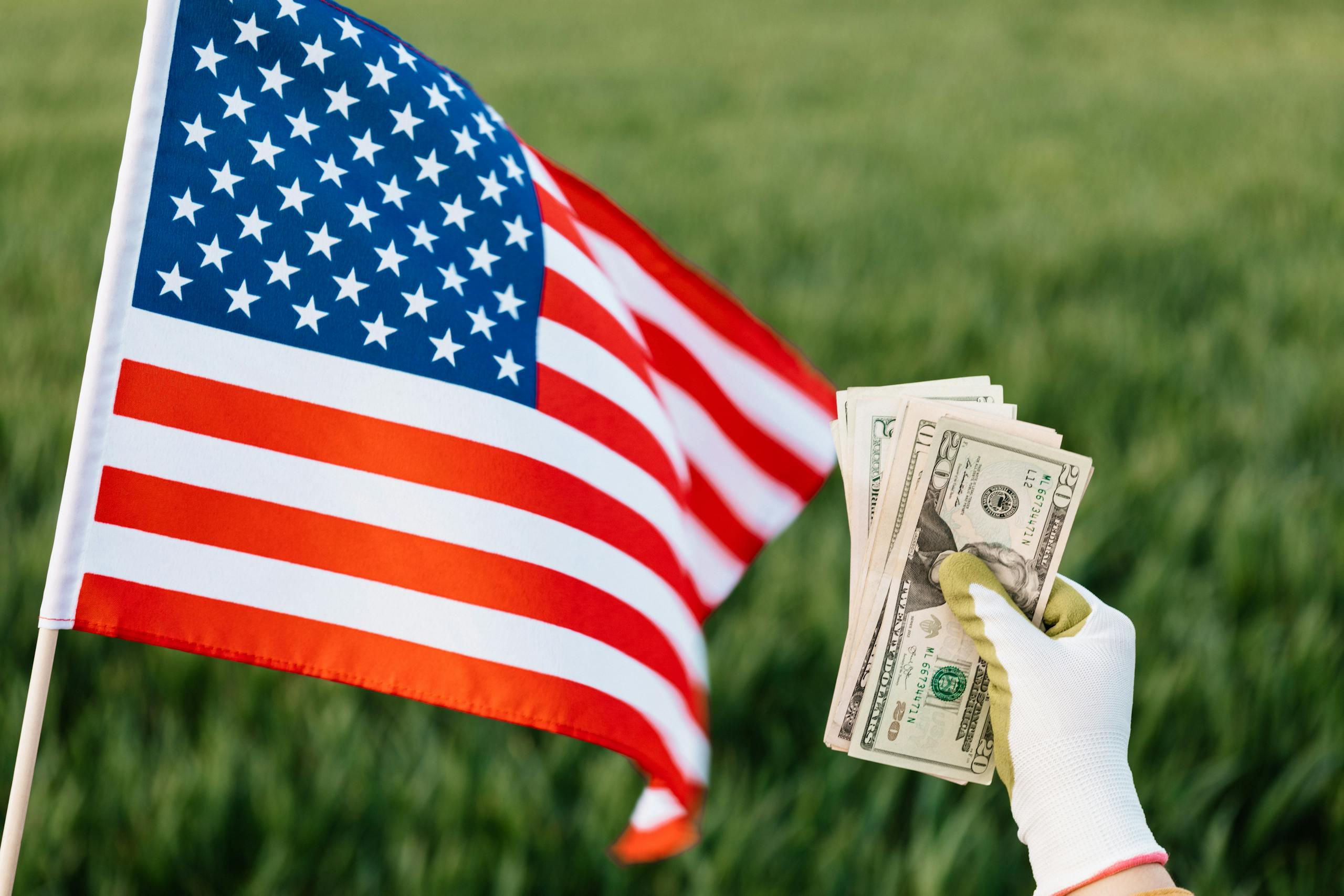
Economic inequality has become one of America’s deepest political wounds. Many voters feel that no matter which party wins, the wealthy find a way to stay protected.
Stocks rise, executive pay grows, home prices climb, and major corporations keep influence. Meanwhile, workers are told to be patient.
Democrats often talk about taxing the rich and expanding support, but critics say they move too carefully when powerful donors object.
Republicans often defend tax cuts and business growth, but many voters do not see that growth reaching their paychecks. The frustration is simple. People are tired of being told the economy is strong when their own lives feel financially fragile.
Climate Problems Are Becoming Harder to Ignore
For many Americans, climate change is no longer a distant debate. It shows up as floods, heat waves, wildfires, insurance shocks, damaged homes, and rising utility costs. People may disagree about policy, but they can see strange weather and higher risk with their own eyes.
Democrats often promise bold climate action, but their plans can feel slow, expensive, or tangled in bureaucracy. Republicans often focus on energy prices and fossil fuel jobs, but many voters worry that ignoring long-term risks will cost more later.
Americans want practical solutions that protect jobs, lower bills, and prepare communities. Instead, they often get slogans from both sides and bigger repair bills after the next disaster.
Immigration Has Become a Permanent Political Weapon
Immigration is one of the clearest examples of both parties failing to solve a problem they keep using for votes. Border communities feel strained. Cities argue over resources.
Migrants face confusion and danger. Voters hear the same promises every election cycle, then watch the same crisis return with a new headline.
Republicans often focus on enforcement and border security, which many voters support, but they rarely offer a full plan for workers, families, legal pathways, and long-term reform.
Democrats often speak with compassion, but critics say they struggle to balance humanitarian values with public order and practical capacity. The result is a broken system that keeps feeding anger on all sides.
Americans Are Tired of Being Forced Into Political Teams
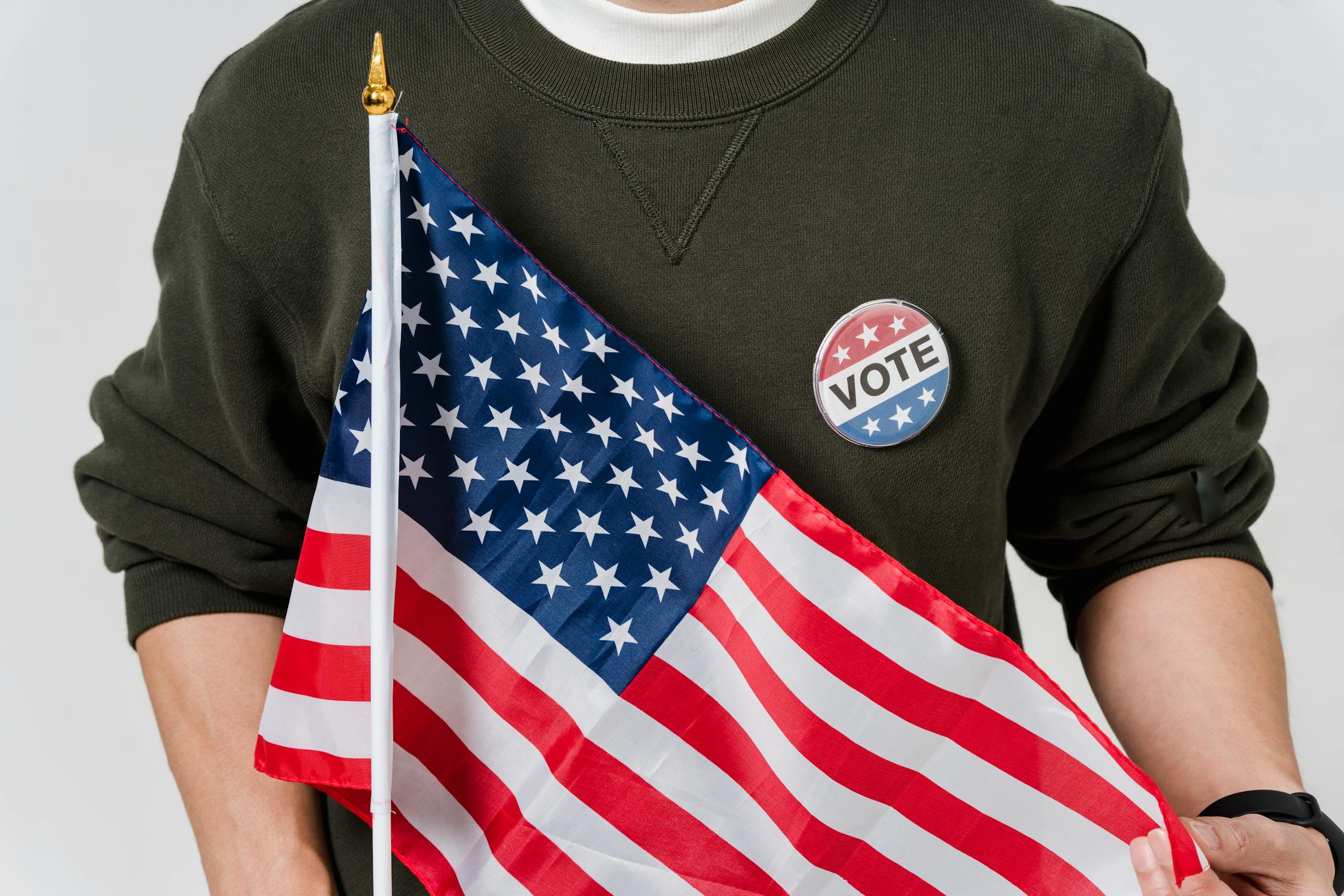
Perhaps the biggest reason voters are losing patience is emotional fatigue. Politics has become too personal, too hostile, and too constant. People are pushed to pick a side, defend everything that side does, and treat disagreement like betrayal.
Many Americans do not fit neatly into party boxes. They may want border security and affordable health care. They may support abortion rights and lower taxes. They may care about police funding and criminal justice reform.
The two-party system often leaves these voters feeling politically homeless. They are tired of being told what team they belong to when their real concerns are more complicated than a bumper sticker.
Conclusion
The patience of American voters is wearing thin because both parties have made too many promises that everyday life does not confirm. People hear about progress, but their bills stay high.
They hear about freedom, but their choices feel limited. They hear about democracy, but the system feels controlled by money, maps, and permanent campaigns.
This frustration does not mean voters have stopped caring. It means they are paying closer attention. They want leaders who can solve problems without turning every conversation into a televised brawl. They want a politics that feels connected to real life again.
In 2026, the warning is clear. Americans are not just angry at one party. They are losing patience with the performance itself.
And if both parties continue to treat frustration as a campaign strategy rather than a national alarm bell, voters may start looking for answers far outside the usual script.