6 Warning Signs the 2028 Presidential Race Is Already Getting Messy
The 2028 presidential race is still years away, but early indicators suggest the battle for the White House is already shaping up to be anything but smooth.
As political parties gear up and the field of contenders begins to take shape, several warning signs are emerging that suggest the next election cycle could be even more contentious than the one before. From bitter partisan divides to volatile social issues, the stage is being set for a race that promises to be messy, divisive, and unpredictable.
Let’s take a look at 6 warning signs the 2028 race is already getting messy and shaping up to be chaotic.
The Reigniting of Partisan Divides
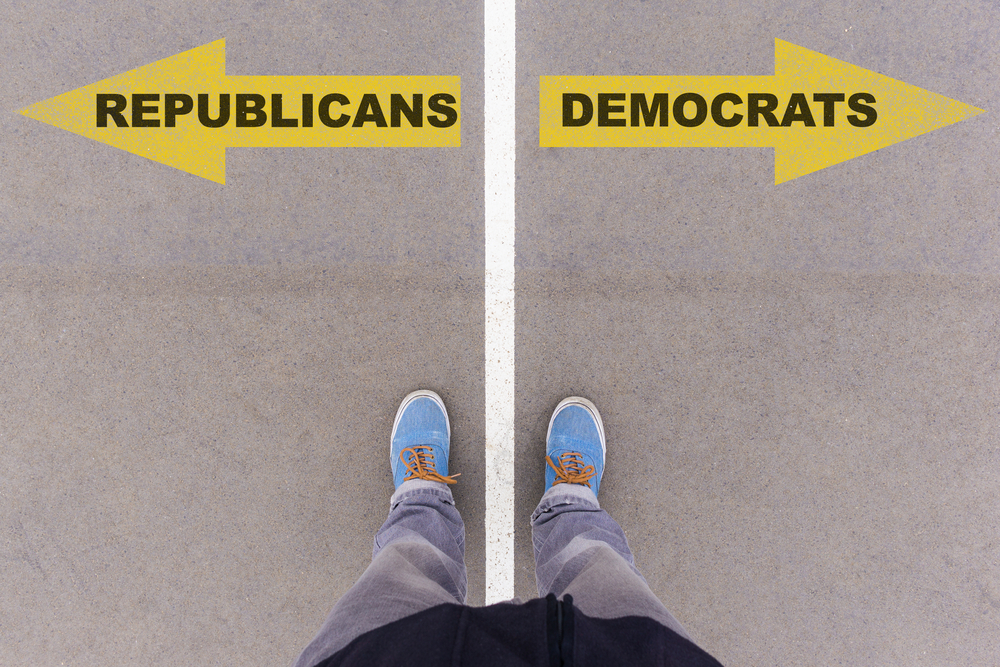
The partisan divide in the United States continues to deepen with each election cycle, and 2028 looks no different. The political climate has become increasingly polarized, with voters on both sides of the aisle feeling more alienated from each other than ever before.
This deepening division will likely fuel the rhetoric in the presidential race, with candidates playing to their bases rather than seeking unity. As the country grapples with issues like climate change, healthcare, and social justice, it’s clear that neither party is ready to compromise. Instead, we’re headed for a bitter battle where each candidate will likely be forced to take increasingly extreme positions to galvanize their supporters, potentially making the general election even more divisive.
Rising Influence of Social Media and Misinformation
Social media continues to play a dominant role in shaping political discourse, and the 2028 presidential race is expected to be no exception. Misinformation, fake news, and viral campaigns can spread quickly on platforms like Twitter, Facebook, and TikTok, making it harder for voters to discern fact from fiction.
With the advent of artificial intelligence and deepfake technology, political campaigns will have new tools to manipulate the narrative and spread misleading information. While these tactics may be effective in driving voter engagement, they also have the potential to undermine the integrity of the election process.
By 2028, we can expect even more aggressive tactics from candidates, making the race not only chaotic but potentially dangerous for democracy.
Intense Primary Battles
In both major political parties, the primary races are likely to be long, hard-fought, and full of drama. As more candidates throw their hats into the ring, the competition will only intensify. The rise of populist movements in both parties could mean a crowded field of contenders vying for the spotlight, each trying to capture the hearts and minds of the party’s base.
With ideological differences becoming more pronounced, party leaders will find it increasingly difficult to maintain unity, and fractures within the party could cause lasting damage. The 2028 primaries are shaping up to be a battlefield of warring factions, each pushing its own agenda, making the path to the nomination chaotic and divisive.
The Growing Role of Special Interest Groups
Special interest groups, Super PACs, and corporate donors will continue to play an outsized role in the 2028 election, injecting huge sums of money into campaigns. While these groups claim to support causes that benefit the American people, their influence often skews political messaging and decision-making.
As candidates bend to the will of wealthy donors and lobbyists, voters will become more disillusioned by the corruption and undue influence that drive political campaigns. This can lead to a race where the interests of the general public are sidelined in favor of big-money backers, resulting in an election cycle marked by deep cynicism and distrust. The role of money in politics is likely to make the 2028 race even more difficult to navigate.
Growing Threats to Election Integrity
Concerns about election integrity are expected to continue haunting the 2028 race. While the United States has made strides to secure its election systems since 2020, there are still concerns about voter suppression, hacking, and foreign interference.
As distrust in the election process grows, candidates will likely face increasing pressure to take stronger stances on election security, which could backfire and further polarize the electorate. The political climate surrounding election integrity is likely to fuel conspiracy theories and undermine confidence in the system. As the race heats up, expect to see more attacks on the legitimacy of the election results, regardless of who wins.
The Potential for a Rematch of 2024 Candidates
While it may seem early to speculate, there’s a growing possibility that the 2028 presidential race could feature a rematch of the 2024 candidates. Should the 2024 presidential race be particularly contentious or unresolved, both major political parties could be left with little choice but to renominate their previous candidates.
This would likely create fatigue among voters, who may be exhausted by years of similar candidates and the same divisive rhetoric. A rematch could reignite old rivalries and make the campaign even more bitter, with voters becoming increasingly polarized and disengaged from the process.
Conclusion
The 2028 presidential race is still several years away, but the early signs suggest that it could be a tumultuous, messy, and exhausting campaign. From deepening partisan divides to the rise of misinformation and the influence of money in politics, the challenges facing the candidates and voters alike are only going to grow.
The political atmosphere is likely to be charged with emotion, distrust, and disillusionment, making the road to the White House an even harder one to navigate.
As we look ahead, it’s clear that the 2028 election will not be a smooth ride, but a battleground that will test the resilience of the American political system.