6 Symptoms You Should Never Dismiss as Normal Aging
Symptoms you should never dismiss as normal aging include worsening joint pain, sudden changes in bathroom habits, chest tightness, shortness of breath, memory changes, and new headaches.
Here is what deserves medical attention.
Aging changes the body, but it should not become a convenient excuse for every new ache, strange sensation, or sudden change in how we function.
A little stiffness after sitting too long may be ordinary, but pain that grows sharper with movement, wakes us at night, or limits daily life deserves more than a shrug.
The same is true for bathroom changes, breathlessness, chest pressure, memory lapses, and headaches that feel different from the usual pattern.
These symptoms can come from treatable problems, and catching them early can protect independence, mobility, heart health, brain health, and quality of life.
Medical experts often stress one simple rule: normal aging tends to be gradual, but sudden, worsening, or disruptive symptoms need attention.
Pain That Gets Worse After Moving

Joint stiffness after waking up or sitting for a long time is common as we get older, especially because cartilage, muscle strength, and flexibility can change over time. That kind of stiffness often improves once the body warms up.
The warning sign is pain that moves in the opposite direction. If walking, climbing stairs, lifting, reaching, or bending makes the pain sharper, heavier, or harder to manage, the body may be signaling inflammation, arthritis, tendon injury, joint damage, or another musculoskeletal problem.
Pain also deserves attention when accompanied by swelling, redness, warmth, tenderness, clicking, locking, or reduced range of motion.
The National Institute of Arthritis and Musculoskeletal and Skin Diseases explains that arthritis can cause pain, redness, stiffness, heat, and swelling in the joints, and different types require different treatments.
Sudden Bathroom Changes
Many people urinate more often as they age, especially at night. That does not mean every bathroom change is harmless.
Sudden urgency, burning, pain, a weak stream, trouble starting, trouble emptying the bladder, new leakage, pelvic pressure, or blood in the urine should be taken seriously.
These symptoms can point to urinary tract infection, kidney stones, prostate enlargement, bladder problems, medication effects, or other conditions that should be checked.
Blood in the urine is one of the clearest red flags. Mayo Clinic notes that hematuria can sometimes have a harmless cause, but it can also signal serious illness, and the cause should be identified.
The CDC lists pain or burning during urination, frequent urination, urgency despite an empty bladder, bloody urine, and lower abdominal pressure as possible bladder infection symptoms.
For men, the National Institute of Diabetes and Digestive and Kidney Diseases lists weak or interrupted stream, trouble starting, urgency, frequency, nocturia, and pain during urination among symptoms linked with an enlarged prostate.
Chest Tightness During Activity
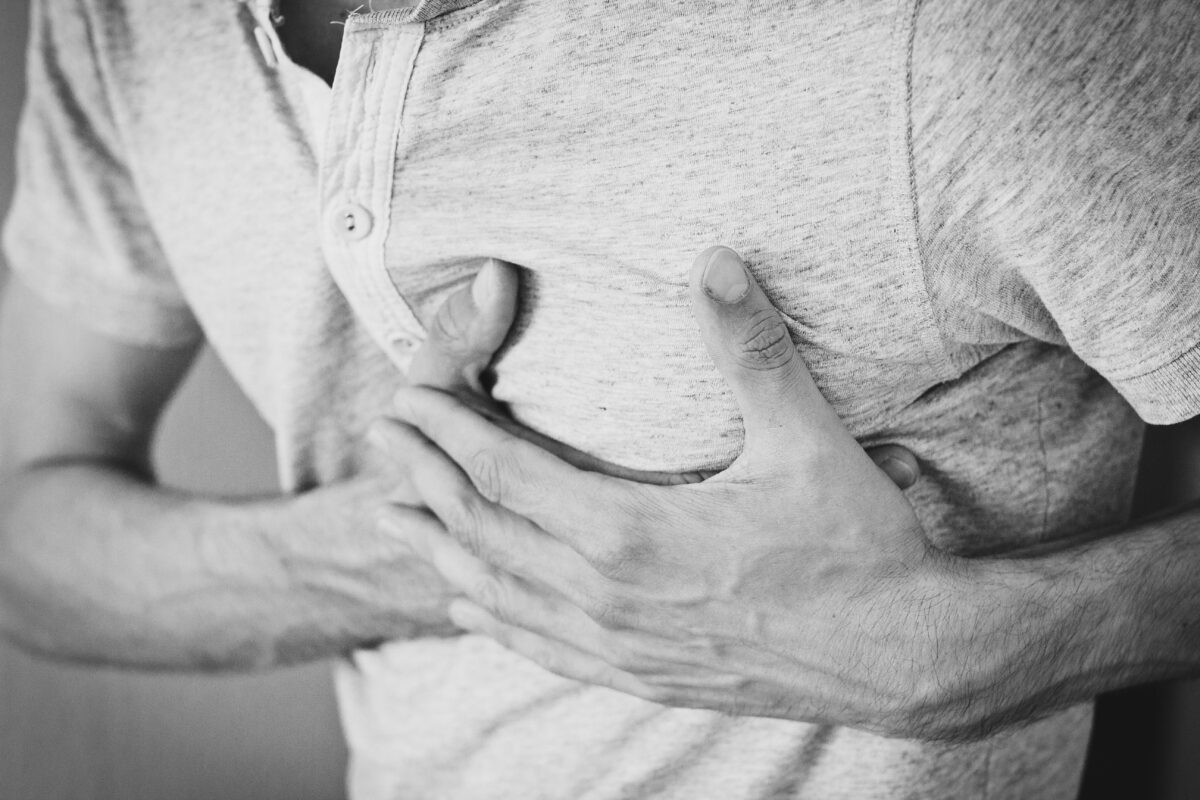
Chest tightness should never be brushed aside as “just getting older,” especially when it appears during walking, climbing stairs, carrying groceries, doing yardwork, or after meals.
Heart-related discomfort does not always feel like dramatic chest pain. It can feel like pressure, squeezing, heaviness, burning, fullness, indigestion, or discomfort that spreads to the neck, jaw, shoulder, arm, back, or upper stomach.
The American Heart Association warns that heart attack symptoms can include chest discomfort, upper-body discomfort, shortness of breath, cold sweat, nausea, or lightheadedness.
Angina can feel like pressure or squeezing in the chest and may spread to the shoulders, arms, neck, jaw, abdomen, or back; it may even feel like an upset stomach.
Chest discomfort that appears with exertion, does not fade, keeps returning, or comes with shortness of breath, sweating, nausea, dizziness, or weakness should be treated as urgent.
Shortness of Breath After Normal Activity

Getting winded after intense exercise is different from struggling to breathe after ordinary activity.
If climbing one flight of stairs, walking across a room, speaking in full sentences, getting dressed, or lying flat suddenly becomes difficult, that is not simply “being out of shape” until proven otherwise.
Shortness of breath can be caused by heart disease, lung disease, anemia, blood clots, infection, medication effects, or other conditions that require evaluation.
The CDC lists shortness of breath during daily activities, trouble breathing while lying down, swelling in the feet, legs, ankles, or stomach, and tiredness or weakness as common heart failure symptoms.
Memory Slips That Become a Pattern
Forgetting a name, misplacing keys, or briefly forgetting why you’re in a room can happen to anyone. Normal age-related memory changes are usually occasional and do not seriously disrupt daily life.
The concern begins when memory slips become frequent, patterned, or risky.
Repeating the same question, missing appointments often, getting lost in familiar places, struggling to follow conversations, or making unusual judgment mistakes can signal something beyond ordinary aging.
The National Institute on Aging explains that memory problems can come from many causes, including medication side effects, vitamin deficiency, sleep issues, depression, mild cognitive impairment, or dementia, so evaluation matters.
Headaches That Change Pattern

A familiar tension headache after poor sleep, dehydration, stress, or eye strain is one thing.
A new headache after midlife, a headache that grows more intense, a headache that wakes someone from sleep, or a headache that arrives with confusion, weakness, vision changes, numbness, trouble speaking, or fainting is different.
Headaches that change in pattern deserve attention because the change itself can be the warning sign.
The Pattern Rule That Separates Aging From Warning Signs
Normal aging usually moves slowly. It tends to show up as gradual stiffness, slower recovery, mild changes in endurance, occasional forgetfulness, or needing more care with diet, sleep, movement, and medications.
Warning signs often behave differently. They appear suddenly, worsen over days or weeks, interrupt sleep, limit normal activity, come with swelling or bleeding, or change a familiar symptom into something new.
We should pay close attention to symptoms that affect function. A minor ache becomes more serious when it keeps someone from walking, dressing, cooking, working, sleeping, using the bathroom normally, or holding a conversation.
When to Seek Care Quickly
Some symptoms should not wait for a routine appointment. Chest pressure with shortness of breath, sweating, nausea, pain spreading to the jaw or arm, or dizziness can be signs of a heart attack.
A sudden severe headache, new weakness, facial drooping, speech trouble, confusion, or vision loss can signal a neurological emergency.
Blood in the urine, sudden inability to urinate, severe joint swelling with fever, or breathlessness at rest should also be treated urgently.
Other symptoms may not require the emergency room, but they still deserve a medical visit.
These include joint pain lasting more than a few weeks, repeated bathroom changes, frequent memory mistakes, worsening headaches, breathlessness during daily tasks, or chest tightness that keeps returning.
The goal is not panic. The goal is catching treatable problems early enough to protect health and independence.
Questions to Track Before Calling a Doctor

Before an appointment, we should write down when the symptom started, what makes it better or worse, how often it happens, and whether it affects sleep or daily tasks.
It also helps to list medications, supplements, recent illnesses, falls, injuries, diet changes, and family history.
A clear timeline can help a clinician separate normal age-related change from infection, inflammation, heart disease, lung disease, medication side effects, neurological changes, or other causes.
For memory symptoms, family observations can be especially useful. For bathroom symptoms, details such as burning, blood, stream strength, urgency, fever, back pain, or nighttime frequency matter.
For chest tightness or shortness of breath, note whether the symptom appears with exertion, improves with rest, occurs lying down, or comes with swelling.
For headaches, track intensity, location, triggers, vision changes, nausea, weakness, and whether the headache is new or different.
Key Takeaway
Aging can bring stiffness, slower recovery, mild bladder changes, and occasional forgetfulness, but it should not erase our instinct to notice what feels new, sudden, worsening, or disruptive.
Pain that worsens with movement, sudden bathroom changes, chest tightness, shortness of breath, repeated memory problems, and changing headaches all deserve attention because they can point to treatable conditions.
The safest approach is simple: do not diagnose every symptom as “old age.” Track the pattern, respect the red flags, and seek medical care when symptoms interfere with normal life, appear suddenly, or keep getting worse.