13 Worst Foods Pregnant Women Should Not Be Consuming
Pregnancy can turn the kitchen into a place of cravings, caution, and second-guessing. One minute, a woman wants pickles, fries, and ice cream. Next, she is staring at a deli sandwich, wondering if it is a harmless lunch or a risky choice. The truth is simple: pregnancy does not mean eating with fear, but it does mean eating with sharper awareness.
Some foods carry higher risks because they may contain harmful bacteria, parasites, too much mercury, or ingredients that can affect a developing baby. Pregnant women are also more vulnerable to foodborne illness, and some infections can affect the baby even when the mother does not feel seriously sick. These are the foods that warrant extra caution during pregnancy, according to pregnancy food safety guidance from health authorities.
High Mercury Fish
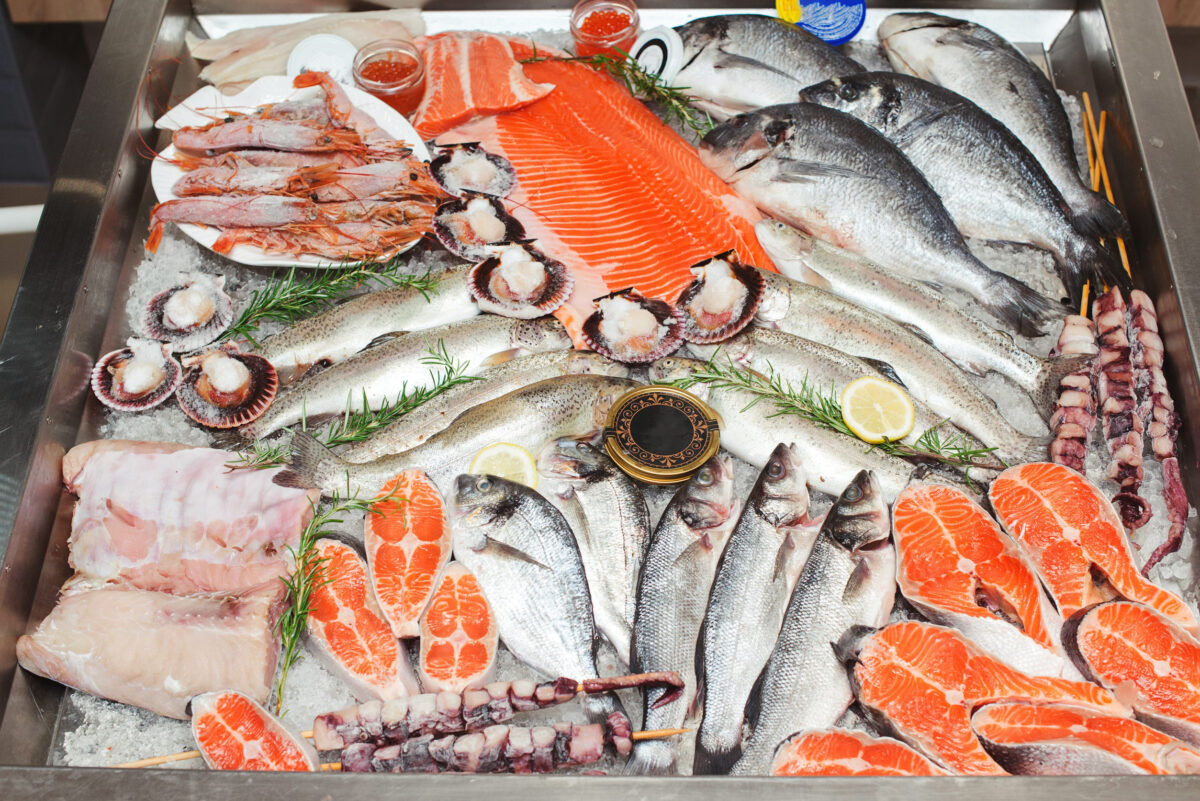
Fish can be one of the healthiest foods during pregnancy, but not all fish deserve a spot on the plate. Shark, swordfish, king mackerel, marlin, orange roughy, bigeye tuna, and tilefish from the Gulf of Mexico are among the fish pregnant women are advised to avoid because they contain high levels of mercury.
Mercury can affect a baby’s developing brain and nervous system, making these fish a poor tradeoff even when they look fancy on a restaurant menu.
Raw Sushi
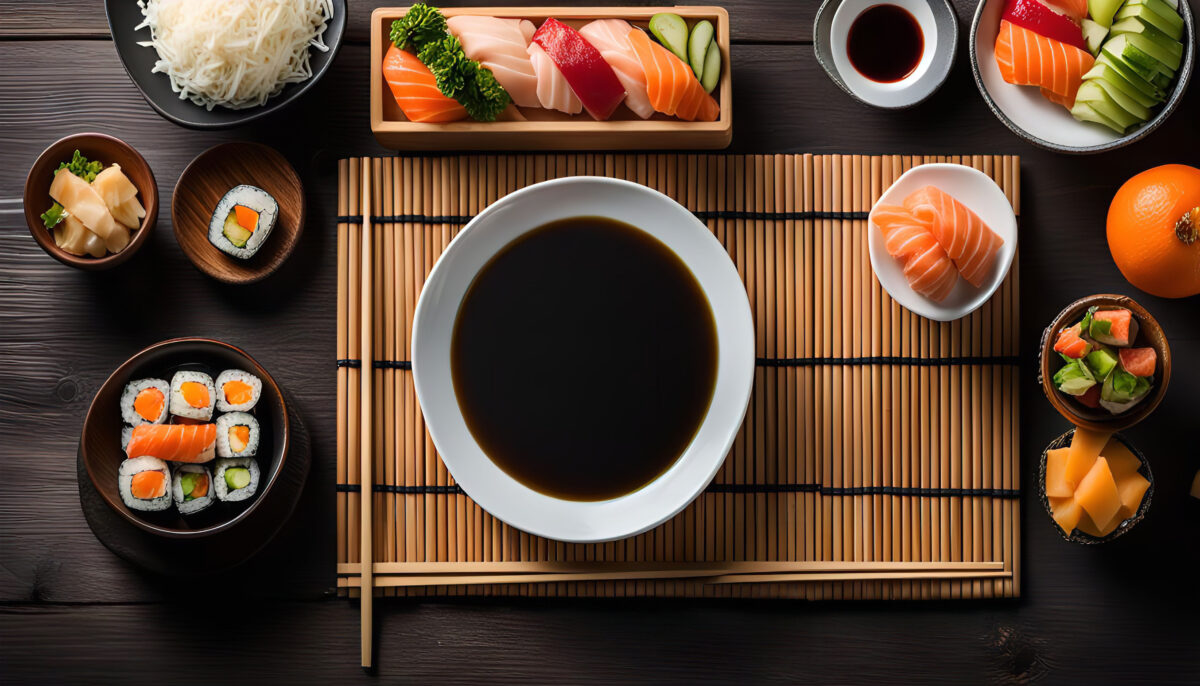
Raw sushi may feel light, clean, and harmless, but pregnancy changes the risk equation. Raw fish can carry bacteria or parasites that may lead to food poisoning, and that is not something a pregnant body handles casually.
Cooked sushi is usually a safer choice, so the craving does not have to disappear completely.
Undercooked Meat
A rare steak may look luxurious, but pregnancy is not the best time to gamble with pink centers and guesswork.
Undercooked beef, pork, lamb, poultry, and other meats can carry bacteria or parasites that may cause serious illness. Meat should be cooked thoroughly, and a thermometer is more reliable than relying on color.
Deli Meat That Has Not Been Heated
Cold cuts are convenient, especially when hunger hits fast, but unheated deli meat can carry Listeria. This germ is especially concerning during pregnancy because it can grow even in refrigerated foods and may lead to severe complications.
If deli meat is eaten, it should be heated until steaming hot.
Hot Dogs That Are Not Steaming Hot
Hot dogs may seem fully cooked, but they still need careful handling during pregnancy. Like deli meat, they can become contaminated after processing or during storage.
Pregnant women should only eat them when they have been heated until steaming hot, not barely warmed or tossed cold into a quick snack.
Raw or Runny Eggs
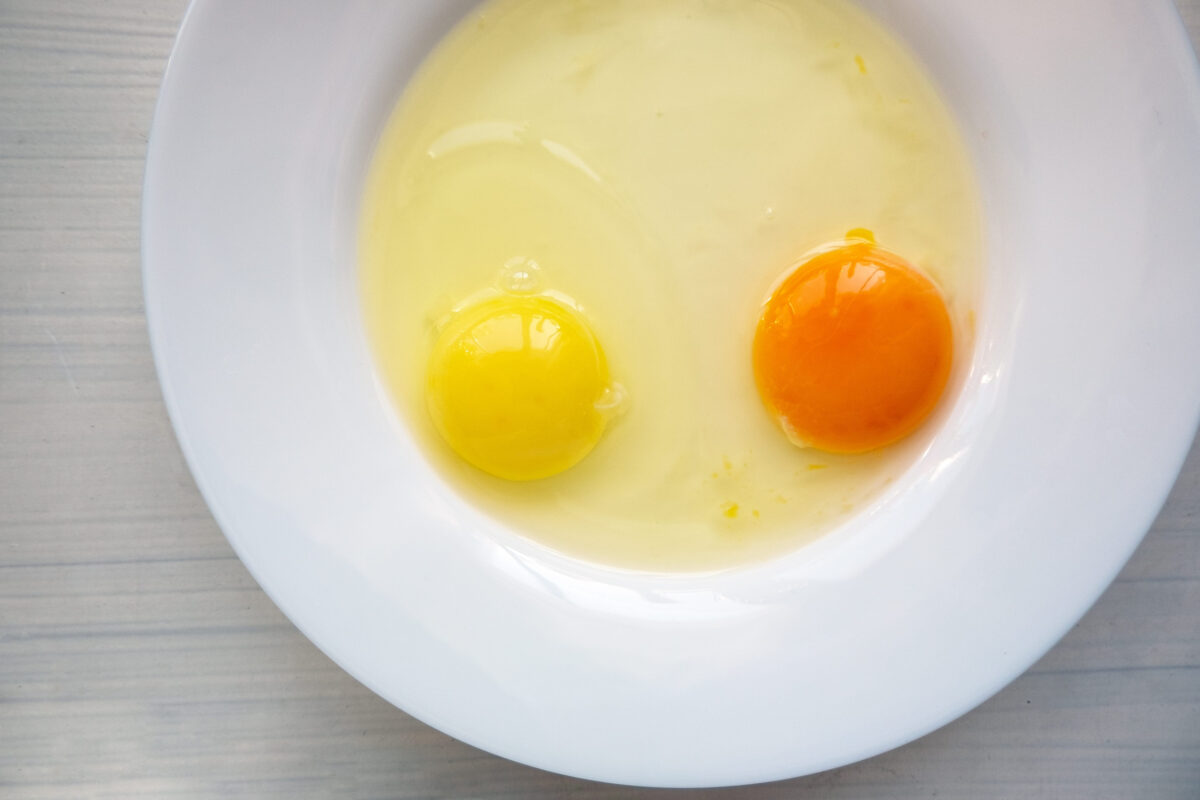
Runny yolks may look beautiful on toast, but pregnancy calls for firmer boundaries. Raw or undercooked eggs can carry harmful bacteria, including Salmonella.
That means homemade Caesar dressing, raw cookie dough, homemade mayonnaise, tiramisu, and soft scrambled eggs deserve extra caution unless they are made with pasteurized eggs and handled safely.
Unpasteurized Milk
Unpasteurized milk has gained attention in some wellness circles, but it is not a wise pregnancy trend.
Raw milk can contain dangerous germs, including Listeria, Salmonella, and E. coli. Pasteurized milk gives the body calcium and nutrients without the same level of food safety risk.
Soft Cheese Made With Unpasteurized Milk
Soft cheese can be safe during pregnancy when it is made with pasteurized milk, but unpasteurized versions are problematic.
Some queso fresco, Brie, Camembert, blue cheese, and similar cheeses may carry Listeria if made or stored unsafely. Always checking the label is not being dramatic; it is being smart.
Raw Sprouts
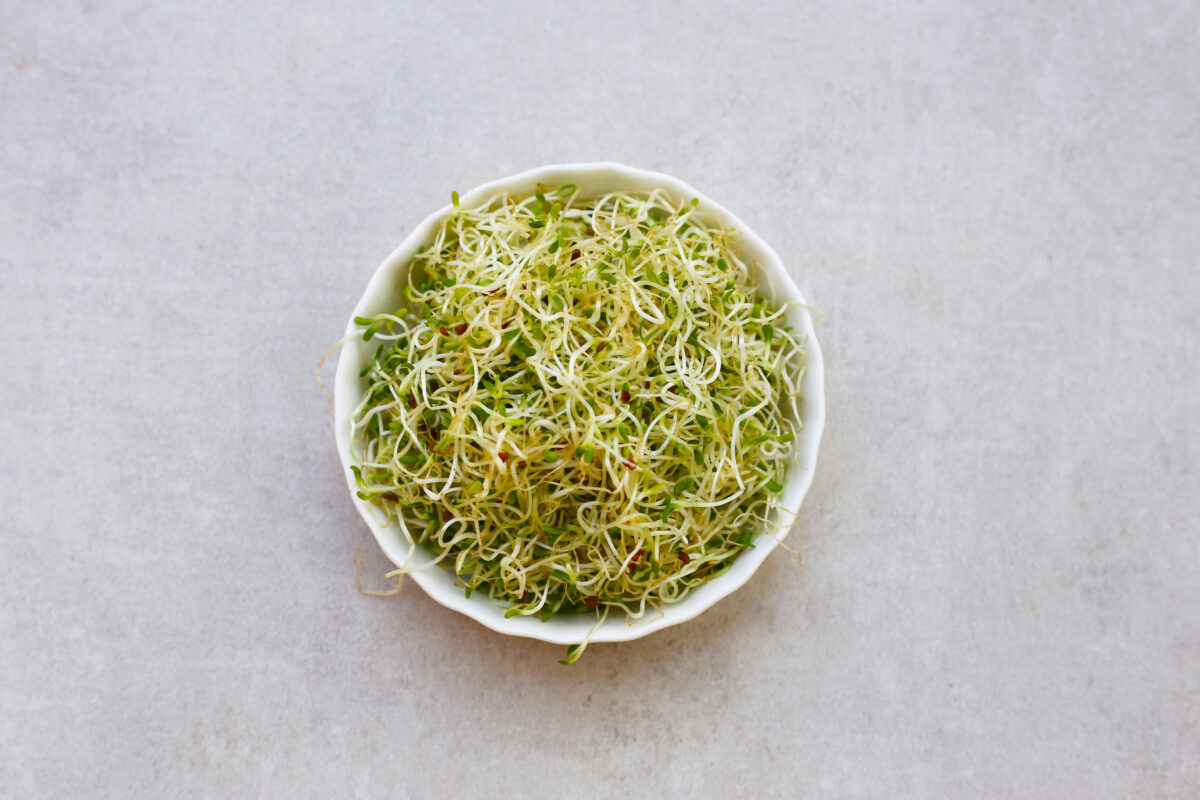
Sprouts look fresh and innocent, but they are one of the sneakiest, riskiest foods. Alfalfa, clover, mung bean, and radish sprouts can harbor bacteria that hide within the seeds before the sprouts even grow.
Washing them may not remove the danger, so cooked sprouts are the safer route during pregnancy.
Refrigerated Pâté and Meat Spreads
Refrigerated pâtés and meat spreads may seem like elegant appetizers, but they are not ideal foods during pregnancy.
These ready-to-eat refrigerated products can carry Listeria, especially when stored for several days or served cold. Shelf-stable canned versions are usually safer, but refrigerated spreads should be avoided unless a healthcare provider says otherwise.
Premade Meat and Seafood Salads
Chicken salad, tuna salad, ham salad, and seafood salad from deli counters can be risky because they are often stored cold and handled by multiple people before they reach the customer.
The danger is not always the ingredient itself, but the storage time, temperature, and handling. Freshly prepared versions at home, made with safe ingredients and eaten quickly, are usually a better choice.
Too Much Caffeine
Coffee is not automatically banned during pregnancy, but too much caffeine can become a problem. Moderate caffeine intake under 200 milligrams per day is generally treated as the safer limit, which means coffee, tea, soda, energy drinks, and chocolate all need to be counted together.
The hidden danger is not one small cup, but the accidental accumulation of caffeine throughout the day.
Alcohol

Alcohol is the one item on this list with the clearest warning. There is no known safe amount of alcohol during pregnancy, and there is no safe stage of pregnancy for drinking.
Wine, beer, cocktails, and liquor all carry risk, so the safest choice is to avoid alcohol completely.
Conclusion
Pregnancy food rules can feel overwhelming, especially when cravings, nausea, busy schedules, and family opinions all collide. Still, the goal is not to make pregnant women afraid of food. The goal is to help them avoid the choices that carry the highest risk and replace them with safer options that still feel satisfying.
A smart pregnancy plate can include cooked seafood low in mercury, pasteurized dairy, fully cooked eggs, fresh fruits, vegetables, whole grains, beans, lean proteins, and plenty of water. When there is doubt, the safest move is to read labels, cook food thoroughly, avoid risky raw foods, and ask an OB-GYN or a qualified healthcare provider for personal guidance. Pregnancy already asks a woman to carry enough, so her food choices should support her body, protect the baby, and give her peace of mind.