10 Ways the COVID-19 Aftermath Is Destroying American Health and Food Culture
The pandemic did not just change how Americans worked, shopped, and socialized. It changed how millions of people ate, and some of those habits never left the kitchen. What started as comfort food, survival meals, delivery apps, snack drawers, and stress eating has turned into a deeper food culture problem.
America is now living with the leftovers of the COVID-19 era. The fridge is fuller, the cooking routine is weaker, the takeout habit is stronger, and the line between hunger, boredom, anxiety, and convenience has become dangerously blurry.
Comfort Eating Became a Lifestyle
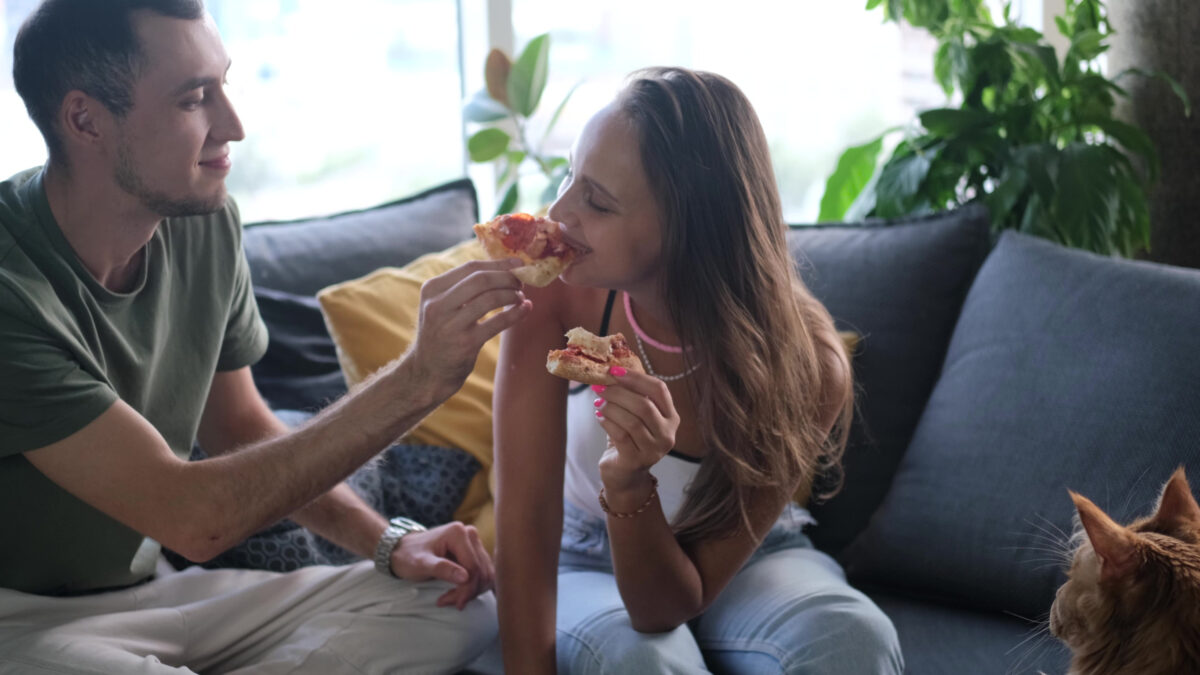
During lockdowns, food became more than fuel. It became entertainment, comfort, distraction, and reward. A plate of nachos after a hard day felt harmless, and baking banana bread felt like a sweet way to survive the chaos.
The problem is that comfort eating became a routine long after the emergency ended. Many Americans did not return to normal meals. They carried the emotional eating pattern forward, turning stress, loneliness, and exhaustion into daily cravings.
Delivery Apps Trained People to Stop Cooking

Food delivery felt like a blessing during the pandemic. It helped restaurants survive and gave families a break when cooking felt impossible. But convenience has a way of becoming a trap.
Restaurant data show that takeout, drive-thru, and delivery grew significantly after the pandemic, with off-premises traffic rising from 19 percent to 30 percent at full-service restaurants between 2019 and 2024. Limited-service restaurants also saw off-premises traffic grow from 76 percent to 83 percent during the same period.
Ultra-processed food took over the Pantry.
The pandemic pantry was built for fear. People stocked shelves with frozen meals, boxed snacks, instant noodles, sugary cereals, chips, cookies, and shelf-stable foods that could survive uncertainty. That made sense during the early panic.
The issue is that many households never fully moved back to fresh, balanced meals. CDC data from August 2021 to August 2023 found that ultra-processed foods made up 55 percent of total calories among U.S. youth and adults, with adults ages 19 to 39 getting 54.4 percent of their calories from these foods.
Snacking Replaced Real Meals
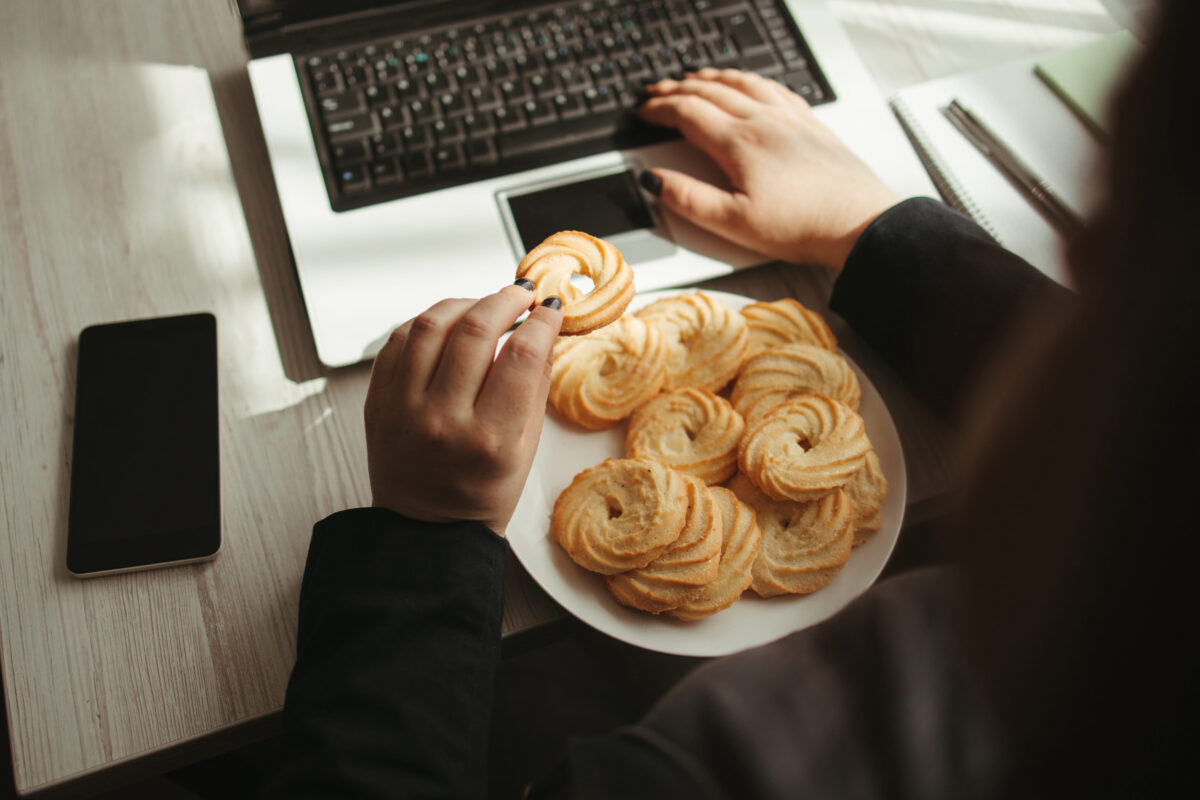
Remote work blurred the eating schedule. Breakfast became coffee and a pastry. Lunch became grazing. Dinner became whatever could be reheated, ordered, or eaten over the sink before another screen session.
That shift weakened the structure of American meals. Instead of sitting down to eat, many people now nibble throughout the day without noticing how much they consume. A handful of chips here, a sweet coffee there, and a late-night bowl of cereal can quietly become a full extra meal.
Family Dinner Lost More Ground
Before the pandemic, many families already struggled to sit down together. After the pandemic, food routines became even more scattered. One person eats at a laptop, another eats from a delivery bag, and someone else microwaves leftovers at midnight.
This matters because family meals are about more than food. They create conversation, routine, manners, cultural memory, and emotional connection. When those moments disappear, food becomes private, rushed, and disconnected from the people around the table.
Stress Turned Grocery Carts Into Emotional Carts
Grocery shopping changed during the pandemic. People bought what felt safe, familiar, filling, and comforting. Price anxiety, shortages, panic buying, and uncertainty pushed many shoppers toward cheap calories and long lasting packaged foods.
That habit still shapes carts today. USDA data show that 13.7 percent of U.S. households were food insecure at some point in 2024, meaning millions of families still faced pressure to get enough food. When money feels tight, nutrition often takes a back seat to fullness.
Weight Gain Became Normalized
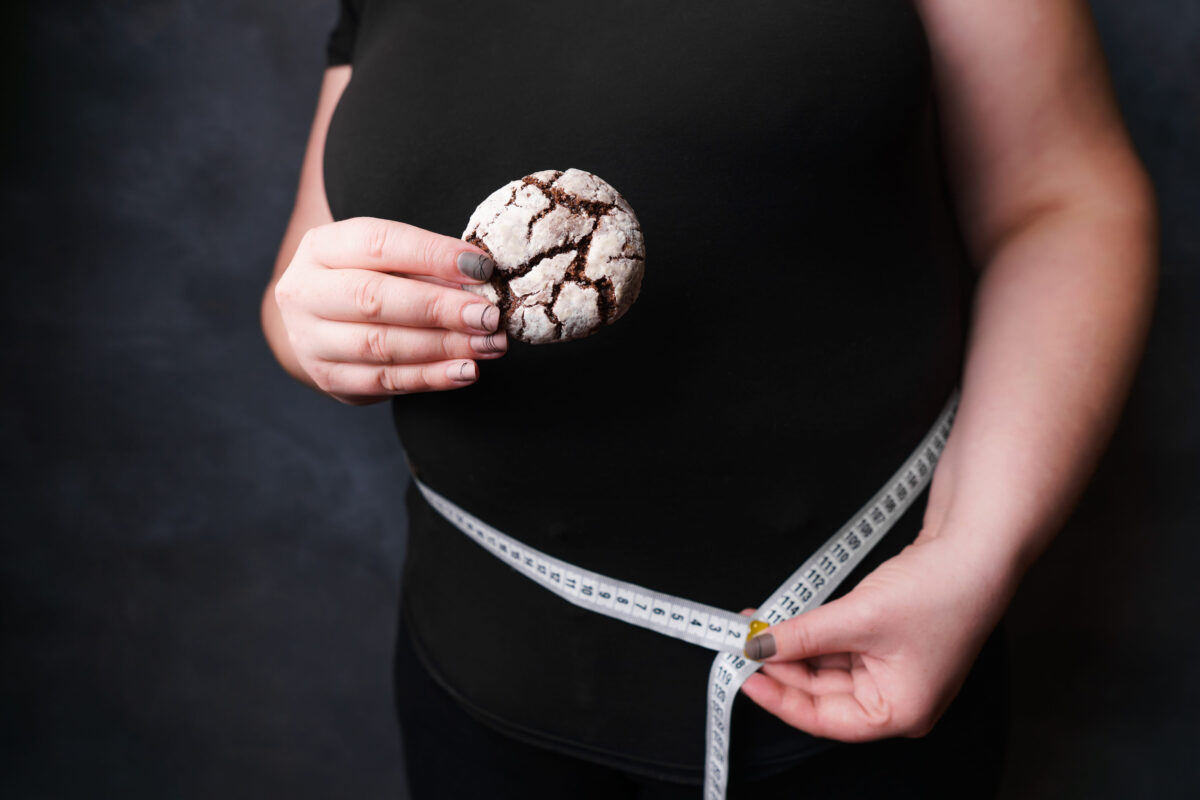
The pandemic did not create America’s obesity crisis, but it poured gasoline on the conditions that feed it. Less movement, more sitting, more screen time, more stress, more alcohol, and more comfort eating formed a perfect storm.
CDC data show that in 2024, every U.S. state and territory had an adult obesity prevalence of at least 25 percent, with the Midwest and South reporting the highest regional levels. Earlier CDC data also showed adult obesity had reached 41.9 percent during 2017 to March 2020, showing the crisis was already severe before pandemic habits hardened.
Kids Learned Bad Food Rhythms Early
Children watched adults cope with stress through food during the pandemic. They saw snacks become rewards, screens become dinner companions, and fast food become a normal answer to exhaustion. That kind of pattern sticks.
The CDC data on ultra-processed foods is especially troubling for children. Youth ages 6 to 11 got 64.8 percent of their calories from ultra-processed foods, and teens ages 12 to 18 got 63 percent. That is not just a diet problem. It is a problem in childhood food culture.
Eating Became More Isolated
Food used to pull people outward. Office lunches, church potlucks, neighborhood cookouts, school cafeterias, family gatherings, and weekend dinners all helped make eating social. The pandemic pushed eating inward.
Now, many Americans eat alone beside a phone, laptop, or television. A restaurant industry analysis of federal time-use data found that people have been spending slightly more time eating and drinking since the pandemic, but that extra time does not always translate into more connection. For many people, it simply means more screen-based eating.
Convenience Is Beating Culture
America has always loved convenience, but the pandemic made convenience feel like survival. The problem is that convenience now competes directly with food culture. Recipes, cooking skills, family traditions, neighborhood restaurants, farmers’ markets, and shared meals are losing ground to the pace of life.
Food culture dies slowly when people stop cooking what their parents made, stop teaching kids how to prepare meals, and stop treating food as something worth slowing down for. A nation cannot build healthy bodies or rich traditions from nothing but app orders and plastic containers.
Conclusion
The COVID-19 aftermath is still sitting on America’s plate. It is in the delivery habit that never ended, the snack drawer that keeps growing, the grocery cart packed with processed comfort, and the family table that stays empty too often. The real danger is not one frozen pizza, one burger, or one late-night dessert. The danger is the new normal that teaches people to eat for convenience, stress, and distraction rather than for health, connection, and culture.
America does not need to romanticize the past to fix this. It needs to rebuild simple food habits that make life healthier and more human. Cooking a few more meals at home, eating without a screen, shopping with intention, teaching kids basic kitchen skills, and protecting family meals can start to reverse the damage. The pandemic changed American eating, but it does not have to write the final recipe.