10 common survival myths that could get you killed
Surviving in the wild isn’t about mastering the latest “survival hack” or trying the tricks you’ve seen in movies or heard from well-meaning friends. In survival situations, the wrong advice can be life-threatening. These myths, often glorified by pop culture, are not only inaccurate but can also actively work against your survival.
Understanding how to truly navigate the wild requires accurate knowledge, calm reasoning, and the ability to recognize these dangerous misconceptions. Let’s debunk these myths and set the record straight on how to handle yourself in real survival situations.
Sucking Out Snake Venom Won’t Save Your Life
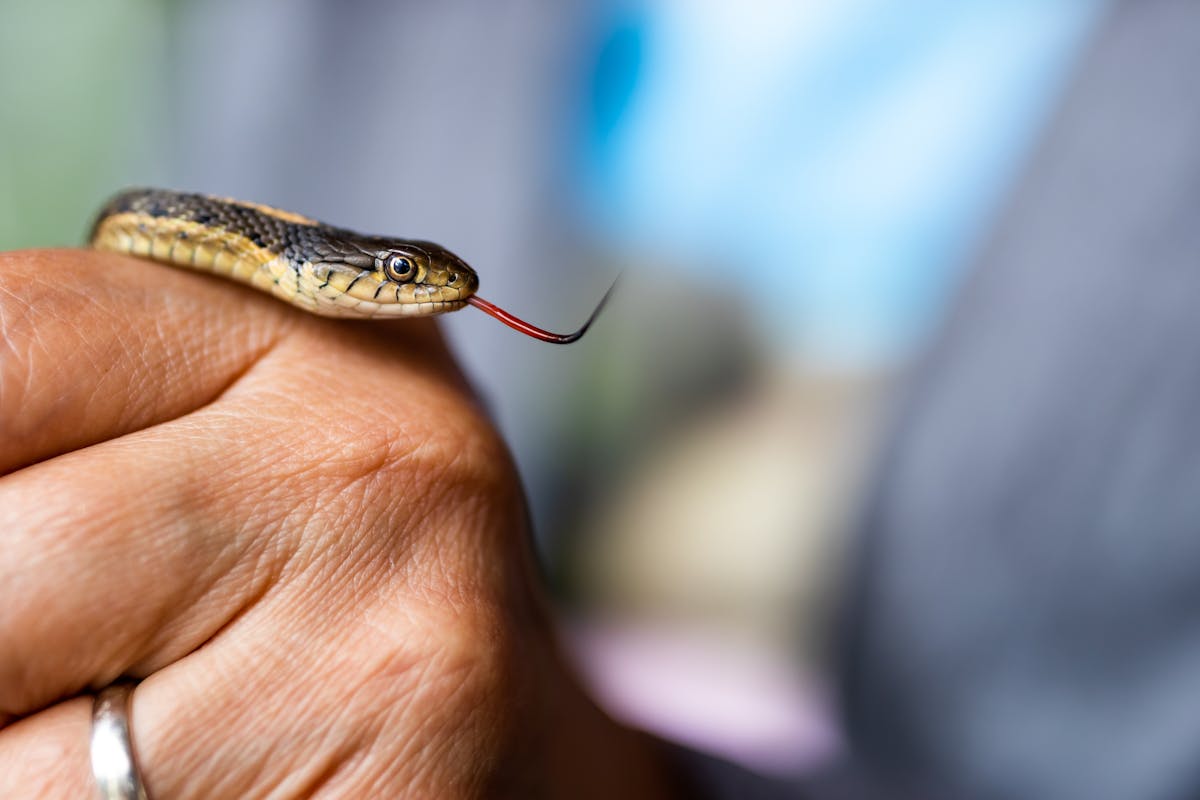
The idea of sucking out venom from a snakebite has been portrayed in countless movies and TV shows as a heroic and life-saving action, but in reality, it’s both dangerous and ineffective. When a person is bitten by a venomous snake, the venom is absorbed into the body through the lymphatic system rather than the bloodstream.
This means that trying to suck out the venom doesn’t really address the core issue. Instead, it can introduce bacteria into the wound, increasing the risk of infection. The proper course of action is to stay as calm as possible, keep the affected limb immobilized, and make sure it is positioned below heart level.
Seeking medical attention immediately is the only effective way to treat snake venom. In fact, snakebite victims should never attempt to treat themselves on-site, as the venom moves fast and can cause irreversible damage. Antivenom administered by medical professionals is the only way to mitigate the effects of venom, so it’s critical to get to a hospital as quickly as possible.
Drinking Your Own Urine Is Not a Survival Solution
Drinking urine during a survival situation is a common myth that is not only ineffective but also harmful. While this practice is often romanticized in movies and survivalist circles, the reality is far different.
Urine is composed of waste products that your body is trying to expel, including toxins and salt. When you drink it, you reintroduce those harmful substances into your body, which accelerates dehydration, rather than relieving it.
In dire situations, it’s important to focus on practical survival tactics rather than relying on misleading myths. Waiting for proper rescue and staying out of direct sunlight, while conserving energy, are key strategies for survival. If you find yourself in the wilderness without water, it’s far better to avoid drinking urine and instead focus on practical measures such as finding natural water sources or signaling for help.
Rubbing Frostbite Can Cause More Harm Than Good

The instinct to rub frostbitten skin to warm it might feel right in the moment, but it can make the situation far worse. Rubbing the skin causes friction, which can rupture ice crystals that have formed in frozen cells, leading to more extensive tissue damage. Instead of rubbing, survival experts advise gently warming the affected area with body heat or placing it in lukewarm water.
This slow, controlled method helps restore blood flow without causing additional harm. Many people mistakenly believe that forcefully rubbing frostbite is a way to “thaw” the skin, but this only accelerates cell destruction.
Frostbite is a severe condition that requires careful attention and appropriate treatment. In extreme cases, frostbite can lead to permanent tissue loss, so taking immediate and correct action is essential. If you or someone else is suffering from frostbite, the key is to keep the affected areas warm and sheltered, and to avoid any actions that could cause further damage.
Playing Dead Doesn’t Always Work with Bears
The widely repeated advice to “play dead” when encountering a bear has some truth to it, but it’s not always effective and depends heavily on the type of bear you’re facing. For example, when confronted by a grizzly bear, playing dead might help in some situations, as it signals to the bear that you are not a threat. However, with black bears, this strategy is often ineffective.
Black bears are more likely to interpret passive behavior as weakness and may become more aggressive, seeing it as an opportunity to dominate. Instead of playing dead, experts from the National Park Service recommend fighting back aggressively if confronted by a black bear.
The best strategy when dealing with bears is to understand their behavior and adapt accordingly. In any bear encounter, your first goal should be to remain calm and avoid sudden movements. If the bear is approaching, make yourself look as large as possible, speak loudly, and try to slowly back away without turning your back.
Building a Fire Inside a Cave Can Lead to Suffocation
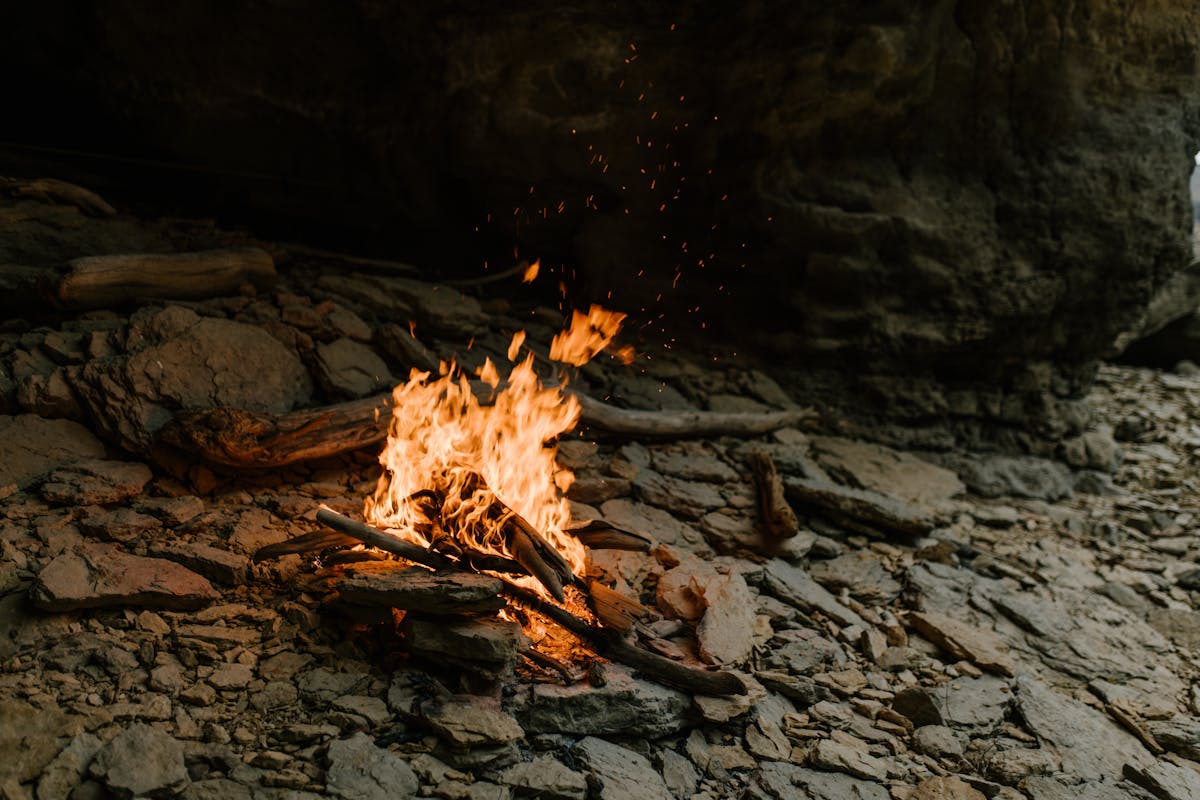
While the idea of seeking refuge in a cave and lighting a fire for warmth might seem like a good survival tactic, it can lead to deadly consequences. A fire needs proper ventilation to burn safely, and caves often lack this crucial airflow.
Without proper ventilation, a fire inside a cave can quickly deplete the oxygen, leading to suffocation and carbon monoxide poisoning. Additionally, smoke from the fire can fill the cave, creating a hazardous environment that is hard to detect and difficult to escape.
Survival experts advise against lighting fires inside caves for this very reason. Instead, it is much safer to set up camp outside, where the smoke can disperse, and the fire can provide heat without risking your health. In addition to suffocation, the confined space of a cave can trap smoke and toxic gases, increasing the chance of inhalation injuries.
Following a River Doesn’t Always Lead to Safety
The assumption that following a river will guide you to safety is one of the most persistent survival myths. While it may seem logical to follow the flow of water in the hopes of reaching civilization, rivers can actually lead you deeper into dangerous and unfamiliar terrain. Rivers can take you to cliffs, dangerous rapids, or wilderness areas where rescue is not possible.
The idea that rivers always lead to safety is a misunderstanding of how water systems work. In many cases, the best strategy when lost is to remain in place, conserve energy, and signal for help, rather than relying on the unreliable path of a flowing river.
Rivers may appear to be a straightforward guide to safety, but they can create confusion and exhaust valuable resources. Many people who have tried to follow rivers in survival situations end up more disoriented and fatigued. Instead, focus on staying put and using emergency signaling devices, such as mirrors, whistles, or fire, to attract attention.
Moss Doesn’t Always Grow on the North Side of Trees
One of the most widely held survival myths is the idea that moss always grows on the north side of trees. While this might be true in certain environments, it is far from a reliable rule. Moss growth depends on environmental factors such as moisture, shade, and humidity.
In dense forests or areas with high moisture, moss can grow on all sides of a tree, not just the north-facing side. This means relying on moss as a navigational tool could lead you further off course. The myth of moss guiding you north is simply inaccurate and can increase your disorientation in the wilderness.
For accurate navigation in a survival situation, it is best to use tools such as a compass, the sun’s position, or natural landmarks. The sun rises in the east and sets in the west, and understanding these basic environmental cues will help you find your bearings. While moss may appear on trees in some areas, it’s not a dependable method for direction finding.
Eating Raw Plants Can Be Deadly

In many survival situations, people may be tempted to eat wild plants for nourishment, but this can be extremely dangerous. Many plants, even those that appear harmless, are actually toxic to humans. Common poisonous plants like water hemlock, poison ivy, and wild parsnip can cause severe health reactions, ranging from nausea and vomiting to seizures and death.
In fact, around 1 in 10 wild plants are toxic to humans, making it difficult for the untrained eye to differentiate between safe and dangerous options. If you’re not familiar with survival botany, the risk of poisoning is high.
While some wild plants are edible, the key to survival is knowledge and caution. If you are in a survival situation, it’s crucial to know which plants are safe to eat and which to avoid. In the absence of knowledge, it’s always better to admire plants from a distance and focus on finding reliable water sources or waiting for help.
You Can’t Always Outrun a Wildfire
The dramatic scenes of outrunning a wildfire, often depicted in movies, are not only unrealistic but also extremely dangerous. Wildfires can move at incredible speeds, especially when fueled by dry conditions and wind.
The idea that you can simply outrun a wildfire is a myth that has led to tragic consequences in real-life situations. Wildfires can spread at speeds of up to 14 miles per hour uphill, making escape on foot a poor strategy. The best course of action in a wildfire is not to attempt running, but to seek shelter in a low, cleared area or take cover with nonflammable material.
Wildfires are unpredictable and can change direction in an instant, making them a serious threat to anyone caught in their path. Instead of trying to outrun the flames, the safest option is to move downhill, away from the fire’s trajectory.
Drinking Alcohol to Stay Warm Is Dangerous

A common survival myth is that drinking alcohol in cold weather will help you stay warm. While alcohol may give you a temporary feeling of warmth, it actually increases the risk of hypothermia. Alcohol causes blood vessels to dilate, which leads to a rapid loss of body heat. In cold temperatures, this can quickly deplete your body’s core warmth and increase your risk of frostbite or hypothermia.
Instead of drinking alcohol, the proper response in cold weather is to keep active, wear layers, and seek shelter from the elements. Alcohol impairs your ability to judge temperature and can cause you to underestimate how cold it really is. When in survival situations, avoid drinking alcohol and focus on keeping your body insulated and warm through non-chemical means.
Conclusion
Survival myths can be tempting, especially when they are perpetuated in movies or passed down by well-meaning individuals. However, these misconceptions can have serious consequences in real-life survival situations. From drinking your own urine to thinking you can outrun a wildfire, relying on myths instead of knowledge can cost you precious time and, in some cases, even your life.
The key to survival lies in preparation, critical thinking, and knowing how to respond appropriately to danger. Understanding how to deal with snakebites, frostbite, wildfires, and other wilderness challenges, while avoiding myths, can significantly increase your chances of survival. It’s not about being the hero from a movie; it’s about being calm, informed, and resourceful in the face of adversity.