8 Meats You Should Never Throw on the Grill
Grilling is an art, but not all meats are meant to sizzle over an open flame. Some cuts and types can release harmful chemicals, shrink into tough morsels, or simply lose their flavor when exposed to intense heat. Knowing which meats to avoid can save your dinner, your health, and your reputation as a grill master. Here are 8 meats you should never throw on the grill, along with why they fail there and smarter alternatives.
Processed Meats
Hot dogs, sausages, and other processed meats are popular at barbecues, but they are packed with nitrates, preservatives, and fillers. High heat causes these chemicals to break down and form nitrosamines, which have been linked to cancer in some studies. Grilling processed meats also makes them prone to flare-ups, charring, and uneven cooking, leaving some parts burnt while others remain undercooked. Instead, try fresh cuts of chicken or beef seasoned with herbs for a healthier and more flavorful option.
Fatty Pork Belly
Pork belly may look tempting with its rich marbling, but it can become a disaster on the grill. Excess fat drips onto the coals, creating flames that char the meat and infuse it with bitter, burnt flavors. This flare-up risk is higher with thick slabs, and the intense heat can render the meat rubbery rather than tender. Oven roasting or slow-braising allows the fat to melt gradually, producing succulent layers without the risk of fire hazards.
Pre-Marinated Meats with Sugar
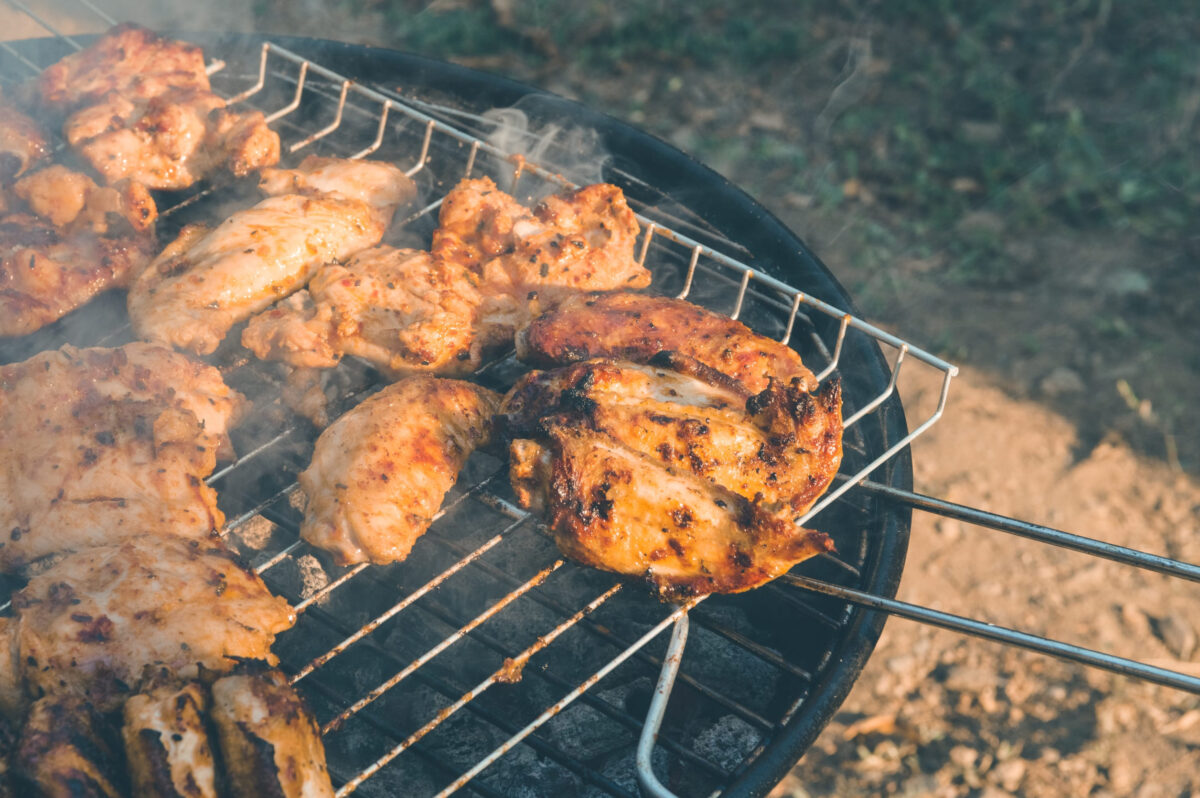
Marinated meats infused with sugary sauces like teriyaki or honey BBQ are a recipe for burning. Sugar caramelizes quickly at high temperatures, forming a blackened crust that tastes bitter rather than sweet. This effect is exaggerated on thinner cuts, where the exterior burns before the interior cooks. For sweet marinades, grill over low heat or cook in a pan, carefully monitoring to achieve a balanced flavor.
Ground Meats With High Moisture
Ground beef, turkey, or chicken can be tricky on the grill, especially if it isn’t compacted properly. Loose patties fall apart, drip fat, and shrink dramatically under high heat. Pre-formed burgers with a tight seal fare better, but even then, excessive grilling can dry them out. For best results, cook patties on a griddle or in a cast-iron pan, where heat is even and moisture is preserved.
Organ Meats

Liver, kidney, and other organ meats are nutrient-rich but grill poorly. Their strong flavors and delicate textures often become overpowering or tough when exposed to flames. Organ meats also cook unevenly, leaving some parts raw while others char. Pan-searing or slow-cooking these cuts retains flavor and tenderness, making them more enjoyable without the risk of ruining your barbecue.
Game Meats With Low Fat
Lean game meats like venison, bison, or rabbit can dry out instantly on the grill. Their low-fat content means they cannot withstand intense direct heat, resulting in a tough, chewy bite. Instead, opt for roasting or slow braising to preserve natural juices and develop deeper flavors. If grilling is a must, use thicker cuts and cook them indirectly to minimize moisture loss.
Delicate Fish Fillets
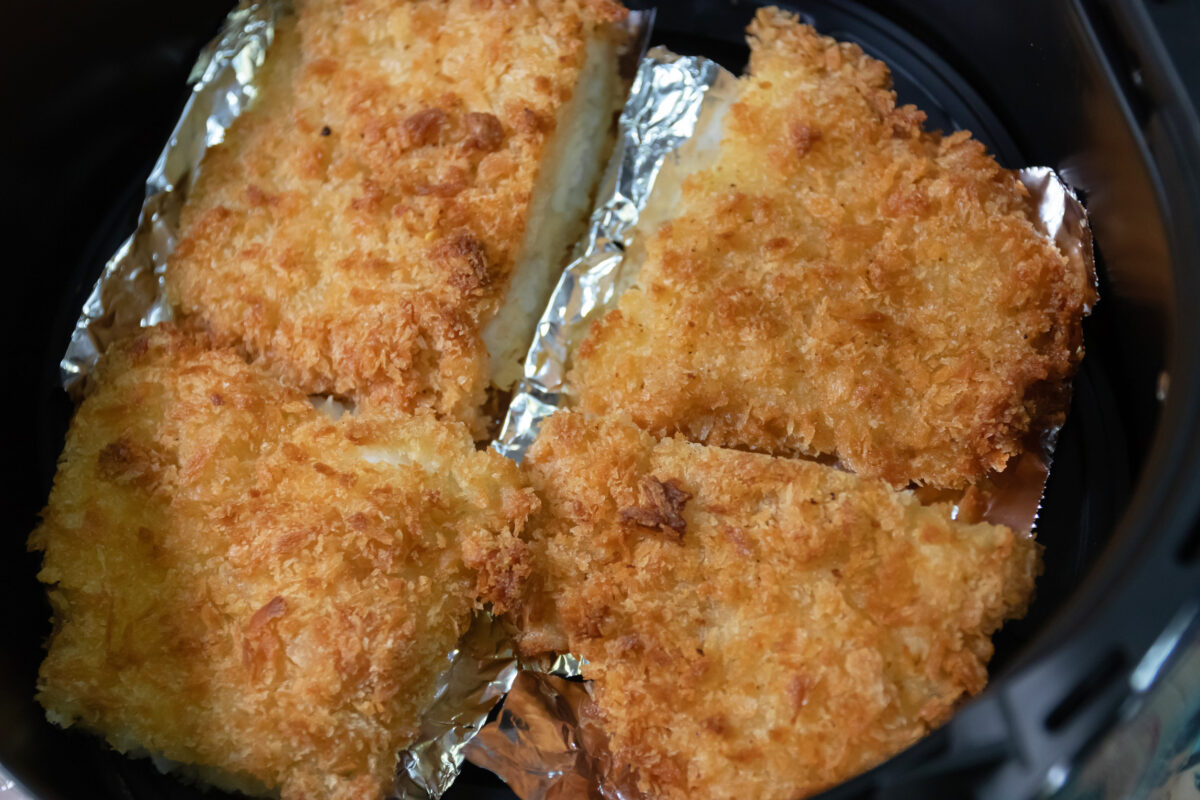
Thin, flaky fish like tilapia, cod, or sole do not hold up well on a grill. They easily stick to grates, break apart, and overcook in seconds, leaving dry, unappetizing pieces. Even gentle oiling and foil packets may not prevent the mess. Heartier fish such as salmon, swordfish, or tuna steaks fare better because their dense flesh withstands high heat and retains moisture, giving you those smoky grill marks without disaster.
Thin-Cut Steaks
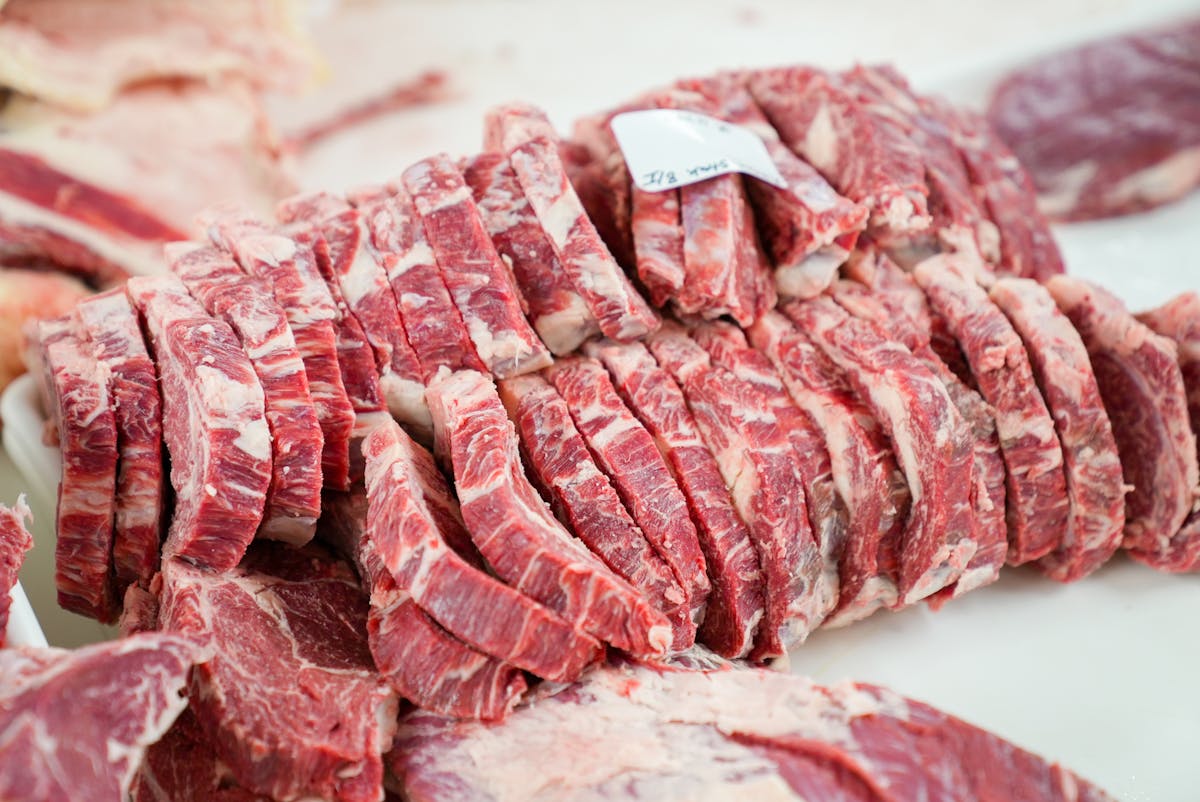
Paper-thin flank or skirt steaks are vulnerable to overcooking and becoming leathery. High heat sears the exterior too quickly, often leaving the interior gray and dry. These cuts perform better in quick stir-fries or pan-seared preparations where precise control over heat ensures even cooking and tenderness. For grilling, choose thicker ribeye or strip steaks that can handle open flames without sacrificing juiciness.
Conclusion
Grilling is all about respecting the meat and the fire. By avoiding these 8 types, you can prevent disasters, protect your health, and deliver a barbecue that impresses every time. Knowing your cuts, their fat content, and how they react to heat makes all the difference between a charred mess and a smoky masterpiece.