8 Restaurant Foods You Should Avoid When Eating Out
Eating out should feel like a small celebration, not a silent ambush from the menu. The problem is that restaurant food often hides its rough edges under glossy sauce, over sized portions, and language that makes everything sound harmless.
That does not mean you need to fear every tablecloth, diner booth, or drive-thru window. It simply means the smartest diners know which foods deserve a second look. Restaurants can pack meals with more saturated fat, sodium, and added sugar than most people expect, especially because diners do not control the ingredients or preparation methods.
Here are some foods you should avoid when ordering.
Fried Appetizer Platters

Fried appetizer platters are the menu’s opening trap. They arrive hot, golden, salty, and designed for sharing, which makes them feel less serious than a main meal. Onion rings, mozzarella sticks, fried pickles, wings, and loaded fries can quietly become a full dinner before the entrée even lands.
The danger is not just the frying. These plates often come with creamy dips, cheese, bacon, and a layer of salty seasoning. If you still want something crunchy to start, go for grilled skewers, a broth-based soup, or a lighter shared plate that doesn’t leave everyone full before the main meal begins.
Creamy Pasta Dishes

Creamy pasta is comfort food wearing a tuxedo. Alfredo, carbonara-style sauces, mac and cheese bowls, and heavy cream-based specials often look elegant, but they can be loaded with saturated fat, sodium, and calories. The texture is rich for a reason.
A smarter move is to choose pasta with tomato-based sauce, vegetables, seafood, or grilled chicken. You still get flavor and satisfaction without turning the plate into a dairy-heavy mountain. If the creamy dish is the reason you came, consider sharing it and adding a side salad or vegetables to balance the meal.
Undercooked Burgers
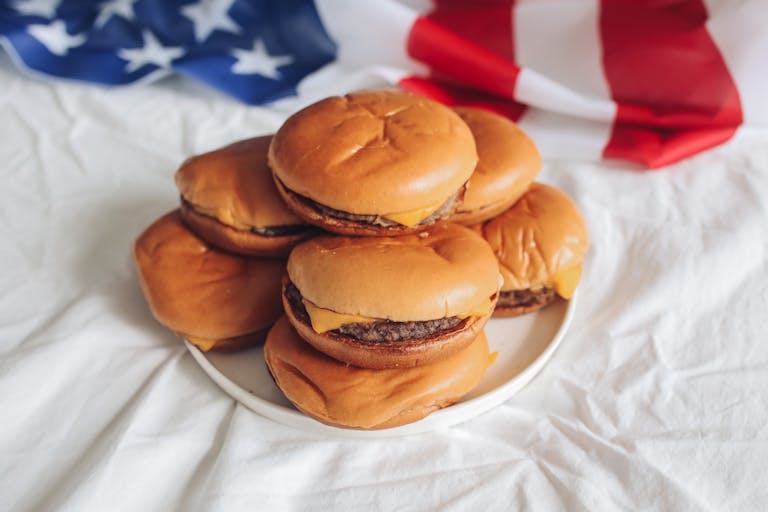
A juicy burger can be hard to resist, but undercooked ground meat carries a food safety risk that steak does not have in the same way. Ground meat can mix bacteria throughout the patty, which means the inside needs proper cooking, too. The CDC lists undercooked meat among foods more often linked with foodborne illness.
Ordering well-cooked burgers may not sound glamorous, but it is one of the easiest ways to reduce risk. This matters even more at busy restaurants, festivals, food trucks, and casual spots where speed can sometimes take precedence over precision. Flavor is great, but food poisoning is never worth a pink center.
Raw Oysters And Raw Shellfish
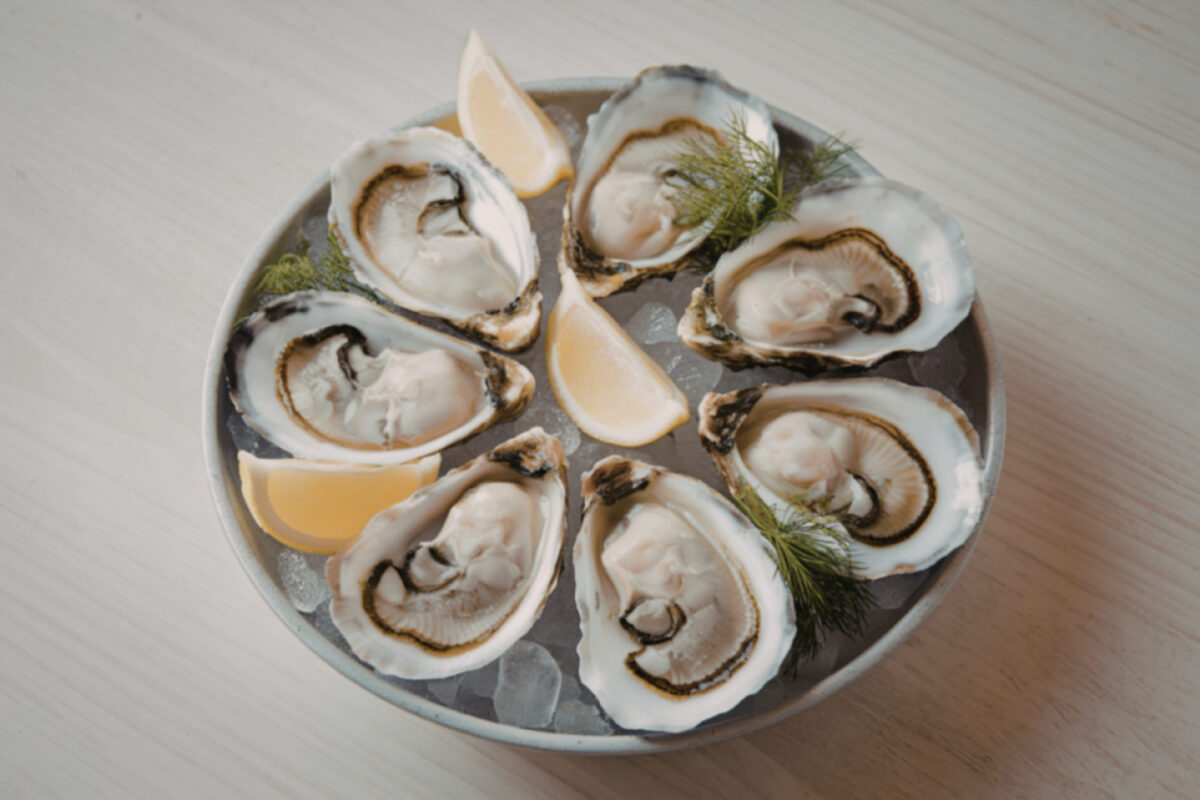
Raw oysters have a reputation for luxury, but they are not risk-free. Shellfish can carry harmful bacteria or viruses, especially when eaten raw. For many healthy adults, the risk may feel small, but for pregnant people, older adults, and those with weakened immune systems, it can be much more serious.
Cooked seafood is usually the safer bet. Grilled shrimp, baked fish, steamed mussels, and roasted oysters can still feel special without gambling with your stomach. If a restaurant smells off, looks poorly managed, or cannot answer basic questions about freshness, skip the raw bar completely.
Buffet Seafood
A buffet seafood spread can be risky because seafood is delicate and time-sensitive. Shrimp, crab legs, fish, and shellfish need careful temperature control. When they sit too long under heat lamps or on melting ice, quality drops fast.
The rule is simple. If seafood looks dry, smells strong, or appears to have been sitting untouched, walk away. Fresh seafood should smell clean, not sour or fishy. At buffets, the safest choices are usually foods that are frequently replenished and served at the right temperature.
Raw Sprouts
Raw sprouts look innocent, even virtuous, but they can be surprisingly risky. Their warm, humid growing conditions can also encourage bacterial growth. The CDC includes sprouts among foods where safer choices matter, especially for people at higher risk of foodborne illness.
That does not mean sprouts are evil. It means raw sprouts in sandwiches, salads, and wraps deserve caution, especially when you do not know how they were handled. Cooked sprouts are a safer option because heat helps reduce harmful germs.
Sugar-Loaded Drinks

Sugary drinks can turn dinner into dessert before dessert even arrives. Sodas, sweet teas, milkshakes, frozen cocktails, flavored lemonades, and oversized specialty coffees may feel like extras, but they can add a large sugar load to the meal. The biggest trick is that drinks do not always make people feel full.
Water, sparkling water, unsweetened tea, or a simple drink with lemon keeps the focus on the food. If you want a sweet drink, treat it like part of the meal rather than a harmless sidekick. Your body counts liquid sugar, even when the menu makes it sound refreshing.
Oversized Desserts
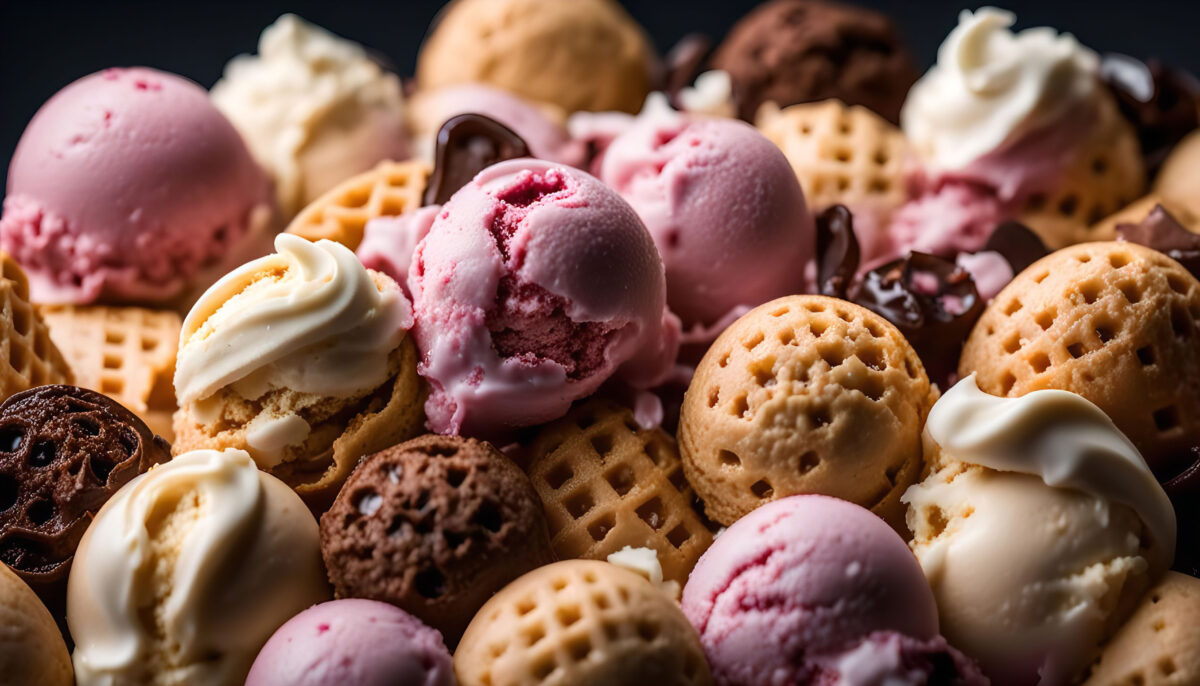
Restaurant desserts often arrive built for drama. Towering cakes, skillet cookies, brownie sundaes, and giant cheesecakes are meant to impress, but they can deliver more sugar and fat than the entire meal needed. The first few bites usually taste amazing, then the rest becomes a battle of pride.
Sharing is the smartest strategy. You still get the sweet finish without leaving the restaurant feeling sluggish. A small dessert, fruit-based option, coffee, or a few shared bites can close the meal beautifully without turning pleasure into regret.
Conclusion
Eating out does not require fear, guilt, or boring orders. It requires sharper eyes. The menu will always make fried, creamy, sugary, and oversized foods sound irresistible, but the best diners know how to enjoy the experience without letting the restaurant make every decision for them.
Choose grilled over fried when possible, keep sauces on the side, be careful with raw foods, and treat giant portions like invitations to share. A good meal should leave you satisfied, energized, and happy that you went out. It should not make you feel like you need a recovery plan afterward.