11 Situations Where Tipping Is Unnecessary and How to Avoid Overpaying
Tipping has become a ubiquitous part of American life, yet its scope has expanded far beyond traditional service roles. From automated kiosks to professional services, many consumers find themselves pressured to pay gratuities that are neither customary nor required. Understanding when tipping is appropriate and when it is not can save substantial money while still respecting workers who genuinely rely on tips.
Recognizing these distinctions is essential in maintaining financial control and ensuring that your generosity reaches the right people at the right time. This guide explores 11 instances in which withholding a tip is perfectly reasonable without compromising courtesy or ethics.
Teachers and Academic Tutors

Educators are salaried professionals whose compensation does not rely on tips. While holiday gifts are thoughtful, monetary gratuities are unnecessary and can create an uncomfortable transactional dynamic. Tutors already set rates that encompass preparation, travel, and instructional time. Paying the billed fee punctually demonstrates respect for their expertise while maintaining professional boundaries. A handwritten note or small token of appreciation often carries far more sentimental value than cash.
Schools and educational institutions typically discourage or prohibit additional payments to staff, emphasizing equitable treatment and avoiding favoritism. By honoring professional standards, families foster a respectful environment that values dedication and expertise rather than supplementing already appropriate compensation. This approach maintains trust and supports the integrity of the educational relationship.
Counter Service at Coffee Shops and Takeout
Purchasing coffee or takeout from a counter generally does not require tipping. Unlike full-service restaurants, these transactions involve minimal personal interaction. Studies show that only a small percentage of Americans consistently tip at such establishments, reflecting a widespread understanding that these services are already priced to cover labor costs. Tipping for standard orders can create unnecessary pressure and financial burden.
Exceptions exist when a barista goes above and beyond, such as accommodating complex orders or delivering exceptional service. In those cases, a small gratuity can acknowledge effort without implying an obligation. Consumers should feel empowered to make this distinction, tipping based on service value rather than routine expectation.
Skilled Trade Professionals and Technicians
Plumbers, electricians, and other trade professionals charge standardized fees that reflect their expertise, labor, and travel expenses. Offering a cash tip is often redundant, as rates are calculated to provide fair compensation. Many companies explicitly prohibit cash gratuities to mitigate liability or ethical concerns. Small gestures, such as offering water or a snack, can show appreciation without breaching policy or inflating costs.
Recognizing the professional nature of trade work ensures that compensation aligns with value delivered. Clients maintain clear expectations and avoid complicating billing arrangements, while workers remain focused on performing high-quality service rather than handling unsolicited payments.
Flight Attendants
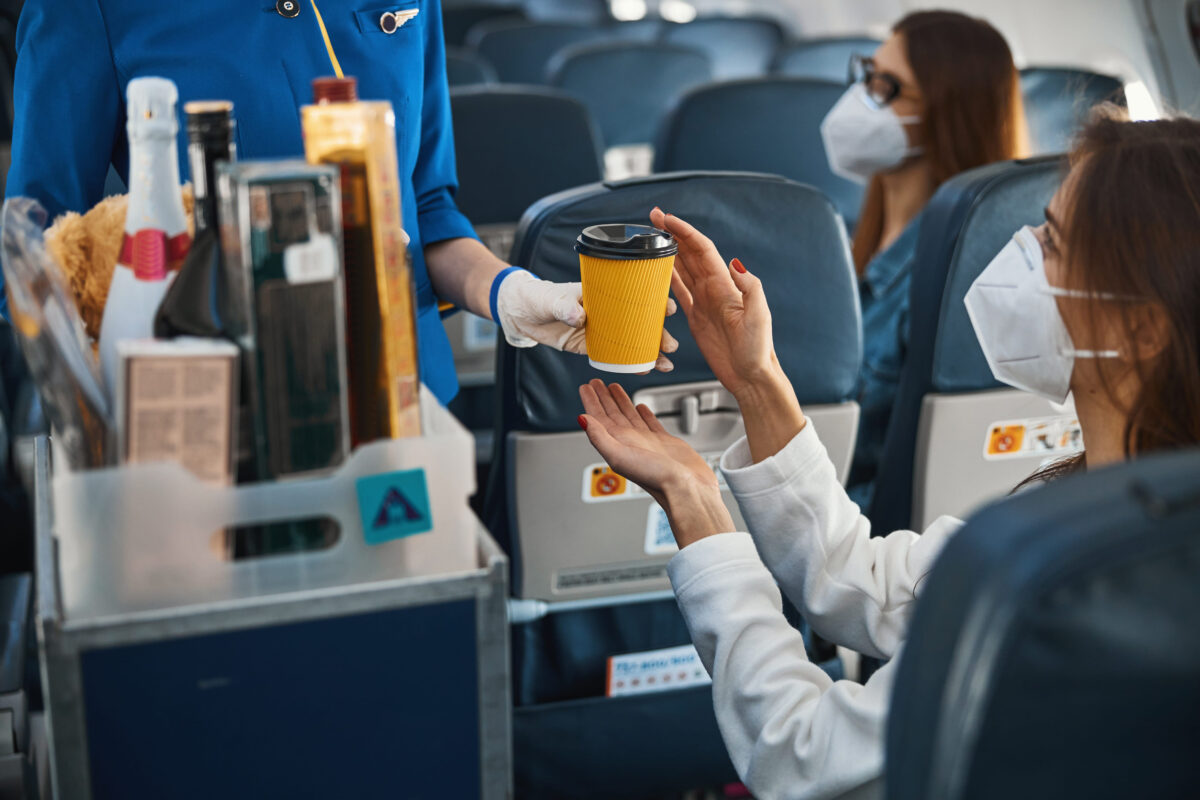
Airline crew members are compensated through salary and benefits, not tips. Attempting to provide cash gratuity can violate airline policy and distract from safety responsibilities. Tokens of appreciation, such as a note, sealed chocolates, or a gift card, are both appropriate and welcome. By adhering to these conventions, passengers can express gratitude without compromising professional protocol.
Acknowledging the regulated environment of air travel reinforces safety priorities and prevents misunderstandings. Recognition of exceptional service should focus on feedback to supervisors or airline programs, ensuring that crew members are appropriately acknowledged for their performance.
Online Merchandise and Delivery Services
E-commerce transactions often prompt optional tipping, yet such gratuities are unnecessary for standard shipping. Payment for goods already accounts for labor, packaging, and logistics. Tipping in these contexts directs funds to corporate revenue rather than individual effort. Consumers can confidently skip tipping while maintaining respect for employees whose compensation is already built into the pricing structure.
For services that exceed expectations, such as personalized assistance or expedited requests, a voluntary tip or positive review may be appropriate. Understanding the distinction between baseline service and exceptional effort allows consumers to allocate gratuities thoughtfully and effectively.
Bills with Pre-Added Service Charges

Restaurants frequently include automatic service fees, especially for large parties or in high-tourism areas. Adding an additional tip on top of these charges can result in overpayment exceeding 35-40% of the total bill. Consumers should verify whether service fees apply before tipping, ensuring that any extra gratuity reflects extraordinary service rather than the default expectation.
Carefully reviewing receipts maintains transparency and prevents financial missteps. Staff members are compensated fairly through service charges, and tipping beyond this amount should be reserved for genuinely exceptional experiences.
Self-Checkout Kiosks
Automated checkout systems asking for gratuities are a growing annoyance. When customers scan, bag, and pay independently, the labor performed is minimal. Any funds added typically benefit the business as a whole rather than specific employees. Opting out preserves resources without directly impacting staff, reinforcing the principle that tips reward service, not automation.
Encouraging responsible tipping behaviors in automated contexts protects both consumer finances and staff expectations. Businesses should design systems that differentiate between human service and machine-assisted transactions to prevent confusion.
Drive-Thru Food Pickups
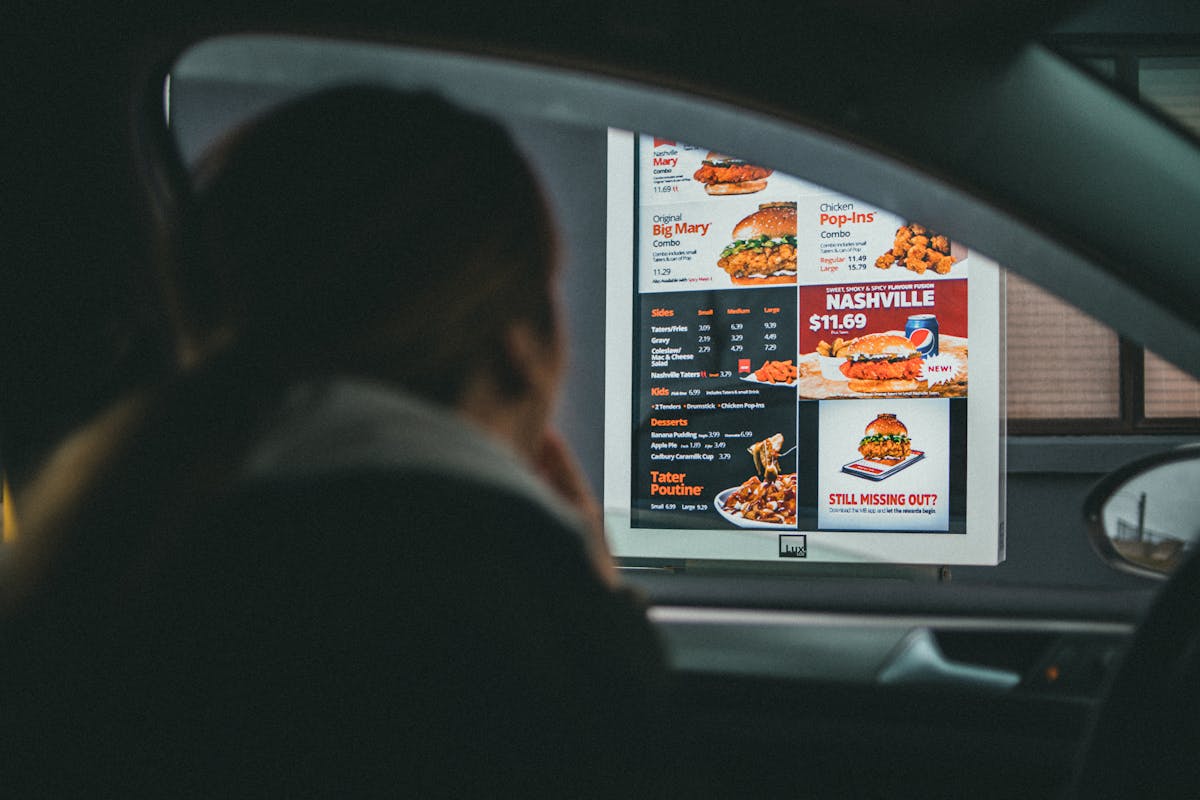
Drive-thru employees prioritize efficiency and convenience over full-service hospitality. Standard wages compensate for this labor, making tipping unnecessary. Adding gratuity in these situations introduces inefficiency and can slow service. Customers should rely on menu pricing as the sole basis for payment while maintaining courteous interaction.
Occasional tipping may be warranted during extreme weather or unusual service, but regular practices should adhere to established norms. This preserves operational flow and ensures that service rewards reflect meaningful effort.
Healthcare Professionals
Nurses, physical therapists, and other medical staff function within strict ethical and regulatory frameworks. Accepting tips can constitute a breach of professional standards and create conflicts of interest. Verbal gratitude, notes, or small permissible gifts remain appropriate ways to express appreciation. Focusing on recovery and care, rather than gratuity, aligns with ethical obligations and safeguards patient-professional relationships.
Healthcare institutions standardize compensation to reflect skill, training, and responsibility. By avoiding cash gratuities, patients respect these structures while acknowledging exceptional care in ways that comply with professional regulations.
Mail Carriers and Government Employees

Federal regulations limit cash gifts to postal workers and government staff. The United States Postal Service allows non-cash gifts valued at $20 or less, but cash is prohibited. Compliance ensures employees avoid legal violations while allowing consumers to show gratitude safely. Gift cards, baked goods, or small tokens align with both regulation and appreciation.
This approach balances respect, legality, and recognition of public service. Understanding these boundaries prevents inadvertent infractions and maintains equitable treatment across all recipients.
Hosted Events with Prepaid Service
At weddings, corporate functions, or catered events, service fees are often pre-included. Additional tipping for standard service is unnecessary. Exceptional service may warrant a nominal extra gesture, but base compensation for staff is already secured through host arrangements. Guests can enjoy events without feeling compelled to tip redundantly.
Clarifying gratuity expectations with hosts ensures fairness and prevents awkward or duplicative payments. Recognizing the pre-inclusion of service charges allows guests to allocate appreciation appropriately, reserving tips for truly exceptional contributions.
Key Takeaways
Tipping should reflect genuine service rather than automatic expectation. Understanding which roles and contexts merit gratuity protects both consumer finances and employee relationships. By focusing on appropriate tipping practices, rewarding genuine service while respecting professional and automated systems, individuals can navigate the modern payment culture with confidence, fairness, and clarity.