10 Worst Foods for Diabetics That Spike Blood Sugar
For people managing diabetes, even small choices can have a big impact on blood sugar. Some foods look harmless but cause rapid spikes, insulin swings, and fatigue.
Here are 10 of the worst offenders, each with smarter alternatives to help stabilize glucose and support long-term health.
Candy
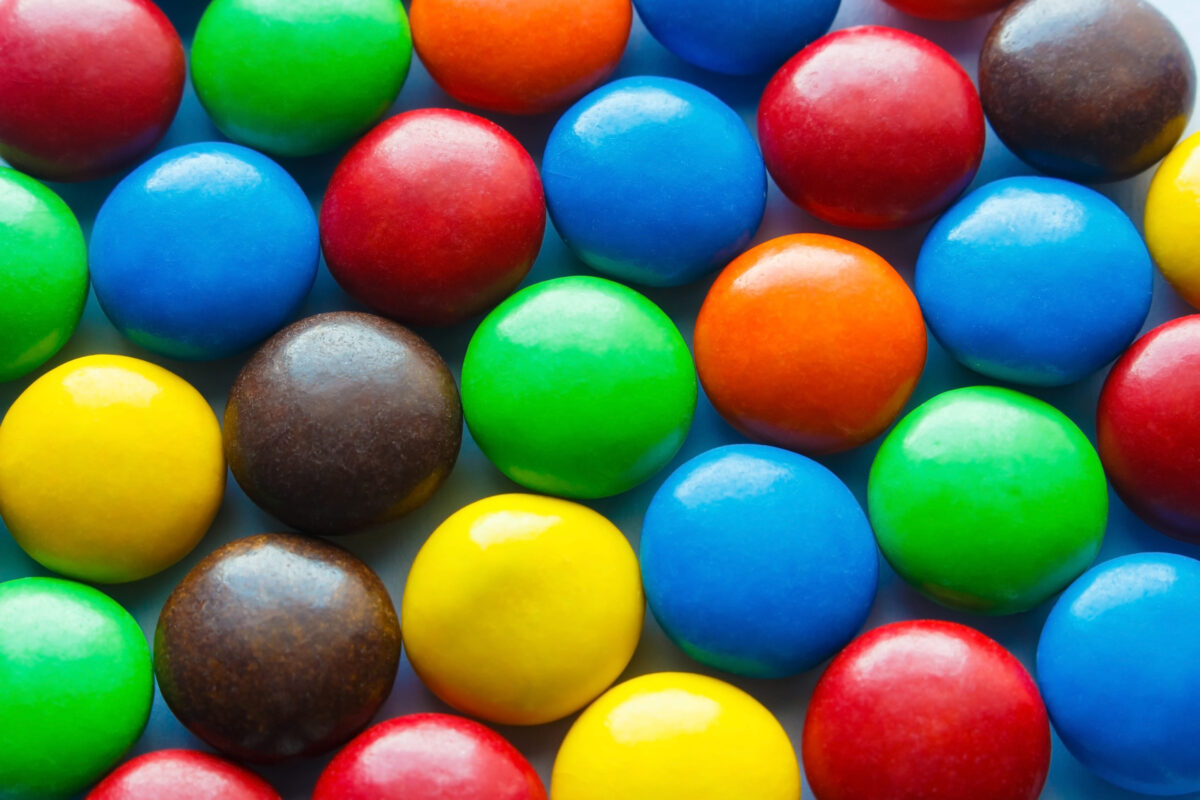
Candy is pure sugar in a concentrated, fast-digesting form. Gummies, chocolate bars, and hard candies provide almost no fiber, protein, or nutrients, causing immediate blood sugar surges. Repeated consumption increases the risk of weight gain, insulin resistance, and heart disease.
Swap candy for raw nuts, cheese sticks, boiled eggs, or vegetables with hummus. Pairing a small portion of natural sugar, like fruit, with protein or fat slows absorption and keeps energy steady, proving that thoughtful snacking can satisfy cravings without the spike.
French Fries
French fries combine high-glycemic potatoes with deep-fried oil and salt, creating a double blood sugar threat. A medium restaurant portion can easily exceed 40 grams of carbohydrates, absorbed rapidly, leading to glucose spikes and insulin swings.
Better options include roasted sweet potato wedges, baked carrot fries, or air-fried vegetables. These alternatives provide fiber and antioxidants while keeping the satisfying crunch that makes fries appealing, and pairing with protein and non-starchy vegetables keeps the meal balanced.
White Bread
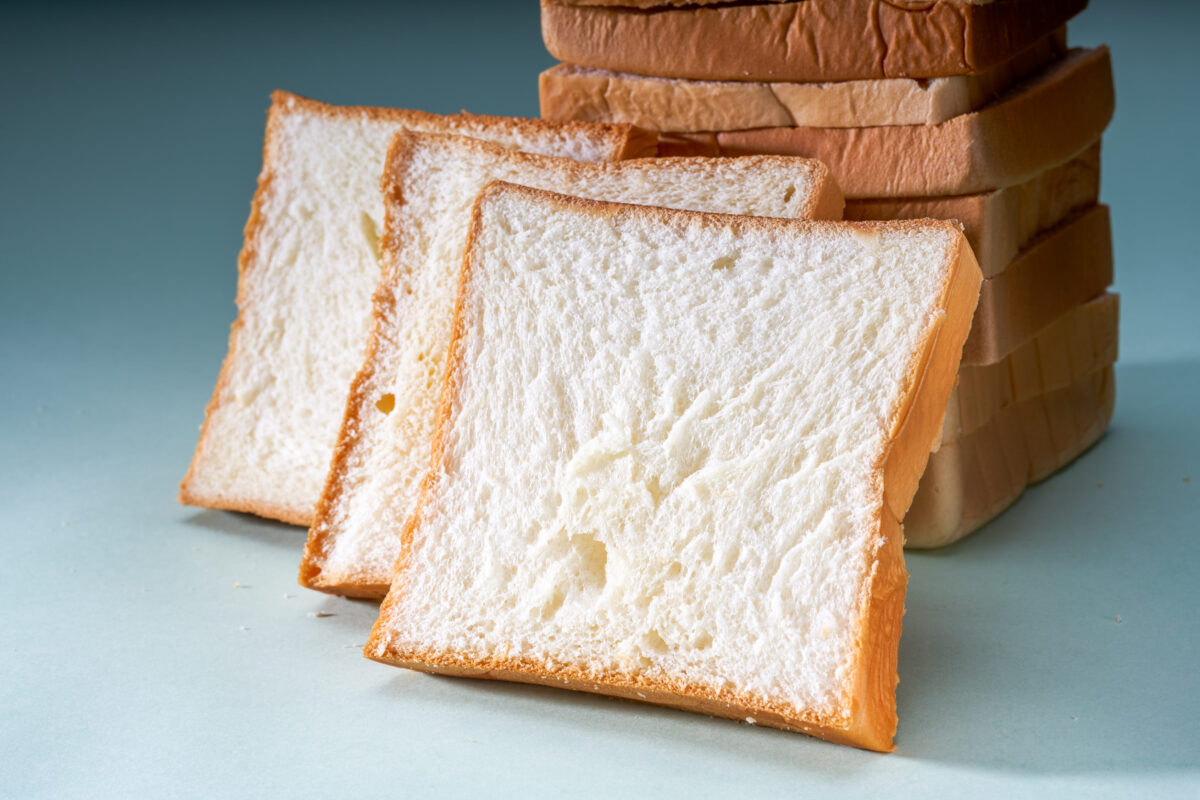
White bread digests quickly and has a high glycemic index. Many “wheat” breads are mostly refined flour, causing rapid glucose elevations. Even a single sandwich can deliver a significant carbohydrate load with little fiber or nutritional benefit.
Switch to 100% whole-grain bread or sprouted grain varieties and pair with protein such as eggs, turkey, or nut butter. Even limiting to one slice per meal and adding non-starchy vegetables can prevent dangerous post-meal spikes.
Sweetened Yogurt
Fruit-on-the-bottom and flavored yogurts often hide 15–20 grams of sugar per cup. While yogurt provides protein and calcium, the added sugar transforms it into a dessert with a significant blood sugar impact.
Choosing plain Greek yogurt and adding berries, nuts, or cinnamon keeps protein intact and fiber present, reducing glucose spikes while supporting satiety. Avoid syrup toppings or sweetened flavorings to maintain control over carbohydrate intake.
Sweetened Energy Drinks
Energy drinks combine high sugar content with caffeine, creating rapid blood sugar spikes and unstable energy. A single 16-ounce can may contain over 50 grams of sugar, plus artificial stimulants, increasing the risk of glucose dysregulation and cardiovascular stress.
Safer alternatives include unsweetened iced tea, green tea, or black coffee. These provide caffeine without sugar, and pairing caffeine with a protein-rich snack ensures sustained energy without the crash or glucose rollercoaster.
Fruit Juice
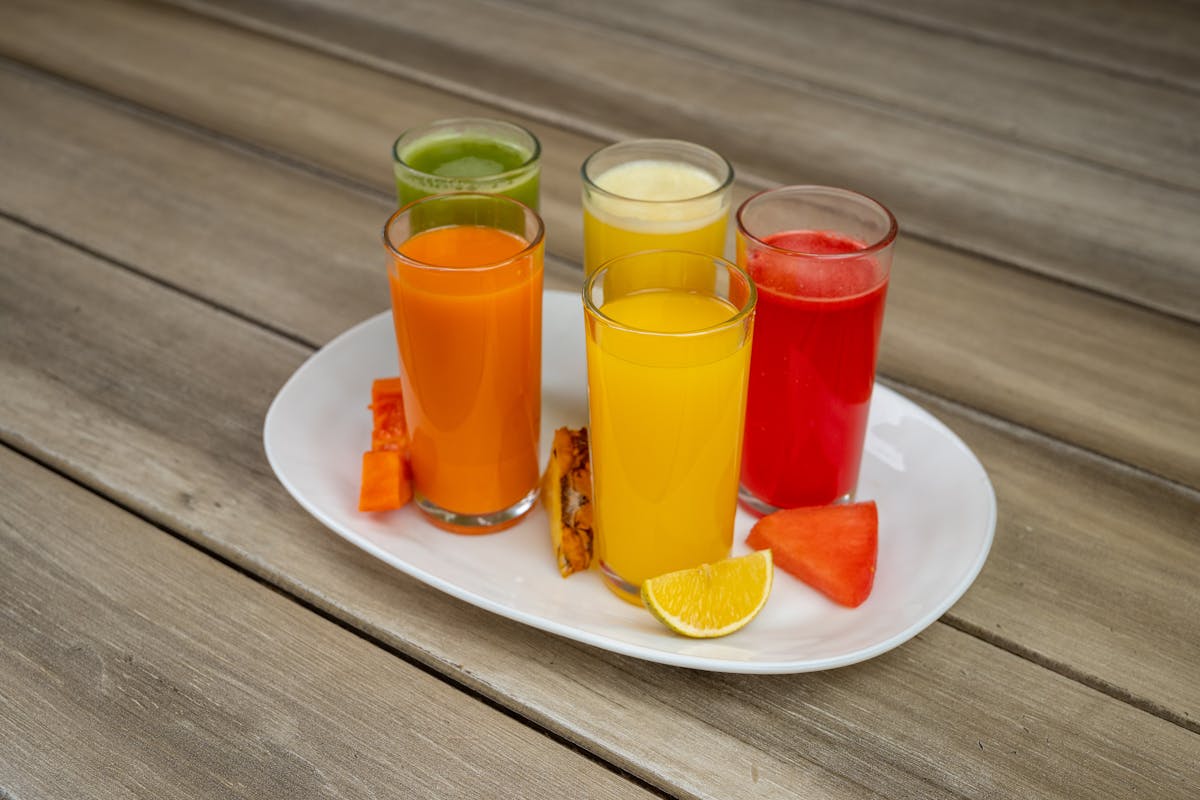
Even 100% fruit juice delivers concentrated sugar without fiber. An 8-ounce glass of orange juice contains around 26 grams of sugar, roughly equivalent to a candy bar. Blood sugar rises quickly, and the lack of fiber reduces fullness.
Whole fruit is a better choice. Apples, berries, oranges, and cherries provide fiber and antioxidants, slowing absorption and maintaining satiety. For a juice-like texture, blend small amounts of whole fruit with vegetables like spinach or cucumber in a smoothie.
White Rice
White rice digests quickly due to low fiber content, creating blood sugar spikes, especially in oversized servings. Combined with sauces or fried accompaniments, it becomes a high-risk carbohydrate choice.
Swap white rice with whole grains such as brown rice, quinoa, barley, or bulgur. For lower glycemic alternatives, cauliflower rice or chopped vegetable mixes provide texture and volume while keeping glucose more stable.
Pastries
Croissants, muffins, doughnuts, and danishes pack sugar, refined flour, and fat into a soft, easy-to-overeat package. Even small pastries can equal a dessert in sugar content, causing rapid glucose increases and insulin swings.
Better alternatives include homemade or carefully portioned treats using whole-grain flour and minimal sugar. Greek yogurt with berries and cinnamon also works as a sweet, protein- and fiber-rich snack that helps keep blood sugar controlled.
Sweetened Yogurt Drinks
Bottled or store-bought yogurt smoothies often combine sweetened yogurt, fruit juice, and syrups, delivering concentrated sugar in liquid form. They can spike glucose faster than whole foods and offer minimal fiber to slow digestion.
Instead, create homemade smoothies with plain Greek yogurt, vegetables like spinach or cucumber, small portions of fruit, and a sprinkle of cinnamon or chia seeds. This ensures protein, fiber, and controlled carbohydrates, supporting stable blood sugar.
Ketchup

Ketchup may seem minor, but one tablespoon contains 4–5 grams of sugar, which adds up quickly on burgers, fries, or sandwiches. Frequent use increases carbohydrate intake without realizing it, leading to post-meal spikes.
Use low-sugar alternatives like mustard, vinegar, salsa, or homemade sauces flavored with herbs and citrus. These swaps preserve flavor while avoiding hidden sugar, showing that even condiments matter in diabetes management.
Conclusion
The foods most likely to spike blood sugar are fast-digesting sugars, refined starches, and ultra-processed items. Candy, fries, white bread, sweetened yogurt, fruit juice, pastries, and sugar-laden drinks can disrupt blood glucose levels and pose long-term risks. Replacing them with fiber-rich, protein-packed, and minimally processed options stabilizes blood sugar, supports heart health, and makes meals both satisfying and safe.