8 Reasons Couples Stay Together for the Wrong Reasons
Relationships are meant to bring love, trust, and growth, but sometimes couples stick around for reasons that are anything but healthy. People often confuse convenience, fear, or external pressure with true commitment, and over time, those choices can quietly erode happiness. Staying together for the wrong reasons may feel safe at first, but it often leads to resentment, emotional distance, and missed opportunities for genuine connection.
Understanding why couples stay together for the wrong reasons helps reveal patterns that keep people trapped. The following eight reasons uncover the hidden traps that can make a relationship feel permanent without ever being fulfilling.
Fear of Being Alone
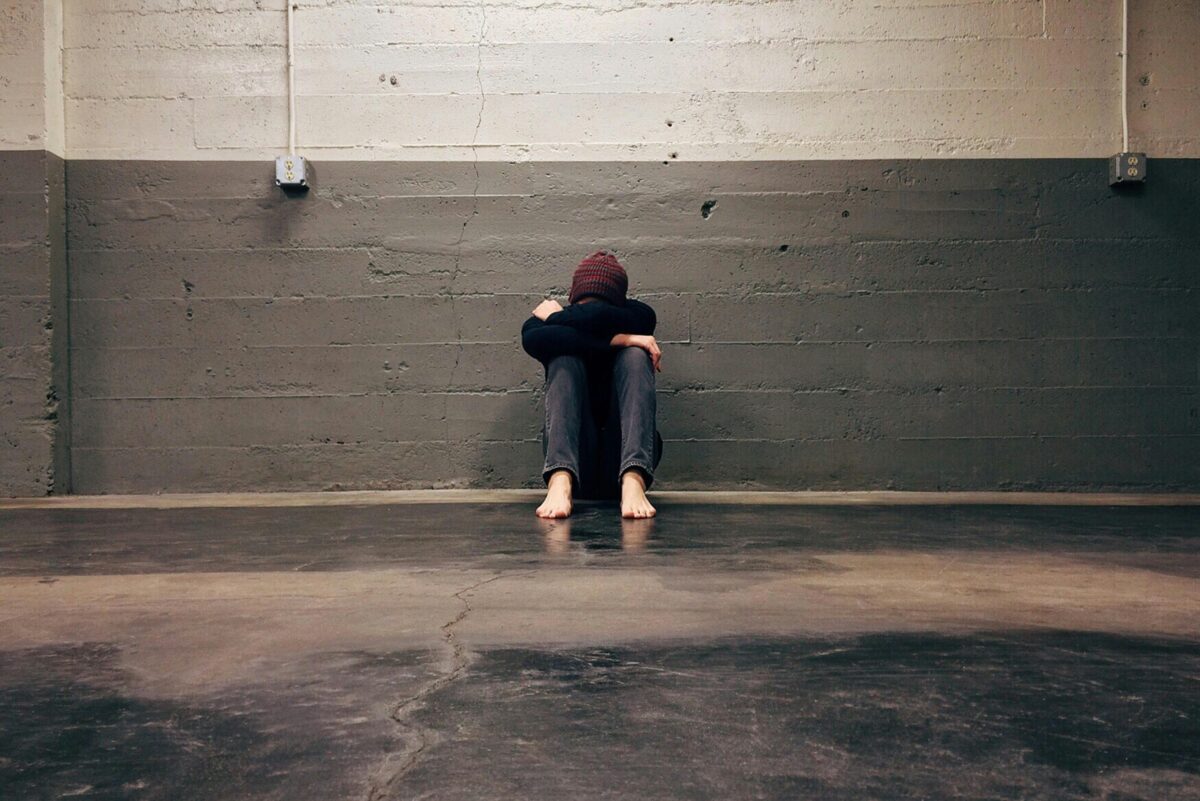
Many couples remain together because the thought of being single feels unbearable. They worry about loneliness, judgment from friends and family, or the challenge of starting over. This fear can trap them in a relationship that no longer serves them.
Fear-driven attachment often leads to complacency. People settle for comfort over connection, ignoring red flags or incompatibilities that would normally push them to leave. Emotional dependence can masquerade as love, keeping couples stuck in an unhealthy cycle.
Financial Convenience
Money can be a surprisingly strong glue in relationships. Couples may stay together because sharing rent, bills, or assets makes life easier, even if emotional intimacy is gone. Financial convenience can feel practical, but it masks deeper dissatisfaction.
When finances dictate commitment, love takes a back seat. Couples may postpone difficult conversations about feelings, intimacy, or future goals because the financial cost of separation seems too high. Over time, this creates a relationship that functions like roommates rather than partners.
Pressure From Family or Friends

External expectations can keep couples together long after the spark has faded. Parents, siblings, or social circles may subtly or overtly pressure partners to stay together for appearances, tradition, or cultural reasons.
Staying for approval often comes at the expense of personal happiness. Couples may prioritize pleasing others over pursuing what truly matters to them, leading to quiet resentment. Emotional obligations to family or friends can feel like a duty, but they are not a sustainable foundation for a healthy relationship.
Children

Many couples believe staying together is best for the kids, even when the relationship is toxic. They assume that two parents under the same roof automatically create a stable environment.
In reality, children can sense tension and emotional distance. Staying together solely for the kids often teaches them unhealthy patterns about love and conflict. Couples may convince themselves they are doing the right thing, but their unresolved issues can silently harm everyone involved.
Comfort and Routine

Some couples cling to the familiar rhythm of daily life. The idea of starting over or facing uncertainty outside the relationship feels exhausting. They trade excitement for predictability, confusing routine with security.
Over time, comfort can dull connection. Couples may avoid growth, difficult conversations, or personal changes because they threaten the status quo. While routine feels safe, it often hides boredom, stagnation, and emotional detachment.
Social Status or Image
Staying together can sometimes be about appearances rather than love. Couples may fear the social stigma of divorce, breakups, or public embarrassment. They remain in relationships because of perceived status, popularity, or social identity.
When image outweighs emotion, couples become performative rather than authentic. Their connection relies on how others perceive them instead of how they truly feel. This superficial commitment rarely sustains intimacy or long-term satisfaction.
Hope That Things Will Change
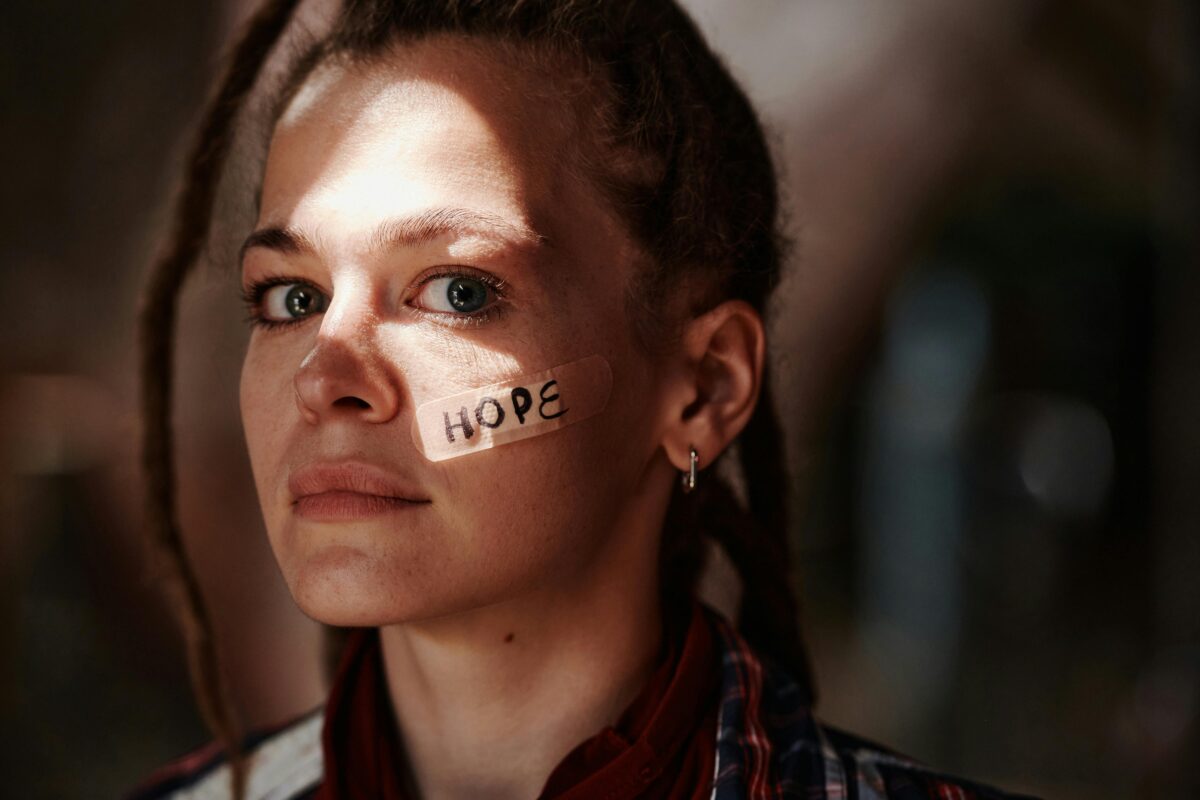
Hope can be a powerful motivator, but it can also trap couples in cycles of disappointment. One partner may cling to the belief that the other will change habits, improve behavior, or rekindle lost affection.
Waiting for change can prevent people from seeing reality. They may endure repeated arguments, disrespect, or neglect while holding onto the illusion of improvement. Prolonged hope can turn into emotional stagnation, keeping both partners from pursuing healthier alternatives.
Fear of Conflict or Ending Things
Ending a relationship is rarely easy. Some couples stay together to avoid the emotional upheaval, confrontation, or guilt associated with breaking up. Conflict avoidance can feel protective in the short term, but erodes genuine connection over time. Avoiding tough conversations may prevent immediate discomfort, but it also stops growth.
In the end, many couples remain together not out of deep fulfillment, but because fear, comfort, pressure, or convenience tip the scales against facing the truth. When relationships are built on loneliness, financial dependence, routine, social image, or fragile hope, the spark that once made love meaningful often fades away. Staying can feel simpler than leaving, yet sidestepping hard truths may lead to years of quiet distance, unspoken resentment, and lost chances for real happiness. True partnership should be grounded in mutual growth, respect, trust, and emotional nourishment, not in obligation, fear, or habit. Seeing these hidden motives is the first step toward making honest choices about love, connection, and your own well-being.