10 Exotic Pets That Are Dangerous and Should Be Illegal
Owning a pet can be one of the most joyful experiences in life. There is something deeply fulfilling about the bond between humans and animals, from the loyal wag of a dog’s tail to the serene purring of a cat. But not all animals are meant to live in our homes. Some species carry a risk far beyond the occasional vet bill or temper tantrum; they pose real danger to owners, communities, and ecosystems.
While the idea of exotic pet ownership has grown into a cultural trend , fueled by social media’s fascination with the unusual and the extraordinary, certain animals are fundamentally incompatible with captivity. They can injure or kill, transmit deadly diseases, and wreak havoc on the natural world when released or escaped. Here are ten dangerous and exotic animals that should be illegal to own as pets.
Big Cats

Few images evoke awe like a tiger’s piercing gaze or a lion’s mane illuminated by sunrise. But those powerful predators are not domesticated companions; they are apex hunters designed to take down large prey with lethal force.
Every year, there are documented cases of serious injury and even death caused by private owners trying and failing to keep big cats as pets. These animals require specialized enclosures, expensive and difficult-to-supply diets, and behavioral management that even seasoned professionals struggle to provide. Beyond direct risk, big cats kept in private hands can escape, threatening public safety and local wildlife. Their intimacy with human handlers often gives a false sense of trust, a mistake that almost always ends in tragedy when their instincts kick in.
Africanized “Killer” Bees
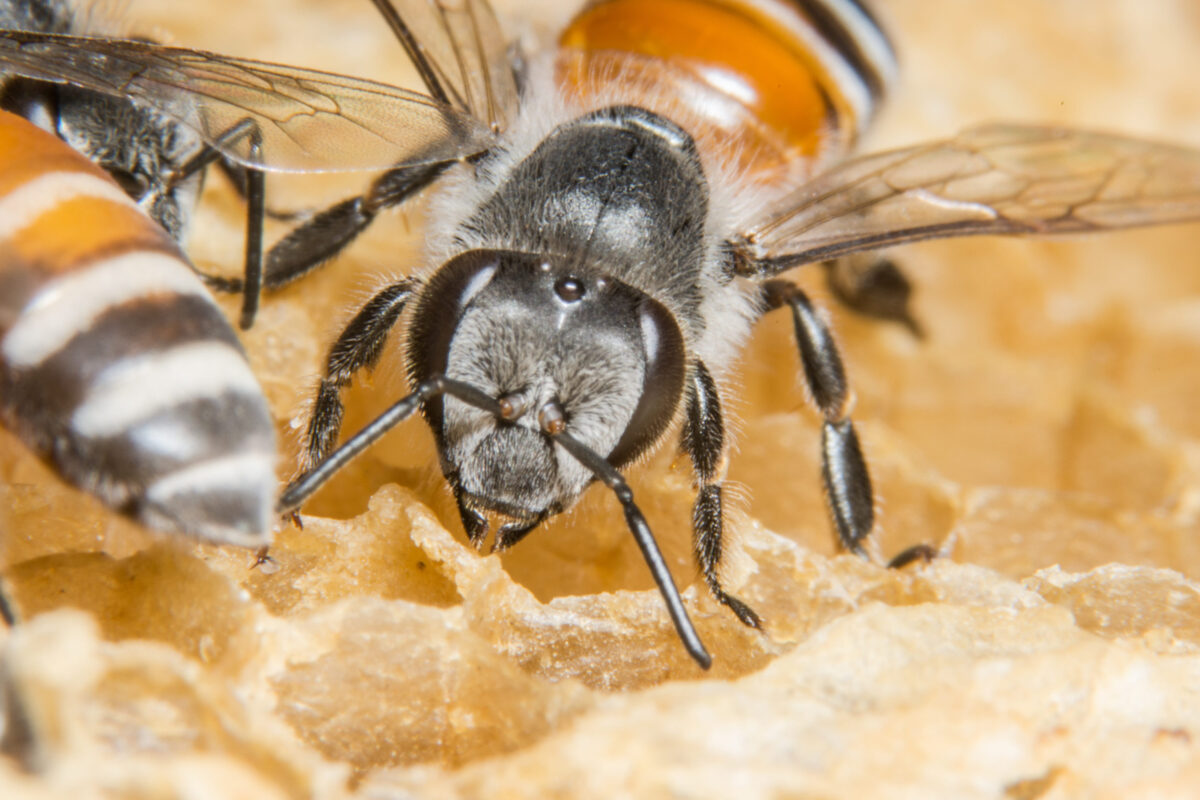
The name alone conjures fear, but Africanized honey bees are a stark example of how something tiny can create monumental danger. These bees are more aggressive than their European counterparts and will defend their hive with relentless determination.
They chase perceived threats for hundreds of meters, attack in large numbers, and their stings can be fatal to humans and animals alike. Some victims experience allergic reactions; others succumb simply due to the sheer number of stings. Keeping a colony of highly defensive bees in a backyard — especially in urban or suburban settings is irresponsible and risky. For these reasons, many regions have already taken steps to outlaw private ownership.
Venomous Snakes
Snakes embody both fascination and fear. Their silent movements and lethal precision make them iconic. But venomous snakes are not appropriate pets; they are weapons of nature.
When venomous snakes escape or are mishandled, the consequences can be fatal. These animals can deliver neurotoxic or hemotoxic venom that causes permanent damage or death within hours. The expertise needed to handle and house them safely is beyond the reach of most private owners. There is no place for species like king cobras or taipans in a domestic setting. The risks to first responders, family members, and neighbors are simply too high.
Primates
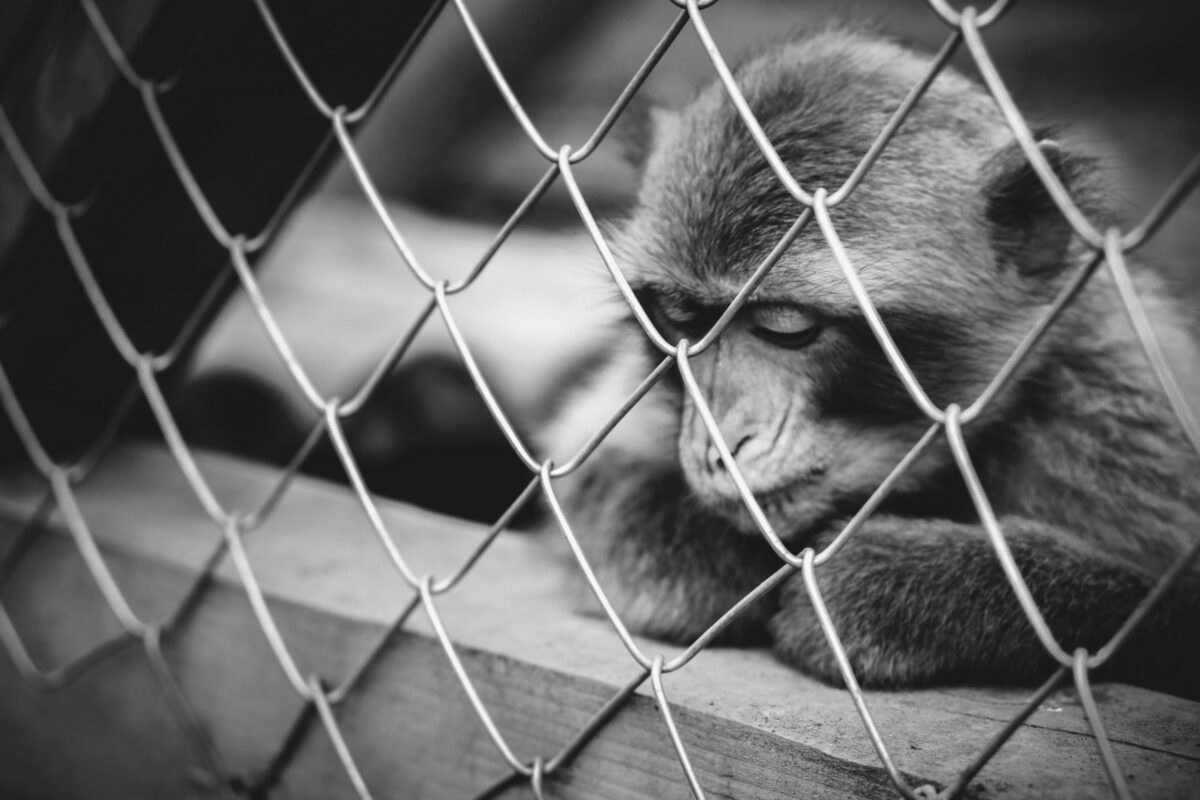
Primates are often portrayed as endearing and intelligent creatures, and they are. But their cognitive resemblance to humans is precisely what makes them dangerous in captivity.
As they age, primates become strong, unpredictable, and capable of violent behavior. There are numerous reports of chimpanzees and other monkeys seriously injuring or killing their owners. Their strength far exceeds that of humans, and their temperament is not suited to domestic life. The emotional and social needs of primates are also impossible to meet in a typical home. Deprived of proper environments and stimulation, these animals can develop behavioral issues that escalate into aggression.
Alligators and Crocodiles
Reptilian royalty meets raw power. Alligators and crocodiles have existed for millions of years and are perfectly engineered killing machines.
Owning one of these apex predators is akin to placing a small dinosaur in your living room. They have extraordinary bite force, are territorial, and grow rapidly, reaching lengths that make containment in private facilities virtually impossible. Even trained professionals handle these animals with extreme caution and specialized equipment. Private ownership doesn’t just endanger the owner; it endangers the entire community if the animal escapes.
Tarantulas and Poisonous Spiders

Many people find spiders fascinating; a tarantula’s hairy legs or a Brazilian wandering spider’s quick movements can intrigue. But exotic spiders often carry venom that can cause intense pain, neurological effects, or even worse.
Some species are unpredictable and may bite without warning. Combined with a lack of public understanding of these animals and insufficient safety protocols in homes, the risk of accidental envenomation is too great. Although smaller than other dangerous pets on this list, the impact of a venomous spider bite and the fear it provokes make them unsuitable for private households.
Exotic Birds of Prey
There is undeniable beauty in the fierce eyes and soaring wings of birds like eagles or hawks. Yet this elegance masks a predatory nature that is fundamentally at odds with life as a pet.
These raptors have razor-sharp talons designed to seize and kill prey. In the confined quarters of a home, these instincts can result in injuries to humans, other pets, and even the birds themselves as they become stressed and disoriented. Legal and ethical restrictions in many countries already prevent their private ownership, and for good reason. These birds belong in the wild or in certified rehabilitation and conservation facilities.
Fennec Foxes and Other Wild Canids
Tiny ears and fluffy tails make fennec foxes and similar wild canids undeniably adorable. But wild canids are not domesticated like dogs. They retain territorial instincts, unpredictable behavior, and complex social structures that are difficult to replicate in captivity.
Many of these animals are highly vocal, destructive, and difficult to house and train. Without adequate space and enrichment, they can develop destructive behaviors and lash out unpredictably. Their care also requires specialized diets and veterinary services that most owners cannot provide. This mix of husbandry challenges and behavioral unpredictability makes them poor choices and dangerous pets.
Exotic Fish
Aquariums captivate with their tranquil beauty, but not all fish are benign. Piranhas, with their powerful jaws and razor-sharp teeth, can inflict painful bites. Electric eels generate powerful shocks that can harm humans and other animals.
Keeping these creatures requires more than just a tank and filter. Piranhas must be kept under specific conditions to prevent stress and aggression, and electric eels require systems capable of safely containing their electrical discharges. Accidental injury during cleaning, transfer, or handling poses a real danger, particularly when inexperienced owners attempt to manage these fish in home aquariums.
Exotic Invertebrates
For those drawn to the arthropod world, giant scorpions and centipedes offer a thrilling glimpse into the evolutionary struggle for survival. But thrill alone doesn’t justify ownership when the risks are intense.
Scorpion venom varies in potency, and stings can cause serious pain, allergic responses, or even systemic effects. Giant centipedes deliver venomous bites that are extremely painful and can cause swelling, fever, or infection. These creatures are often nocturnal, quick, and difficult to handle without injury. The novelty of ownership pales in comparison to the real potential for painful encounters or escapes that may terrorize households.
Conclusion
Exotic pet ownership can seem alluring , a way to connect with the wild or stand out from the herd of dogs and cats. Social media hasn’t helped by glamorizing people cuddling lions or filming their pet snakes. But the reality is starkly different.
Animals on this list are not misbehaving due to poor training or inattentive owners; their very biology and instincts make them incompatible with domestic environments. They are dangerous to humans, other animals, and entire ecosystems when they escape or are released. Many of them carry powerful venom, immense physical strength, or predatory behaviors that cannot be tamed by affection alone. Legislation banning private ownership of these species is a necessary step to protect humans, animals, and the environment. True animal lovers admire these creatures safely from a distance, support accredited sanctuaries, and advocate for ethical, responsible interactions with wildlife. Exotic does not mean safe, and admiration from afar is often the most compassionate choice we can make.