8 Foods That Can Quietly Make Kidney Disease Worse
Kidney disease can turn ordinary foods into hidden troublemakers. A meal that looks harmless may carry too much sodium, potassium, phosphorus, or protein waste for weakened kidneys to handle well. That does not mean every person with kidney disease must eat the same bland plate forever. It means food choices need more attention, especially when the body is no longer clearing minerals and fluids the way it should.
These eight are among the biggest ones to watch.
Processed Meats

Bacon, sausage, hot dogs, ham, pepperoni, deli turkey, salami, and canned meat may taste like comfort food, but they can be rough on the kidneys. These foods are often cured, smoked, salted, or preserved, which means they often have a high sodium content. That matters because too much sodium can raise blood pressure, increase fluid retention, and make the heart and kidneys work harder.
The tricky part is how normal these foods feel. A few strips of bacon at breakfast, a deli sandwich at lunch, and pepperoni on pizza at night can quietly add up to a high-sodium day. People with kidney disease are usually better off choosing fresh chicken, fish, eggs, or lean meat in measured portions, then using herbs, garlic, onion, lemon, pepper, or salt-free seasoning for flavor.
Canned Soups and Canned Foods
Canned soup looks simple, warm, and harmless, but wide varieties are high in sodium. The same problem can occur in canned beans, vegetables, chili, pasta, and sauces. Manufacturers often add salt to improve taste and shelf life, but weak kidneys may struggle when sodium piles up meal after meal.
The better move is to read the label before the can hits the cart. “Low sodium” and “no salt added” versions are usually smarter choices, and rinsing canned beans or vegetables can help lower some of the salt. Still, canned food should not become the backbone of a kidney-conscious diet. The American Heart Association recommends no more than 2,300 mg of sodium per day for most adults, with 1,500 mg as an ideal limit for many people, especially those watching their blood pressure.
Dark Soda
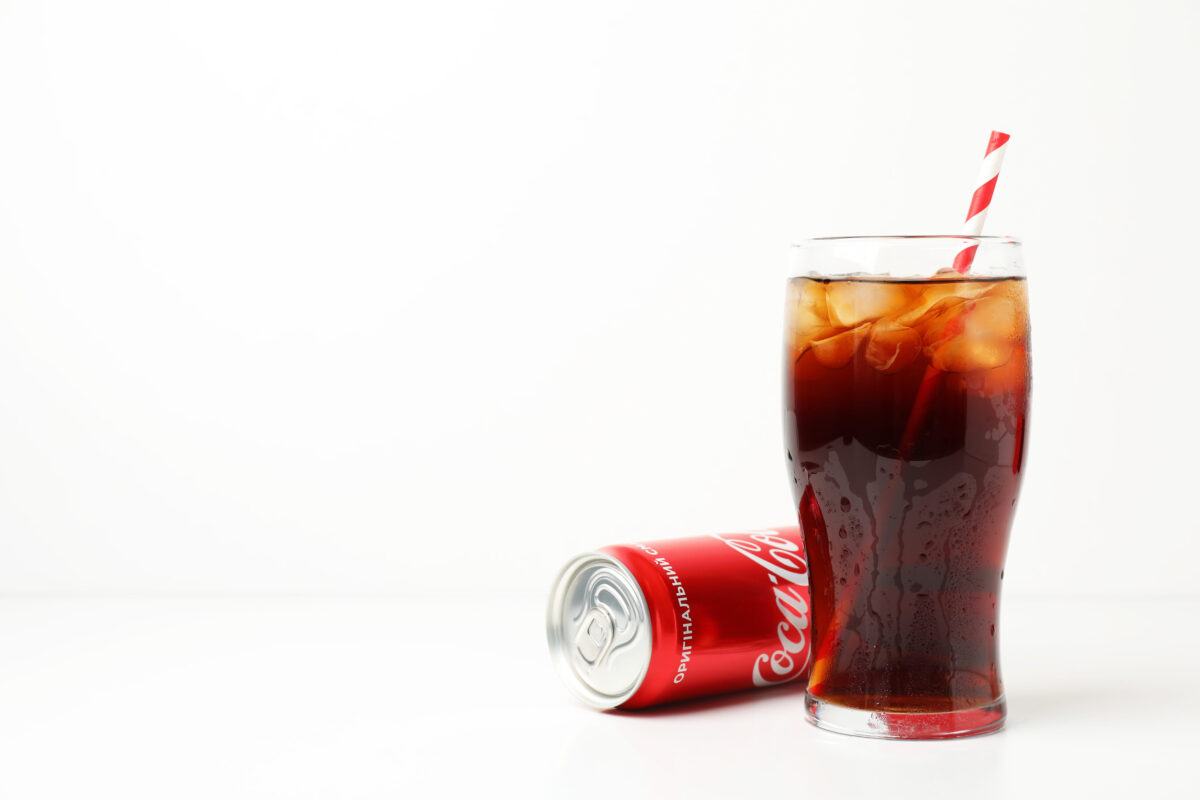
Dark cola is one of those drinks that can do more damage than people realize. Many dark sodas contain phosphorus additives to improve flavor, color, and shelf life. For people with kidney disease, this can be a problem because damaged kidneys may struggle to remove extra phosphorus from the blood.
The danger is not just the soda itself. Phosphorus additives can also appear in bottled drinks, processed meats, packaged baked goods, fast foods, and convenience meals. A smart label trick is to look for ingredients that contain “phos” in their names, such as phosphoric acid or sodium phosphate. If those words show up often, the product may not be the best choice for a kidney-friendly plan.
Bananas, Oranges, and Avocados
Bananas, oranges, and avocados often wear a health halo, and for many people, they deserve it. The problem worsens when kidney function declines, making potassium harder to control. Potassium helps nerves, muscles, and the heart work properly, but too much in the blood can become dangerous for people whose kidneys cannot clear it well.
This is where portion size becomes serious. A banana smoothie, orange juice at breakfast, and avocado toast at lunch can add up quickly. The National Kidney Foundation notes that foods with 200 mg or more potassium per serving are generally considered high-potassium foods. Lower-potassium fruit choices may include apples, berries, grapes, peaches, plums, and pineapple, depending on the person’s lab results and dietitian’s advice.
Potatoes and Sweet Potatoes
Potatoes are filling, affordable, and everywhere. They show up as baked potatoes, fries, mashed potatoes, chips, hash browns, soups, and casseroles. Sweet potatoes have the same problem for many kidney patients because they can also be high in potassium. Once salt, cheese, butter, gravy, or bacon are added to the plate, the meal becomes even harder to manage.
Some people lower the potassium in potatoes by cutting them into small pieces, soaking them, boiling them in plenty of water, and draining the water before finishing the dish. That does not make potatoes unlimited, but it may make a small portion easier to fit into some meal plans. White rice, pasta, tortillas, or lower-potassium vegetables can sometimes be easier choices when potassium is a concern.
Tomatoes and Tomato Sauce

Tomatoes are another food that feels innocent until kidney disease changes the rules. Fresh tomatoes, tomato paste, tomato sauce, salsa, ketchup, marinara, pizza sauce, and canned tomato products can be a good source of potassium, especially when concentrated. A spoonful of tomato paste or a large serving of marinara can have a greater impact than a few slices of fresh tomato.
The bigger issue is how often tomato products appear in everyday meals. Pasta, pizza, stew, chili, soup, and sandwiches can all include tomato without people thinking twice. For some kidney diets, roasted red pepper sauce, garlic and olive oil, herb sauces, or smaller portions of tomato-based foods may work better. The goal is not to panic over one tomato slice. The goal is to stop concentrated tomato products from taking over the plate.
Dairy Products
Milk, cheese, yogurt, cottage cheese, ice cream, and creamy sauces can be difficult for people with kidney disease because they may contain phosphorus and potassium. Dairy has long been promoted for bone health, but when phosphorus levels rise too high in the blood, it may affect mineral balance and bone health over time.
Cheese adds another problem because many types are salty, especially processed cheese slices, cheese spreads, pizza cheese, and boxed macaroni products. Plant-based milks are not automatically safer either, since some contain phosphate additives. People managing kidney disease should check labels carefully and ask a renal dietitian which dairy portions or substitutes make sense for their blood work.
Chips, Pretzels, Pickles, and Salty Snacks
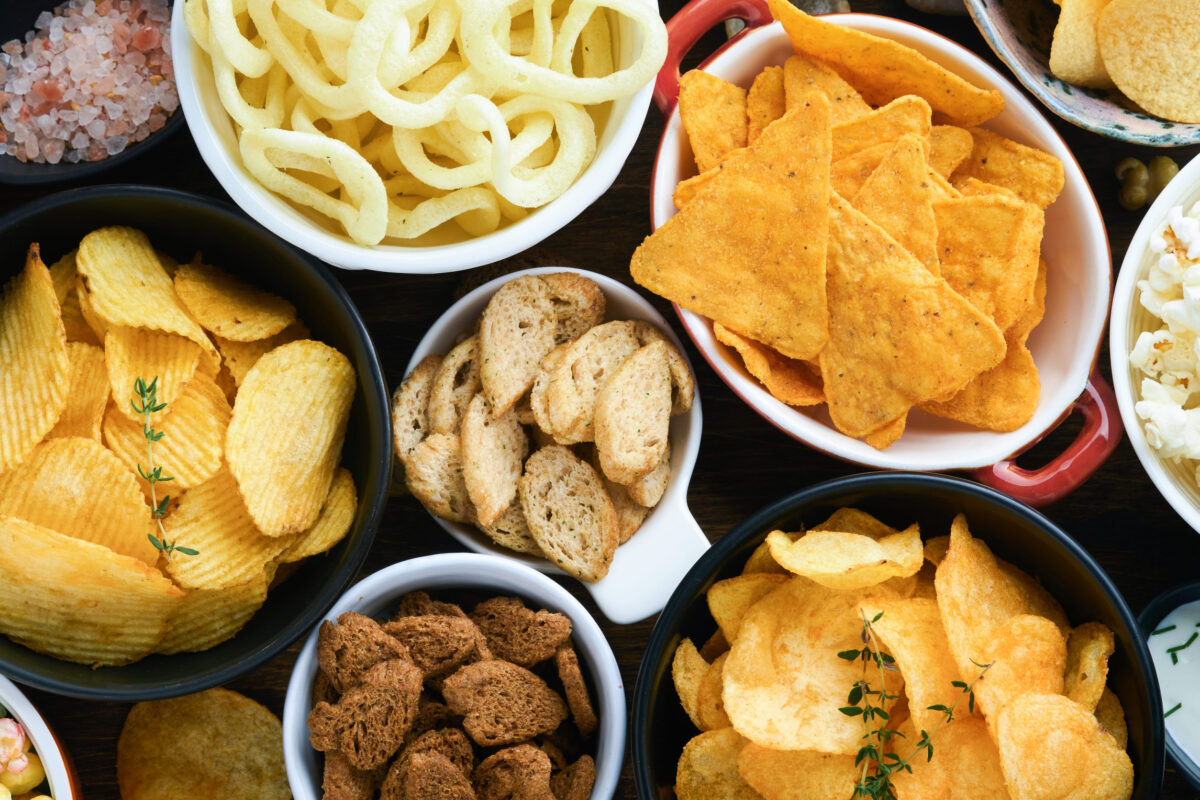
Salty snacks are dangerous because they rarely feel like a full meal. Chips, pretzels, salted crackers, cheese puffs, flavored popcorn, snack mixes, pickles, relish, and olives can add a surprising amount of sodium in small servings. The bag may say one serving, but most people eat more than that without noticing.
This is where kidney-friendly eating becomes practical, not dramatic. Unsalted popcorn, low-sodium crackers, apple slices, grapes, berries, cucumber slices, or homemade snacks can satisfy the urge to crunch without turning sodium into the star of the day. Packaged, prepared, and restaurant foods contribute more than 70% of the sodium that Americans eat, so changing snack habits can make a real difference.