12 Things You Should Never Clean With Vinegar
Vinegar has become a go-to household staple across the country. Its affordability, non-toxic nature, and versatility make it an appealing choice for tackling grime, cutting through hard-water stains, and naturally freshening surfaces. But its acidic properties, which allow it to work wonders on some materials, can actually cause permanent damage to others, eroding finishes, etching surfaces, and shortening the life of appliances.
Many homeowners unknowingly harm expensive countertops, floors, electronics, and cookware by assuming vinegar is safe for everything. Understanding the limits of this powerful liquid is essential to keeping your home clean without causing irreversible harm.
From delicate natural stone countertops to high-tech screens and seasoned cast iron, here’s a detailed breakdown of 12 things you should never clean with vinegar and why avoiding it is critical for long-term maintenance.
Electronic Screens

Smartphones, tablets, laptops, TVs, and monitor screens often feature delicate anti-glare and protective coatings that can be irreparably damaged by vinegar. The acid can leave permanent streaks, reduce clarity, and even affect touch responsiveness, creating expensive problems for devices that are already high-value investments.
Even a minimal application can compromise these surfaces, so it’s critical to use alternatives. A soft microfiber cloth with a small amount of water or a dedicated screen-safe cleaning solution ensures electronics remain spotless and functional without the risk of costly repairs or reduced lifespan.
Natural Stone Countertops
Marble, granite, limestone, travertine, and soapstone are luxurious, durable, and visually stunning, but they are highly sensitive to acidic substances like vinegar. Even a small amount can react with the calcium in stone, etching the surface, dulling the finish, and gradually eroding protective sealants. The results are often subtle at first, slightly hazy patches or a loss of gloss, but repeated exposure can leave permanent damage that’s extremely difficult and expensive to repair.
Using vinegar on stone can also weaken sealants, making surfaces more prone to staining from oils, wine, or colored foods. For daily cleaning, stick to pH-neutral stone cleaners or a damp microfiber cloth, ensuring the natural beauty of the countertop remains intact while avoiding costly restoration.
Steam Irons and Appliances
While pouring vinegar into a steam iron or garment steamer may seem like a smart descaling trick, it can corrode internal metal components and rubber seals, leading to leaks or permanent malfunction. Steam appliances rely on carefully calibrated components, and exposure to acids disrupts their function and safety over time.
Manufacturer-approved descaling solutions or citric acid cleaners designed for steam appliances provide the same cleaning benefits without compromising internal mechanisms, ensuring your iron or steamer continues to operate reliably for years.
Wood Flooring and Furniture
Vinegar is commonly thought to be a gentle, natural cleaner for wood floors and furniture, but it can break down protective coatings, leaving wood dry and dull. Acidic contact gradually strips waxes, sealants, and finishes, leaving surfaces vulnerable to scratches, moisture damage, and discoloration. Even short-term exposure can cause cloudy patches and make the wood appear worn over time.
Prolonged use may compromise the structural integrity of wood, especially in high-traffic areas. Using specialized wood soaps or lightly damp microfiber cloths keeps wood clean while maintaining its natural luster and durability, protecting both the investment and the aesthetic appeal of your home furnishings.
Grout and Certain Tiles
Grout, particularly unsealed or poorly sealed varieties, is highly susceptible to acids. Vinegar can weaken grout, erode surfaces, and cause crumbling, ultimately damaging the structural stability of tiled areas. Cracks and discoloration may develop over time, making cleaning more difficult and potentially requiring professional repair.
Using pH-neutral tile cleaners preserves grout integrity while effectively removing dirt, mold, and mildew. This approach maintains the beauty and durability of tiled surfaces without risking long-term damage.
Dishwashers and Washing Machines
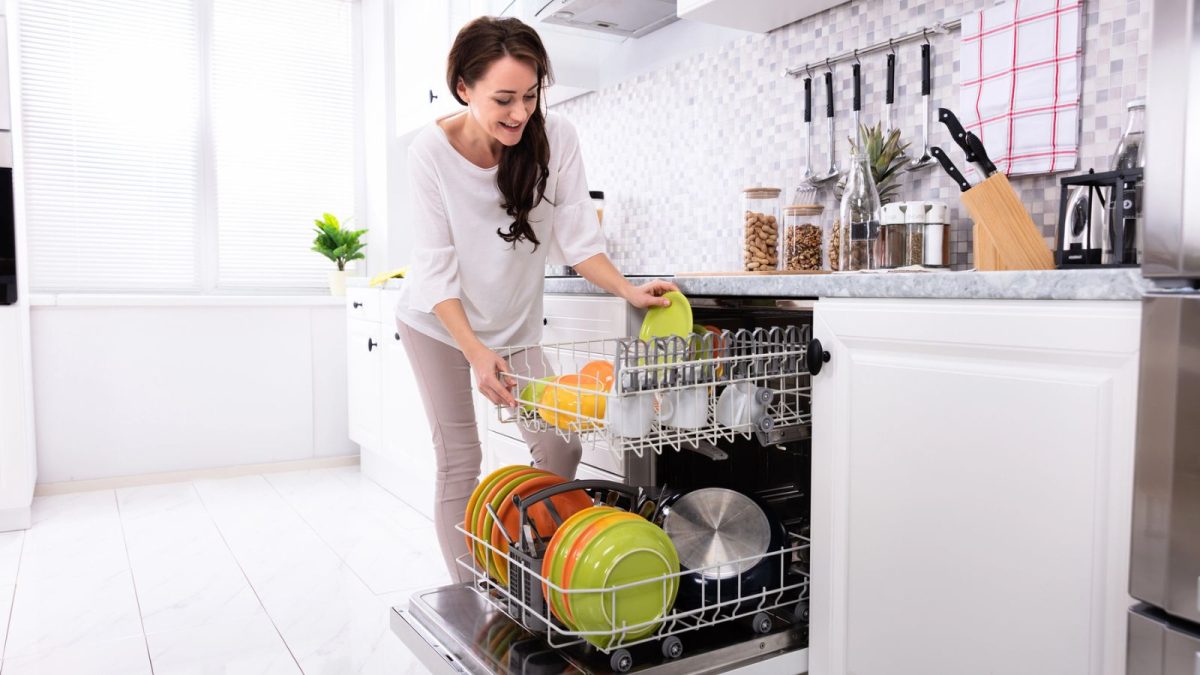
Many DIY cleaning guides recommend vinegar as a natural descaler for dishwashers and washing machines, but regular use can erode rubber gaskets, hoses, and seals, leading to leaks, mechanical failure, or stiffness in moving parts. This gradual degradation can result in costly repairs or replacement long before the appliance’s expected lifespan.
Instead, choose appliance-safe descaling products formulated specifically for these machines. They remove mineral buildup effectively while preserving the integrity of essential components, keeping your appliances running smoothly and efficiently.
Cast Iron and Specialty Cookware
Cast iron, carbon steel, and other seasoned cookware rely on a layer of seasoning to create nonstick properties and prevent rust. Vinegar can strip this protective layer, leaving the metal vulnerable to oxidation and making food prone to sticking. Even a brief soak can undo months of careful seasoning.
Safe cleaning practices involve warm water and a non-abrasive brush. For tough spots, lightly scrubbing with kosher salt helps preserve the seasoning, ensuring longevity and performance of these essential kitchen tools.
Knives and Metal Cutlery
Vinegar accelerates corrosion and pitting, particularly on carbon-steel or lower-grade stainless-steel knives. Even short-term exposure can dull blades, erode finishes, and compromise cutting performance. Acidic contact may also discolor decorative or high-end knives, leaving visible damage on surfaces that were previously pristine.
To maintain sharpness and longevity, always handwash knives with warm, soapy water, dry them immediately, and avoid prolonged exposure to acidic substances. This method ensures your cutlery remains functional, safe, and visually appealing.
Stone Tile and Flagstone
Natural stone tiles, including flagstone or unglazed surfaces, react poorly to acidic cleaners. Vinegar can etch, dull, or discolor these surfaces, leaving them vulnerable to staining and erosion. Even occasional use can gradually reduce the aesthetic appeal and durability of these high-value materials.
Opt for stone-safe, pH-neutral cleaning solutions to retain color, texture, and longevity while effectively removing dirt and grime.
Rubber and Plastic Components
Rubber gaskets, hoses, and certain plastics used in appliances, plumbing, or electronics may deteriorate more quickly when exposed to acidic vinegar. Repeated exposure can cause brittleness, cracking, and failure, leading to leaks, mechanical issues, or compromised safety.
Stick to mild soapy water or manufacturer-approved cleaning solutions to safely maintain rubber and plastic parts, protecting both functionality and structural integrity.
Egg Spills and Protein-Based Messes
Surprisingly, acidic vinegar can cause egg proteins to coagulate, making spills harder to clean rather than easier to clean. The reaction can create a sticky, stubborn residue that is far more time-consuming to remove.
Instead, use warm water and mild soap, which dissolve protein effectively and allow for easy removal, preventing the mess from hardening and ensuring your surfaces stay hygienic.
Specialty Glass and Mirrors

Certain mirrors and decorative glass feature antireflective coatings or delicate finishes that vinegar can damage. Acid contact may leave hazy marks, discoloration, or permanent etching, undermining both aesthetics and functionality.
A streak-free glass cleaner or damp microfiber cloth keeps surfaces clear and gleaming without risking damage to expensive or decorative glass elements in your home.
Conclusion
Vinegar is powerful, natural, and cost-effective, but its acidic nature makes it unsuitable for a surprising number of household surfaces and items. From natural stone countertops and hardwood floors to electronics and seasoned cookware, using vinegar improperly can cause lasting damage, costly repairs, and frustration. Pairing the right cleaning method with the right surface protects your home, appliances, and valuables while keeping everything clean, safe, and looking its best.