6 Dangerous Foods That Can Trigger Food Poisoning
Food poisoning has a sneaky way of making ordinary meals look guilty after the damage is done. The chicken looked fine, the salad looked fresh, the rice tasted normal, and the deli sandwich seemed harmless until your stomach started filing complaints like a dramatic tenant. That is what makes food borne illness so frustrating.
The danger often hides in the everyday foods we buy, cook, pack, reheat, and serve without thinking twice. The good news is that we do not have to fear our kitchens. We just need to respect the foods that carry the highest risk.
Here are some foods you should be on the look out for;
Raw or Under cooked Poultry

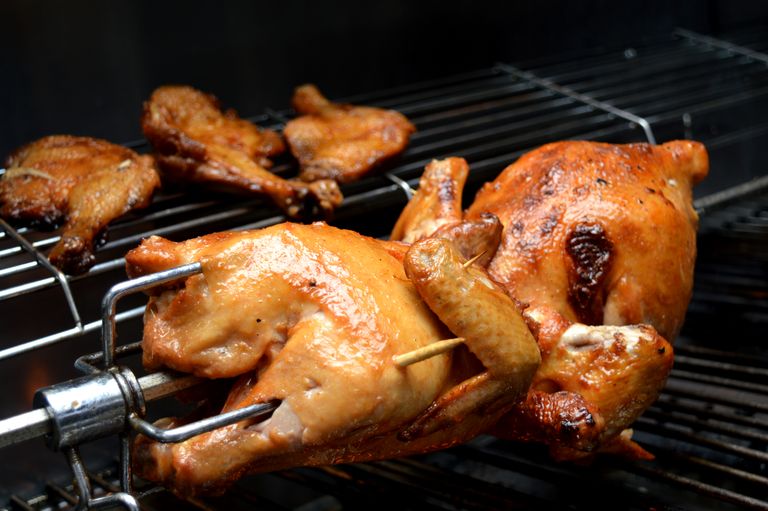
Chicken and turkey are dinner heroes, but they are also among the most notorious culprits in food poisoning. Raw poultry can carry germs like Salmonella and Campylobacter, which can spread through juices on cutting boards, knives, counter tops, hands, and refrigerator shelves. One small leak from a chicken package can quietly contaminate foods that will never be cooked again.
This is why poultry needs a strict kitchen routine. We should keep it sealed, store it below ready-to-eat foods, use separate cutting boards, and never let raw juices come into contact with salad ingredients, fruit, bread, or cooked meals. Washing raw chicken may feel like a cleanliness ritual, but it can splash germs around the sink and nearby surfaces. Cooking is the real safety step. Chicken, turkey, duck, ground poultry, and stuffing cooked inside poultry should reach 165°F before serving.
Leafy Greens
Lettuce, spinach, kale, cabbage, herbs, and salad mixes can look crisp enough for a wellness magazine cover and still carry harmful germs. Produce can become contaminated through soil, irrigation water, animal runoff, dirty equipment, or poor handling during processing and preparation. Since greens are often eaten raw, there is no final cooking step to kill bacteria.
That does not mean we should abandon salads. It means we should stop treating raw greens as automatically safe just because they are healthy. CDC source estimates found that produce accounted for nearly half of food borne illnesses in the data studied, with leafy vegetables playing a major role.
Seafood and Shellfish

Seafood can go from elegant to risky very quickly when it is poorly stored, under cooked, or harvested from unsafe waters. Fish need proper refrigeration because bacteria can grow fast when seafood warms up. Shellfish adds another layer of concern because oysters, clams, mussels, and scallops can concentrate harmful germs or toxins from the surrounding water.
Raw oysters deserve special caution. They may look clean, smell briny, and arrive beautifully arranged on ice, but that does not guarantee safety. People with weakened immune systems, liver disease, diabetes, pregnancy, or older age face a higher risk from raw or under cooked seafood. With seafood, freshness matters, but temperature and sourcing matter even more.
Deli Meats

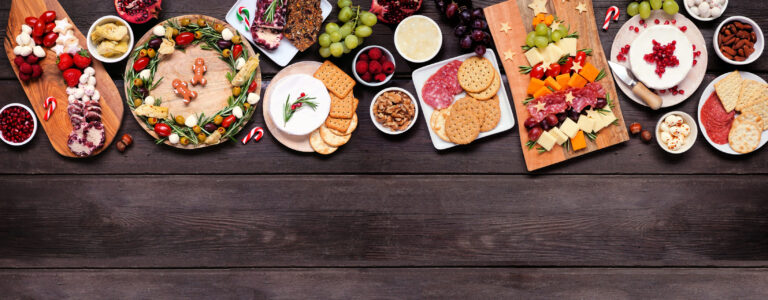
Deli turkey, ham, salami, hot dogs, pâté, and ready-to-eat meat slices are convenient, but comes with risks. These foods may be handled, sliced, packaged, and stored after cooking, which creates chances for contamination. Unlike many bacteria, Listeria grows even at refrigerator temperatures, making deli meats a bigger concern for pregnant women, older adults, and people with weakened immune systems.
For higher-risk people, deli meats and hot dogs are safest when reheated until steaming hot. FDA guidance warns vulnerable groups to avoid deli-style meats unless they are heated to a safe temperature before eating. Everyone else should still keep deli meats cold, respect use-by dates, and throw away packages that smell off or feel slimy.
Cooked Rice and Leftovers
Rice is one of the most underestimated sources of food poisoning because the danger often starts after cooking. Uncooked rice can contain Bacillus cereus spores, which can survive cooking. When cooked rice sits at room temperature for too long, bacteria can multiply and produce toxins that may cause illness.
This is where many home kitchens slip. A pot of rice left on the stove, a takeout container forgotten on the counter, or a big batch of meal prep rice cooling slowly can become a problem. The rice may still smell fine and taste normal, which makes it even more deceptive. Leftovers need fast cooling and proper reheating.
Raw Eggs and Raw Dough
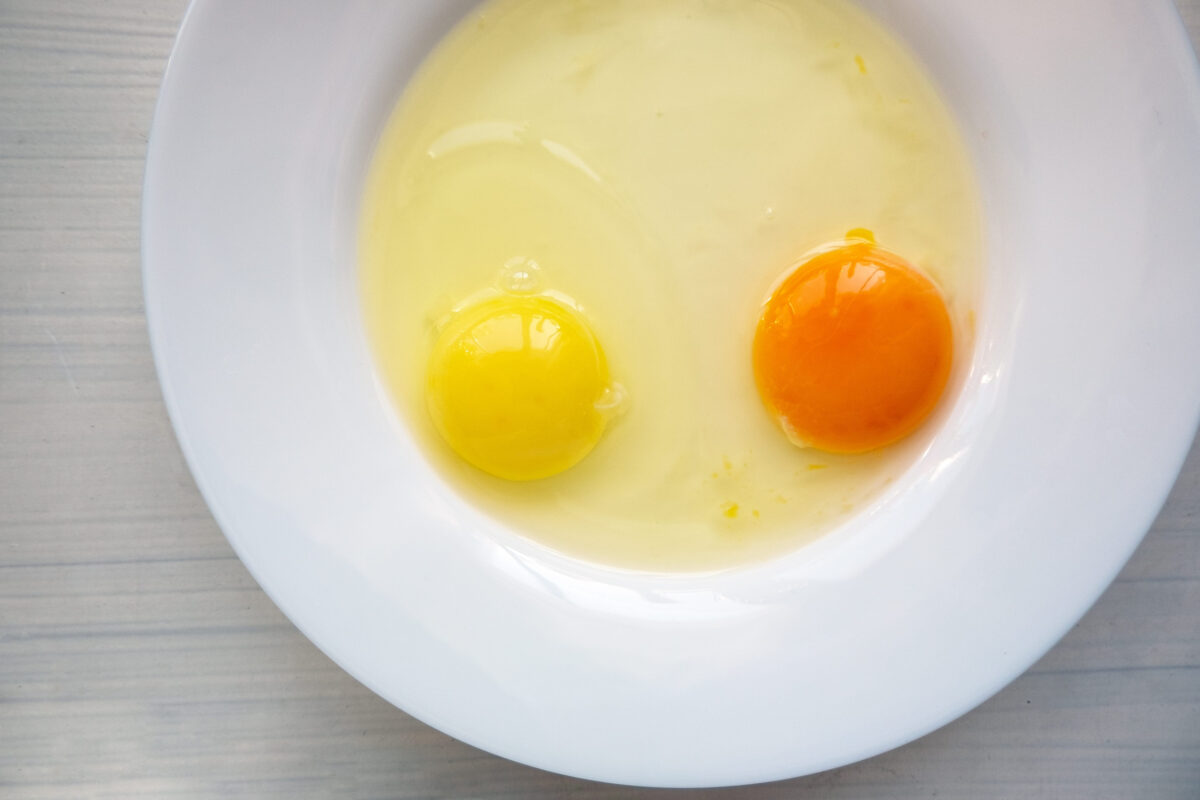
Eggs are breakfast royalty, but raw or under cooked eggs carry Salmonella. The risk appears in runny eggs, homemade mayonnaise, mousse, eggnog, Caesar dressing, and desserts that use raw eggs. Cracked or dirty eggs warrant extra suspicion because shell damage can give bacteria an easier path inside.
Raw dough adds a second problem. Many people worry about the eggs in cookie dough, but raw flour can also carry harmful germs because flour is made from grain grown outdoors. Flour is meant to be cooked, not eaten straight from the bowl with a spoon, no matter how convincing the cookie dough voice in your head becomes.