10 Dangerous Cooking Habits That You Should Avoid
Serious kitchen mistakes often begin quietly, such as using a cutting board that wasn’t fully cleaned, leaving leftovers in the fridge, or touching your phone after handling raw chicken. Familiar routines can make us overlook the risks present in the kitchen, including heat, bacteria, sharp tools, and slippery surfaces. Bad cooking habits are often overlooked because they seem normal. Common practices, such as washing chicken, thawing meat on the counter, or using your phone while cooking, can introduce risks. The issue is not carelessness, but that many hazards are hidden in everyday routines.
Here are some habits you should avoid in the kitchen
Using the Same Cutting Board for Everything
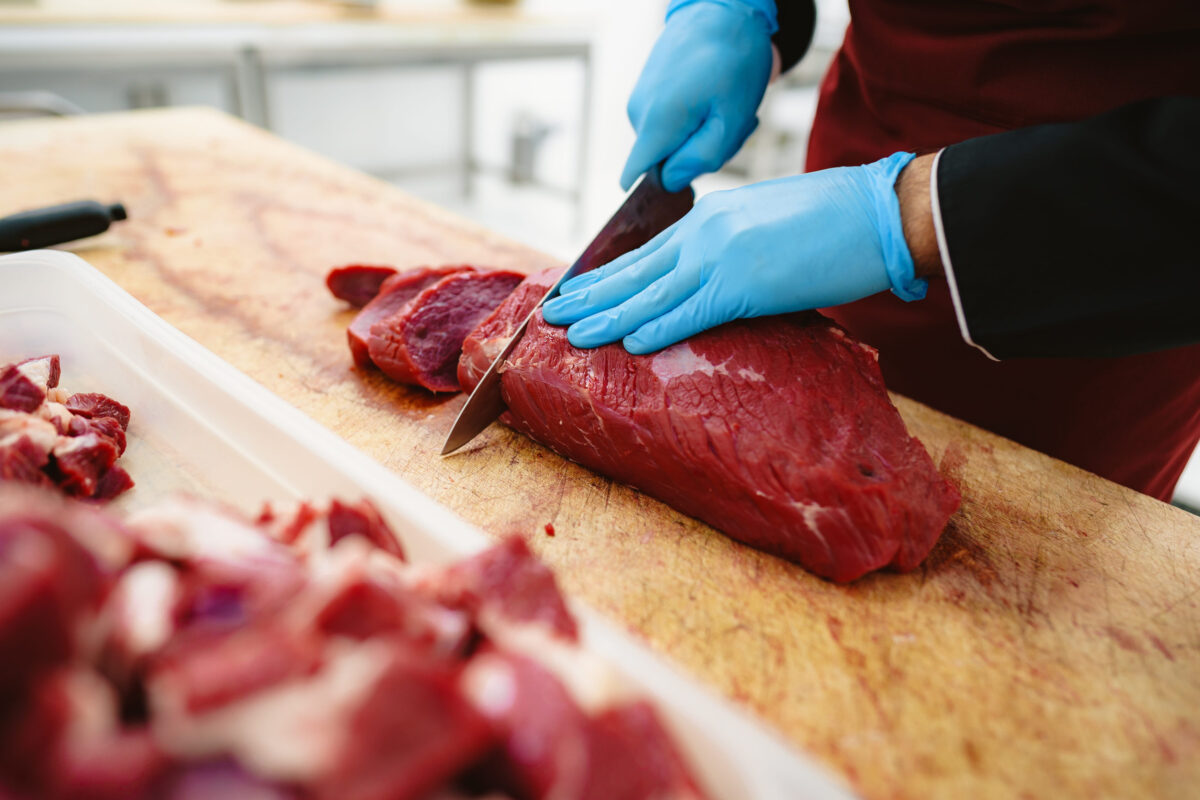
A single cutting board can become one of the busiest danger zones in the kitchen. Raw chicken, beef, fish, pork, vegetables, bread, cheese, and fruit should not all be stored on the same surface without thorough cleaning in between. Raw meat juices can leave germs behind, and those germs can move to foods that will not be cooked again. That means a clean-looking board can still carry risk from one meal step to the next.
The safer move is to use separate boards for raw meat and ready-to-eat foods. Color-coded boards make this even easier because no one has to guess which one touched raw poultry earlier. Wash boards, knives, and counters with hot, soapy water after each food item. If a board has deep cuts, cracks, or stains that won’t wash away, it may be time to replace it.
Washing Raw Chicken Before Cooking
Washing raw chicken feels like a cleaning step, but it can do the opposite. When water hits raw poultry, tiny droplets can splash onto the sink, faucet, counter, dishes, towels, and nearby food. That splash can spread bacteria around the kitchen before the chicken even reaches the pan. The meat may look cleaner, but the kitchen may be more contaminated than before.
The safer habit is to skip the rinse and cook poultry to the right internal temperature. If there is liquid on the chicken, pat it with a paper towel, throw the towel away, and wash your hands well. Clean the sink area if raw juices came into contact with it. The real safety step is proper cooking, not splashing raw poultry under running water.
Walking Away From the Stove
Almost everyone has done it. You leave the kitchen for one quick task, then a pot boils over, oil starts smoking, or a pan gets hotter than expected. Unattended cooking is one of the most dangerous kitchen habits because fire can move faster than people think. A few quiet minutes can turn into smoke, flames, and panic.
Stay near the stove when frying, boiling, grilling, broiling, or cooking with oil. If you need to leave, turn off the burner first. Keep towels, paper packaging, plastic bags, wooden utensils, and loose sleeves away from heat. A timer helps, but attention is better. Hot pans deserve your full respect.
Keeping Leftovers Too Long
Leftovers can feel like a gift from yesterday, especially after a long workday. The trouble starts when containers sit in the fridge longer than they should. Food can look fine, smell normal, and still become unsafe. Bacteria do not always announce themselves with mold, sour smells, or strange colors.
A better habit is to label leftovers with the date and eat them within a safe window. Store food in shallow containers so it cools faster. Do not leave rice, pasta, meat, soup, pizza, or casseroles on the counter for hours before refrigerating. When a container looks suspicious or has been forgotten too long, throw it out. One saved meal is not worth a food poisoning nightmare.
Reheating Food Only Until the Edges Are Hot

The microwave can trick you. The plate may feel hot, the edges may steam, and the center may still be cold. This is common with rice, pasta, mashed potatoes, meat dishes, soups, sauces, and casseroles. Cold spots matter because bacteria can survive in parts of the food that did not heat properly.
Stir food halfway through reheating, rotate the dish, and cover it loosely so steam can help heat the whole meal. Let it stand for a short time after the microwave stops so the heat can spread. Leftovers should be hot all the way through, not just warm enough to fool your fingers. For meat-heavy dishes, soups, and family-size portions, a food thermometer takes away the guesswork.
Guessing When Meat Is Fully Cooked
Many people trust color because they have cooked for years. That confidence can be risky. Chicken can turn white before it is fully safe. Burgers can brown before the center reaches the right temperature. Pork, turkey, seafood, casseroles, and stuffed foods can all look done before they truly are.
A food thermometer is not just for professional chefs. It is one of the simplest safety tools a home cook can own. Place it in the thickest part of the food, away from the bone, fat, or the pan. Let certain meats rest after cooking so the heat continues working inside. Good cooking is not guesswork when safety is involved.
Touching Your Phone With Cooking Hands

Phones have become kitchen helpers, but they can also become germ carriers. We use them for recipes, timers, music, videos, grocery lists, and quick messages. Then we touch raw eggs, flour, meat, seafood, or dirty counters and tap the screen again. The phone quietly moves germs from one surface to another.
Set up your recipe before touching raw ingredients. Use voice commands when possible. Keep your phone on a stand away from the prep area. Wash your hands before touching the screen again. If the phone gets handled during cooking, clean it properly. A recipe should guide the meal, not contaminate it.
Storing Raw Meat Above Ready-to-Eat Food
The refrigerator can increase the risk when food is stored incorrectly. A leaking package of chicken, beef, fish, or pork can drip onto fruit, salad greens, leftovers, cheese, or containers below it. The fridge may feel like a safe place, but poor storage can turn it into a quiet cross-contamination trap.
Raw meat, poultry, and seafood should go on the lowest shelf in a sealed container, tray, or plate. Ready-to-eat foods should stay above raw items. Clean spills quickly, especially if raw juices are involved. Grocery bags used for raw meat should be washed or replaced when needed. The safest fridge is organized with leaks in mind.
Thawing Meat on the Counter
Counter thawing feels easy, but it can lead to overheating. The outside of frozen meat can warm up long before the center thaws. That gives bacteria a chance to grow on the surface. Poultry, seafood, ground meat, and large cuts become especially risky when they sit out for hours.
Thaw food in the refrigerator when you can plan ahead. For faster thawing, use cold water and change the water often while the package is sealed. Microwave thawing can work too, but the food should be cooked right away. The counter may be convenient, but it is not the safest place to defrost dinner.
Using the Wrong Oil for High Heat
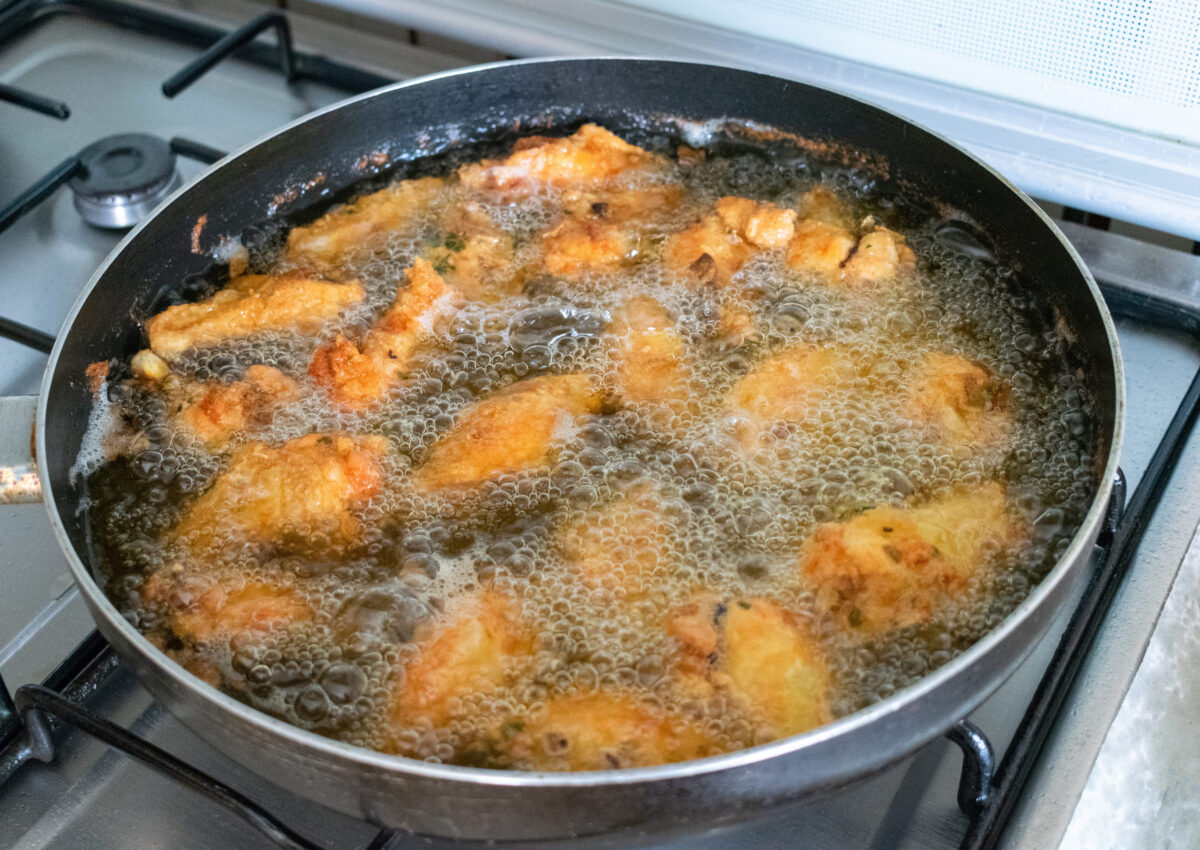
Not every oil can handle every cooking job. Some oils smoke quickly when the heat gets too high. That smoke can ruin flavor, irritate the kitchen air, and signal that the oil is breaking down. Extra-virgin olive oil is wonderful for many dishes, but it may not be the best choice for deep frying or very hot searing.
Match the oil to the job. Use high-heat oils for frying, stir-frying, and hard searing. Keep an eye on the pan before adding food. If oil starts smoking heavily, lower the heat or move the pan off the burner if it is safe. Never throw water on burning oil. Grease fires need calm action, not panic.