8 Hidden Dangers Solo Women Hikers Ignore Until the Trail Turns Against Them
A solo hike can look like the perfect American reset button. One woman, one trail, one bottle of water, one quiet morning away from traffic, work emails, family noise, and the endless glow of a phone screen. It sounds peaceful because the wilderness knows how to sell itself.
But the trail has a cold side too. It does not care how confident you are, how many hiking videos you watched, or how good the sunrise looks on camera. For solo women, hiking alone can still be powerful and freeing, but it also comes with risks that deserve more honesty than most glossy travel posts provide.
One Injury Can Turn the Whole Hike Into a Crisis

A twisted ankle does not sound dramatic until it happens three miles from the trailhead. A small slip can become a major problem when nobody is there to help carry supplies, call for assistance, or walk back for help. Even a minor fall can feel frightening when the trail is empty, and daylight is fading.
Solo hiking removes the backup system. There is no second person to steady you, check the map, share water, or help you think clearly after a painful mistake. That is why solo women should treat even “easy” hikes with respect, especially on rocky paths, steep descents, muddy sections, or trails with poor cell service.
Poor Gear Can Punish You Fast
A solo hiker does not need to pack like she is crossing Antarctica, but she does need more than vibes and a cute water bottle. Bad shoes, no flashlight, no first aid kit, no extra layer, no snacks, and no backup charger can turn a short hike into a stressful situation. The wrong gear makes every small problem bigger.
This is where confidence can become dangerous. Many hikers assume short trails are automatically safe, but injuries, delays, weather shifts, and wrong turns do not ask how many miles you planned. Solo women should pack as if the hike may last longer than expected, because the trail often has its own schedule.
A Quiet Trail Can Make You Too Easy to Notice
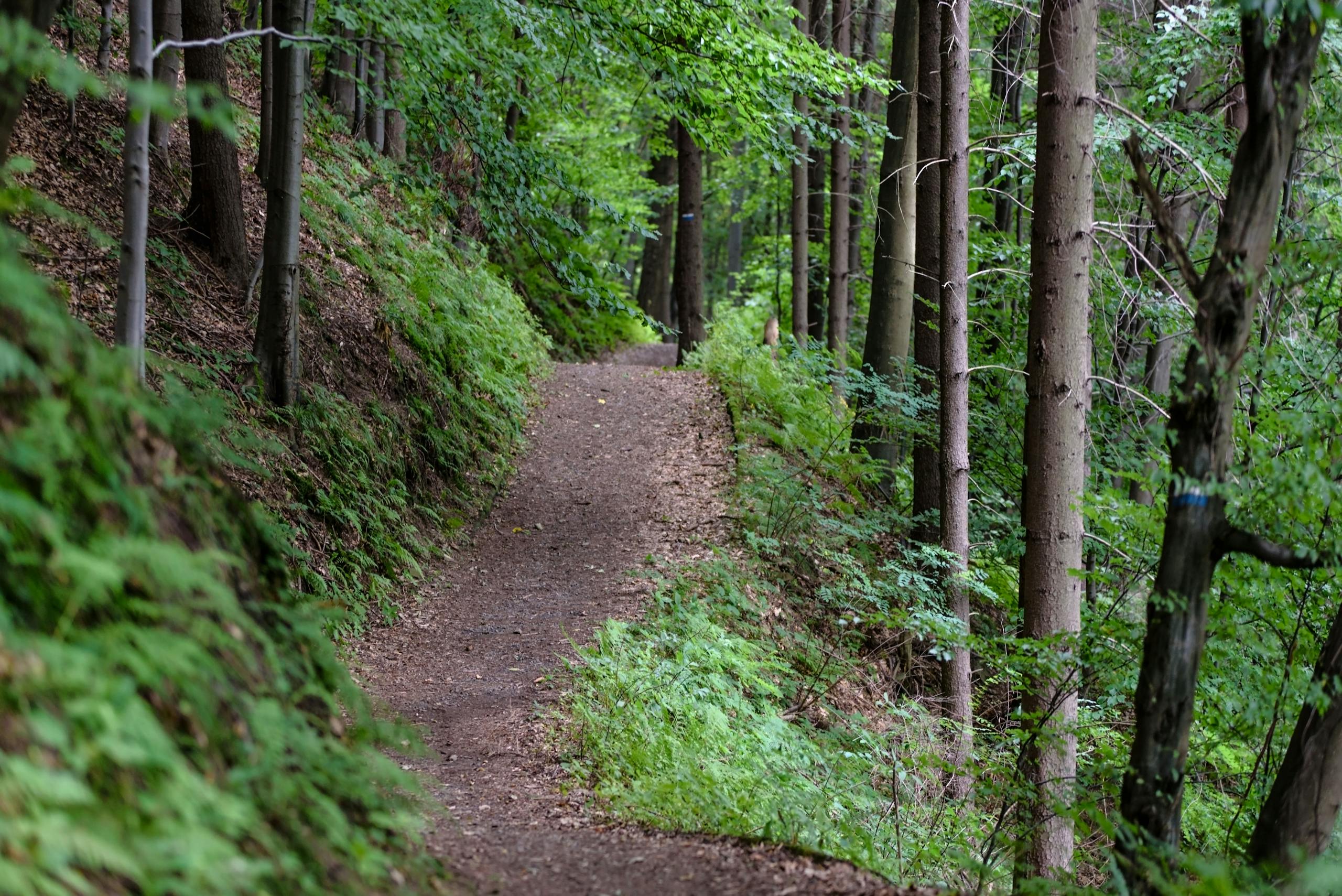
Solo women hikers can stand out quickly at trailheads, parking lots, overlooks, and isolated paths. When fewer people are around, there are fewer distractions and fewer witnesses. That makes it easier for the wrong person to notice who arrived alone, who has no visible hiking partner, and who may be returning to the same parking area later.
This does not mean every stranger on a trail is dangerous. Most hikers are ordinary people chasing fresh air and sore calves like everyone else. Still, being alone means a woman has to pay closer attention to body language, repeated encounters, lingering questions, and anyone who seems too interested in where she is going next.
Exhaustion Can Quiet Your Common Sense
A solo hike can feel easy at the start because excitement hides fatigue. Then the climb gets steeper, the sun gets stronger, the water runs lower, and the body starts negotiating with the brain. That is when poor decisions sneak in.
Exhausted hikers may ignore pain, skip rest, ration water too late, or keep walking because they feel embarrassed to turn back. For solo women, that can be especially risky because there is no companion to say, “This is enough.” The trail will still be there another day, but pride can push a tired hiker into trouble fast.
Getting Lost Feels Worse When No One Is There to Think With You
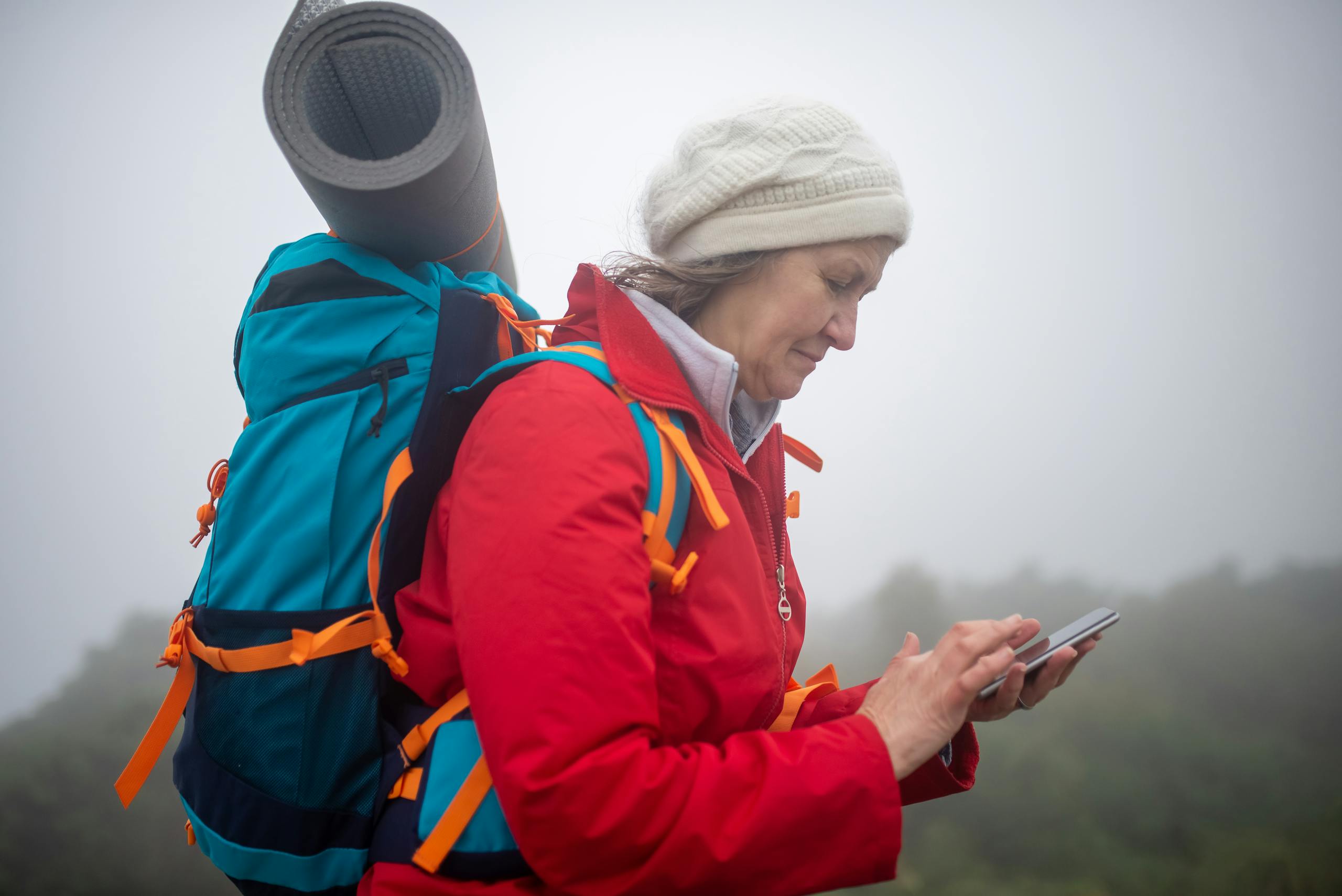
A wrong turn can happen to anyone. The problem is that solo hikers have to fix their mistakes alone, and panic loves empty places. Once a woman realizes the trail looks unfamiliar, every sound feels louder, every shadow feels sharper, and every minute starts to matter.
Getting lost becomes more dangerous when the cellphone battery is low, the map will not load, or the trail signs are confusing. A hiking partner can compare memories, check another device, or simply calm the moment. Alone, a woman needs offline maps, a charged power bank, and the discipline to stop early rather than wander deeper.
Wildlife Does Not Care That You Came for Peace
The woods may look calm, but animals live there full-time. Snakes, bears, coyotes, wild dogs, insects, and even aggressive birds can pose real problems for hikers who get too close, carry food carelessly, or overlook warning signs. Wildlife encounters become more intense when no one else is nearby to help you react calmly.
The danger is not always a dramatic attack. Sometimes it is a bite, a sting, a startled animal, or food left in the wrong place. Solo women should learn the wildlife risks of the area before hiking, stay on marked paths, avoid feeding animals, and remember that the best photo is never worth stepping too close.
Real-Time Posting Can Reveal Too Much
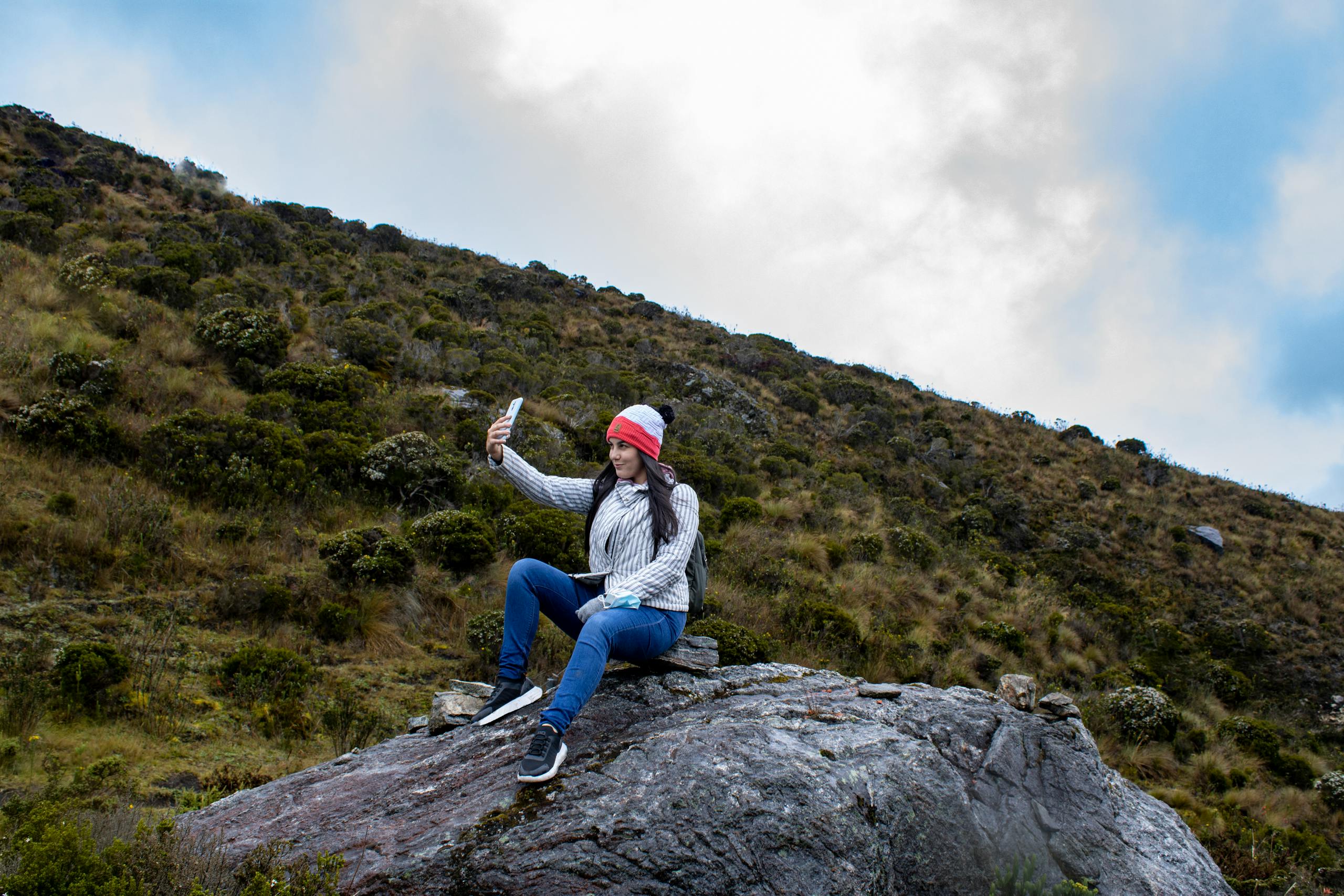
Posting from a trailhead, overlook, parking lot, or remote path can feel harmless. It can also tell strangers where a woman is, whether she is alone, and how far she may be from help. A beautiful hiking update can accidentally become a live location signal.
The safer move is simple. Take the photos, enjoy the view, and post after leaving the area. Share live location only with trusted people, not a public audience. A solo woman can still document the hike without giving strangers a map to her exact moment.
Bad Weather Can Change the Trail Without Warning
A blue-sky morning can turn ugly faster than many hikers expect. Heat, wind, fog, rain, lightning, sudden cold, and fast-moving storms can make a familiar-looking trail feel completely different. The danger grows when a solo hiker has no one beside her to question whether it is time to turn around.
Weather is one of the easiest risks to underestimate because it often starts quietly. A little heat becomes dehydration. A little drizzle becomes slippery rock. A little fog makes trail markers harder to see. Smart solo hikers check conditions before leaving, but they also keep an eye on the sky after the hike begins.
Conclusion
Hiking alone is not foolish. It can be brave, peaceful, and deeply refreshing. But solo women should never let the beauty of a trail distract them from the reality of risk. The wilderness can be healing, but it can also become unforgiving when preparation is weak.
The smartest solo hikers do not move with fear. They move with awareness. They tell someone their route, check the weather, carry the right gear, protect their location, trust their instincts, and turn back before a small problem becomes a dangerous story. A great hike should end with sore legs, clear photos, and a safe ride home.