7 Everyday Foods That May Be Making You Look Older
Our skin silently records every choice we make, reflecting years of dietary habits more vividly than any mirror can capture. While skincare routines and sun protection dominate conversations about youthful appearance, the food we consume daily often holds the most profound influence on how quickly our skin ages.
Certain foods, though convenient or comforting, can compromise collagen, trigger inflammation, and accelerate oxidative stress, leaving lines, sagging, and dullness in their wake. Understanding which foods secretly undermine skin health is essential for anyone committed to long-term radiance. Beyond superficial effects, these dietary culprits influence internal systems that dictate elasticity, hydration, and cellular repair.
As we explore these seven foods, it becomes clear that the battle against premature skin aging is fought as much at the dining table as in skincare aisles. Recognizing their hidden impacts allows us to make deliberate choices that protect the skin’s structure and appearance from within.
Refined Sugars That Feed Wrinkles

Refined sugars such as those found in candies, pastries, sodas, and sugary cereals rapidly elevate blood glucose levels, triggering a biochemical process called glycation. Glycation occurs when sugar molecules attach to collagen and elastin fibers, causing them to stiffen and lose elasticity. This degradation manifests as fine lines, deeper wrinkles, and a generally dull, sagging appearance.
Regular intake of high-sugar foods also promotes systemic inflammation, which accelerates skin aging at a cellular level. Beyond visible changes, glycation impairs the skin’s natural repair mechanisms, reducing its ability to recover from environmental stressors such as UV exposure and pollution. Minimizing refined sugar not only slows wrinkle formation but also supports more resilient, glowing skin over time.
Excessive Dairy Products Linked to Acne and Premature Aging
Milk, cheese, and other dairy products can contribute to premature skin aging through hormonal imbalances and inflammatory responses. Dairy contains insulin-like growth factor 1 (IGF-1), which stimulates oil production and can exacerbate acne outbreaks. Chronic inflammation associated with acne scars and breakouts accelerates tissue damage and can leave the skin appearing older than its chronological age.
High dairy consumption may also contribute to glycemic fluctuations that indirectly affect collagen production. While moderate dairy intake is not universally harmful, relying heavily on milk-based products, especially full-fat varieties, can compromise skin integrity, leading to less firm and less vibrant skin over time. Substituting plant-based alternatives with lower inflammatory potential can help maintain smoother, healthier skin.
Highly Processed Meats That Stress Cellular Repair

Processed meats like bacon, sausages, and deli slices contain advanced glycation end products (AGEs) formed during high-temperature cooking. AGEs accelerate oxidative stress in skin cells, weakening collagen and elastin fibers. This effect promotes sagging, wrinkles, and uneven skin texture, making the skin more prone to visible aging.
In addition, processed meats are typically high in sodium and preservatives, which can dehydrate skin cells and exacerbate inflammation. Dehydration diminishes skin plumpness, while chronic inflammation impairs the skin’s natural repair mechanisms. Choosing lean, minimally processed protein sources reduces these risks and supports a more supple, youthful complexion.
Excessive Alcohol That Dehydrates and Dulls Skin
While a glass of wine may feel relaxing, habitual alcohol consumption is a potent contributor to premature skin aging. Alcohol is a diuretic, leading to dehydration that impairs skin hydration and elasticity. Over time, repeated dehydration causes fine lines, dryness, and a loss of natural radiance.
Alcohol also generates free radicals, intensifying oxidative stress and damaging cellular structures. This combination diminishes the skin’s ability to repair itself while weakening protective barriers. Limiting alcohol intake, especially in combination with nutrient-dense hydration strategies, helps maintain firmness, clarity, and even tone.
Fried and Deep-Fried Foods That Trigger Inflammation

Fried foods, including French fries, fried chicken, and packaged snack chips, are high in trans fats and oxidized oils that induce systemic inflammation. Chronic inflammation breaks down collagen and elastin, leaving the skin prone to sagging, redness, and accelerated wrinkling. Additionally, repeated exposure to high heat during cooking creates harmful compounds that can impair cellular function and trigger premature aging.
Frequent consumption of fried foods also promotes oxidative stress, compromising the skin’s natural antioxidant defenses. Substituting baked or air-fried alternatives and incorporating anti-inflammatory foods like leafy greens, berries, and omega-3-rich sources can counteract these effects and preserve skin integrity over the long term.
Excess Salt That Weakens Hydration and Elasticity
High-sodium foods, including packaged snacks, canned soups, and fast food, can have a subtle yet powerful impact on skin aging. Excess salt promotes water retention in the body, leading to puffiness, uneven skin texture, and under-eye bags. Simultaneously, it depletes cellular hydration, reducing elasticity and making fine lines more noticeable.
Chronic high sodium intake also exacerbates oxidative stress and inflammation, both key drivers of accelerated aging. By moderating salt consumption and focusing on natural, minimally processed foods, the skin can maintain better moisture balance, firmness, and resilience against environmental damage.
Sugary Beverages and Energy Drinks That Drain Vital Nutrients
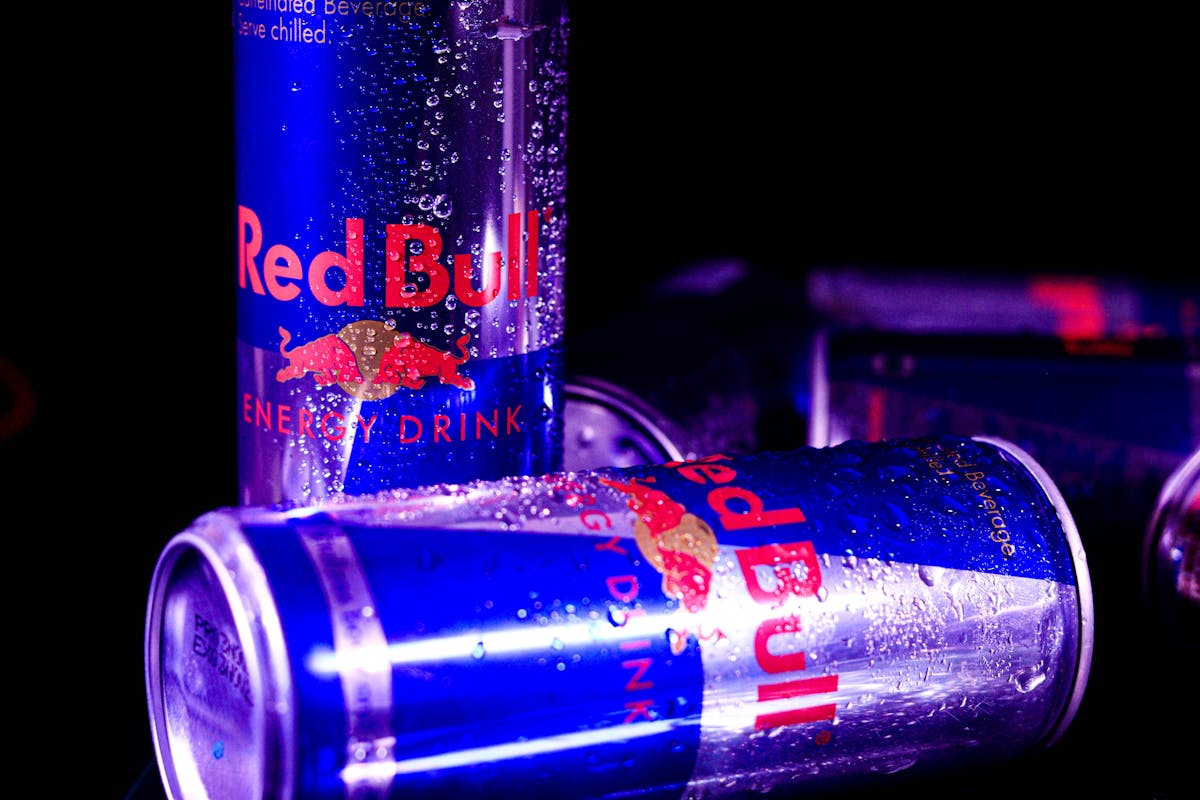
Sugary sodas, energy drinks, and sweetened teas are not only high in refined sugar but also often devoid of essential vitamins and minerals critical for skin repair. Excessive consumption can elevate blood sugar, triggering glycation that weakens collagen fibers and accelerates wrinkle formation. Additionally, these drinks may displace nutrient-rich beverages, leading to deficiencies in antioxidants such as vitamins C and E, which protect against oxidative damage.
The resulting combination of nutrient depletion, glycation, and inflammation produces visibly aged skin with reduced luminosity and elasticity. Replacing sugary drinks with water, herbal infusions, or low-sugar alternatives can restore cellular health and support natural, youthful skin repair.
Final Thoughts
The foods we eat daily exert profound effects on our skin, often shaping appearance more than any topical treatment can. Refined sugars, excessive dairy, processed meats, fried foods, alcohol, high salt, and sugary beverages quietly accelerate aging by promoting glycation, inflammation, oxidative stress, and hydration imbalance.
Addressing these dietary factors empowers the skin to maintain firmness, smoothness, and natural radiance over time. A conscious approach to eating, focused on whole foods, nutrient-dense choices, and moderation of harmful dietary triggers, provides a powerful foundation for long-term skin health.
By understanding the hidden impact of these common foods, we can protect the skin’s structure, slow visible aging, and support resilience against daily environmental stressors. The secret to youthful skin lies not only in creams and serums but in every bite we choose to take.