10 Dangerous Situations Most People Wouldn’t Survive
Survival is one of those things people love to imagine from the safety of a couch. We watch movies where someone outruns disaster, fights through pain, escapes danger, and somehow walks away with a dramatic stare and a few scratches. Real life is far less generous.
The truth is that many dangerous situations give people only minutes, sometimes seconds, to make the right decision. Panic, bad timing, exhaustion, weather, injury, and simple confusion can turn a survivable crisis into a deadly one very quickly. These are the situations most people think they could handle until the ground shifts, the air disappears, or nature stops playing fair.
Being Trapped in a Burning Building
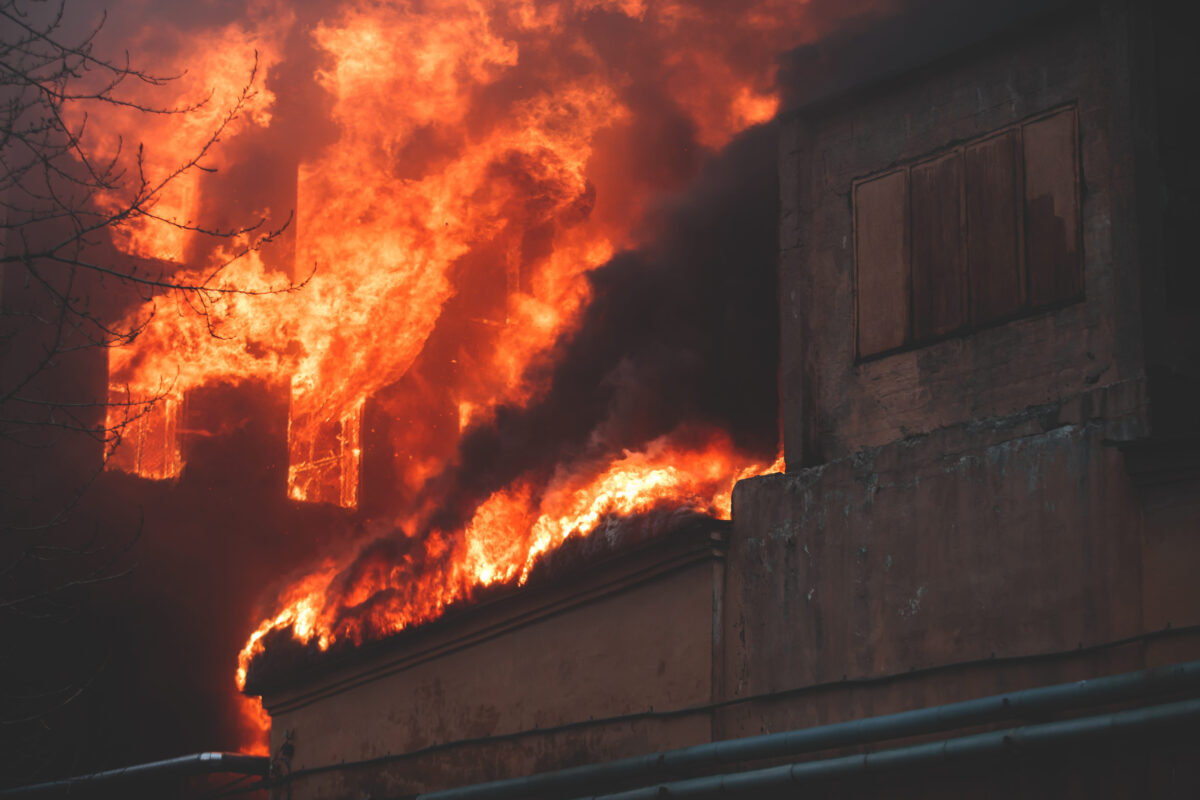
A fire does not behave like the slow, glowing threat people see in movies. Smoke usually becomes the real killer first, filling rooms with toxic air and blinding anyone trying to escape. Most people underestimate how quickly a fire can spread, especially when furniture, curtains, carpets, plastics, and household chemicals serve as fuel.
The terrifying part is how quickly calm thinking disappears. People often waste precious seconds looking for belongings, trying familiar exits, or assuming the fire is still small. In a real building fire, survival depends on staying low, moving fast, avoiding smoke-filled stairwells, and getting out before heat and fumes make that impossible.
Falling Into Freezing Water

Cold water shock can defeat even strong swimmers. The first reaction is usually a sudden gasp, which becomes deadly if the person’s face is underwater. Muscles tighten, breathing becomes uncontrolled, and coordination fades faster than most people expect.
The danger worsens because panic drives people to thrash, wasting energy and heat. Swimming hard may feel instinctive, but cold water quickly drains strength. Survival often depends on controlling breathing, staying afloat, keeping clothes on for insulation, and getting out before the body loses the ability to move.
Getting Lost in the Desert
The desert looks open and simple until heat, thirst, and distance begin working together. People often assume they can walk toward a road, a light, a mountain, or a building, but desert distances can deceive the eye. What looks close may be many miles away, and every step under brutal sun burns water the body cannot afford to lose.
Most people make the situation worse by traveling during the hottest hours. Dehydration clouds judgment, causes dizziness, and can turn basic decisions into dangerous mistakes. Survival means finding shade, conserving sweat, moving only when temperatures drop, and understanding that pride can kill faster than the landscape.
Being Caught in a Flash Flood
A flash flood can turn a dry road, canyon, neighborhood, or hiking trail into a violent river before people fully understand what is happening. The water may look shallow, but moving water carries a force that most people cannot fight. Cars, fences, rocks, mud, trees, and debris can become battering weapons in seconds.
Many deaths happen because people try to drive or walk through floodwater. That decision feels small until the ground disappears beneath the tires or the current knocks someone down. Survival depends on moving to higher ground immediately, never trusting the depth of moving water, and treating every flooded road as a trap.
Facing a Mountain Blizzard

A mountain blizzard can erase the world around a person. Trails vanish, landmarks disappear, wind steals body heat, and snow can make every direction look the same. Even experienced hikers can become disoriented when visibility drops and temperatures crash.
Most people would struggle because the danger is not always immediately apparent. It begins with numb fingers, poor decisions, wet clothing, and the belief that the destination is just a little farther. Survival requires shelter, insulation, dry layers, energy, and the discipline to stop moving before exhaustion makes rescue harder.
Being Buried in an Avalanche
An avalanche is not just falling snow. It is a roaring wall of weight, speed, ice, and debris that can crush, bury, and disorient a person almost instantly. Once buried, many victims cannot tell which way is up, and the pressure of packed snow can make movement impossible.
The real horror comes from the lack of air. People may survive the impact only to run out of breathable space beneath the snow. Survival depends heavily on prevention, gear, training, and quick rescue, because once buried deep, strength alone rarely saves anyone.
Being Stranded at Sea
The ocean is beautiful until it becomes a prison with no walls. A stranded person faces dehydration, sun exposure, storms, waves, hunger, saltwater temptation, and the mental torture of endless distance. Even calm seas can become deadly when there is no shade, no fresh water, and no clear route home.
Most people would struggle with the psychological battle as much as the physical one. Days can blur, hope can collapse, and small mistakes can become fatal. Survival depends on conserving energy, collecting rainwater, signaling clearly, staying with the vessel if possible, and resisting desperate choices that drain the body faster.
Being Mauled by a Large Predator
Most people imagine they would fight back bravely during an animal attack. In reality, large predators bring speed, force, teeth, claws, and instinct that humans cannot match. A bear, big cat, crocodile, shark, or large wild dog can overwhelm a person before the brain fully processes the attack.
Survival depends heavily on the animal, location, and moment. The negative reaction can make things worse, because running may trigger pursuit, fighting may escalate danger, and freezing may remove the only chance to escape. Most people would not survive without knowledge, luck, and the ability to control panic under unimaginable pressure.
Being Crushed in a Crowd Surge

A crowd can become deadly long before people start falling. In a packed space, pressure can build from every direction until breathing becomes difficult. People may stay upright and still suffocate because their lungs cannot expand against the force of bodies pressing in.
The scariest part is that individual strength matters very little once a crowd loses control. A person cannot simply push through thousands of people moving as one mass. Survival depends on staying aware of exits, avoiding dense pressure points, keeping arms near the chest, moving with the flow, and escaping before panic spreads.
Running Out of Air Underground
Caves, mines, tunnels, collapsed buildings, and confined spaces can become silent death traps. The danger may come from low oxygen, toxic gases, unstable ground, flooding, darkness, or the inability to find the way back. Many people overestimate their ability to stay calm in total darkness.
Underground survival becomes even harder because fear changes breathing. Panic burns oxygen faster, and poor visibility makes every movement risky. Survival depends on preparation, proper equipment, staying oriented, avoiding tight spaces without training, and understanding that curiosity can become deadly when the exit disappears.
Conclusion
Dangerous situations do not care about confidence, strength, or good intentions. They punish hesitation, panic, overconfidence, and small mistakes that seem harmless at the beginning. Most people would not survive these disasters because survival is rarely about bravery alone.
The people who make it through usually respect danger before it arrives. They prepare, learn basic survival rules, listen to warnings, and know when to stop pushing their luck. In a crisis, the smartest person is not always the strongest one, but the one who understands that nature, fire, water, crowds, and fear can become unforgiving in a matter of seconds.