10 Spiritual Trends That Are More Dangerous Than They Seem
Spirituality is supposed to bring clarity, peace, and a sense of purpose. Yet in today’s hyper-connected world, some spiritual movements and trends carry hidden risks that often go unnoticed until it’s too late. From Instagram gurus promising instant enlightenment to rituals that blur personal boundaries, what seems harmless can actually disrupt lives, finances, and even mental health.
These trends thrive on our desire for quick solutions and deeper meaning, offering shortcuts that bypass critical thinking. People join communities seeking connection or purpose, unaware that some practices encourage dependence, misinformation, or extreme behaviors. Here are ten spiritual trends that demand a closer look before you dive in.
Celebrity Spiritual Gurus with Secret Agendas
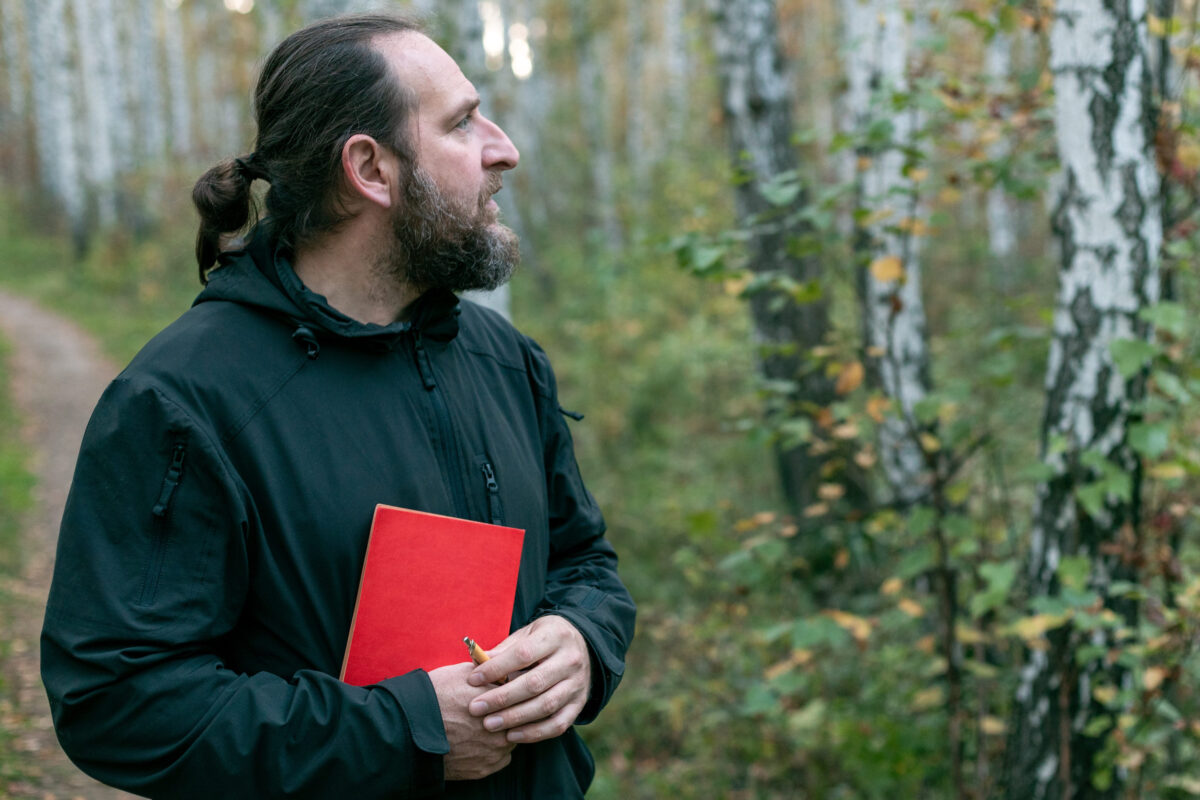
Following high-profile spiritual figures has never been easier, especially online. Social media amplifies charisma, making it simple to trust personalities without verifying their credentials or intentions. Many followers invest money, time, and personal energy in gurus who subtly promote consumerism or engage in psychological manipulation.
Some gurus exploit vulnerability by offering private courses, retreats, or personal coaching, promising rapid transformation. Behind glossy content, these setups often enforce loyalty while limiting independent thought. Blind admiration can erode personal boundaries and create dependency masked as spiritual growth.
Detox Retreats That Harm More Than Heal

Detoxes and cleansing retreats are marketed as life-changing, promising spiritual renewal through extreme diets, fasting, or isolation. While short-term fasting can be safe under medical supervision, many retreats push participants to harmful limits. Over-restriction can trigger malnutrition, dizziness, and long-term metabolic effects.
Emotionally, these retreats often isolate individuals from family or support systems, leaving them vulnerable to group pressure. What starts as a spiritual reset can turn into physical strain and emotional confusion, undermining the very wellness the retreat claims to offer.
Crystal Healing Over Medical Care
Crystals and gemstones have gained mainstream popularity for spiritual healing, credited with balancing energy or relieving emotional pain. While holding a crystal may provide comfort, some proponents suggest they can replace professional medical or mental health treatment. This misinformation can prevent individuals from seeking necessary care.
Relying solely on crystals for serious conditions delays evidence-based interventions. People may attribute worsening symptoms to “energetic blocks” rather than seeking doctors’ advice, putting their health at serious risk while promoting a false sense of control.
Overreliance on Manifestation Practices

Manifestation techniques, like vision boards or affirmations, promise the ability to attract wealth, love, or success. While positive thinking is beneficial, some practices encourage unrealistic expectations and magical thinking. Believing that thought alone guarantees outcomes can create financial and emotional setbacks.
Excessive focus on manifestation can lead to ignoring practical steps like career planning or relationship communication. When expectations fail to materialize, self-blame and anxiety often increase, undermining mental health rather than enhancing spiritual growth.
Psychic Readings That Exploit Vulnerability
Tarot, astrology, and psychic readings appeal to those seeking guidance and certainty. Unfortunately, some readers exploit insecurities, offering vague predictions that steer followers into costly sessions or manipulative advice. The line between entertainment and control often blurs.
Dependence on psychic guidance can diminish personal agency. Individuals may make major life decisions based on external suggestions, eroding confidence in their own judgment and leaving them susceptible to financial and emotional exploitation.
Spiritually Justified Consumerism
Many modern spiritual movements tie enlightenment to luxury goods, wellness products, or branded experiences. Followers are encouraged to purchase crystals, apparel, supplements, or memberships to maintain “spiritual progress.” This trend conflates materialism with personal growth, turning spirituality into a revenue stream for marketers.
The subtle pressure to buy creates financial strain under the guise of self-improvement. People are led to equate consumption with spiritual legitimacy, fostering guilt or a sense of inadequacy if they cannot keep up, which contradicts the essence of mindful living.
Extreme Retreats and Isolation Practices

Silent retreats, vision quests, or prolonged meditation sessions promise profound spiritual breakthroughs. However, extended isolation without proper guidance can lead to anxiety, hallucinations, or social withdrawal. These retreats often romanticize suffering as necessary for growth.
Participants may leave feeling disoriented or detached from reality. Without professional support, extreme practices risk triggering latent mental health conditions or creating dependency on retreat organizers for direction and validation.
Cult-Like Communities in Disguise
Some spiritual groups operate under the radar as welcoming communities while exhibiting cult-like characteristics. They may enforce conformity, discourage external relationships, and demand unquestioned loyalty to a leader or ideology. Initial engagement can feel supportive, but over time, members may experience manipulation or coercion.
Financial contributions, personal sacrifices, and social isolation are common consequences. People seeking connection or purpose may find themselves trapped in environments that exploit trust and erode autonomy, highlighting the danger of blind devotion.
Energy Healing That Ignores Science
Energy healing practices such as Reiki, qi gong, and aura cleansing are often presented as non-invasive ways to improve health. While these can be calming, some practitioners claim they can cure diseases or replace medical treatment. This can be dangerous when individuals delay conventional care.
Reliance on energy work alone for serious conditions jeopardizes health outcomes. Misrepresentation of scientific evidence can create false hope, increasing risk for those who abandon proven therapies in favor of unverified techniques.
Social Media Spirituality Pressure
Platforms like Instagram and TikTok amplify spiritual trends, creating a culture of comparison and performance. Influencers often showcase curated spiritual routines, exotic retreats, or transformational stories, pressuring followers to emulate lifestyles that may be inaccessible or unrealistic.
The constant exposure fosters anxiety, imposter syndrome, and materialistic spirituality. Users may internalize failure as a moral or spiritual deficiency, leading to stress, dissatisfaction, and disconnection from authentic spiritual practices that do not require external validation.
conclusion
Spirituality can be a source of resilience, connection, and meaning, but these trends reveal how easily it can be misused. From overreliance on gurus to extreme isolation or misleading healing practices, the path to enlightenment is not immune to manipulation. Awareness, critical thinking, and balanced engagement are essential to avoid these pitfalls.
The most sustainable spiritual growth comes from integrating personal reflection, verified guidance, and practical life decisions. True transformation rarely involves shortcuts, and protecting mental, emotional, and physical health should always remain a priority. Recognizing the subtle dangers allows individuals to pursue spiritual depth safely, ensuring that practices uplift rather than undermine their well-being.