12 Foods That Could Seriously Harm Your Dog Without You Realizing It
Even the most attentive dog owners can accidentally put their pets at risk with common household foods. Dogs are curious, persistent, and often irresistible to the aroma of human meals, which means a simple snack or dropped treat can turn dangerous fast. Everyday foods, from pantry staples to festive indulgences, often hide toxic compounds that can trigger vomiting, organ damage, seizures, or even life-threatening conditions if not recognized in time.
We need to think of these foods not as occasional mistakes but as real household hazards. Understanding which items are dangerous, how they affect dogs, and what to do if exposure occurs can make the difference between a minor scare and an emergency veterinary visit.
Chocolate Can Trigger Heart and Nervous System Problems

Chocolate is one of the most notorious threats to dogs because it contains theobromine and caffeine. Dogs metabolize these compounds far more slowly than humans, making even a small piece of dark chocolate or baking chocolate enough to induce vomiting, restlessness, rapid heartbeat, tremors, or seizures. White chocolate may seem harmless, but it can still contain trace amounts of fat that irritate the digestive system.
Many chocolate-based desserts contain other hidden risks, including nuts, xylitol, and alcohol. A dog’s weight, breed, and age can influence how severely it reacts, and early veterinary intervention is critical. Securing all chocolate, including cooking ingredients, candy bowls, and holiday treats, is the most effective way to prevent accidents.
Xylitol Can Cause Rapid Blood Sugar Drops
Xylitol is a sugar substitute found in sugar-free gum, candies, mints, baked goods, and even certain peanut butters. It can trigger a sudden, life-threatening insulin spike in dogs, resulting in hypoglycemia, vomiting, weakness, staggering, tremors, or collapse. Severe cases can also lead to liver failure within hours.
The hidden danger of xylitol is that products often appear harmless and sweet, leading dogs to consume them quickly. Sugar-free, diabetic-friendly, or keto-labeled foods are particularly risky, and owners should always read ingredient labels thoroughly. Fast veterinary advice is essential if ingestion occurs, even if the dog appears fine initially.
Grapes and Raisins Can Ruin Kidneys
Grapes and raisins can cause acute kidney failure in dogs, and the toxic reaction is unpredictable. While some dogs may ingest small amounts without obvious issues, others can experience severe kidney damage after just a few pieces. Trail mix, granola, raisin bread, and fruitcake are all potential threats hiding in plain sight.
Symptoms may include vomiting, lethargy, loss of appetite, abdominal pain, and increased thirst. Because kidney injury can worsen over several days, early detection and veterinary attention are crucial. Preventing access is easier than managing a sudden, silent illness.
Onions, Garlic, Leeks, and Chives Damage Red Blood Cells
Allium family vegetables, onions, garlic, leeks, and chives, contain compounds that can break down a dog’s red blood cells, leading to anemia. These foods are frequently hidden in soups, sauces, seasonings, and even in cooked leftovers, making their presence easy to overlook. Repeated small amounts over time can be as harmful as a single large ingestion.
Early signs of toxicity include weakness, pale gums, rapid breathing, vomiting, and fatigue. Garlic and onion powders are particularly insidious because they are used in seasoning blends, chips, or processed foods that seem safe to share. Strict household rules against feeding any allium-containing scraps are essential.
Macadamia Nuts Cause Sudden Weakness

Macadamia nuts are dangerous even in small quantities and can cause sudden onset of weakness, vomiting, tremors, fever, or difficulty walking. Symptoms often appear within hours, primarily affecting the hind legs, which can alarm owners unfamiliar with this specific toxicity. Mixed nut snacks, cookies, or chocolate-covered macadamias compound the risk.
Even seemingly minor exposures can trigger dramatic reactions, and pairing them with chocolate or sugary baked goods can amplify the risk. Owners should avoid sharing any macadamia-containing foods and remain vigilant during holidays or social events where nuts are common.
Alcohol Can Overwhelm a Dog’s System
Alcohol is toxic to dogs at far lower doses than it is to humans. Beer, wine, spirits, and alcohol-infused desserts are especially dangerous because dogs metabolize alcohol much more slowly, which can lead to central nervous system depression, vomiting, tremors, slowed breathing, or even coma.
Even small sips from unattended glasses or accidental ingestion from boozy cakes or pies can create a medical emergency. Immediate veterinary attention is critical, and alcohol-containing foods should never be left within a dog’s reach, including in trash bins or countertops.
Raw Yeast Dough Can Expand and Ferment Inside the Stomach
Raw yeast dough poses dual risks: expansion in the stomach and alcohol production during fermentation. Both can cause dangerous bloating, gas, abdominal pain, or alcohol toxicity. Dogs are naturally attracted to warm dough, making kitchen counters and trash a hazard zone.
Baked products, dough scraps, and rising bread all carry this threat. Preventing access and contacting a veterinarian immediately if ingestion occurs is essential to prevent complications.
Coffee, Tea, and Energy Drinks Contain Dangerous Caffeine
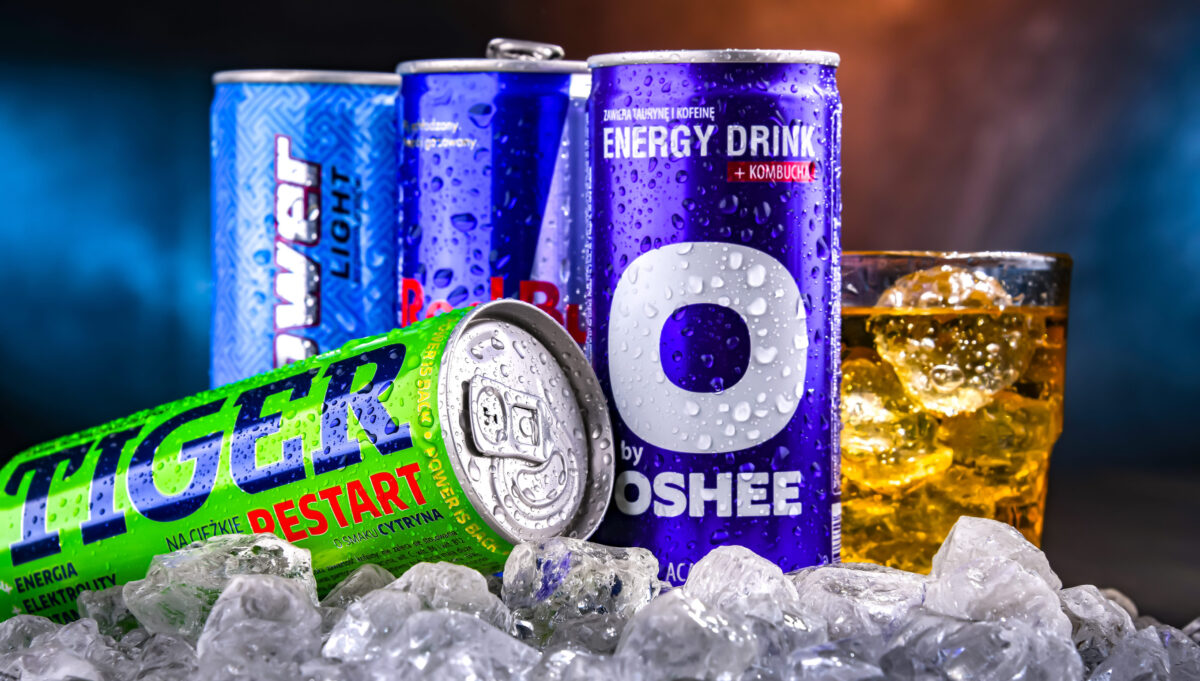
Caffeine overstimulates a dog’s nervous system and heart, which can trigger restlessness, vomiting, tremors, increased heart rate, and seizures. Coffee grounds, energy drinks, caffeinated sodas, pre-workout powders, and even tea bags are potential sources.
The smallest amount of concentrated caffeine can be lethal, especially for small dogs. Secure storage, careful disposal of coffee grounds, and keeping caffeinated products out of reach are critical safety steps.
Fatty Foods Can Trigger Pancreatitis
High-fat foods, including bacon, fried chicken skin, butter, and greasy leftovers, can inflame a dog’s pancreas. Pancreatitis is extremely painful and potentially life-threatening if untreated, often presenting with vomiting, diarrhea, abdominal pain, and lethargy.
Owners often underestimate the risks of feeding table scraps. Consistently avoiding fatty foods and offering dog-safe alternatives helps prevent unnecessary medical crises.
Cooked Bones Can Splinter and Injure the Digestive Tract
Cooked bones, including chicken, pork, and beef bones, can splinter and puncture the mouth, throat, stomach, or intestines. Choking, vomiting, drooling, and intestinal obstruction are common emergencies from ingesting bones.
Never give dogs leftover bones from meals, and dispose of them securely. Even well-intentioned treats can cause severe internal injuries if swallowed.
Fruit Pits, Seeds, and Cores Can Be Hazardous
Fruit pits, seeds, and cores from cherries, peaches, plums, and apples pose choking hazards and potential toxicity. Some seeds contain cyanogenic compounds that can release cyanide when chewed.
Dogs may enjoy the flesh of fruit, but ingesting pits and cores can cause gastrointestinal blockages or poisoning. Removing seeds and cutting fruits into safe, bite-sized pieces ensures enjoyment without risk.
Wild Mushrooms Are a Serious Outdoor Hazard
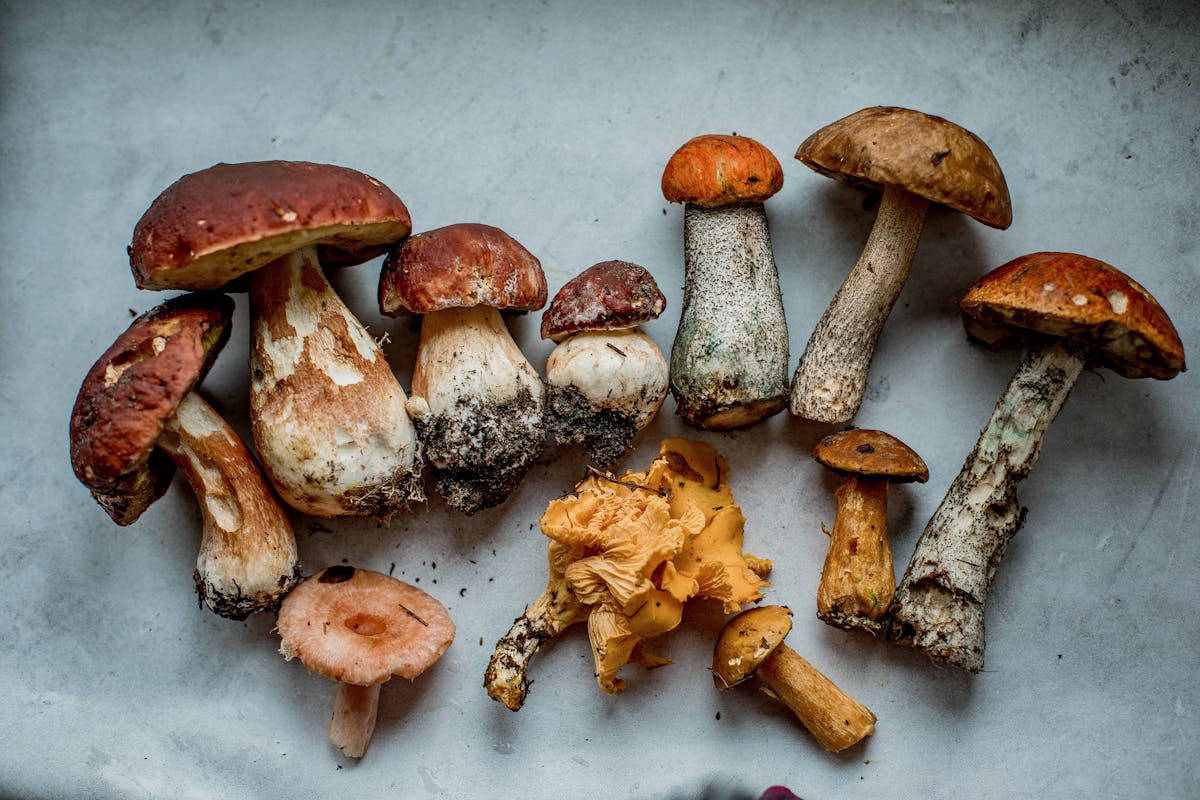
Wild mushrooms are highly toxic, and dogs cannot distinguish them from safe edible mushrooms. Exposure can result in vomiting, seizures, liver failure, or sudden collapse.
Dogs may eat mushrooms while exploring backyards, parks, or wooded areas. Vigilant monitoring and prompt veterinary attention, ideally with a photo of the ingested mushroom, are essential for rapid treatment.
Many human foods can be toxic, even in small amounts.
Quick veterinary intervention can prevent serious complications.
Safe storage, careful ingredient checks, and dog-friendly alternatives are the best defense.
Keeping your dog safe requires awareness, preparation, and respect for the subtle dangers that can hide in everyday foods. Preventative measures are always more effective than emergency interventions.