8 Political Problems America Could Face as Iran Arrives for the World Cup Amid War
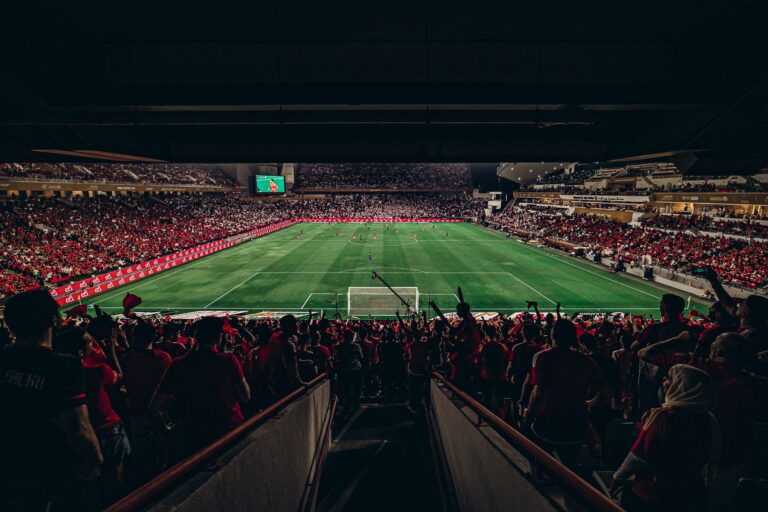
As millions prepare to watch the world’s most popular tournament, one team is arriving under circumstances unlike anything modern sports has seen. Instead of headlines about tactics and star players, Iran’s participation has become entangled with war, diplomatic disputes, security concerns, and international politics, raising questions that extend far beyond the stadium.
What was supposed to be a celebration of global unity is unfolding amid extraordinary geopolitical tension, with every development attracting worldwide attention. From visa controversies to security fears and diplomatic standoffs, the issues surrounding Iran’s participation could have implications that reach well beyond the tournament itself.
Here are 8 political problems America could face as Iran arrives for the 2026 World Cup amid ongoing conflict.
Iran Forced to Move Training Camp Out of the U.S.

Due to ongoing visa issues and heightened political pressure, Iran’s team moved its training base from Arizona in the U.S. to Tijuana, Mexico. The decision was made to avoid visa delays and logistical entanglements, even though Iran’s official fixtures, once the tournament begins, still take place in U.S. cities.
This rare move by a World Cup team is a stark indicator that political conflict is shaping not just the rhetoric but also the logistics of one of the world’s most high‑profile sporting events.
Iranian Officials Threaten to Withdraw Entirely
Earlier in the year, Iran’s sports minister publicly said that “under no circumstances” would the team participate in a World Cup hosted by the United States, citing the ongoing conflict and security concerns after attacks against Iranian leaders.
While this statement was later softened, it revealed how deeply political tensions have affected Tehran’s stance on international sport. That a national team’s participation could be declared impossible due to geopolitics, even temporarily, is an extraordinary disruption rarely seen in major world competitions.
FIFA Under Immense Pressure to Remain Neutral
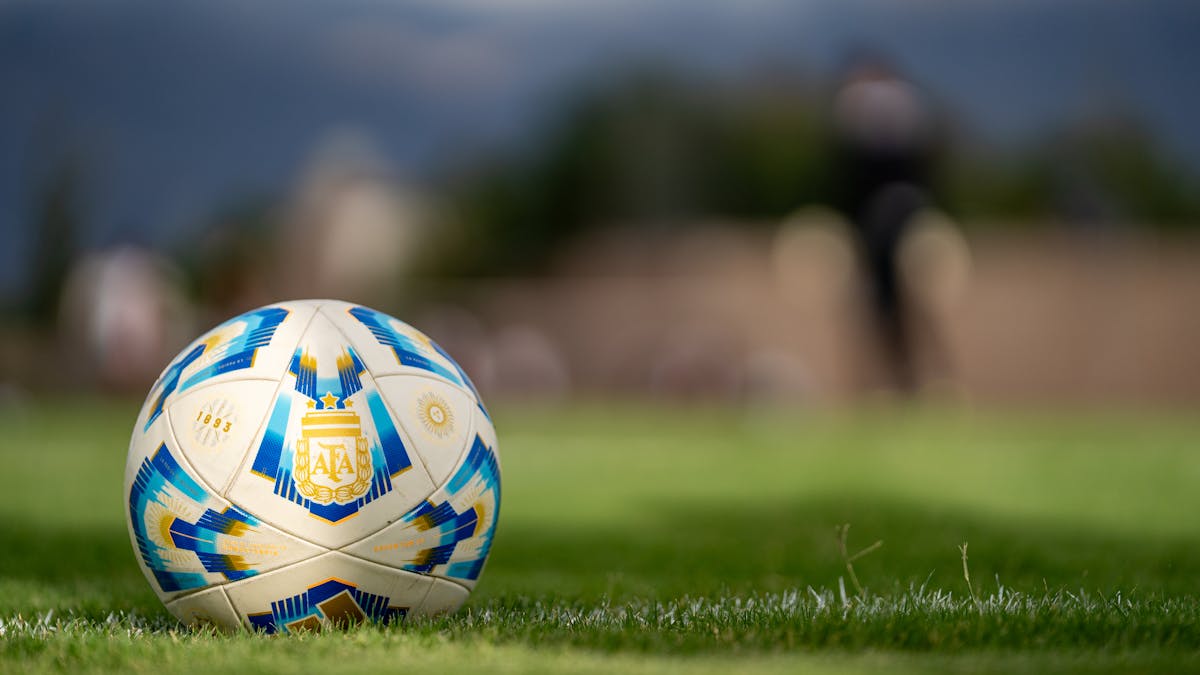
FIFA has publicly maintained that the tournament must remain politically neutral and inclusive, insisting Iran will participate as scheduled. But this stance puts the organization in a difficult position, balancing its own statutes against real questions about safety, fairness, and political influence. The international football governing body’s ability to enforce neutrality in this context will be watched closely by fans, governments, and other nations with political disputes.
Security Measures at Unprecedented Levels
Beyond visas and relocation, the entire climate around this World Cup has taken on a security dimension.Officials and analysts have discussed elevated security measures, public debate about who should be allowed to attend matches, and fan reluctance, given the backdrop of war and diplomatic tension.
This has created an atmosphere in which fans and governments alike are weighing not just sport but also safety, politics, and public sentiment regarding how global sporting events should be conducted during conflict.
Social Media Outrage and Public Debate Escalate

Calls for boycotts, demands for match relocation, and activist campaigns are widespread, reflecting polarization of global opinion about Iran, the U.S., and international conflict. Fans and analysts debate whether sports and politics can or should remain separate, turning the World Cup into a high-profile political stage. The social pressure amplifies every diplomatic misstep, making the tournament as much about optics and perception as it is about goals and standings.
Iran Competes While at War With the U.S. and Israel
Iran’s presence in this World Cup is unfolding while the country is involved in an ongoing conflict with the United States and Israel. This war has shaped regional politics and now directly intersects with the global sporting stage, making this not just a sporting event but a political flashpoint.
Iran’s government has repeatedly framed diplomatic incidents around this tournament as extensions of the broader conflict, while U.S. officials have maintained visa restrictions on some associated personnel tied to security concerns.
Key Iranian Officials Blocked From Entering the U.S.
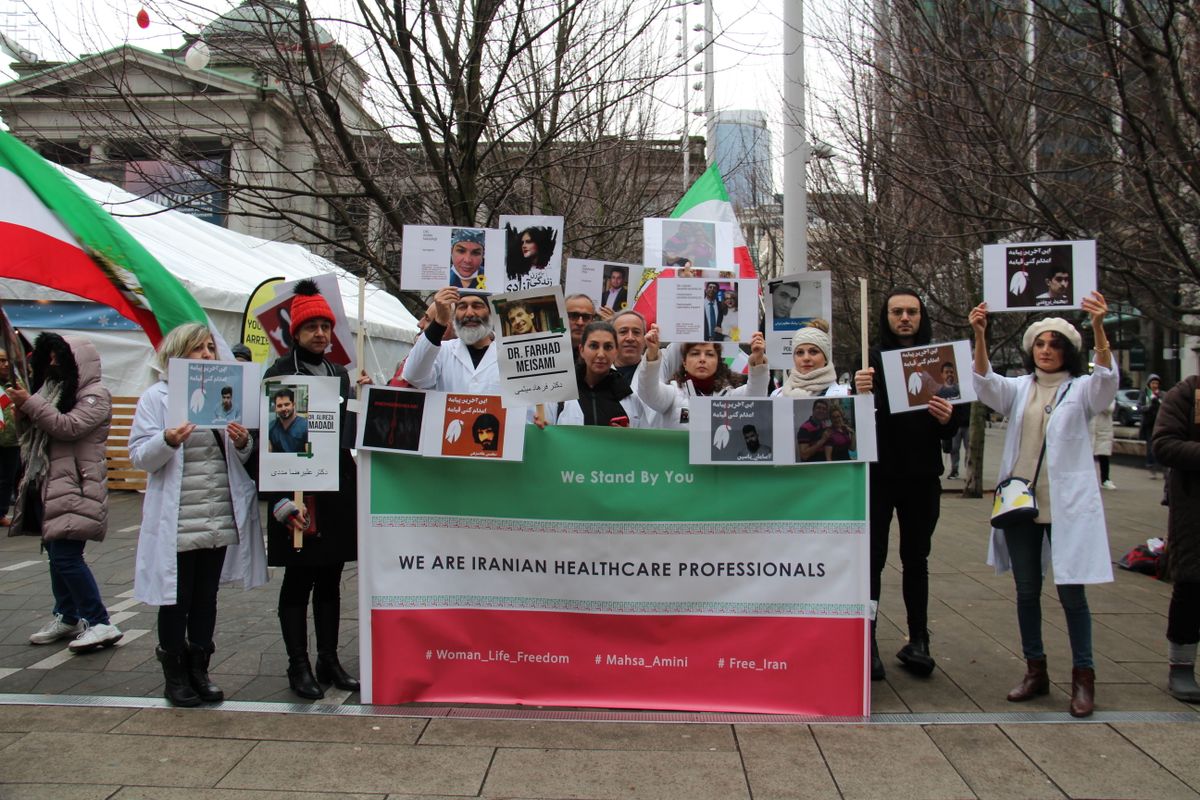
While Iranian players have been granted visas, many high‑ranking support staff and officials still have not received entry clearance, less than two weeks before Iran’s opening match.
Tehran has blasted these denials as “the worst form of political interference” in sports, arguing that the U.S. refusal undermines international sporting norms and treats Iran’s delegation unequally. This dispute highlights how visa diplomacy, not football, has become the focus of an international incident tied to the World Cup.
Iran’s Internal Crisis Fuels Global Tension
Iran itself faces economic hardship, inflation, and social dissent, which influence national sentiment and decisions around international participation. The pressures from sanctions, economic instability, and political oversight shape both the team’s internal dynamics and Tehran’s stance toward the U.S.-hosted tournament. This intertwining of domestic challenges with international sports diplomacy underscores how deeply geopolitics now penetrates the beautiful game.
Iran’s presence at the 2026 World Cup stands at the intersection of sport, diplomacy, war, and international law. From visa denials and accusations of political interference to training relocations and threats of withdrawal, the situation reflects tensions far beyond the pitch.
For Americans watching the tournament, this is a reminder that the global forces shaping international events are changing and that sport can no longer be fully separated from the politics that run parallel to it. The story of Iran’s World Cup entry is not just about football; it is about diplomacy, perception, and the contested space where global sport meets geopolitics.