8 Foods Packed With More Additives Than Nutrition
Some foods look harmless because they are familiar, cheap, and easy to grab when life gets busy. We see them in lunchboxes, office drawers, vending machines, freezer aisles, and late-night snack cabinets, so they begin to feel normal. The problem is that many of these foods are built more around flavor tricks, shelf life, color, and texture than real nutrition.
We do not have to panic over every packaged item. The smarter move is knowing which foods deserve a closer look before they become daily habits. When sodium, added sugars, refined starches, artificial colors, preservatives, and flavor boosters do most of the work, the food may be giving us more additives than nourishment.
Processed Cheese Slices That Barely Behave Like Real Cheese

Processed cheese slices are popular because they melt smoothly, look bright, and make burgers or sandwiches feel instantly familiar. The problem is that many versions are not just simple slices of cheese. They often contain emulsifying salts, added colors, preservatives, oils, and starches that help them maintain their shape, texture, and flavor for a long time.
That does not mean every slice is poison, but it does mean we should stop treating it like the same thing as real cheddar, mozzarella, or Swiss cheese. A short ingredient list is usually a better sign. If the label reads more like a food science formula than dairy, we may be better off choosing real sliced cheese and using a smaller amount for a stronger flavor.
Processed Deli Meats and Chicken Nuggets That Hide Behind Protein Claims
Processed deli meats can look like a smart protein choice because they are thin, neat, and easy to add to sandwiches. Many versions, however, contain high sodium, curing agents, preservatives, flavorings, binders, and sometimes added sugars.
Ham, salami, bologna, pepperoni, hot dogs, and some packaged turkey slices may provide protein, but they also raise a long list of processing concerns.
Chicken nuggets create a similar problem. They look simple, but many are made with ground chicken, starches, binders, oils, sodium, flavorings, and coatings that make them crispy and consistent. The meal often gets worse when nuggets come with fries, sugary drinks, and creamy sauces.
Instant Noodles That Pack Too Much Salt Into One Cheap Meal

Instant noodles are quick, cheap, and comforting, which is why they have survived in dorm rooms, office kitchens, and emergency cabinets for years. The issue is that many packages are built around refined noodles, palm oil, flavor enhancers, and a seasoning packet loaded with sodium. That little packet can turn a simple bowl into a salt-heavy meal before we add anything else.
The flavor is strong because it is designed to be strong. Salt, MSG, powdered seasonings, and artificial flavor systems give instant noodles their addictive taste, but they do not add much real nourishment. We can make them better by using less seasoning and adding eggs, vegetables, tofu, chicken, mushrooms, or greens. That turns a survival meal into something closer to actual food.
Frozen Dinners That Look Complete but Hide Sodium and Starch
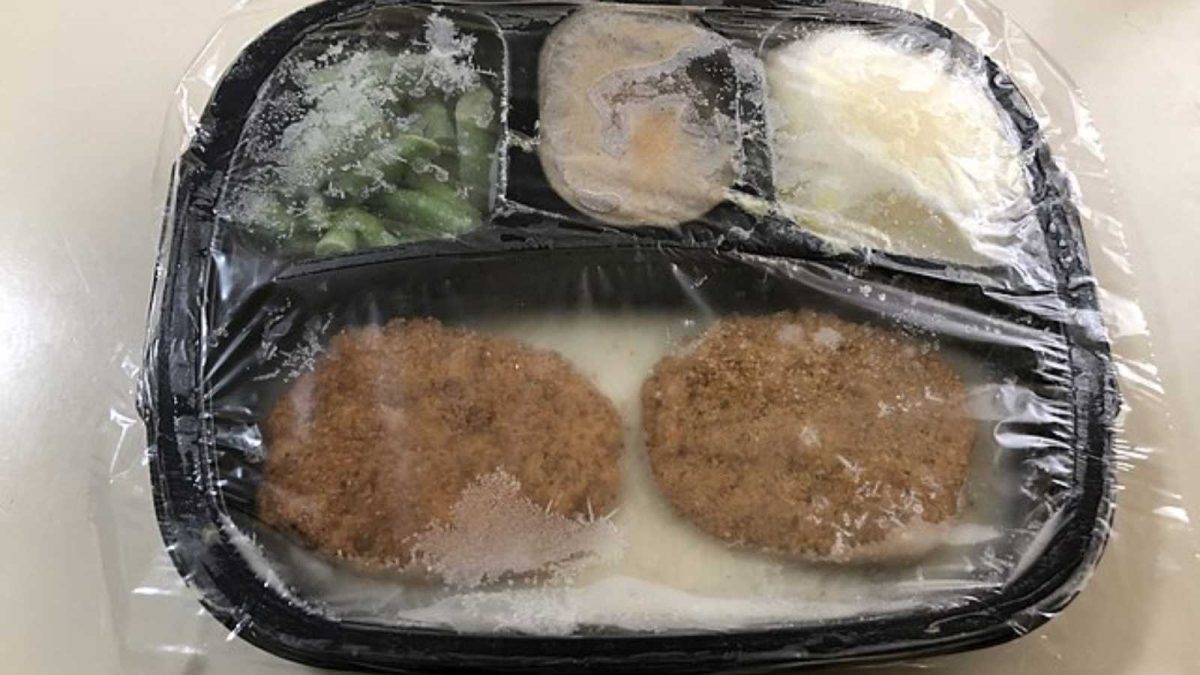
Frozen dinners often look like a full meal because they come with meat, sauce, potatoes, pasta, rice, or vegetables in neat little sections. The hidden problem is that many depend on salty sauces, modified starches, preservatives, processed meats, and flavor boosters to survive freezing and reheating. They may fill the plate, but they do not always fuel the body well.
The worst frozen meals usually have creamy sauces, breaded meats, processed toppings, refined pasta, and sodium levels that climb quickly. A better frozen dinner should have visible vegetables, a clear protein source, whole grains, and a label that does not read like a lab sheet.
Convenience is not the enemy. The real issue is relying on freezer meals that offer more salt and additives than they do fiber, protein, or freshness.
Packaged Cookies and Pastries That Stay Soft for Too Long
Homemade cookies and pastries go stale because real food has limits. Packaged versions often stay soft, sweet, and shelf-ready for weeks or months because they use preservatives, emulsifiers, refined oils, artificial flavors, humectants, and stabilizers. That long shelf life may be convenient, but it also suggests the product was designed more for storage than for nourishment.
The danger is not one cookie after dinner. The problem begins when packaged sweets become daily snacks, quick breakfasts, or emotional comfort food. Many toaster pastries, snack cakes, cream-filled cookies, and frosted bars are built around refined flour and added sugar, with very little fiber or protein. If we want dessert, real baked goods in reasonable portions usually make more sense than factory-made sweets pretending to be snacks.
Flavored Yogurts and Snack Bars Wearing a Health Halo
Flavored yogurt can seem like a healthy choice until we look at the sugar content. Many cups contain fruit mixtures made with added sugar, thickeners, modified starches, colors, and flavorings. The word “yogurt” makes the product sound wholesome, but some flavors are closer to dessert than breakfast.
Snack bars can play the same trick. Words like protein, energy, natural, fiber, and whole grain can make a bar look better than it really is. Some bars contain sweet syrups, chocolate coatings, artificial flavors, sugar alcohols, palm oils, and heavily processed protein isolates.
Plain Greek yogurt with fruit, nuts, eggs, peanut butter, oats, or real whole-food snacks often provides more sustained fuel with fewer unnecessary ingredients.
Sugary Breakfast Cereals That Turn Morning Into Dessert

Many breakfast cereals are marketed as fun, fast, and family-friendly, but some are closer to dessert than breakfast. Bright colors, frosted coatings, marshmallow pieces, chocolate flavors, and cartoon packaging can make a bowl feel playful while hiding a heavy load of added sugar. Some cereals also rely on artificial dyes and refined grains, leaving us with quick energy that fades too soon.
A cereal box can brag about vitamins and minerals, but that does not automatically make it a strong breakfast. Fortified sugar is still sugar. We should look for cereals with whole grains, fiber, and low added sugar, then add fruit, nuts, or milk for balance. A good breakfast should carry us into the day, not leave us hungry an hour later.
Frozen Pizza and Microwave Popcorn That Turn Simple Snacks Into Additive Stacks
Pizza and popcorn can both be simple foods, but packaged versions often complicate them. Frozen pizza may include dough conditioners, preservatives, processed meats, sweetened sauces, modified cheese blends, and high sodium. A few slices can quickly become a heavy meal, especially when the crust is thick, the toppings are processed, and the cheese is more oily than satisfying.
Microwave popcorn has improved over the years, but many bags still rely on artificial butter flavor, refined oils, sodium, and additives that make the snack taste richer than plain popcorn. Popcorn itself is a whole grain, which means the base food is not the problem.
The better move is air-popped popcorn with real butter, olive oil, herbs, cinnamon, chili powder, or a small pinch of salt. We keep the crunch without turning snack time into a chemistry experiment.
Soda and Fruit Drinks That Deliver Flavor Without Real Nutrition
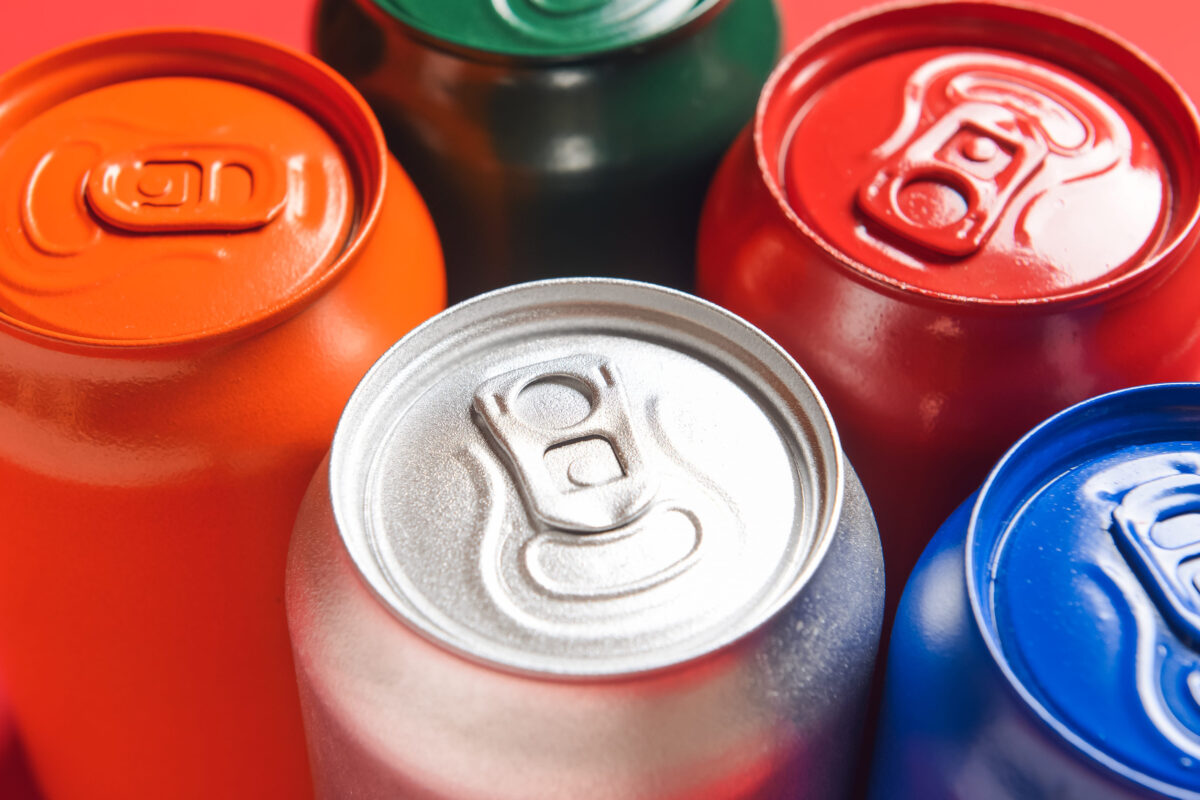
Soda is one of the clearest examples of a product that provides pleasure with little nutritional value. Regular soda can contain large amounts of added sugar, acids, colors, and flavorings, while offering no fiber, protein, or meaningful nutrients. It tastes refreshing, but the body mostly gets a fast sugar hit with nothing to balance it.
Fruit drinks can be just as misleading. A bottle may show oranges, berries, or tropical fruit on the label, but many fruit drinks contain little actual juice. They often rely on water, sweeteners, artificial flavors, citric acid, and bright colors to create a stronger fruit taste than real fruit itself. Whole fruit, infused water, sparkling water, or small servings of 100 percent juice are better choices for everyday drinking.