A Dad Banned Fridge Snacks. His Four-Year-Old Found the Worst Possible Loophole
Parenting often turns one small sentence into a full courtroom drama. A tired parent gives a simple instruction, a child studies the exact wording, and suddenly the house becomes a negotiation table with snack crumbs, wet towels, and someone trying very hard not to laugh.
That is what happened in a viral parenting story involving a four-year-old boy in Canada who was told he could not eat any food from the fridge. The rule sounded clear enough to an exhausted adult. To a clever preschooler, it sounded like an invitation to search the rest of the house for a technicality.
The Fridge Rule That Started the Whole Mess
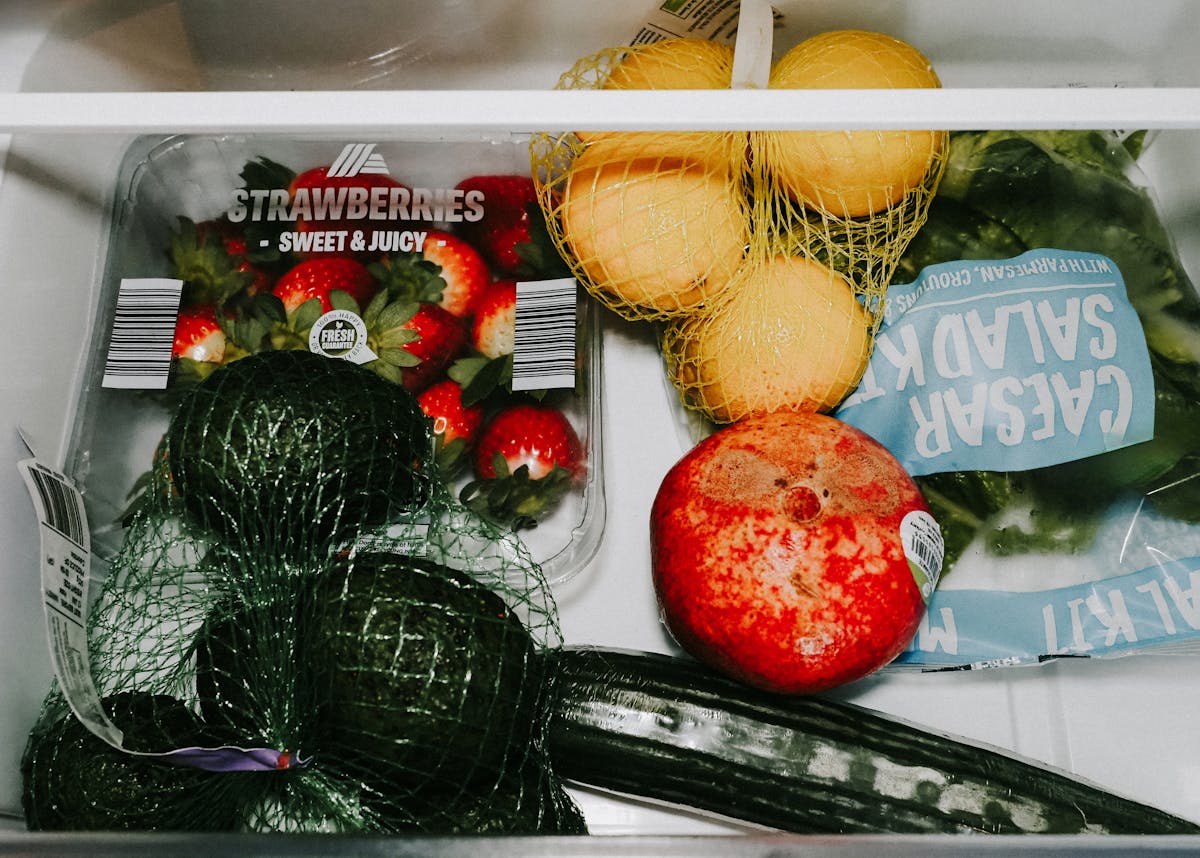
The father’s rule did not come from nowhere. His son had already eaten, yet the requests kept coming. Yogurt, cheese, pasta, leftovers, and other fridge items became part of a long food campaign that many parents would recognize instantly.
At first, the father tried to redirect him toward a healthier and simpler choice. He told the boy he could eat fruit from the fruit bowl, which made sense because fruit was available, visible, and not part of the fridge raid. The message behind the rule was practical: stop grazing through the refrigerator and pick something reasonable.
The problem was that young children often hear rules with the precision of tiny lawyers. The father meant, “Stop asking for random snacks.” The child heard, “Do not eat anything from one specific appliance.” That gap between meaning and wording became the opening he needed.
A Four-Year-Old Found the Loophole No Parent Wants
Soon after the father reinforced the rule, he heard crunching from another room. Any parent knows that sound can mean many things, and most of them are suspicious. When a quiet child becomes a crunchy child, investigation usually follows.
The father walked in and found his son eating cat food. The boy was not hiding, shrinking, or pretending nothing happened. He looked right at his dad as if he had solved a puzzle with perfect logic.
His argument was brutally simple. The food did not come from the fridge. Technically, he had followed the rule, even though he had clearly destroyed the spirit of it.
That is why the story spread so easily. It captures the strange genius of young children. They may not understand taxes, time management, or why shoes belong on the correct feet, but they can spot a loophole in parental wording with alarming speed.
The Father Learned the Hard Way That Kids Hear Exact Words
The father quickly understood that he had been outplayed. He did not want his child eating cat food, so he moved fast and offered a more suitable option. At the same time, he suspected the boy was not truly hungry.
That detail matters because this was never only about food. It was about attention, control, testing boundaries, and the small thrill children feel when they discover adults can be cornered by their own sentences. The cat food was not the real prize. The reaction was.
Parents often give instructions based on intention. Children, especially at age 4, often respond to the literal wording. That creates the classic household mismatch: the adult thinks the rule is obvious, and the child treats it like a challenge.
In that moment, the father learned that “no food from the fridge” was not specific enough. A better version would have been, “You may eat fruit from the bowl, and nothing else right now.” It sounds overly detailed, but with small children, detail can save the living room from becoming a snack experiment.
The Cat Food Was Only the First Battle

The day did not end with the fridge loophole. As bedtime approached, the father faced another ordinary parenting task that somehow became complicated. He needed his son to use the bathroom before bed.
That should have been simple. Instead, the child turned it into a debate over which bathroom to use. He changed his mind, delayed the process, and dragged a routine moment into another small power struggle.
Eventually, the father said he did not care where the boy peed, as long as he went. Again, the sentence made sense to a tired adult. Again, the child heard something dangerously literal.
Soon, the father found his son in the bathtub instead of at the toilet. The child needed help with a wet foot, and the father now had another cleanup problem on his hands. One loose phrase had created another mess.
The Bathtub Moment Made the Lesson Even Clearer
The bathtub incident turned the day from funny to painfully educational. The father had already been taught once that vague language can backfire. Then bedtime delivered a second lesson with water, towels, and more frustration.
The child did not create chaos because he misunderstood everything. He understood enough to twist the instruction. That is the part that makes the story funny and exhausting at the same time.
Small children test the edges of rules as they learn how language, authority, and consequences work. They ask, “What does this really mean?” Then they test the answer with their bodies, snacks, toys, bathrooms, or whatever else is nearby.
For parents, that means the shortest instruction is not always the clearest one. “Go pee” may work on some nights. “Use the toilet before bed” works better when a child has already proven he is willing to treat the bathtub as an alternative.
Online readers responded with recognition because the story does not paint the father as clueless or the child as badly behaved. It shows a normal household where a tired parent meets a creative child, and both end up in a strange little battle of words.
The Real Lesson Is About Boundaries, Not Cat Food
The cat food is the punchline, but the deeper story is about boundaries. Children need limits, but they also need limits that leave less room for chaos. A rule should say what is allowed, not only what is banned.
That approach works because children respond better when the next step is clear. Instead of “do not eat from the fridge,” a parent might say, “You can have an apple or wait until dinner.” Instead of “I do not care where you pee,” a parent might say, “Use the toilet in this bathroom now.”
Clear choices help children feel a sense of control without letting them run the house. They also help tired parents avoid accidental loopholes. The more precise the instruction, the less room there is for a preschooler to turn it into performance art.
This does not mean parents must speak like lawyers all day. It means the most important rules need fewer gaps. Children are still learning how language works, and sometimes they learn by pushing it until everyone needs a towel.
The Father’s Humor Saved the Story From Becoming Just Another Bad Day
What makes the father’s account work is that he found humor in the mess. He had every reason to feel defeated. His child had eaten cat food, turned a bathroom routine into chaos, and left him with cleanup duty at the end of a long day.
Still, he recognized the comedy in it. That matters because parenting often requires as much sense of humor as it does discipline. Without humor, every small inconvenience starts to feel like a personal attack.
The father also seemed to understand that these are the stories families remember. No one laughs in the moment when a towel is soaked, or a child has outsmarted a snack rule. Later, though, the absurdity becomes part of family history.
The boy may not remember the full details years from now. His father probably will. The day he banned fridge snacks and accidentally created a cat food loophole is exactly the kind of story that survives because it is ridiculous, harmless in hindsight, and painful.
Clearer Parenting Language Could Have Changed the Ending
This story works because the father’s mistake was so easy to make. He spoke like a tired parent who expected common sense to fill in the blanks. His four-year-old responded like a child who saw the blanks first.
That does not make the child a villain. It makes him four. Preschoolers are curious, impulsive, playful, and deeply interested in seeing what happens when they press against the edge of a rule.
The father’s biggest takeaway was simple: say exactly what you mean. Not in a cold or harsh way, but in a way that gives a child fewer strange exits. “Fruit only” is clearer than “nothing from the fridge.” “Use the toilet” is clearer than “go pee anywhere.”
In the end, the cat food story is funny because it reveals how clever children can be when adults least expect it. It also reminds us that parenting is rarely about perfect control. Most days, it is about surviving the loopholes, cleaning up the mess, and laughing later because the alternative is losing your mind.