Florida’s Patient Dumping Scandal Is Turning Hospital Discharge Into Street Abandonment
A hospital discharge is supposed to be a bridge to recovery. In Florida, growing reports of vulnerable patients being dropped at shelters, bus stops, public spaces, and unfamiliar locations suggest that the bridge is breaking under the weight of overcrowded hospitals, weak discharge planning, behavioral health shortages, and a homelessness crisis that keeps getting worse.
We should not soften what this means. When a confused patient leaves a medical facility without a safe place to recover, clear instructions, medication support, or a receiving care team ready to help, the problem has not been solved. It has simply been pushed from a hospital room onto the street.
This is the ugly heart of Florida’s patient dumping controversy. It is not just a hospital story. It is a homelessness story, a mental health story, a public safety story, and a civil rights story. Most of all, it is a human story about people who are often too poor, too sick, too old, too unstable, or too alone to fight back.
Florida Patient Dumping Allegations Are Raising Alarms

Reports from parts of Florida describe patients being discharged from hospitals and behavioral health facilities to homeless shelters or public locations with little coordination. Some patients are reportedly elderly. Some are mentally ill. Some are medically fragile. Some arrive with paperwork they cannot fully understand, while shelter workers are left to figure out what care they still need.
That is where the crisis becomes bigger than a single ride, a single discharge, or a single facility. A shelter is not a recovery ward. A bus stop is not a medical handoff. A public bench is not a care plan. If a patient still needs supervision, medication, wound care, psychiatric support, detox services, mobility help, or follow-up treatment, dropping that person into instability can turn discharge into abandonment.
We cannot pretend this is only about hospitals under pressure. Hospitals are under pressure, but pressure does not erase responsibility. A safe discharge should protect the patient after leaving the building. If the person ends up confused, untreated, unsafe, or immediately in crisis again, the discharge may look complete on paper while failing in real life.
The Most Vulnerable Patients Are Paying the Highest Price
The people most exposed to unsafe discharges are often those with the least power. They may not have family nearby. They may not have a phone, stable housing, transportation, insurance, identification, or the ability to argue with a medical facility. That makes them easy to move and hard to protect.
Patients experiencing homelessness face a brutal disadvantage. They may be medically cleared to leave a hospital, but that does not mean they have a bed, bathroom, clean clothes, food, refrigeration for medication, or a safe place to rest. Recovery becomes almost impossible when the next step is a shelter floor or a sidewalk.
Patients with mental illness face another layer of danger. If they are discharged while confused, unstable, frightened, or without proper medication access, they may deteriorate quickly. A hospital may see an empty bed as a successful discharge. The community may see the same person later as an emergency call, an arrest risk, or another ambulance ride.
Florida Shelters Are Being Forced to Act Like Overflow Hospitals
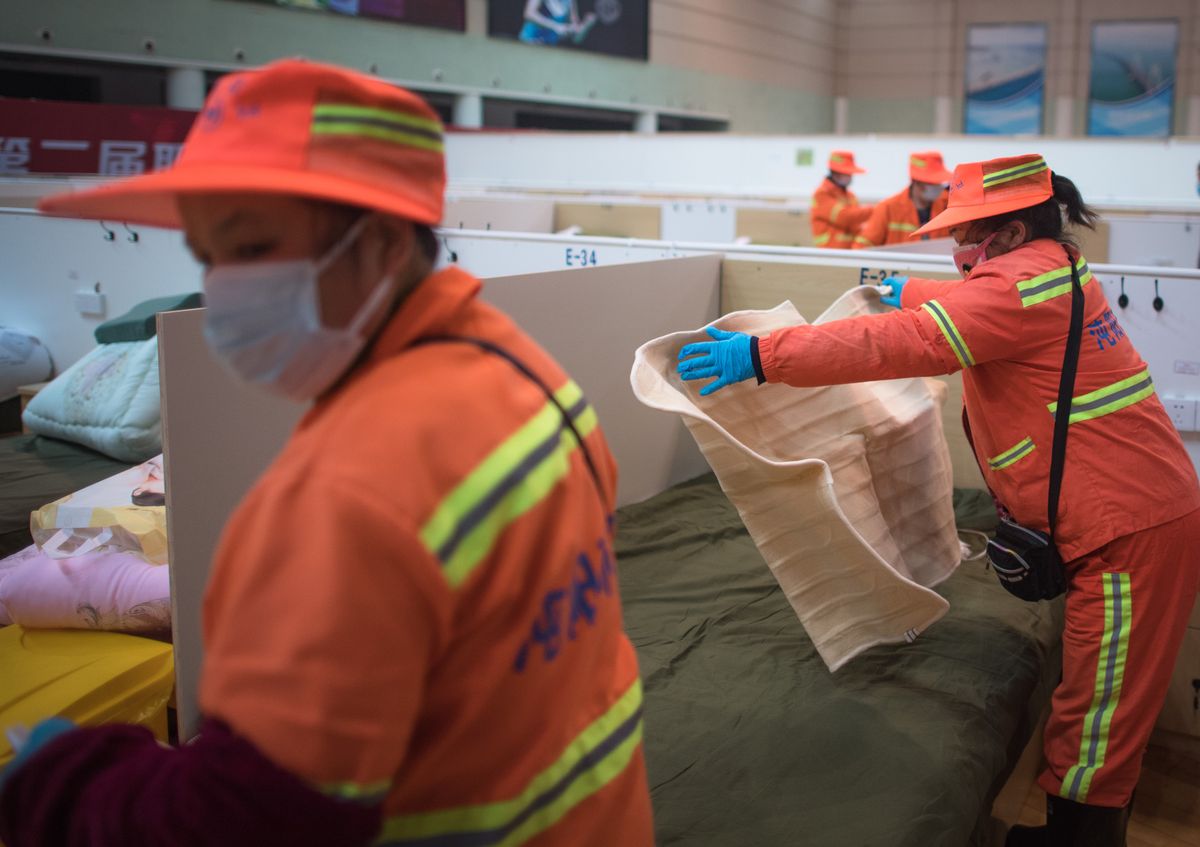
Homeless shelters are built to provide emergency support, not hospital-level care. Their staff may offer meals, beds, case management, showers, clothing, and a path toward stability. They are not designed to replace psychiatric hospitals, medical respite centers, skilled nursing facilities, detox units, or rehabilitation centers.
When shelters receive patients with serious medical needs, they are pushed into an impossible role. If they accept the patient, they may be taking on someone they cannot safely care for. If they refuse, that person may be left outside with nowhere to go. Either way, the shelter becomes the pressure valve for failures that occur elsewhere.
This can also harm other unhoused people. Beds are limited. Staff is limited. Time is limited. When shelters must handle patients discharged from medical facilities without coordination, other people in crisis may lose access to help. The system does not become more compassionate. It becomes more crowded, more chaotic, and more dangerous for everyone inside it.
Hospital Discharge Should Not Mean Dumping the Problem Elsewhere
Hospitals often point to real challenges: crowded emergency rooms, staff shortages, psychiatric bed shortages, reimbursement problems, and a lack of long-term placement options. Those problems are serious. But they do not justify treating shelters and public spaces as convenient exits for difficult patients.
The difference between discharge and dumping comes down to safety, consent, coordination, and follow-through. Did the patient understand the plan? Was the receiving location contacted? Did that location agree to accept the person? Were medical records, medication instructions, and transportation needs handled properly? Was the destination actually safe for that patient’s condition?
If those questions are ignored, the system is not discharging a patient. It is relocating risk. That risk then lands on shelters, police, emergency responders, families, taxpayers, and the patient. The hospital may move on, but the crisis keeps breathing outside its doors.
EMTALA Makes Safe Emergency Care a Legal Issue
Patient dumping is not only an ethical concern. It can become a legal concern when emergency medical conditions, stabilization, and transfers are mishandled. Federal law requires participating hospitals to screen people who seek emergency care, stabilize emergency medical conditions, or make an appropriate transfer when the facility cannot provide the needed care.
This matters because hospitals cannot simply treat uninsured, homeless, mentally ill, or difficult-to-place patients as unwanted burdens. The law was designed to prevent people from being pushed aside because they lacked money, coverage, or social support. A person’s poverty does not cancel their right to emergency evaluation and stabilization.
Of course, not every bad discharge is automatically illegal. The facts matter. A patient may be medically stable enough to leave. A hospital may have fulfilled its technical obligations. But when patients are allegedly transported without meaningful consent, dropped at locations that cannot care for them, or sent out without a workable plan, regulators should ask hard questions.
Behavioral Health Shortages Are Fueling the Crisis
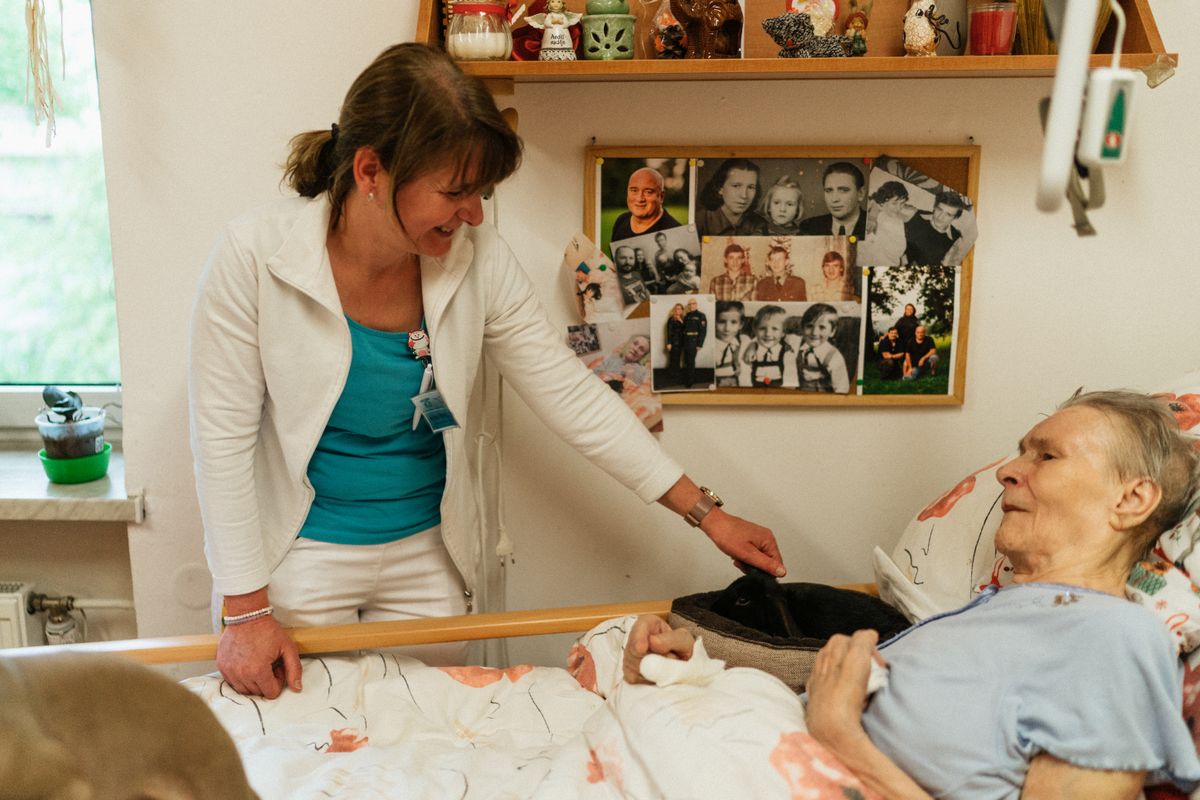
Florida’s patient dumping problem cannot be separated from the shortage of behavioral health options. Hospitals often become the first and last stop for people in psychiatric crisis because community care is too thin, treatment beds are scarce, and addiction recovery resources are limited.
That creates a dangerous bottleneck. Emergency departments are not designed to be long-term psychiatric holding areas. Shelters are not designed to stabilize serious mental illness. Police are not designed to replace mental health professionals. Yet when the right services are missing, every part of the system gets forced into the wrong role.
The result is a cycle that punishes the patient. A person in crisis enters a hospital, is stabilized enough to leave, gets discharged into an unsafe environment, deteriorates, and returns to emergency care. This is not efficiency. It is a revolving door built from underfunding, poor coordination, and political neglect.
Florida’s Homelessness Crackdown Makes Unsafe Discharge Even More Dangerous
Florida’s tougher approach to public sleeping and camping adds another layer of danger. If people are discharged into homelessness while local governments are under pressure to keep public spaces clear, the state creates a cruel contradiction. People are pushed out of institutions, then punished for having nowhere safe to go.
This is where hospital discharge becomes a public policy trap. A patient can be too stable for a hospital bed, too medically complicated for a shelter, too poor for private care, and too visible for the street. That person is not failing the system. The system is failing that person.
When leaders crack down on public homelessness without building enough housing, medical respite beds, mental health care, detox access, and supportive services, the crisis does not disappear. It moves. It moves to parks, libraries, emergency rooms, jail intake desks, shelter lobbies, and sidewalks.
Medical Respite Care Could Stop the Revolving Door
Florida needs more medical respite care. This is one of the clearest solutions for patients who are not sick enough to remain in a hospital but are too sick to recover on the street. Medical respite provides a safe place to heal while receiving basic medical oversight, case management, medication assistance, and connections to longer-term services.
This model matters because many unhoused patients do not need an expensive acute hospital bed every day. They need a clean bed, wound care, medication support, transportation to follow-up visits, and someone making sure they do not vanish into crisis. That is far cheaper and far more humane than sending them back to the street until they return by ambulance.
Medical respite is not a luxury. It is a missing middle. Without it, hospitals face pressure to discharge, shelters face pressure to absorb medical problems, and patients face the consequences. A state as large as Florida should not rely on shelter floors and public benches as its unofficial recovery system.
Hospitals Need Stronger Discharge Rules for Vulnerable Patients
A safe discharge plan should be more than a printed sheet and a ride. For vulnerable patients, Florida should require stronger discharge documentation that answers practical questions before the patient leaves the facility.
Where will the patient sleep tonight? Can the patient understand the discharge instructions? Does the patient have medication, or a way to get it quickly? Has a follow-up appointment been scheduled? Is the receiving location aware of the patient’s condition? Has transportation been matched to the patient’s medical and mental state?
These are not extreme demands. They are basic safeguards. If a patient cannot walk safely, the transportation plan must reflect that. If a patient is confused, the communication plan must reflect that. If a shelter cannot provide care, it should not be used as a silent dumping ground.
Shelters Should Have the Power to Report Unsafe Hospital Drop Offs
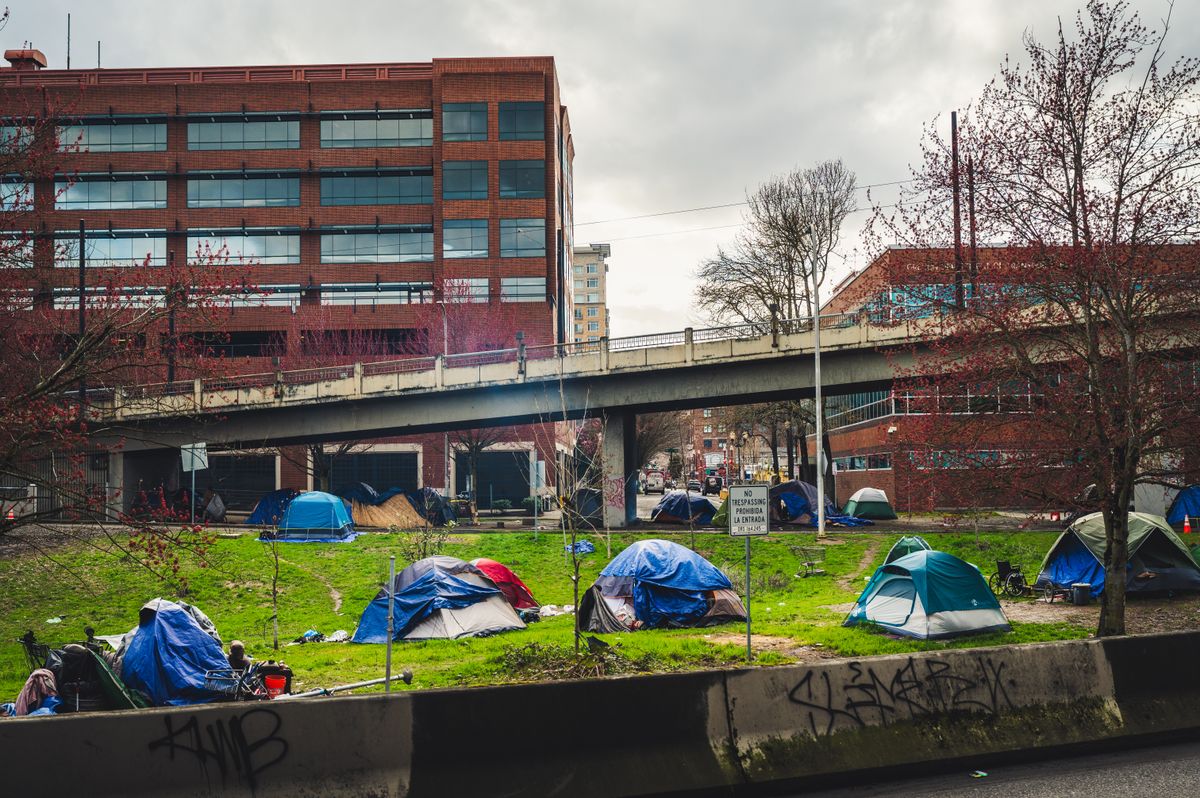
Shelters need a clear way to report suspected patient dumping. If hospitals or behavioral health facilities are dropping off vulnerable patients without coordination, regulators should know which facilities are involved, how often it happens, what condition patients are in, and whether shelters agreed to receive them.
This should not rely on scattered outrage after a shocking case becomes public. Florida needs tracking. It needs complaint pathways that shelter staff can use quickly. It needs data by county, facility, patient type, destination, and outcome. Without records, the crisis is easy to deny.
Hospitals also need formal partnerships with shelters, local governments, crisis centers, and medical respite providers. If a shelter is truly the best available destination, that decision should come through coordination, not surprise. A safe handoff requires consent, preparation, and accountability.
The Public Pays When Hospitals Push Patients Out Too Soon
Unsafe discharge is not only cruel. It is expensive. A patient discharged into homelessness may miss medication, develop complications, relapse, fall, become victimized, or return to crisis. That can mean another emergency room visit, another ambulance ride, another police call, another shelter intake, and another costly failure.
The public often pays for this cycle. Taxpayers fund emergency response. Local governments fund shelter systems. Hospitals absorb uncompensated care. Police spend time on health-related calls. Families lose trust. Patients lose stability. Nothing about that is efficient.
A humane discharge system is not only the moral choice. It is the practical one. When people recover safely, communities spend less money on repeated emergencies. When patients are connected to care, hospitals face fewer avoidable returns. When shelters are not treated like medical dumping sites, they can focus on the work they were actually built to do.
Florida Regulators Must Treat Patient Dumping as a Statewide Warning
Florida regulators should investigate credible complaints aggressively. They should review discharge records, transportation arrangements, shelter drop-off patterns, patient consent, medical stability, and whether receiving locations were properly contacted.
The question is not whether hospitals are busy. They are. The question is whether vulnerable patients are being moved in ways that protect the institution more than the person. If the system rewards quick bed turnover but fails to fund safe exits, patient dumping will keep resurfacing.
Florida’s response should be statewide, not piecemeal. Every region needs clear rules, greater capacity for transitional care, stronger behavioral health support, and real accountability for unsafe discharge practices. The state cannot keep treating shelters as the last unpaid department of the hospital system.