10 Shocking Crimes Where the Defendant Walked Free, and the Public Never Moved On
Some verdicts do not feel like endings. They feel like open wounds.
A person may leave court legally cleared, but the public can keep arguing for decades. That is what happens when a shocking death, a strange defense, weak evidence, or a divided jury leaves people asking how someone walked out of court.
These cases show the uncomfortable gap between suspicion and proof. They also show how one phrase, one mistake, one missing piece of evidence, or one powerful defense can change everything.
O.J. Simpson and the Verdict That Split America
The 1994 killings of Nicole Brown Simpson and Ron Goldman became one of the most-watched criminal cases in modern American history. Prosecutors believed they had strong evidence, including blood evidence, DNA, and the famous glove connected to the crime scene.
But Simpson’s defense team turned the trial into something bigger than one murder case. They questioned the police investigation, attacked the handling of evidence, and raised doubts about whether racism and misconduct had infected the case.
The glove became an unforgettable courtroom moment. When Simpson tried it on, and it appeared too tight, the defense gave the jury a simple image to remember.
The jury acquitted Simpson of murder in criminal court. Many Americans were stunned, while others saw the verdict as a rejection of police credibility. Years later, a civil jury found him liable for the deaths, but the criminal acquittal remains one of the most debated verdicts in U.S. history.
Casey Anthony and the Death of Caylee Anthony

The Casey Anthony case horrified the country because the victim was a little girl. Caylee Anthony was only two years old when she disappeared in Florida, and her mother did not report her missing for about a month.
Casey Anthony’s strange stories made the public suspicious almost immediately. She claimed a nanny had taken the child, but investigators later found that story did not hold up.
Prosecutors argued that Anthony killed Caylee and tried to cover it up. The problem was that they could not prove exactly how Caylee died.
That missing detail became a major weakness. The defense argued that Caylee drowned accidentally and that Anthony’s lies came from panic and family dysfunction, not murder. The jury acquitted her of murder, manslaughter, and child abuse, leaving many people shocked and angry.
George Zimmerman and the Killing of Trayvon Martin
Trayvon Martin’s death became a national flashpoint. He was a 17-year-old Black teenager walking through a Florida neighborhood when George Zimmerman followed him and later shot him during a confrontation.
Zimmerman said he acted in self-defense. Prosecutors argued that he had wrongly profiled Martin and created the danger by following him.
The case became larger than the courtroom. It sparked painful debates about race, guns, neighborhood suspicion, and who gets seen as a threat in America.
Inside the court, the question was narrower. Could prosecutors prove beyond a reasonable doubt that Zimmerman did not act in self-defense? The jury said no. Zimmerman was acquitted, but the verdict left millions feeling that the justice system had failed Trayvon Martin.
Amanda Knox and Raffaele Sollecito in Italy

The murder of Meredith Kercher in Perugia, Italy, became a global media storm. Amanda Knox, Kercher’s American roommate, and Knox’s boyfriend, Raffaele Sollecito, were accused of the killing.
The story quickly became sensational. Knox was painted in the press as strange, cold, and suspicious. But media attention is not evidence, and the case against her would eventually begin to crack.
The defense challenged the forensic work. Questions were raised about DNA evidence, contamination, crime scene handling, and the changing theory of what happened that night.
Knox and Sollecito were convicted, then acquitted, then convicted again, before Italy’s highest court finally cleared them of murder. The case remains a warning about what can happen when weak evidence, aggressive prosecution, and public obsession collide.
Robert Durst and the Dismembered Neighbor
Robert Durst’s Texas case sounded impossible to defend at first. His neighbor, Morris Black, was killed in Galveston in 2001, and Durst admitted that he dismembered the body and dumped the remains.
For many people, that admission sounded like all the proof anyone would need. But the defense separated the killing from what happened afterward.
Durst’s lawyers argued that Black died during a struggle and that Durst panicked after the shooting. They said the dismemberment was not proof of murder, but proof of fear and chaos after the fact.
The jury acquitted Durst of murder. He was punished for other crimes connected to the case, but he avoided a murder conviction in Black’s death. Years later, Durst was convicted of the murder of Susan Berman, making the earlier acquittal feel even more disturbing to many observers.
Lizzie Borden and the Axe Murder Mystery
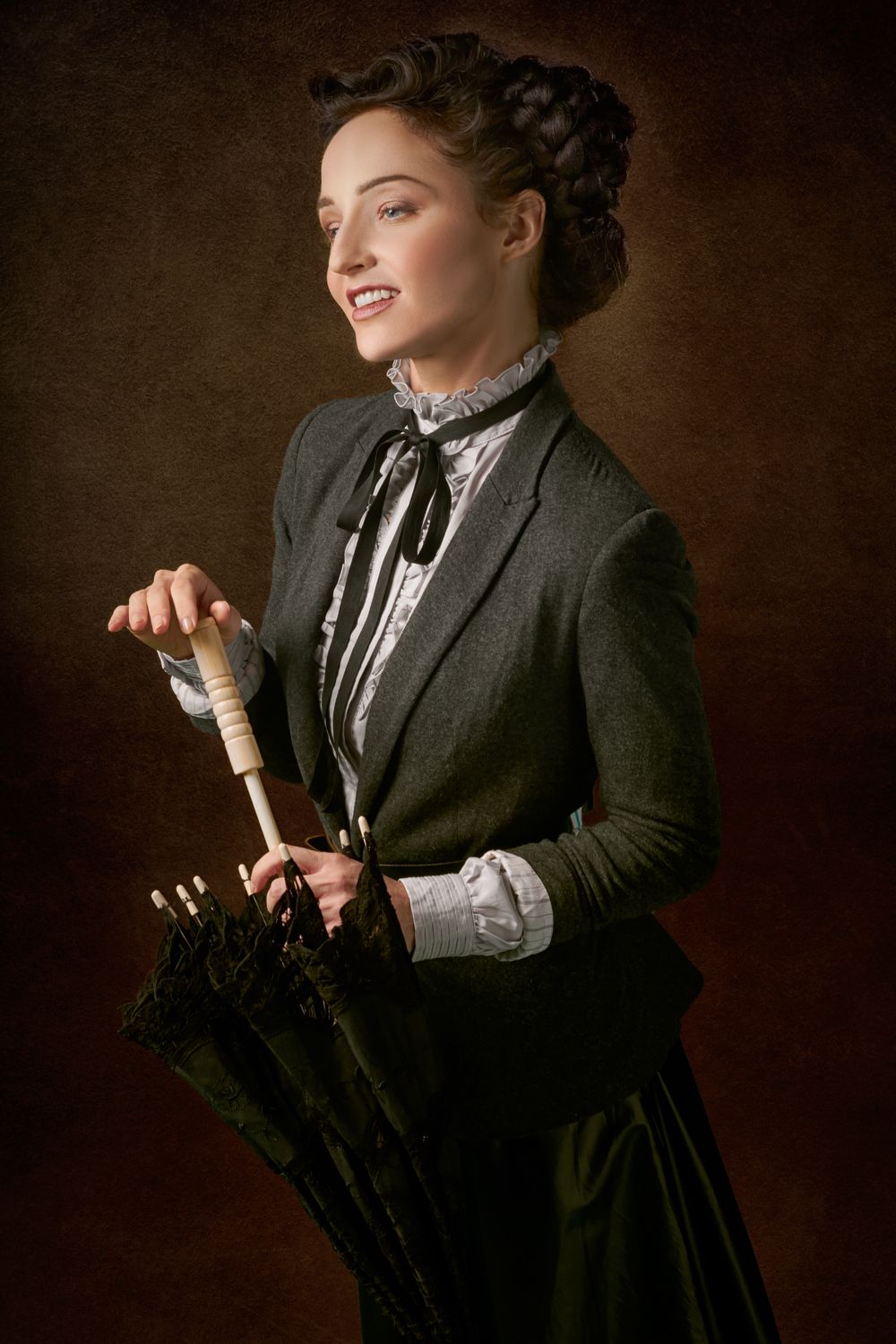
Lizzie Borden became one of America’s most famous murder suspects after her father and stepmother were killed in Fall River, Massachusetts, in 1892. The crime was brutal, bloody, and almost impossible for the public to forget.
Suspicion quickly turned toward Lizzie. She was in or near the house, gave inconsistent statements, and reportedly burned a dress after the murders.
Still, the prosecution had problems. There was no clean confession, no strong eyewitness, and no perfect piece of evidence that tied everything together.
Her defense also benefited from the attitudes of the time. Many jurors struggled to imagine a respectable woman from her background committing such a savage crime. Lizzie Borden was acquitted, but public suspicion followed her for the rest of her life.
Dan White and the San Francisco Verdict That Sparked Rage
Dan White did not fully walk free, but his case remains one of the most shocking examples of a lighter verdict after a political killing. In 1978, he killed San Francisco Mayor George Moscone and Supervisor Harvey Milk.
Milk was a groundbreaking gay rights leader, and his murder devastated the LGBTQ community. The facts of the shooting were not seriously disputed.
The defense focused on White’s mental state. They argued he was suffering from depression and diminished capacity. The case became widely known for the phrase “Twinkie defense,” even though it oversimplified the legal argument.
White was convicted of voluntary manslaughter instead of murder. His sentence was far lighter than many expected, and the verdict triggered the White Night riots. For many people, the case became a symbol of how the legal system can minimize the killing of marginalized voices.
The Menendez Brothers and the Trial That Changed Public Opinion
Lyle and Erik Menendez admitted they killed their parents, Jose and Kitty Menendez, in their Beverly Hills home. At first, the case looked like a story about greed. Prosecutors said the brothers wanted the family fortune.
Then came the defense. The brothers claimed they had suffered years of abuse and believed their parents might kill them.
Their emotional testimony changed how some viewers saw the case. Instead of two spoiled sons killing for money, the defense presented them as terrified victims of a broken and abusive home.
The first trial ended with hung juries. The brothers did not walk free forever because a second trial led to murder convictions and life sentences. But the first trial showed how a powerful abuse narrative could shake a case many people had considered simple.
Emmett Till and the Acquittal That Exposed a Nation
The killing of Emmett Till remains one of the most painful cases in American history. Till was a 14-year-old Black boy from Chicago visiting Mississippi in 1955 when he was abducted and murdered after being accused of offending a white woman.
Roy Bryant and J.W. Milam were charged, but they were tried in the violent racial climate of Jim Crow Mississippi. An all-white jury acquitted them after brief deliberation.
The shock became even worse after the trial. The men later publicly admitted involvement in the killing, but double jeopardy protected them from being tried again for the same murder.
Till’s mother, Mamie Till Mobley, chose an open casket funeral so the world could see what had been done to her son. The case helped fuel the civil rights movement, but the acquittal remains one of the clearest examples of justice denied.
Claus von Bülow and the High Society Case
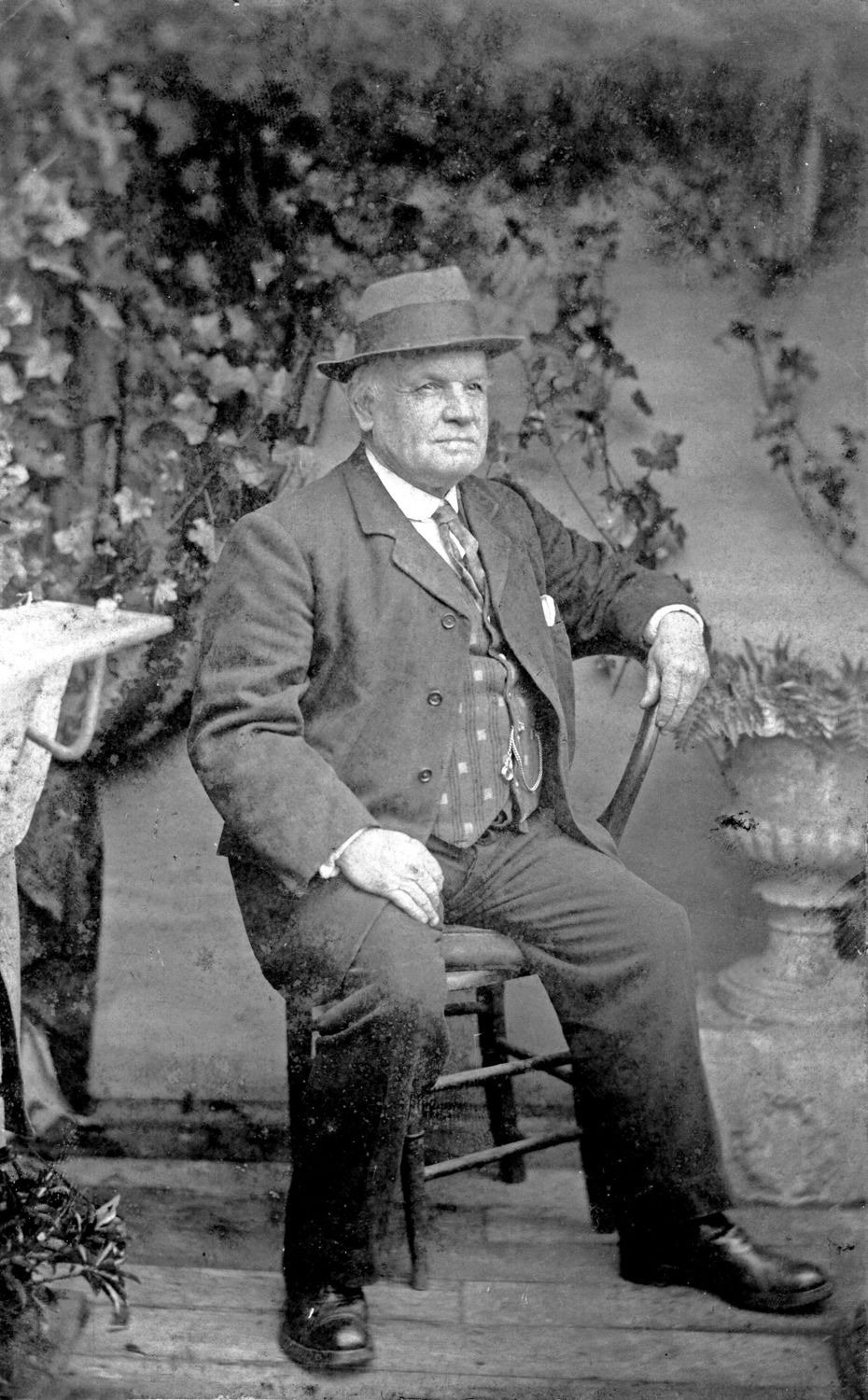
Claus von Bülow’s case had everything that draws public attention: wealth, marriage, medical mystery, and suspicion. He was accused of trying to kill his wife, Sunny von Bülow, who fell into a coma.
He was first convicted of attempted murder. But the case did not end there.
His defense challenged the evidence and the medical theory behind the prosecution’s claims. On appeal, the conviction was overturned, and a second trial ended in acquittal.
For some people, the result showed the danger of relying on uncertain science. For others, it looked like another case where wealth helped build a stronger defense. Either way, von Bülow walked out legally cleared, while the public kept wondering what really happened inside that marriage.