American Churches Face a Brutal Truth as Millions Drift Away From Organized Religion
Across America, the Sunday morning silence is becoming harder to ignore.
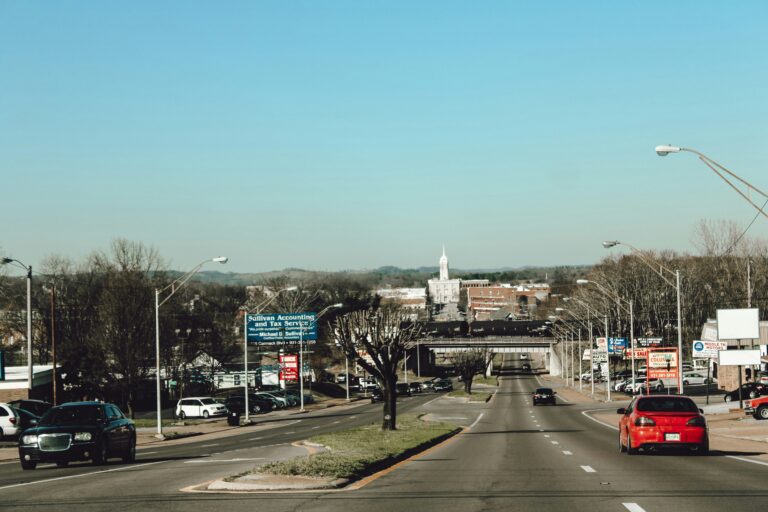
In many towns, the church building is still there. The steeple still rises above the road. The sign out front still promises worship, hope, fellowship, and a place to belong. But inside, the pews are thinner, the choir is smaller, the youth group has fewer chairs to fill, and the old assumption that most families will return next Sunday no longer feels safe.
American churches are now facing a brutal truth. Millions of people are not simply switching denominations or looking for a different worship style. Many are walking away from organized religion itself, and they are doing it with less guilt than previous generations may have felt.
This is not just a story about faith. It is a story about family routines, community trust, loneliness, politics, childhood memories, aging congregations, and the shrinking power of institutions that once helped shape American life.
The numbers tell a colder story.
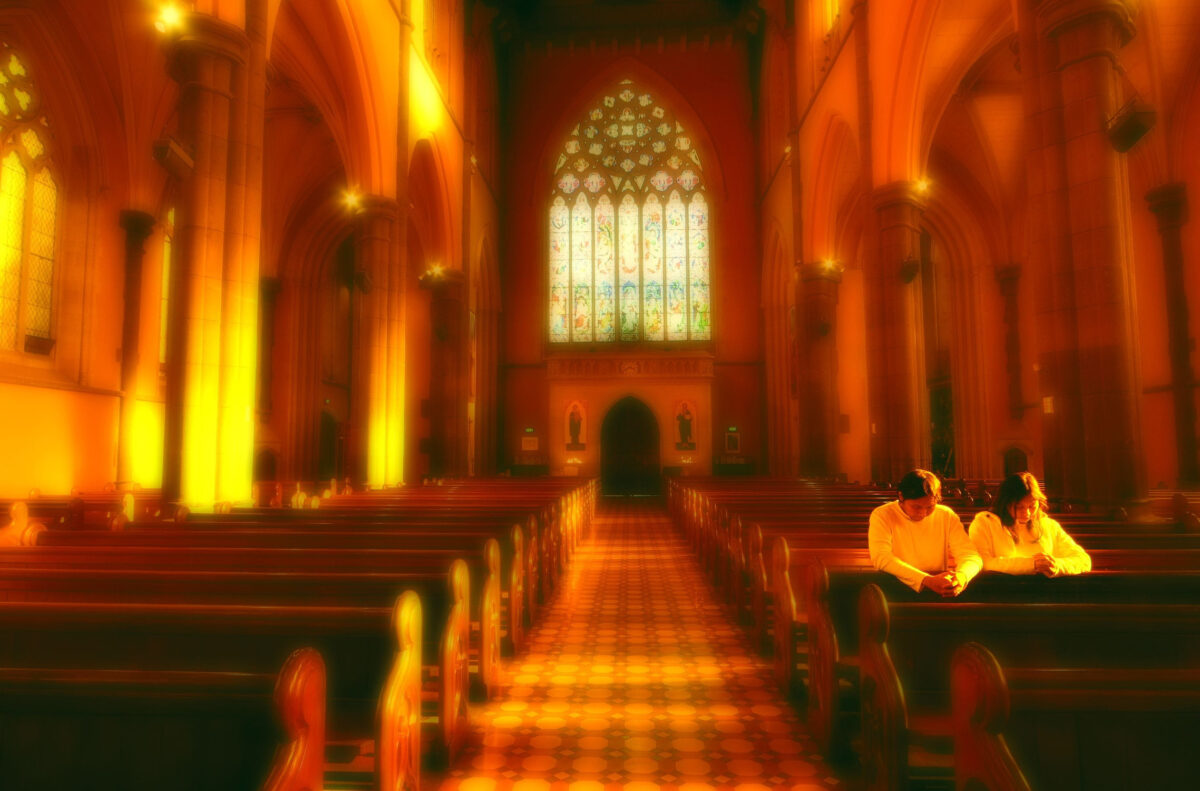
The decline is not imaginary. It is not just something older church members feel, because the sanctuary looks different from how it did twenty years ago. Recent national surveys show that religious identification has weakened across the country, especially among younger adults.
Pew Research Center found that the share of U.S. adults who identify as Christian has fallen sharply since 2007. Christianity still remains the largest religious identity in the country, but it no longer holds the same automatic cultural dominance it once did.
At the same time, the religiously unaffiliated have grown into a major force. These Americans may describe themselves as atheist, agnostic, spiritual but not religious, or simply nothing in particular. That last phrase may sound casual, but for churches it carries a serious warning. A growing number of Americans no longer feel the need to explain their absence.
Gallup has also reported that religious engagement remains at lower levels, with more Americans saying they have no religious affiliation. For churches built around weekly attendance, membership rolls, volunteer committees, and steady giving, that trend can change everything.
Young Americans are not following the old path.
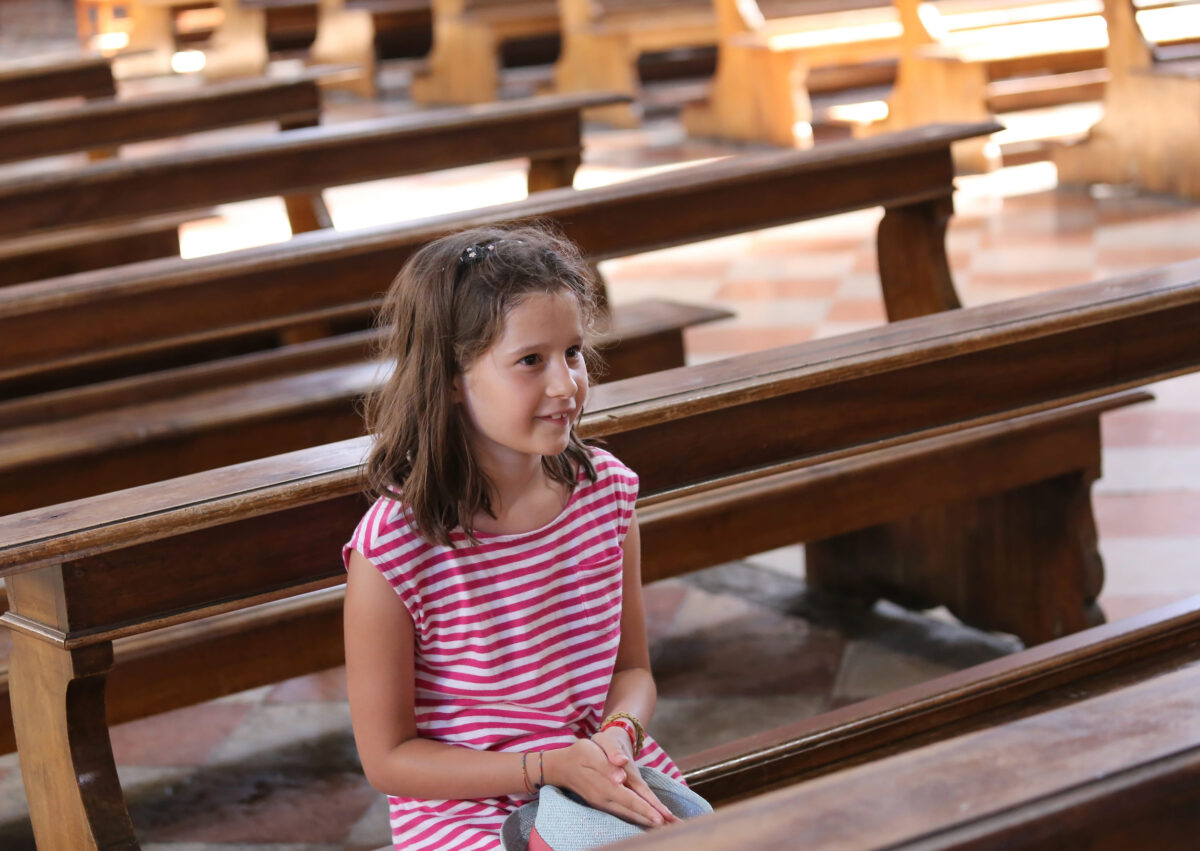
The sharpest pressure is generational.
Many older Americans grew up in a world where church attendance was part of the weekly rhythm. Even people who were not deeply religious often felt some connection to a congregation. Church was where children learned songs, couples married, families mourned, and neighbors saw each other outside work or school.
Younger Americans are growing up in a different world. They have more choices, more distractions, more distrust of institutions, and less pressure to attend simply because everyone else does. For many, Sunday is now a workday, a recovery day, a sports day, or the only quiet space left in an exhausting week.
Some young adults still believe in God. Some pray. Some read religious content online. Some are curious about spirituality. But many do not see a church building as the place where those questions must be answered.
That is the part many congregations struggle to understand. The issue is not always disbelief. Sometimes it is a disconnection. Sometimes it is disappointment. Sometimes it is the feeling that the church answers questions young people are not asking while avoiding the questions they are.
Attendance is becoming the warning light.
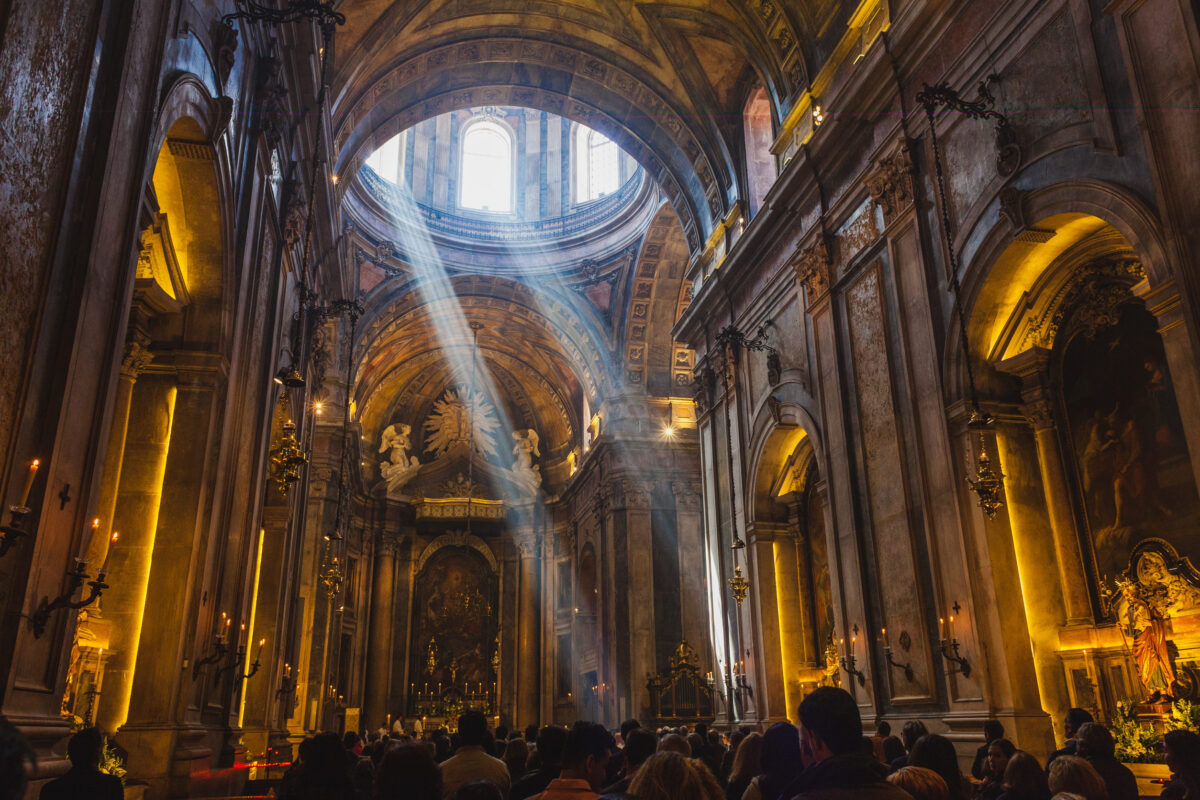
Churches can survive people having doubts. They can survive political disagreements. They can survive changes in music, dress, and culture. What they cannot easily survive is people simply not showing up.
Attendance is the warning light on the dashboard. When fewer people attend, fewer people volunteer. When fewer people volunteer, ministries shrink. When ministries shrink, families see fewer reasons to stay. When families leave, children grow up without the habit of church at all.
That cycle is already visible in many congregations. The same small group of people serves on every committee. Older members keep the doors open. Pastors become spiritual leaders, administrators, fundraisers, counselors, conflict managers, and building supervisors all at once.
For small churches, the problem can become painful fast. A roof repair, insurance increase, or heating bill can suddenly feel like a crisis. A congregation that once talked about outreach may now spend most of its energy trying to survive another year.
The loss is bigger than the Sunday service.
For some Americans, the decline of organized religion may feel like progress. They may see churches as judgmental, political, outdated, or too slow to respond to abuse, hypocrisy, or social change. Those concerns should not be dismissed because many people who left did not do so casually. Some left after years of feeling unheard.
Still, the fading of church life also leaves a gap.
Churches have long served as local support systems. They host food pantries, addiction recovery meetings, grief groups, youth programs, marriage counseling, senior visits, disaster relief drives, and funeral meals. In many smaller communities, the church basement has functioned like an unofficial social safety net.
When churches weaken, the loss is not only spiritual. It can also be civic. A town may lose a place where strangers became neighbors, where retired people found purpose, where families in crisis could ask for help without filling out a government form.
That does not mean churches were perfect. It means their decline has consequences that stretch beyond belief.
Scandals and politics have made trust harder.
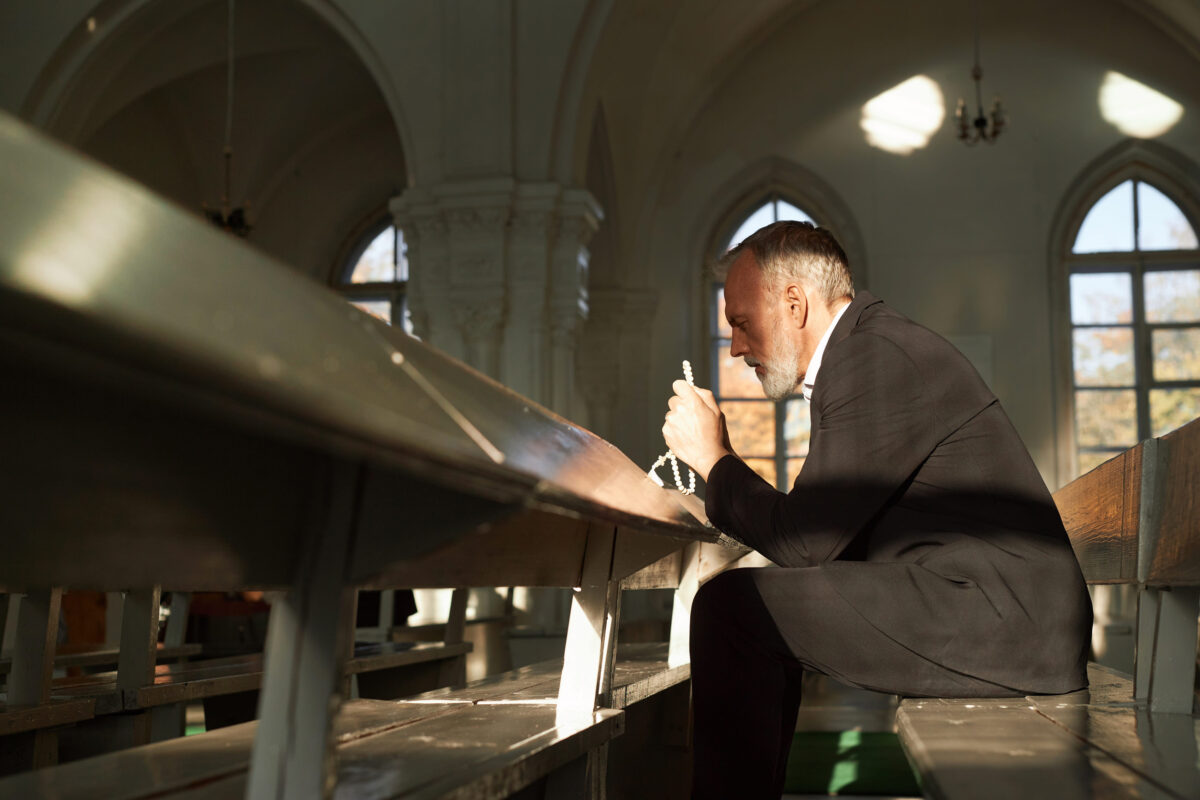
One reason churches face such a difficult road is that organized religion has become tied to broader distrust of institutions.
Americans have grown more skeptical of government, media, schools, corporations, and religious leadership. Churches are not exempt from that mood. For some former members, the breaking point came through scandal. For others, it came through politics. For others, it came through feeling judged in a moment when they needed compassion.
Many younger Americans also reject the idea that a religious institution should tell them how to think about gender, sexuality, race, marriage, science, or public policy. Even when churches believe they are defending tradition, some listeners hear control instead of care.
This creates a hard challenge. If churches soften every belief to keep people, they risk losing their identity. If they refuse to listen, they risk becoming museums of conviction with fewer people in the seats.
The internet changed where people look for meaning.
A generation ago, someone wrestling with grief, anxiety, guilt, or purpose might have gone to a pastor. Today, that person may open TikTok, YouTube, Reddit, a podcast app, or an online therapy platform.
The internet did not kill religion by itself. But it did break the monopoly that local institutions once had over meaning. People can now build personal belief systems from sermons, psychology videos, meditation apps, political commentators, wellness influencers, and private conversations with strangers online.
That freedom can be empowering. It can also be confusing. Millions of Americans may be leaving organized religion, but that does not mean they have stopped searching. Many are still hungry for peace, belonging, forgiveness, and direction. They are just looking outside the old walls.
For churches, this may be the hardest truth of all. The hunger is still there, but the trust has moved elsewhere.
Some churches will adapt, but not all will survive.
The future of American churches will not be the same everywhere.
Some congregations are growing, especially those that offer strong community, clear identity, younger leadership, cultural diversity, or practical support for families. Some churches are finding new life through small groups, digital outreach, neighborhood service, and honest conversations about doubt.
But many others are running out of time. They are not losing people because the coffee is bad or the music is old. They are losing people because the social contract has changed. Americans no longer attend church just because their parents did. They need a reason that feels real.
The churches that survive may be the ones that stop assuming loyalty and start earning trust again. That means listening before preaching, serving before branding, and creating communities where people can be honest without being treated as problems to be fixed.
A brutal truth with no easy ending
The decline of organized religion in America is not just a church problem. It is a national mirror.
It shows how much Americans have changed in the way they form identity, raise children, build community, question authority, and search for meaning. It also shows how lonely modern life can become when old gathering places fade and nothing strong enough replaces them.
American churches still matter to millions. They still comfort the grieving, feed the hungry, baptize children, marry couples, visit the sick, and give people language for hope. But the days of assuming that most Americans will naturally stay connected to organized religion are gone.
The brutal truth is simple. Churches are no longer competing only with other churches. They are competing with exhaustion, distrust, individualism, digital life, political anger, and the belief that faith can exist without membership.
For many congregations, the question is no longer whether America is changing. It is whether the church can become meaningful again before the empty pews become permanent.