9 Tiny Local Luxuries Americans Are Buying Just to Feel Okay Again
Something quiet is happening in American towns and neighborhoods. People are not always spending big, but they are still spending with feeling. A $7 latte, a $12 farmers market bouquet, a $20 candle, or a Saturday trip to a bakery has become more than a purchase. For many people, it feels like a small emotional rescue.
This is not about being careless with money. It is about trying to feel human in a season where bills are louder, work feels heavier, and the news rarely gives anyone a soft place to land. Across local shops, markets, salons, bookstores, diners, and weekend pop-ups, Americans are turning tiny purchases into tiny forms of comfort.
The new luxury is not always a designer bag or a vacation. Sometimes, it is a warm pastry in a paper bag, a clean kitchen candle, or a $5 flower stem sitting in a glass jar on the table.
The $7 Coffee That Feels Like a Break From Life
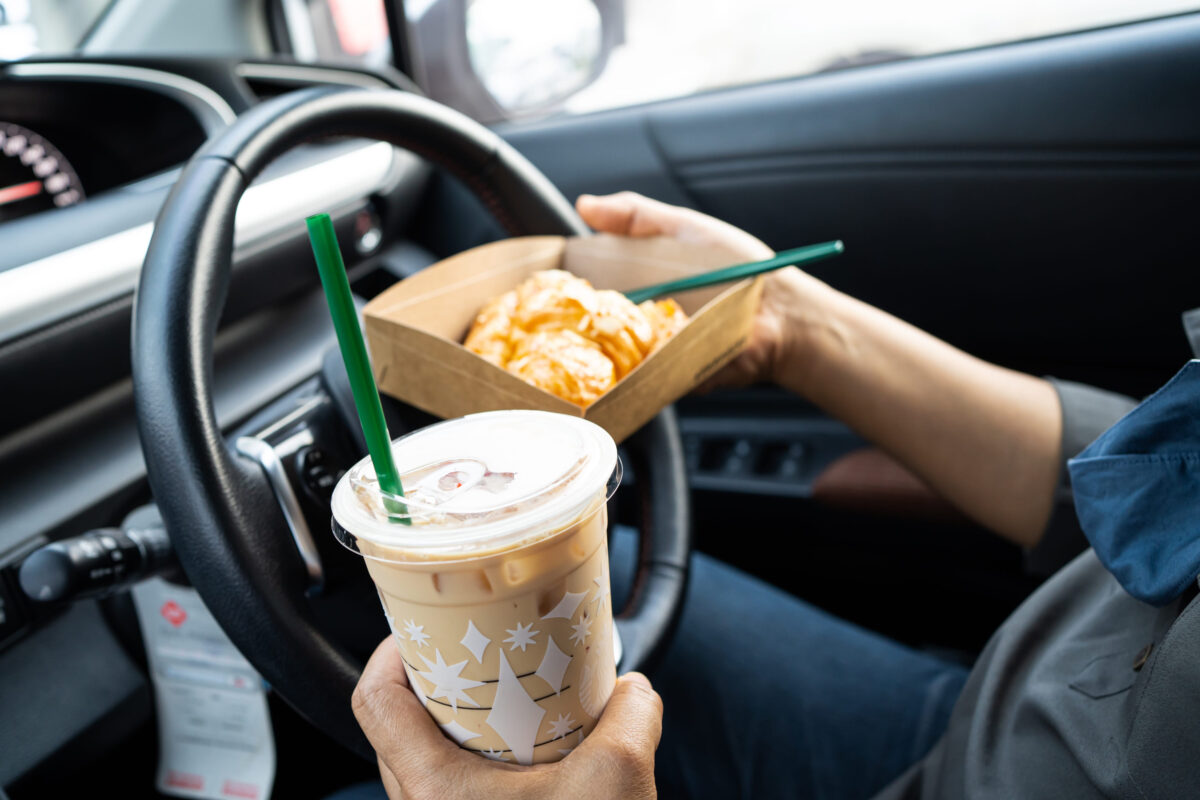
Coffee has become one of the most emotional purchases in town. People may complain about the price, but they still line up at local cafés because the drink is not just the drink. It is the quiet 10 minutes before work, the friendly barista who remembers their name, and the feeling of having one small thing made just for them.
For many workers, parents, students, and tired adults, a coffee run has replaced bigger forms of self-care. It is cheaper than therapy, faster than a vacation, and easier than explaining why they feel drained. A cup of coffee has become a tiny permission slip to pause.
Farmers Market Flowers Are Becoming Therapy in a Jar
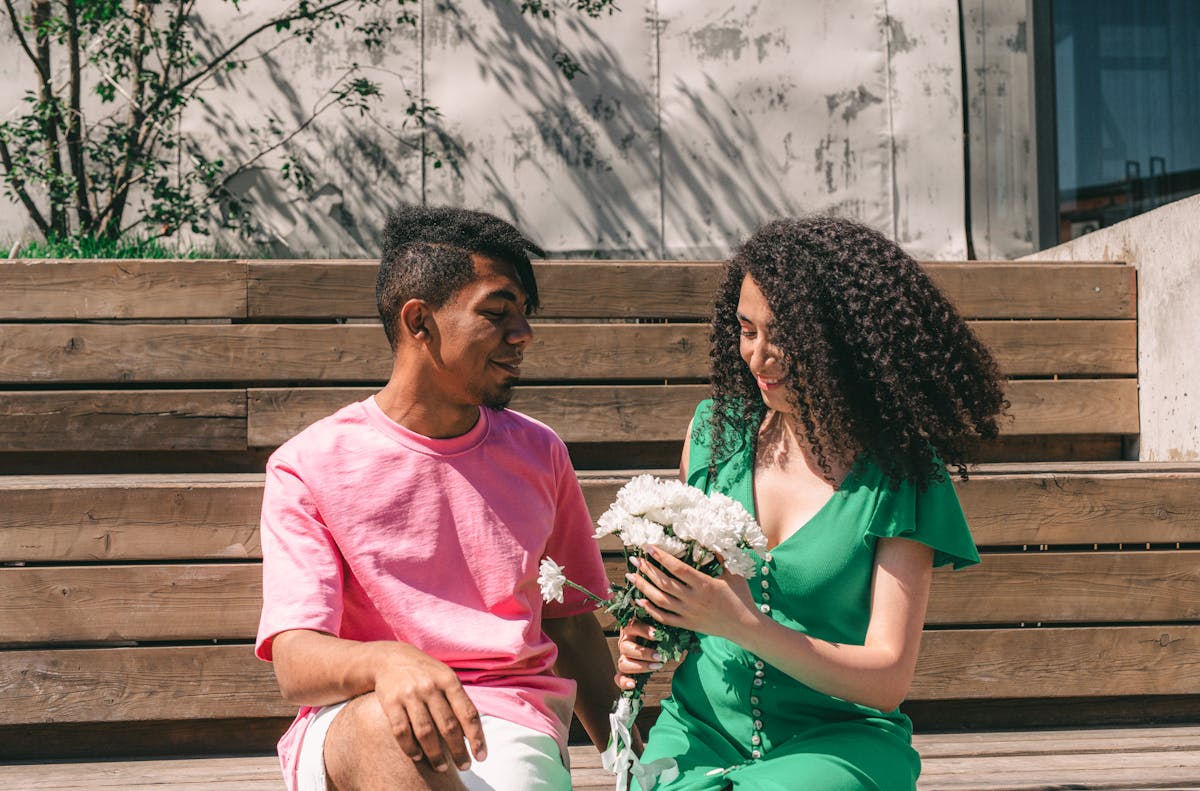
A small bouquet from a local farmers’ market can change the mood of an entire room. That is why more people are buying flowers, even as they cut back elsewhere. They are not buying them for a party or a date. They are buying them for the kitchen table.
There is something deeply emotional about taking home something alive, colorful, and temporary. It reminds people that beauty need not be practical to matter. In towns where grocery prices feel brutal, and rent feels impossible, a $10 bunch of flowers can feel like proof that life still has softness in it.
Local Bakeries Are Selling Comfort, Not Just Bread
The bakery line tells a bigger story than hunger. People are buying cinnamon rolls, sourdough loaves, cupcakes, croissants, and birthday cookies because baked goods feel personal. They smell like childhood, weekends, family kitchens, and mornings that did not feel rushed.
A pastry from a local bakery carries emotion in a way a packaged snack often cannot. It feels handmade. It feels chosen. It feels like a small reward after a week that asked too much. That is why the neighborhood bakery has quietly become one of the most powerful emotional businesses in town.
Candles Are the New Affordable Home Makeover

Not everyone can renovate a kitchen, buy new furniture, or move into a better apartment. But almost anyone can light a candle and make a room feel different. That is why local boutiques, gift shops, and small home stores are seeing people treat candles like emotional tools.
A candle can turn a messy apartment into a calmer space. It can make a rented room feel more personal. It can give people the illusion of control when life feels out of control. The scent may say vanilla, cedar, lavender, or fresh linen, but the real message is simple: we are trying to make home feel safe again.
Thrift Stores Are Becoming Emotional Treasure Hunts
Thrift shopping is no longer just about saving money. It has become entertainment, identity, and hope in one trip. People walk into thrift stores looking for jeans, lamps, mugs, jackets, books, and odd little pieces that feel like they have a story.
The emotional pull is powerful because thrift stores offer a sense of surprise. In a world where so much feels predictable and expensive, finding something special for $6 feels like a win. It gives shoppers the thrill of discovery without the guilt of a big purchase.
Independent Bookstores Feel Like a Cure for Digital Tiredness
People may spend hours on their phones, but many are craving places that feel slower. That is why local bookstores still matter. They offer quiet aisles, handwritten staff picks, cozy corners, and a feeling that time has finally stopped shouting.
Buying a book locally is not always just about reading. It is about choosing a different pace. It is about touching paper, walking through shelves, and trusting a real person’s recommendation instead of an algorithm. For many people, the bookstore has become a small local shelter from digital exhaustion.
Small Salon Treats Are Replacing Big Splurges

A full makeover can be expensive, but a blowout, brow appointment, nail refresh, or quick haircut can still feel transformative. Local salons and beauty studios are becoming places where people buy confidence in smaller doses.
The emotional part is not hard to understand. When life feels messy, looking polished can make someone feel like they still have a handle on things. A simple appointment can turn into a mood shift. People are not just paying for beauty. They are paying for the feeling of being put back together.
Local Diners Are Winning Because They Feel Familiar
In many communities, the local diner still holds a special kind of magic. It may not be fancy, but it feels dependable. The coffee is hot, the menu is familiar, and the server may call regulars by name. That matters more than people admit.
As life becomes more expensive and more isolated, familiar places become emotional anchors. A diner breakfast can feel like a return to normal. A booth in the corner can feel like a weekly ritual. The meal may be eggs, toast, pancakes, or a burger, but the real product is comfort.
Weekend Pop-Ups Make Ordinary Towns Feel Alive
Pop-up markets, food trucks, craft fairs, night markets, and seasonal events are giving local life a new kind of energy. People are showing up not only to shop, but to feel part of something. They want music, lights, food, handmade products, and a reason to leave the house.
These events work because they turn ordinary streets into temporary experiences. A parking lot becomes a food festival. A small downtown becomes a photo-worthy Saturday plan. A local vendor table becomes a place to discover something new. In a time when many people feel bored, broke, or disconnected, even a simple pop-up can make a town feel exciting again.
The bigger trend is clear: people are still looking for joy, but they want it closer, cheaper, and more personal. They may not be booking luxury trips or buying expensive status symbols, but they are still finding ways to feel rewarded.
That is why tiny local luxuries are having a moment. They are emotional purchases disguised as everyday spending. They help people feel calmer, prettier, richer, softer, safer, or simply less alone for a few minutes. And in many American communities, that small feeling is enough to keep people coming back.
Conclusion
In a world where stress, bills, and endless scrolling often drown out small joys, these local purchases have quietly become lifelines. They remind us that comfort does not always come in grand gestures or expensive trips; it can arrive in a $7 latte, a handpicked bouquet, or a pastry that smells like home. Americans are redefining luxury, finding emotional relief in the everyday, and proving that even the smallest local indulgences can carry the weight of care, connection, and renewal. In these moments, towns and neighborhoods become more than places, they become anchors for feeling human again.