Mall Food Courts Across America Are Declining as Iconic Chains Disappear and Familiar Dining Culture Fades Away.
Across America, mall food courts are declining, and that decline is changing a once-familiar part of the American shopping experience. Once crowded hubs of energy, conversation, and fast comfort food, many of these spaces are now more fragmented, more modern, and far less familiar. As longtime chains disappear and newer concepts take their place, a shared dining culture is slowly fading.
This is not a sudden collapse. It is a slow erosion of a familiar dining culture, happening one closed kiosk, one rebranded counter, and one empty seating area at a time. To casual shoppers, the changes can feel minor. A new sign here. A different menu there. Fewer familiar logos above the counters. But taken together, they show how mall food courts are changing across the United States.
The Food Court Was Once the Heart of the Mall Experience
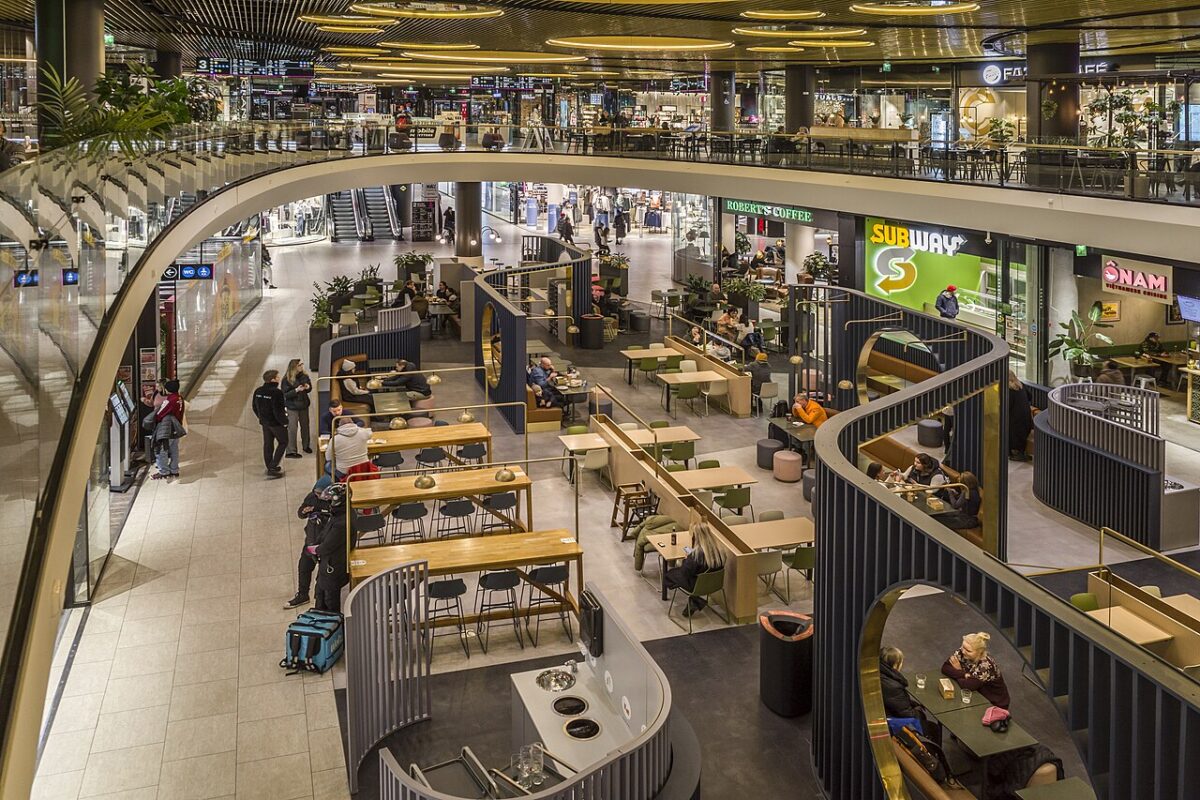
For decades, the mall food court was more than a place to eat. It was a shared social space that brought together people from every walk of life. Teenagers gathered after school with trays of fries and soda. Families negotiated dinner choices under bright fluorescent lights. Shoppers paused mid-day to rest, refuel, and people-watch. The food court was not designed for silence or speed alone. It was designed for presence.
In the peak mall era of the 1980s and 1990s, enclosed shopping centers were among the most visited public spaces in America. Industry estimates from retail researchers have shown that at their height, thousands of malls anchored suburban life, especially in regions where downtown retail had declined. The food court sat at the center of that system, serving as a communal dining room for entire communities.
It was not unusual for a single mall to feature dozens of dining options. Many of those names became part of everyday vocabulary. Orange drinks that foamed at the top. Pretzels that filled entire hallways with butter-salt aroma. Cafeteria-style lines offering meat-and-three plates. Ice cream parlors that turned birthdays into full-blown events. These were not just restaurants. They were cultural fixtures. That presence is now changing.
Crowds Are Thinning, and Familiar Names Are Disappearing

Walk through many malls today, and the difference is immediately noticeable. The noise is softer. The crowds are thinner. The variety that once defined the food court experience is narrowing into a more standardized lineup of brands that prioritize efficiency, digital ordering, and streamlined menus. The change is not just visual; it is cultural.
In place of older nostalgic chains that once defined mall culture, newer tenants are arriving with sleeker designs and faster service models. The shift reflects broader changes in consumer behavior. People are more likely to shop online, eat off-site, or order delivery than spend extended time inside a mall. As foot traffic declines, food courts are forced to adapt or shrink.
According to retail industry analysts, hundreds of shopping malls in the United States have closed or been repurposed over the past two decades, with many more labeled “at risk” or “underperforming.” Even successful malls have restructured their tenant mix, often replacing legacy food vendors with fast-casual brands, international chains, or short-term pop-ups designed for flexibility rather than permanence.
The result is a dining environment that feels less like a shared tradition and more interchangeable than it once did.
Retail Decline Has Accelerated the Transformation

The decline of mall food courts cannot be separated from the broader transformation of American retail. The rise of e-commerce has fundamentally reshaped how people shop. What once required a physical trip to multiple stores can now be completed in minutes from a phone. This shift has reduced the need for large enclosed malls as primary shopping destinations.
Anchor stores, once the main traffic drivers for malls, have been among the hardest hit. Department stores that once brought steady crowds to food courts have closed in many regions, leaving large physical gaps in mall layouts. Without those anchors, food courts lose a significant portion of their natural customer flow.
In response, mall operators have experimented with new strategies. Some have introduced entertainment centers, gyms, medical clinics, or co-working spaces to replace traditional retail anchors. Others have leaned heavily into experiential dining, replacing older chains with boutique food halls and curated culinary concepts.
But while these changes may attract visitors, they also mark a clear departure from the familiar structure that once defined the mall food court.
The Slow Disappearance of Iconic Chains
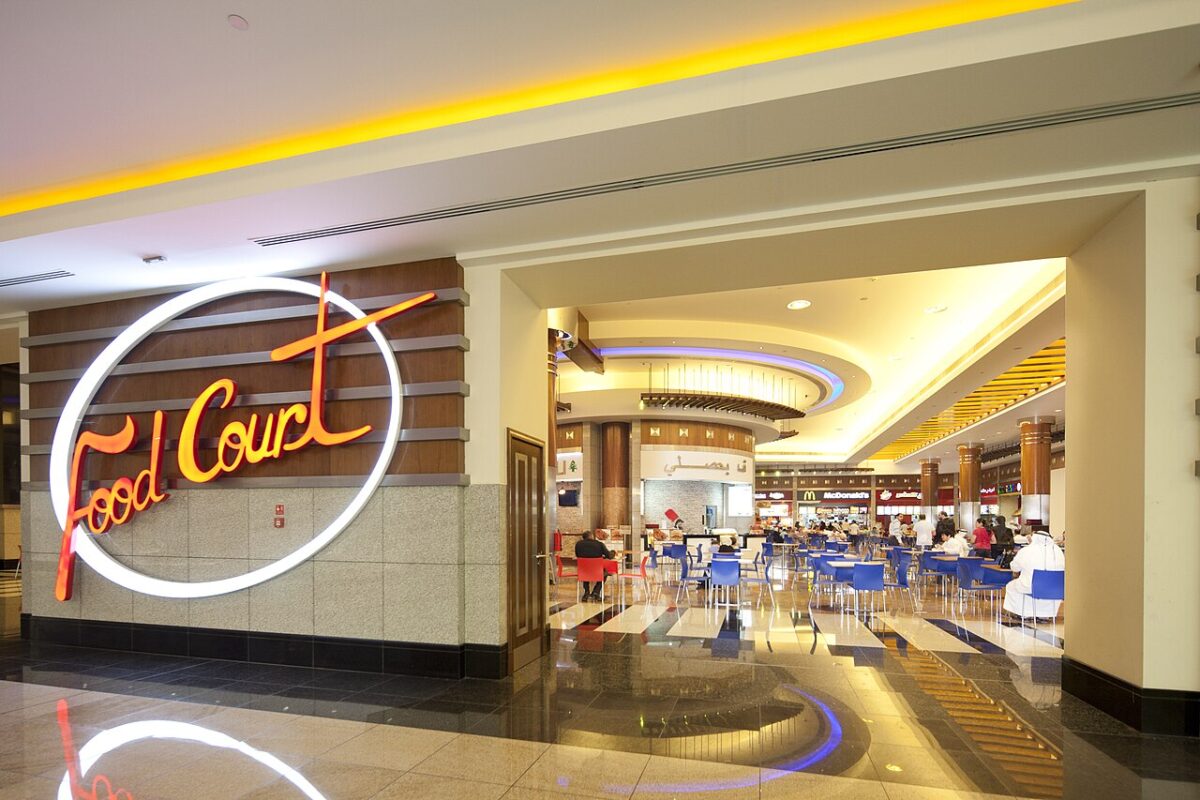
One of the most visible signs of this shift is the disappearance of longtime food court chains. These were the brands that once defined mall dining culture. They were consistent, recognizable, and deeply embedded in everyday routines.
Their decline is not always dramatic. In many cases, it happens quietly. A franchise closes when a lease ends. A corporate restructuring leads to consolidation. A parent company phases out smaller brands in favor of larger national concepts. Over time, the names that once felt permanent begin to vanish from signage and memory.
What makes this loss significant is not just the food itself, but the familiarity it represented. These chains were part of a predictable rhythm. The same pretzel stand is in every mall. The same orange drink counter is near every entrance. The same cafeteria line offering comfort food in the same trays and portions.
As these brands disappear, that sense of continuity breaks down, and the larger decline becomes harder to ignore.
A Cultural Shift Hidden in Everyday Eating
Old mall food courts were not just businesses. They were part of people’s lived experience. They marked time in subtle but meaningful ways. A childhood shopping trip. A weekend outing. A holiday rush. A birthday meal eaten on a plastic tray while surrounded by strangers doing the same thing.
Sociologists have long noted that shared public spaces play an important role in shaping community identity. Food courts were one of the few remaining spaces where strangers regularly occupied the same environment without formal structure. There were no reservations, no membership requirements, and no exclusivity. Everyone participated in the same informal system of choice and seating.
That system is changing, and the change is reshaping what the space means. Modern food courts prioritize efficiency, design consistency, and digital integration. Mobile ordering, self-service kiosks, and standardized branding have made the experience faster and more predictable. But they have also reduced the spontaneity that once defined the space.
Efficiency Has Replaced Discovery
One of the most noticeable differences in today’s mall food courts is the loss of discovery. In earlier decades, walking through a food court meant encountering unexpected smells, unfamiliar menus, and visual variety. One counter might specialize in sweet treats, another in fried snacks, another in full meals served cafeteria-style.
That unpredictability created moments of choice that felt personal. Decisions were made in real time, influenced by smell, sight, and curiosity rather than pre-planned intent.
Today’s environments are more controlled. Menus are often simplified. Branding is standardized. Seating is organized to maximize flow. The result is a smoother experience, but also a less memorable one, and a weaker sense of place.
Retail analysts have observed this shift across many consumer spaces. As businesses optimize for efficiency and scalability, they often reduce the variability that creates emotional attachment. The food court is no exception.
The Changing Atmosphere of Shared Space
Even the physical atmosphere of mall food courts has changed. Lighting is more uniform and less dramatic. Seating arrangements are more structured. Noise levels are often lower, not because fewer people are talking, but because fewer people are present.
Older food courts were defined by sensory overload. The overlapping sounds of conversations, orders being called, trays being cleared, and music playing from different vendors created a layered environment that felt alive. The smells of different foods blended into something distinctive and unmistakable.
Newer food courts tend to be cleaner and more controlled. While this improves comfort and aesthetics, it also removes some of the unpredictability that gave the space character.
Remnants of the Old Culture Still Remain
Despite these changes, remnants of the old food court culture still exist. In some malls, legacy vendors continue to operate alongside newer concepts. A familiar pretzel smell may still drift through a corner. A long-standing ice cream counter may still serve customers who remember visiting it decades earlier.
These surviving elements act as quiet anchors to the past. They remind visitors that the mall food court was once a central part of American social life, not just a place for convenience dining.
In a few locations, particularly older or independently managed malls, traces of the original food court design remain almost untouched. Walking into these spaces can feel like stepping into a different era, where time moved differently, and shopping was a full-day experience rather than a quick errand.
What Is Being Lost Goes Beyond Food
The decline of iconic food court chains is not simply about changing menus or business closures. It reflects a broader transformation in how people interact with public space, and in what mall food courts have come to represent.
Convenience has replaced wandering. Digital transactions have replaced in-person browsing. Speed has replaced lingering. These changes are not inherently negative, but they do redefine how everyday experiences feel and are remembered, especially in the mall food court.
The mall food court once offered something simple but powerful: a place where time slowed down just enough for people to sit, eat, and exist together without urgency.
That version of the experience is becoming harder to find.
The Food Court Is Not Gone, But It Is No Longer the Same
Mall food courts are not disappearing completely. They are evolving into something different, shaped by economic pressure, shifting consumer habits, and changing expectations of public space. Some are becoming upscale dining halls. Others are shrinking. A few are successfully reinventing themselves as hybrid food-and-entertainment destinations.
But in that evolution, something quieter is being left behind. Not just restaurants. Not just brands. But a shared cultural rhythm that once defined how millions of people experienced an ordinary part of life.
What replaces it is still unfolding. For now, the transformation continues quietly, one mall, one food court, and one fading familiar sign at a time.