Pizza Hut’s $2.7 Billion Sale Raises a Hard Question for Customers: What Happens to the Stores Still Struggling?
The Pizza Hut sale is not just a business transaction. It is a warning sign hanging over one of America’s most familiar restaurant names.
Yum Brands has agreed to sell Pizza Hut in two deals worth about $2.7 billion. LongRange Capital will take the business outside mainland China, while Yum China will buy the mainland China operation.
For customers, the Pizza Hut sale raises a question that feels more local than global. What happens to the restaurants already losing traffic, cutting hours, or sitting half-empty in towns across America?
Pizza Hut is not vanishing, and the brand still has enormous recognition. But this kind of sale rarely happens when everything is healthy. It usually arrives when a company needs a new owner, a sharper strategy, and sometimes a painful reset.
The Red Roof Is Still Standing, but the Ground Has Shifted
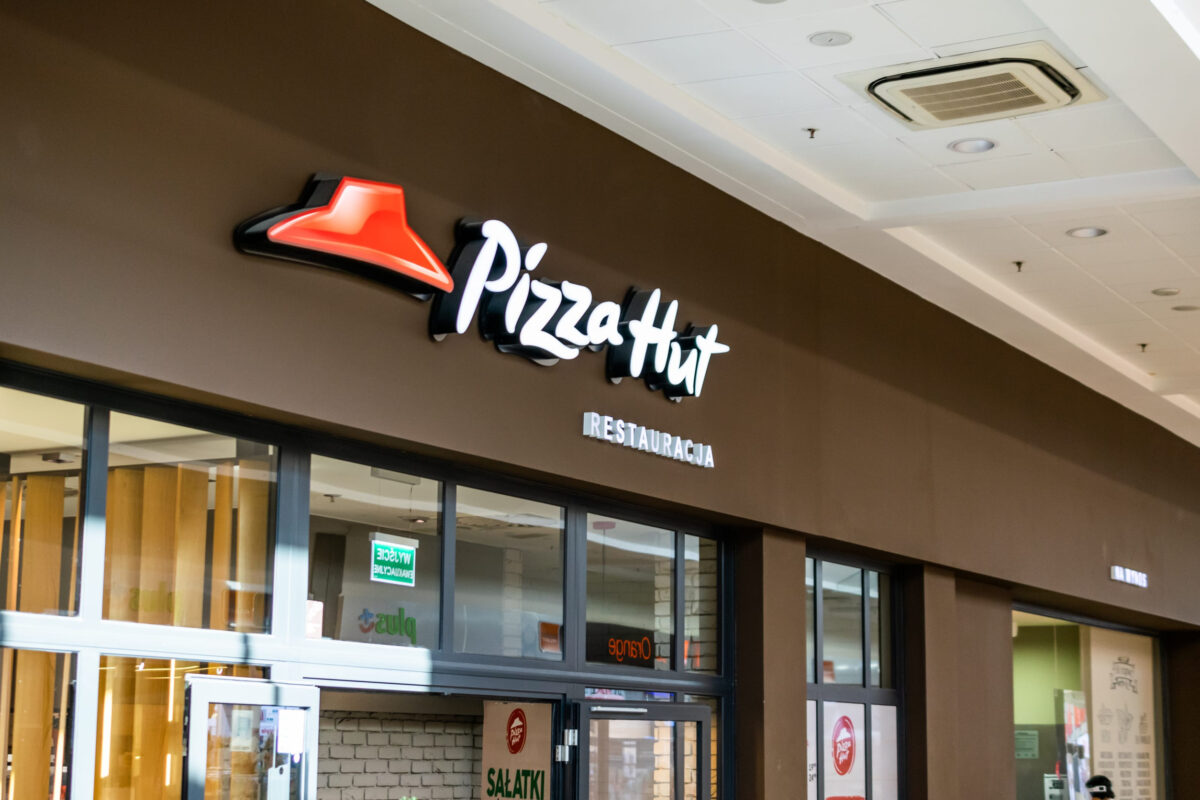
For generations, Pizza Hut meant more than pizza. It meant red cups, red booths, arcade corners, school reading rewards, and family dinners that felt like small events.
That memory still matters, but memory does not solve a sales problem. The Pizza Hut sale shows how nostalgia can keep a brand emotionally alive while the business behind it weakens.
The chain grew in a very different America. Families ate out less often, pizza delivery had fewer digital rivals, and a dine-in restaurant could become part of the neighborhood routine.
That world has changed. Today, customers compare prices, delivery fees, app rewards, estimated arrival times, and online reviews before choosing dinner.
Pizza Hut has had to compete with Domino’s, Papa John’s, local pizza shops, grocery-store pizza, and third-party delivery apps. The red roof no longer guarantees loyalty.
That is why the Pizza Hut sale feels like more than corporate housekeeping. It suggests that the old model no longer gives Yum Brands the growth story it wants.
Yum is keeping Taco Bell and KFC, two brands with clearer momentum and stronger identities. Pizza Hut, once a major pillar of the company, is being moved elsewhere.
That separation sends a message. Pizza Hut remains valuable, but it may no longer fit inside Yum’s preferred future.
When a Famous Brand Becomes Someone Else’s Turnaround Project
The Pizza Hut sale puts the chain outside mainland China in the hands of LongRange Capital. LongRange is a private equity firm, not a household name in restaurants.
Its portfolio includes 24 Hour Fitness and Batesville, a company known for funeral and deathcare products. That mix sounds unusual, but private equity portfolios often look strange from the outside.
The point is not that pizza, gyms, and caskets belong together. The point is that Pizza Hut is now being treated as a turnaround asset.
LongRange says it sees opportunity in the brand. It also inherits a complicated system of franchisees, aging stores, changing customer habits, and uneven performance.
Private equity ownership can bring investment, discipline, and faster decision-making. It can also bring cost pressure, store reviews, and sharper expectations for weak locations.
That is where the Pizza Hut sale becomes uncomfortable for customers. A new owner may not view every restaurant through the same sentimental lens as longtime diners.
A location that once hosted birthday parties still has to make money. A familiar sign beside the road still has to justify rent, labor, equipment, and supply costs.
If a restaurant cannot do that, nostalgia may not protect it. Under new ownership, performance will likely matter more than memory.
The Closures Make the Sale Feel Personal
Before the Pizza Hut sale was finalized, the chain had already been linked to plans to close about 250 underperforming U.S. restaurants in the first half of 2026. That detail changes the emotional weight of the deal.
For investors, 250 stores may sound like a strategic cleanup. For workers and customers, each one represents a real place with real routines attached.
A closing Pizza Hut can mean lost jobs, fewer lunch options, and another empty storefront in a shopping center. In smaller towns, even a struggling chain restaurant can become part of the local map.
That is why the Pizza Hut sale lands differently outside corporate offices. People do not experience restaurant strategy through earnings calls. They experience it when the dining room lights go dark.
The company has not said every struggling location will close. A sale does not automatically mean a wave of shutdowns in every market.
Still, the timing matters. A major sale, planned closures, and weak performance all point toward a brand under review.
Customers may soon notice quiet changes. Some stores may get remodeled, some menus may shift, and some franchisees may face pressure to improve operations.
Others may not survive the review. That possibility poses the Pizza Hut sale’s hardest consumer question: which local restaurants are worth saving?
China Gets the Growth Story America No Longer Owns
One of the most revealing parts of the Pizza Hut sale is the split between mainland China and the rest of the world. Yum China is buying the mainland China business for about $1.2 billion.
That matters because Pizza Hut has become a stronger casual dining brand in China than many Americans may realize. Its menus, store formats, and customer strategy differ from the older U.S. image.
In China, Pizza Hut is not simply a delivery chain fighting to protect an old reputation. It has adapted to local tastes and built a broader dining identity.
That contrast is striking. The brand was born in Kansas, but the Chinese operation now appears more clearly positioned for growth.
Meanwhile, the U.S. market faces a tougher reality. The Pizza Hut sale reflects a brand trying to regain relevance in a category it once defined.
This is not the first time an American food brand has performed differently abroad than at home. Global chains often succeed overseas by becoming more flexible than they are in their original market.
McDonald’s adjusts its menus by country. KFC has long been powerful in China. Starbucks has developed distinct customer rituals across international cities.
Pizza Hut’s split follows that broader lesson. A brand can carry the same name across borders while telling very different business stories.
In China, Pizza Hut may represent expansion. In the United States, the Pizza Hut sale represents a repair.
The Delivery Era Changed the Meaning of Pizza Night
The Pizza Hut sale also reflects a larger change in American dining. Pizza night used to be a place. Now it is often a transaction on a phone screen.
That shift hurt brands built around the experience of sitting down. Pizza Hut’s old advantage was atmosphere, not just the food itself.
The red-roof restaurant gave families a reason to leave the house. The booth, the smell, and the hot pan pizza made the meal feel special.
Today, many customers expect pizza to arrive fast, cheap, and hot. The restaurant behind it may matter less than the coupon, the delivery time, or the app.
That shift favored companies that built strong digital systems early. Domino’s turned technology and delivery into a core part of its identity.
Pizza Hut has tried to modernize, but it has also carried more legacy baggage. Older dine-in footprints can become expensive when customers no longer dine in.
The Pizza Hut sale shows how harsh that transition can be. A brand designed for family dining must now survive in a market built around speed and convenience.
It must compete for attention on crowded screens. It must also keep food affordable while labor, rent, and ingredients become more expensive.
That challenge reaches beyond Pizza Hut. It reflects a broader pressure on casual dining chains that once depended on habit, location, and family tradition.
Yum’s Future Looks Cleaner Without Pizza Hut
Yum Brands has presented the Pizza Hut sale as a way to sharpen its focus. That phrase sounds polite, but it carries weight.
Companies often sell brands when they believe their capital, leadership, and attention can work better elsewhere. Yum’s future appears increasingly tied to Taco Bell, KFC, technology, and digital growth.
Taco Bell has become a cultural machine in American fast food. It understands late-night cravings, limited-time menus, social media buzz, and younger customers.
KFC remains a major global brand with deep international reach. It has challenges, but its role in Yum’s portfolio still appears clearer.
Pizza Hut became the least certain piece. It was famous, but fame alone did not make it easy to manage.
The Pizza Hut sale gives Yum a cleaner story for investors. It can emphasize stronger brands, technology platforms, and a more focused restaurant system.
That may be smart business. It also makes the sale feel like a quiet demotion for a brand that once helped define American chain dining.
Pizza Hut is not being discarded without value. A $2.7 billion sale proves the brand still matters.
But the sale also proves that Yum no longer wants to carry the full burden of fixing it. That is the part customers may feel, even if they never read a shareholder report.
The Brand Still Has a Path, but Not an Easy One
The Pizza Hut sale does not have to become a funeral for the brand. A new owner could bring energy, investment, and a clearer plan.
Pizza Hut still has scale, name recognition, and emotional power. Few restaurant brands can trigger childhood memories as quickly.
That matters in a crowded market. A forgotten brand has to build awareness. Pizza Hut already owns a place in the public imagination.
The challenge is turning that memory into modern behavior. Customers must have a reason to order again, not just remember fondly.
That reason cannot be vague. It may involve better value, stronger delivery, cleaner stores, smarter technology, or a more convincing dine-in revival.
Some chains have used nostalgia successfully. Others have learned that old memories can create attention but not repeat business.
Pizza Hut must avoid becoming a museum of itself. The red roof can inspire affection, but it cannot carry the entire business.
LongRange now faces that test. It must protect what people love while fixing what no longer works.
That balance will decide whether the Pizza Hut sale becomes a comeback story or another chapter in the decline of a once-dominant restaurant chain.
The Question Waiting at the Local Storefront
The most important part of the Pizza Hut sale will not happen in a boardroom. It will happen at local storefronts where customers notice whether anything changes.
A family may see a remodeled dining room. A worker may see new operating rules. A franchisee may see tougher expectations. A town may see one more empty building.
Those small outcomes will define the deal’s real meaning. A $2.7 billion sale becomes real only when it reaches the neighborhood level.
For some customers, the Pizza Hut sale may bring better service and fresher investment. For others, it may bring the end of a location they assumed would always be there.
That uncertainty is why the story feels sharper than a normal restaurant sale. Pizza Hut carries more than a menu. It carries decades of American dining memory.
But memory is not a business plan. The next owners must prove that Pizza Hut can still matter in a market that no longer waits for old giants to catch up.
The red roof has survived changing tastes, recessions, delivery wars, and the slow decline of casual family dining. Now it faces a different test: whether a famous brand can become useful again before too many customers stop looking for it.