America’s Credit Card Problem Is Getting Harder to Ignore, Even if It Is Not 2008 Yet
America is not standing in the same smoke-filled room it occupied in 2008, but the smell of financial stress is becoming harder to dismiss. The core issue is not a repeat of the last crisis; it is a growing reliance on credit cards as households absorb high balances and punishing rates.
More families are discovering the plastic card. This is not just a story about overspending. It is a story about survival math. Families are balancing groceries, rent, fuel, insurance, childcare, and medical bills in an economy where wages have not fully kept pace with the cost of simply existing.
Credit cards fill the gap, and that gap widens month after month.ng. Credit cards are filling the gap, but that gap is widening month after month.
The Credit Card Bill Has Become a Warning Light

Recent Federal Reserve data shows that total U.S. revolving credit remains above the trillion-dollar threshold, with balances continuing to hover near record highs. At the same time, credit card interest rates have remained elevated, often exceeding 20 percent for many consumers, depending on their credit profiles.
That combination is what turns a normal balance into a long-term burden. A household carrying even a modest balance can find that a significant portion of each payment is consumed by interest rather than reducing the principal. The result is a slow-moving financial treadmill where effort does not translate into progress.
Delinquency trends are beginning to reflect that strain. Federal Reserve reports and industry data indicate that credit card late payments and charge-offs have been rising from the unusually low levels seen during the pandemic era. More borrowers are falling behind on payments, and lenders are responding with tighter credit standards in some segments.
This is not a sudden collapse. It is a gradual tightening of pressure across millions of households, where small payment delays turn into longer-term debt cycles.
Why People Are Reaching for Credit More Often
It is easy to assume credit card debt comes from discretionary spending, but that explanation no longer fits the full picture.
For many households, credit cards are now acting as a buffer between income and unavoidable expenses. Food prices remain higher than pre-inflation baselines. Rent continues to climb in many urban areas. Insurance premiums for health, home, and auto coverage have increased. Even basic transportation costs can swing sharply depending on fuel prices and maintenance needs.
When a household budget is already stretched, even a minor shock such as a medical bill, a school expense, or a car repair can push families toward credit cards. The decision is rarely about luxury. It is about timing. Bills arrive before paychecks are recovered.
This is why the current credit card environment feels different from earlier cycles. The pressure is not just psychological. It is structural. More people are using credit not to expand lifestyle choices, but to maintain basic stability between pay cycles.
The Quiet Rise in Financial Stress
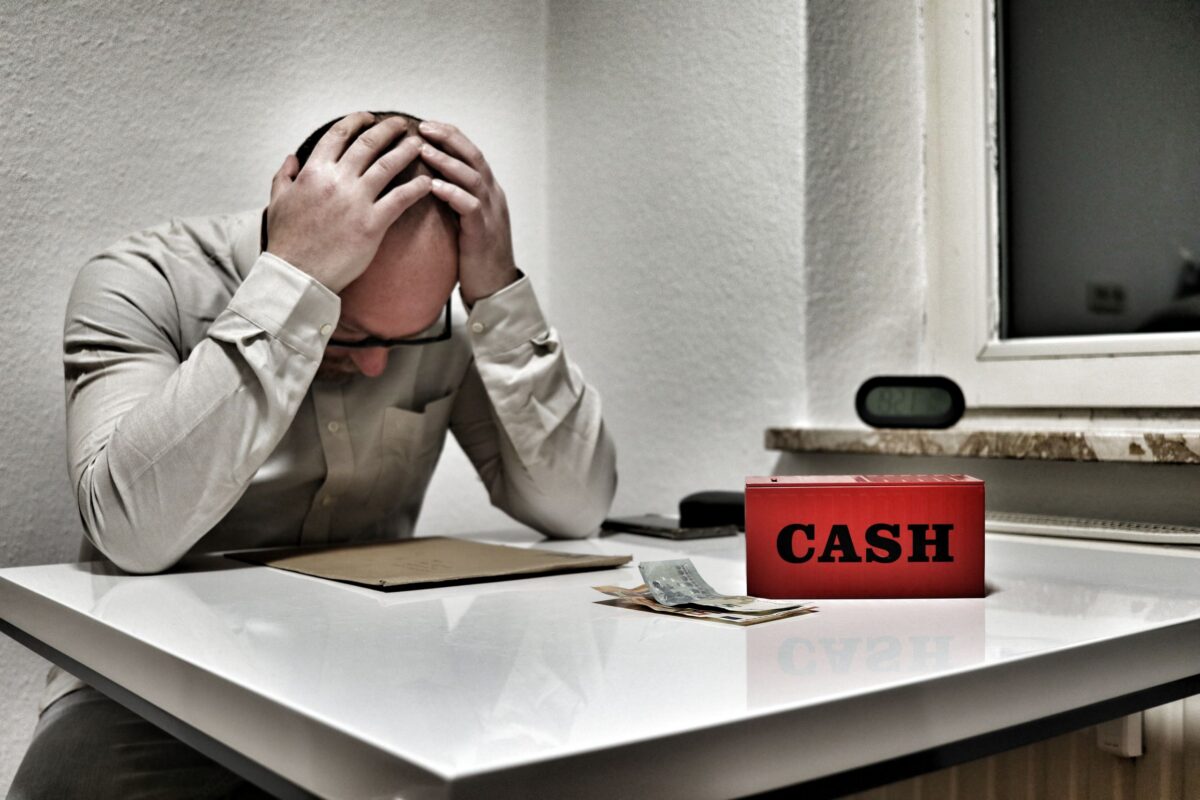
One of the most important signals in the current economy is not just the level of debt, but the rising strain in repayment behavior.
Across lenders and financial institutions, there has been an increase in accounts that are 30 days or more past due. In many cases, borrowers are still making payments, but the timing is slipping. That delay is often the first visible sign of stress before deeper delinquency appears.
At the same time, minimum payments are becoming more common as a strategy for staying afloat. While minimum payments prevent immediate default, they also significantly extend repayment timelines. In high-interest environments, this creates a situation where debt can persist for years even without new spending.
The psychological impact is also important. Households that see balances remain unchanged despite consistent payments often feel discouraged, which can lead to further reliance on credit or delayed financial decisions.
Is This Another 2008
The comparison to the 2008 financial crisis is understandable but incomplete. The point is not that America is replaying the same collapse. The point is that household stress is building in a different form.
The 2008 crisis was rooted in housing market failures, mortgage-backed securities, and systemic banking exposure to risky lending. The current situation is different in structure. Credit card debt is primarily unsecured consumer debt, not tied directly to collateralized housing assets.
However, there is still a shared theme. In both periods, household financial stress builds beneath the surface of broader economic stability. In 2008, that stress manifested as mortgage defaults. Today, it is showing up through revolving credit and rising consumer borrowing costs.
The risk is not necessarily a banking collapse. It is a consumer slowdown. If more households divert income toward debt repayment, discretionary spending declines. That affects revenue from retail, travel, dining, and small businesses. If delinquencies rise further, lenders may tighten access to credit, removing a key financial buffer for lower-income households.
In other words, the system does not need to break suddenly for the pressure to reshape economic behavior.
The Interest Rate Trap That Keeps Expanding Debt

Credit card interest is the quiet force behind the growing strain.
When rates climb above 20 percent, balances behave differently. A household carrying $5,000 may find that hundreds of dollars in annual payments go toward interest alone. Larger balances scale this effect quickly, turning repayment into a long-term commitment even for disciplined borrowers.
The structure of credit card repayment also matters. Minimum payments are designed to keep accounts active, not to eliminate debt efficiently. As a result, households can make steady payments for years while seeing only modest reductions in principal.
This creates a psychological mismatch. From the outside, a borrower appears responsible. From the inside, the debt barely moves.
Regional and Household Impact Is Uneven
The effects of credit card pressure are not distributed evenly across the country.
Urban renters often feel the strain more quickly because housing costs consume a larger share of monthly income. Younger households also tend to rely more heavily on credit cards due to limited savings and shorter credit histories. Meanwhile, middle-income families balancing childcare, transportation, and housing costs often sit at the center of the pressure zone.
In contrast, higher-income households with savings or asset growth are more insulated. This creates a split economy where financial confidence depends heavily on income level, housing status, and access to credit.
That divide matters because national economic indicators can appear stable while underlying stress builds in specific segments of the population.
How Banks and Lenders Are Responding

Financial institutions are closely monitoring repayment behavior. In response to rising risk signals, some lenders have tightened credit approval standards or reduced credit limits for higher-risk accounts.
At the same time, promotional balance transfer offers and restructuring options remain common tools for managing customer relationships. These tools can provide temporary relief, but they also reflect the balancing act lenders face between risk management and customer retention.
The broader credit system is not under immediate pressure to collapse, but it is clearly adjusting to a higher-risk environment.
The Hidden Cost to the Wider Economy
Credit card debt does not remain isolated within household budgets. It flows into the broader economy through consumer behavior.
When more income is directed toward interest payments, less is available for discretionary spending. That affects restaurants, retail stores, service providers, travel companies, and local businesses. In many communities, small businesses are especially sensitive to these shifts because they depend on consistent consumer activity.
If repayment burdens continue to rise, the slowdown in spending can become a secondary economic pressure point even without a formal recession.
What Households Are Trying to Do Differently
Many households are beginning to respond more aggressively to rising credit card balances.
Some are prioritizing repayment of high-interest debt over other financial goals. Others are using consolidation loans to reduce interest rates and simplify payments. Financial counseling services are also seeing increased demand as borrowers look for structured repayment strategies.
There is also a noticeable shift in behavior toward tighter budgeting. Families are more likely to track expenses closely, reduce discretionary spending, and delay non-essential purchases.
These changes do not eliminate debt immediately, but they can slow its growth and prevent deeper financial instability.
The Bigger Question Facing the Economy
The most important issue is not whether credit card debt is rising. That part is already visible in the data. The real question is how long households can continue absorbing financial pressure before behavior changes more dramatically.
Credit cards were designed as a tool for flexibility. In today’s economy, they are increasingly functioning as a substitute for income stability. That shift is what makes the current moment significant.
America may not be repeating 2008, but it is experiencing a different kind of financial tension that builds quietly in household balance sheets rather than in collapsing headlines. That is why the credit card problem deserves attention now.
When that tension finally shows itself at scale, it rarely arrives as a surprise; it arrives as a pattern visible long before anyone calls it a crisis.