Everyone Wants to Move to Canada… But the Reality Is Not What You Expect
Relocating abroad sounds exciting until the real questions begin. Where will you work? Can you afford rent? Will your visa be approved? And will the dream lifestyle still feel like a dream after the bills arrive? A relocation search ranking has revealed the countries people most want to move to, and the list says a lot about what people are chasing right now: safety, better jobs, sunshine, healthcare, work-life balance, and a fresh start that feels bigger than their current life.
Canada

Canada sits at the top because it sells a powerful promise: stability, opportunity, natural beauty, and a multicultural society where newcomers can imagine belonging. For many people, Canada feels like the safest place to start over. The country’s cities offer strong job markets, quality education, and a reputation for public services. But the dream has a sharp edge. Housing costs in places like Toronto and Vancouver can shock new arrivals, and cold winters are not a small adjustment. Canada remains attractive, but moving there now requires more than hope. It requires planning, savings, patience, and a realistic view of what life will cost.
Australia
Australia ranks high because it offers the lifestyle many people picture when they think about escape: beaches, outdoor living, major cities, and strong wages. Sydney, Melbourne, Brisbane, and Perth each carry a different version of that dream. For skilled workers, Australia can look especially attractive because the economy often needs talent in healthcare, construction, technology, and trades. But Australia is not cheap.
Rent, transport, groceries, and long-distance travel can quickly drain a budget. It is a country people seek out because it feels open and energetic, but the move only works when income, visa status, and location align properly.
New Zealand
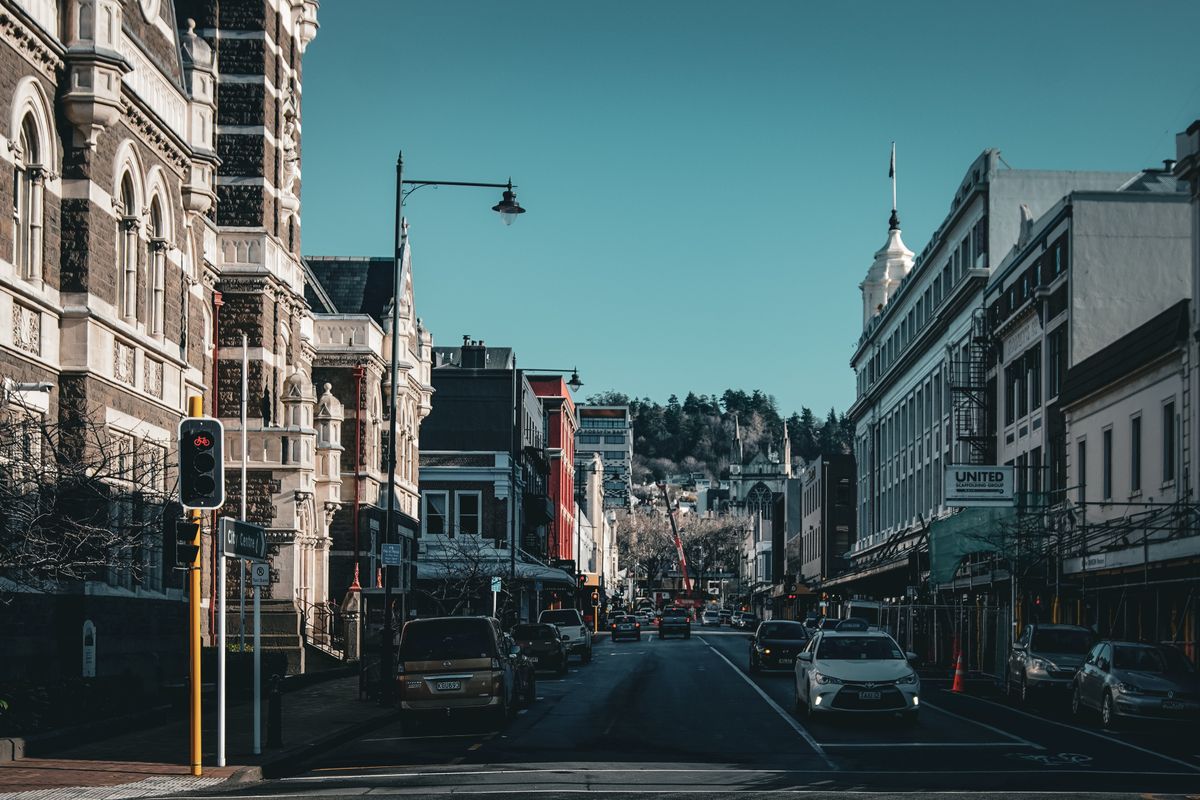
New Zealand attracts people who want calm, space, nature, and a slower rhythm of life. It is easy to understand the appeal. The country is famous for dramatic landscapes, outdoor culture, and a lifestyle that feels less rushed than many crowded cities elsewhere. For families and professionals tired of the noise, New Zealand can feel like a reset button. But the distance is real.
Moving there often means being far from relatives, old networks, and familiar markets. Costs can also be high, especially because many goods are imported. New Zealand’s beauty is powerful, but isolation is part of the package.
Spain
Spain ranks highly because it offers both emotional and practical appeal. People imagine warmer weather, relaxed evenings, good food, walkable cities, and a life that does not feel ruled by work. Spain is especially attractive to Europeans, retirees, remote workers, and people looking for a lower-pressure lifestyle. Cities like Valencia, Malaga, Madrid, and Barcelona each offer a different version of the dream.
Still, Spain is not a vacation brochure. Job markets can be competitive, salaries may be lower than in northern Europe, and paperwork can test anyone’s patience. The lifestyle is appealing, but long-term success depends on income stability.
United Kingdom
The United Kingdom remains popular because it offers global universities, major employers, cultural influence, and an English-speaking environment that feels easier for many migrants to enter. London is still one of the world’s strongest magnets for ambition, finance, media, education, and international networking.
But the UK is also a reality check. Housing costs, transport fares, and daily expenses can make newcomers feel squeezed fast. Outside London, life may be more affordable, but access to jobs depends heavily on the industry and location. The UK still pulls people in, but it rewards those who arrive with a clear plan rather than a vague dream.
Portugal

Portugal’s rise is not surprising. It has sunshine, coastline, historic cities, strong café culture, and a slower pace that appeals to retirees, remote workers, and people escaping expensive urban life elsewhere. Lisbon and Porto have become global names, while smaller towns attract people seeking a calmer way of life. But popularity brings pressure.
Housing in major areas has become more competitive, and locals have raised concerns about affordability. Portugal still offers charm and quality of life, but newcomers should not assume it is automatically cheap. The smartest move is to look beyond tourist-heavy areas and understand the local economy before committing.
Japan
Japan draws people because it feels both futuristic and deeply traditional. Tokyo’s energy, Kyoto’s beauty, efficient transport, low crime, and strong public systems all make the country stand out. For many, Japan represents order, culture, technology, and a high standard of daily life. But relocation is different from tourism.
Language barriers can be serious, work culture can be demanding, and immigration routes depend heavily on job type, skills, or study plans. Japan is one of the most admired countries in the world, but admiration does not automatically make integration easy. It rewards preparation, humility, and cultural patience.
Germany
Germany appeals to people who want structure, opportunity, and long-term stability. Its economy remains one of Europe’s strongest, and the country is known for engineering, manufacturing, healthcare, research, and vocational training. Students are also drawn to Germany because of its respected universities and career pathways. But Germany is not just about jobs.
It also asks newcomers to adapt to language, bureaucracy, and a direct communication style that may feel unfamiliar at first. For people with skills and patience, Germany can be a smart move. It may not sell the warmest fantasy, but it offers one of the strongest practical cases.
France
France continues to attract people because its global image is powerful. Paris, wine regions, Mediterranean towns, art, fashion, food, and public life all create a strong emotional pull. Many people do not just want to visit France; they want to be part of the rhythm of French life. But moving there can be more complex than the dream suggests. Language matters, bureaucracy can be slow, and access to jobs may depend heavily on qualifications and local networks. France is beautiful, but it is not passive. Newcomers who thrive usually make an effort to understand the culture beyond the postcard version.
Switzerland
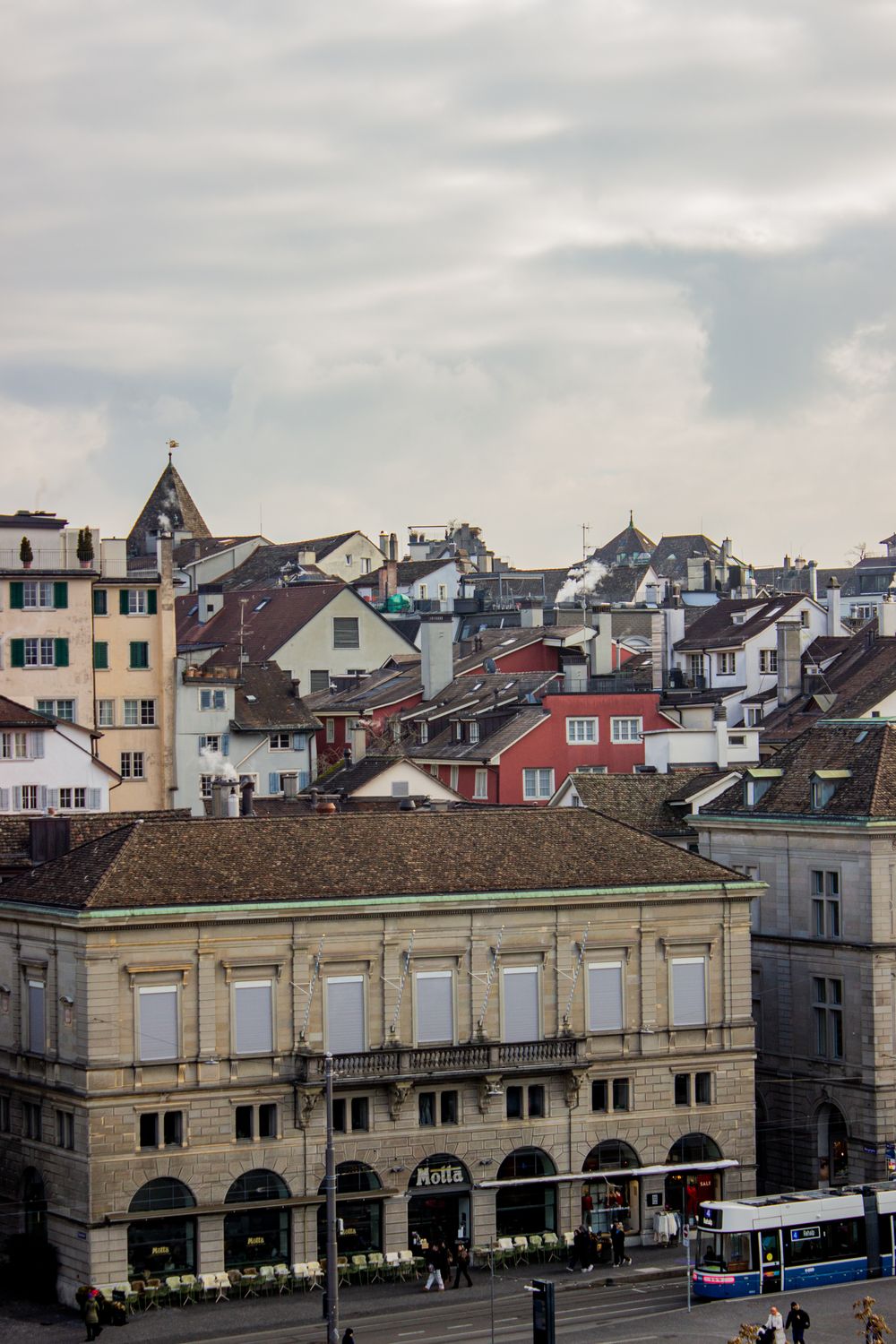
Switzerland closes the list with a reputation for safety, clean cities, strong salaries, political stability, and stunning landscapes. It is the kind of country people search for when they want order and comfort. But Switzerland is also one of the clearest examples of the trade-off behind relocation dreams.
The quality of life is high, but so is the cost of nearly everything. Rent, healthcare, eating out, transport, and basic services can feel expensive to newcomers. Switzerland can be a fantastic place to live, but it is not a casual move. It is best suited for people with strong income prospects.
The bigger story is not just which countries made the list. It is what people are really searching for when they type those relocation questions into Google. They are looking for safety, dignity, better wages, cleaner systems, warmer weather, or simply a second chance. But every dream destination has a hidden bill. The smartest movers are not the ones who fall in love with a country online. They are the ones who ask the hard questions before they pack.