Population Growth Is Putting Pressure on Local Infrastructure
In many communities, growth is no longer something that feels distant or abstract. It is visible on busy roads, longer school lines, stretched public services, and neighborhoods that seem to expand faster than the systems meant to support them. Population growth is reshaping daily life in ways that are both subtle and unavoidable, forcing cities and towns to rethink how they function under pressure.
The issue is not simply that more people are arriving. It is that infrastructure, much of it built decades ago, was never designed for the scale of demand it now faces. Water systems, roads, housing, schools, and healthcare networks are being pushed closer to their limits, revealing cracks that are becoming harder to ignore.
Roads and Transportation Are Reaching Their Limits

One of the first places population pressure becomes obvious is on the road. Traffic congestion has moved beyond rush hour in many areas, becoming a near-constant condition rather than a temporary inconvenience. Commutes that once took minutes are now stretching significantly longer, affecting productivity, fuel consumption, and overall quality of life.
Public transportation systems are also feeling the strain. Buses run fuller, trains become more crowded, and schedules that were once reliable begin to show delays as demand increases. In some regions, expansion has not kept pace with population growth, leaving commuters with fewer efficient options and greater dependence on private vehicles.
This imbalance creates a cycle. More people lead to more cars on the road, increasing congestion and making public transit less appealing or reliable. Over time, the entire transportation system becomes harder to manage without significant upgrades and long-term planning.
Housing Pressure Is Reshaping Communities

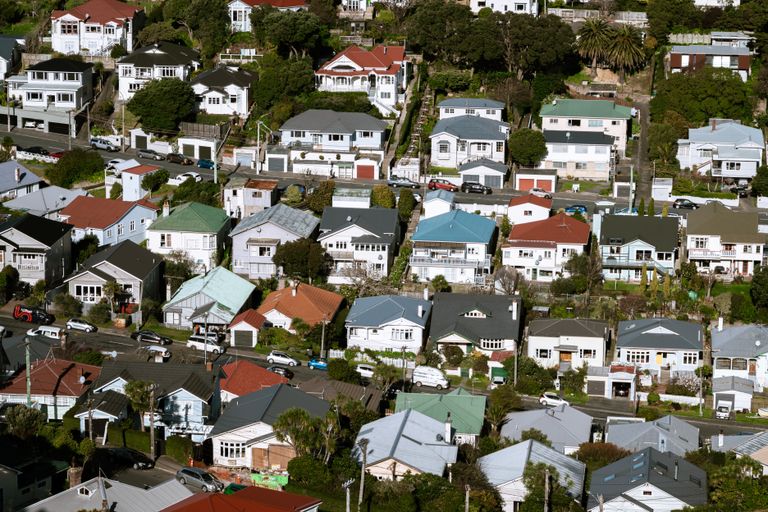
As populations grow, housing becomes one of the most immediate and visible pressure points. Demand rises faster than supply, pushing prices upward and reducing affordability for many residents. What was once considered a stable housing market can quickly shift into a competitive environment where availability becomes limited, and costs escalate.
New developments often seek to meet this demand, but construction takes time, resources, and careful planning. In the meantime, rental markets tighten, homeownership becomes more difficult to access, and more people find themselves competing for fewer available options.
This pressure does not affect pricing alone. It also changes the character of neighborhoods. Long-standing communities may see rapid development, increased density, and shifts in local demographics, all of which can create tension between growth and preservation.
Schools and Education Systems Under Strain

Education systems are also feeling the weight of population growth. As more families move into an area, school enrollment rises quickly, sometimes outpacing the capacity of existing facilities. Class sizes grow, resources are stretched, and teachers are asked to manage larger groups with limited additional support.
In some cases, temporary solutions are introduced, such as portable classrooms or adjusted schedules. While these measures help manage short-term pressure, they are not long-term fixes. Sustained population growth requires investment in new schools, hiring additional staff, and expanding educational infrastructure to maintain quality learning environments.
The impact is not only structural. It also affects the student experience. Larger classrooms can mean less individual attention, increased workload for educators, and reduced access to extracurricular programs that rely on funding and space.
Healthcare Systems Facing Higher Demand
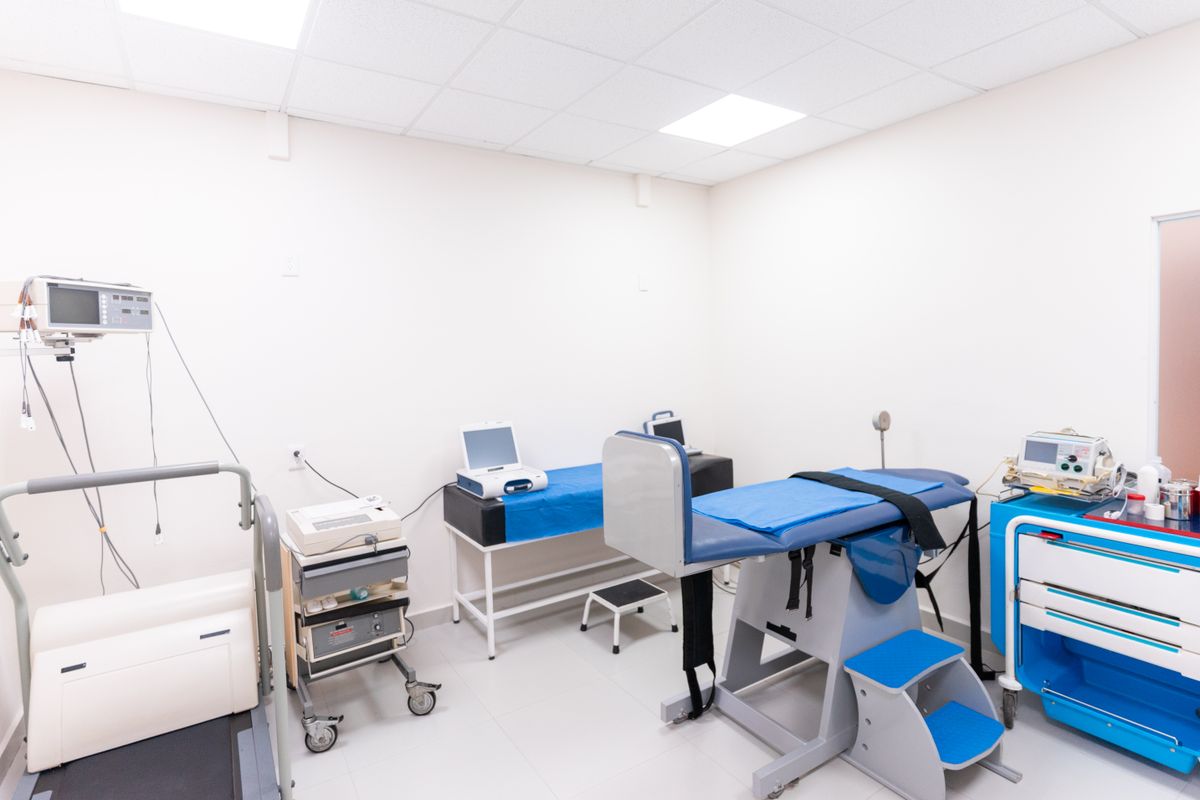
Healthcare infrastructure is another area where population growth creates immediate and serious pressure. Hospitals, clinics, and emergency services must handle increasing numbers of patients, often without a proportional increase in capacity or staffing.
This can lead to longer wait times, strained emergency rooms, and overworked medical staff. In some regions, appointment availability becomes limited, and routine care is delayed as urgent cases take priority.
The challenge becomes even more complex when population growth is combined with aging demographics or public health demands. Healthcare systems must expand not only in size but also in efficiency, technology, and workforce support to keep pace with rising needs.
Utilities and Essential Services Are Being Stretched
Beyond visible infrastructure like roads and schools, essential services such as water, electricity, and waste management are also under increasing pressure. Systems designed for smaller populations must now distribute resources across larger communities, often with limited upgrades.
Water supply systems face higher demand, especially during peak usage periods. Electrical grids must support increased residential and commercial consumption. Waste collection services must handle greater volume, requiring more frequent pickups and expanded processing capacity.
When these systems lag behind population growth, the effects are felt quickly. Service interruptions, maintenance delays, and capacity constraints are becoming more common, underscoring the importance of proactive infrastructure planning.
The Challenge of Keeping Pace With Growth
Population growth itself is not inherently negative. In many cases, it signals economic opportunity, job creation, and community expansion. The challenge lies in keeping infrastructure aligned with that growth so that quality of life is not compromised.
Planning and investment often lag behind real-world population changes. Budget constraints, regulatory processes, and long construction timelines mean that infrastructure improvements can take years to materialize. Meanwhile, demand continues to increase.
This gap between growth and preparation is where pressure builds. It forces local governments and planners to make difficult decisions about priorities, funding, and long-term development strategies.
A System Being Pushed to Adapt
What is happening across many communities is not a collapse of infrastructure, but a stress test. Systems built for earlier population levels are being pushed to adapt in real time. Some are responding successfully through expansion and modernization. Others are struggling to keep pace.
The reality is that population growth will continue to shape how infrastructure evolves. Roads will need redesigning, housing strategies will need rethinking, and public services will require consistent investment to remain effective.
In the end, the pressure being felt today is also a signal. It highlights where systems are strong, where they are failing, and where the next phase of development will need to focus if communities are to function smoothly under the weight of continued growth.